Why Skipped Services Add Up Faster Than You Think
It's easy to push a service appointment back a few weeks - or a few months. Life gets busy, the car seems fine, and a shop visit feels like an expense you can defer. The problem is that routine maintenance exists to catch wear before it becomes damage. Once that window closes, the cost curve shifts steeply upward.
Most routine service items - oil, filters, brake pads, coolant - are cheap when addressed on schedule. The same items become expensive the moment they cause secondary damage. A $60 oil change deferred too long can lead to engine sludge that costs thousands to address. That's not a worst-case scenario; it's a documented pattern mechanics see regularly.
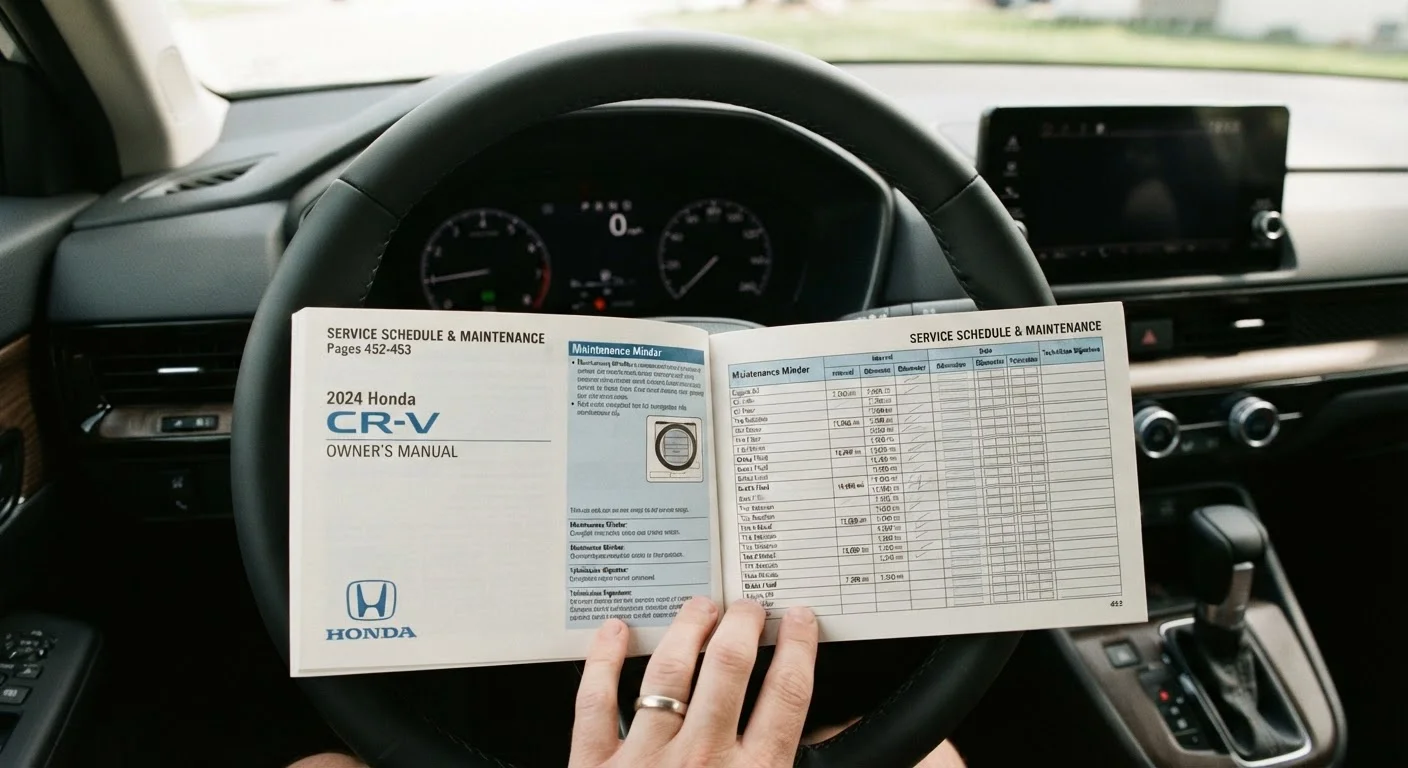
If you're not sure what your car's actual schedule calls for, reading your owner's manual is the most reliable starting point - manufacturer-set intervals are based on engineering, not shop policy.
Delaying oil changes past the manufacturer's recommended interval.
Why it happens: Drivers often go by feel - if the car drives normally, they assume the oil is fine. The degradation of oil happens invisibly, so there's no obvious symptom until damage is underway.
Ignoring brake pad wear indicators until grinding becomes obvious.
Why it happens: The initial squealing sound of a wear indicator is easy to rationalize away, especially if it only happens occasionally. Many drivers assume brakes will give more warning before they become a real problem.
Letting coolant and transmission fluid go unchanged for years.
Why it happens: Unlike oil, these fluids don't have a dashboard warning light for routine degradation, so they're often forgotten entirely between major service visits.
Skipping tyre rotation and pressure checks between service visits.
Why it happens: Tyres look fine from the outside even when pressure is low or wear is uneven underneath. Without a gauge or close inspection, problems aren't obvious until a tyre fails or handling noticeably suffers.
Dismissing dashboard warning lights as minor or temporary.
Why it happens: Warning lights sometimes appear briefly and then disappear, which leads drivers to assume the issue resolved itself. Others worry about the cost of diagnosis and put it off.
The Real Costs: What Actually Goes Wrong
Deferred maintenance rarely causes a single dramatic failure. More often it creates a cascade - one worn component stresses another, and by the time a symptom appears, the damage is already done. Here's what that looks like across the most commonly skipped services:
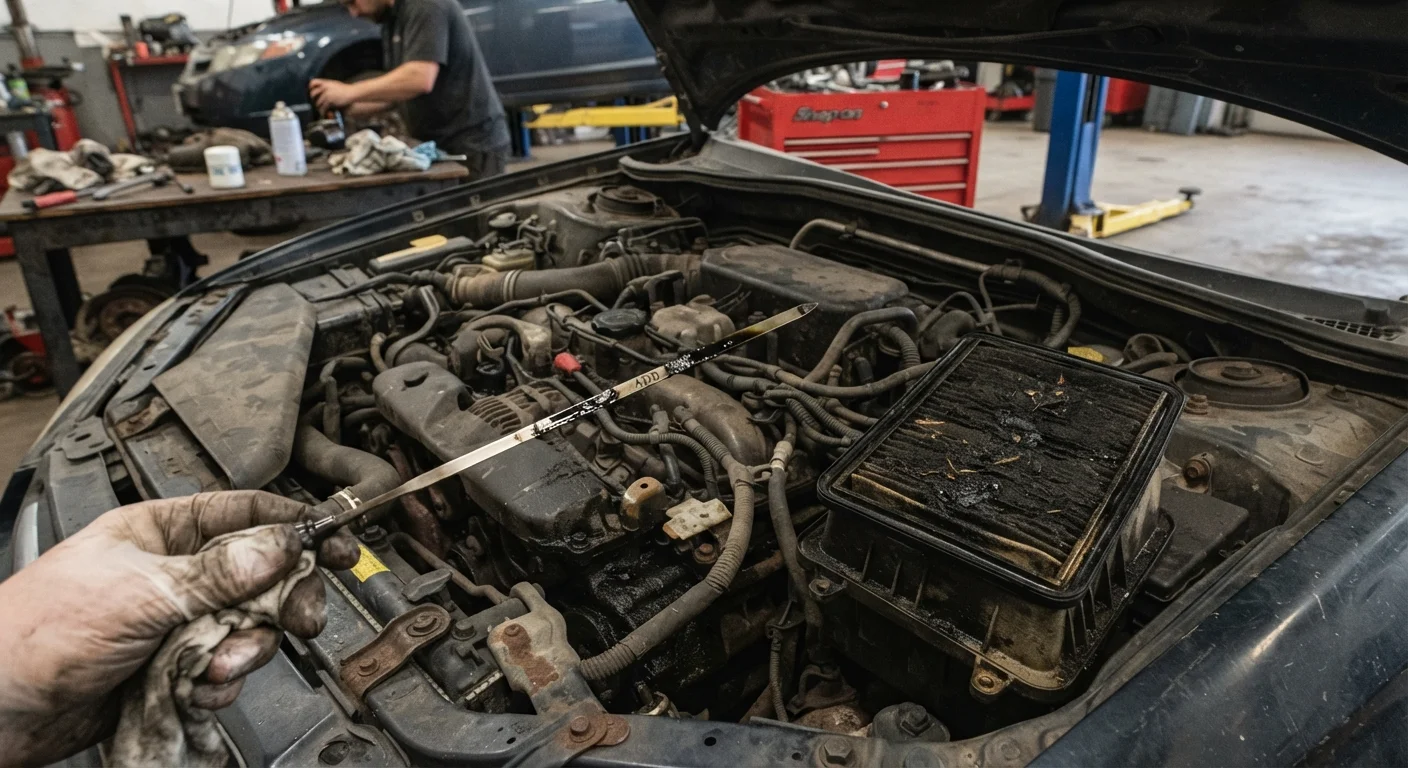
Engine oil: Old oil loses its viscosity and ability to reduce friction. Metal surfaces wear faster, and sludge can clog oil passages entirely. In severe cases, this leads to engine seizure - a repair that can cost more than the car's market value.
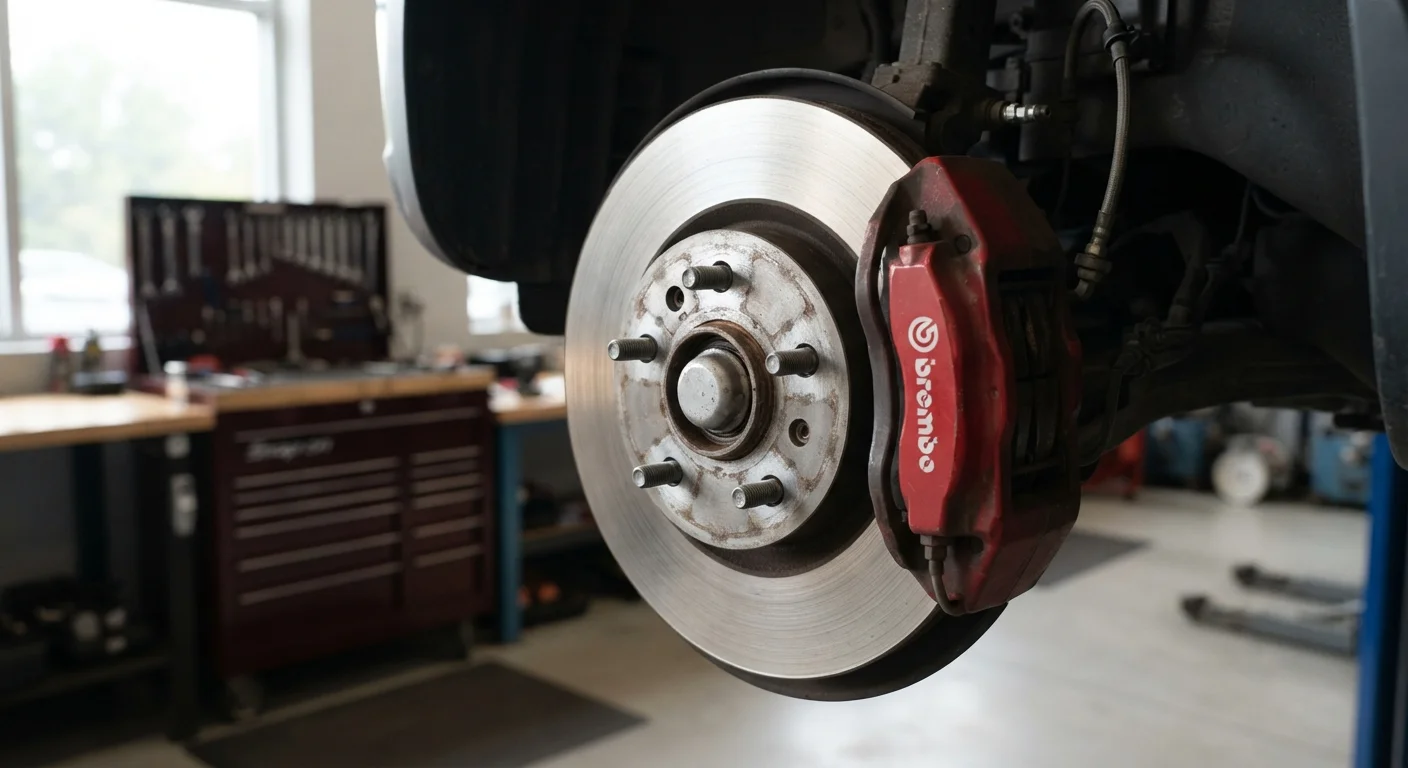
Brake system: Brake pads have a wear indicator that squeals when it's time for replacement. Ignore it long enough and the metal backing grinds directly into the rotor, scoring the surface. A pad replacement that might cost a modest amount becomes a rotor replacement job. Understanding how brakes work helps you recognize warning signs before they escalate.
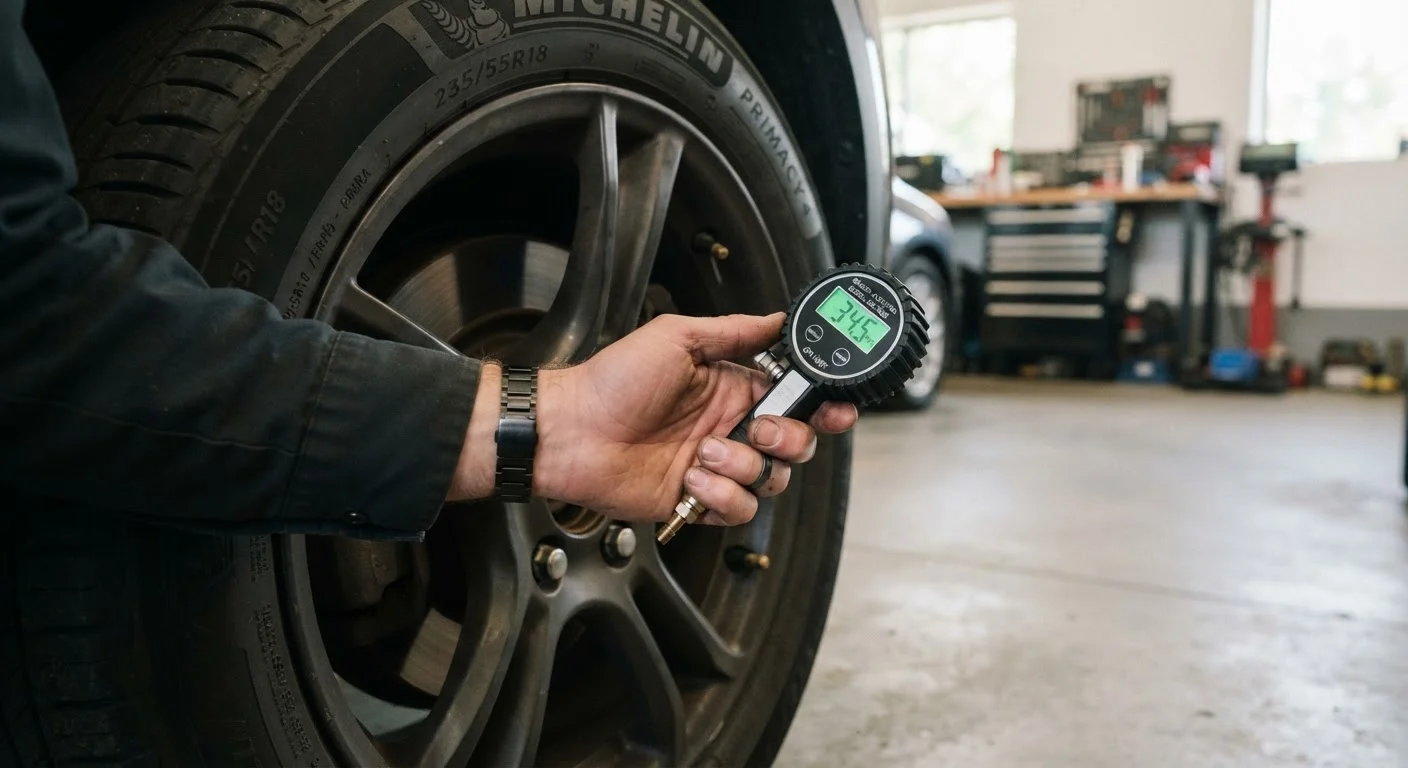
Tyre pressure and rotation: Under-inflated tyres wear unevenly and reduce fuel efficiency. Getting tyre pressure wrong is one of those issues that costs almost nothing to fix but quietly drains money through increased fuel use and premature tyre wear.
Air and cabin filters: A clogged air filter restricts airflow to the engine, which can reduce fuel economy and performance. A dirty cabin filter is a lesser mechanical concern but affects air quality inside the vehicle - worth noting for anyone with allergies or respiratory sensitivities.
Don't Rely on Feel Alone
A car that drives smoothly isn't necessarily a car that's been properly maintained. Engine oil, coolant, and brake fluid all degrade chemically before any driving symptom appears. By the time you notice a difference behind the wheel, damage may already be in progress. Regular service intervals exist precisely because human perception isn't a reliable maintenance gauge.
Building consistent habits around these checks doesn't require mechanical knowledge - just awareness. Simple maintenance habits built early can prevent most common problems before they start.
~$1,200
Average cost of engine damage from oil neglect
Industry repair data consistently shows engine repairs from oil-related failures running into four figures, compared to oil changes that typically cost under $100.
2-3x
Cost multiplier when brake pads damage rotors
Replacing brake rotors along with worn pads can cost two to three times more than a pad-only replacement, according to general automotive repair estimates.
Setting Yourself Up to Stay on Schedule
The most effective fix for deferred maintenance is removing friction from the process. A few practical approaches:
- Use your car's built-in reminder system. Most vehicles manufactured in the last decade have an oil life monitor or service alert. Don't dismiss it - it's calibrated to your actual driving conditions.
- Set a calendar reminder tied to mileage or a date, whichever comes first. Some drivers find it easier to schedule a regular check-in every six months regardless of mileage.
- Do a basic visual check before longer trips. A pre-drive safety routine takes only a few minutes and can flag fluid levels, tyre condition, and warning lights before a problem compounds on the road.
- Keep a simple log. A note in your glove box or a phone note with the date and mileage of your last service is enough to give you - and any mechanic - a clear picture.
Staying on schedule isn't about being mechanical - it's about protecting the investment you've already made. For a broader picture of what new drivers should track, a complete overview of car maintenance lays out the essentials clearly.
When in Doubt, Ask a Qualified Mechanic
This article provides general educational information about routine maintenance - it's not a substitute for a professional inspection. If you notice unusual sounds, smells, warning lights, or changes in how your vehicle handles, have it looked at by a licensed mechanic. Some issues are not safe to defer, particularly anything involving brakes, steering, or tyres.