Why a Pre-Drive Routine Matters
Most drivers climb in, buckle up, and go. That habit works fine - until the day it doesn't. A tire that looked okay from the kitchen window is actually dangerously low. A tail light that was working yesterday has burned out. A child's toy has rolled behind the rear wheel.
A pre-drive routine closes those gaps. It doesn't need to be elaborate. With practice, the whole thing takes under five minutes and becomes as automatic as putting on a seat belt. Think of it the same way you'd approach any preparation task: a few seconds of attention now prevents much bigger problems later. Our guide to DIY car checks covers deeper maintenance checks, but the items here are meant for every single drive.
Outside the Vehicle
Inside the Vehicle
Environmental Awareness
Longer Trip Additions
What to Keep in the Car
A few items stored in your vehicle make it easier to act on problems you spot during a pre-drive check - or handle surprises on the road.
Tire Pressure Gauge
Lets you get an accurate reading of tire inflation - essential for catching underinflation that isn't visible to the eye.
Flashlight or Phone Torch
Useful for inspecting tires, under the hood, or beneath the car in low-light conditions.
Windshield Washer Fluid (spare bottle)
Allows you to top up washer fluid before a longer trip without making a separate stop.
Vehicle Owner's Manual
Explains what each dashboard warning light means for your specific make and model - keep it in the glove compartment.
Dashboard Warning Lights Are Not Optional
A warning light that stays on after the engine starts is the car's way of flagging a problem. Some lights - like low fuel or a door ajar - are minor. Others, like a brake warning or engine temperature light, can indicate a condition that makes the vehicle unsafe to drive. If you're unsure what a light means, consult your owner's manual before pulling out of the driveway.
For drivers looking to build broader habits beyond the pre-drive moment, habits worth building early is a practical next step. And if you're heading out on a longer trip, don't overlook the pre-departure tasks travellers routinely miss before you leave home.
When Something Doesn't Look Right
If your pre-drive check turns up a real problem - a tire that's visibly flat, brake fluid that's nearly empty, a warning light that hasn't cleared - don't dismiss it and drive anyway. Some issues are minor and can wait for a scheduled service visit. Others mean the car shouldn't move until a qualified mechanic takes a look.
When in Doubt, Don't Drive
If a pre-drive check reveals a brake warning light, a tire with visible sidewall damage, or any fluid leak you can't identify, have the vehicle inspected by a qualified mechanic before driving it. Driving on a known safety issue puts you, your passengers, and other road users at risk. The inconvenience of arranging a check is far smaller than the consequences of ignoring a real problem.
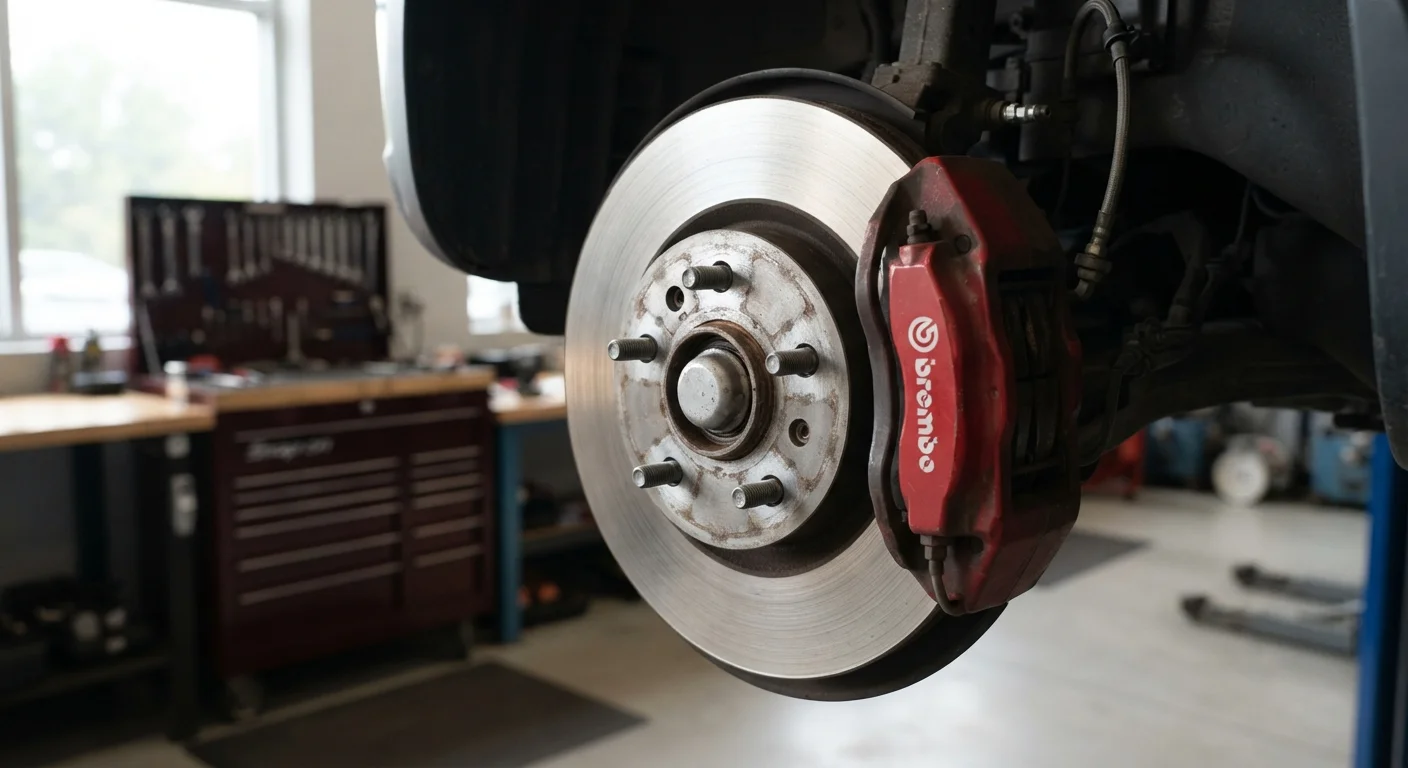
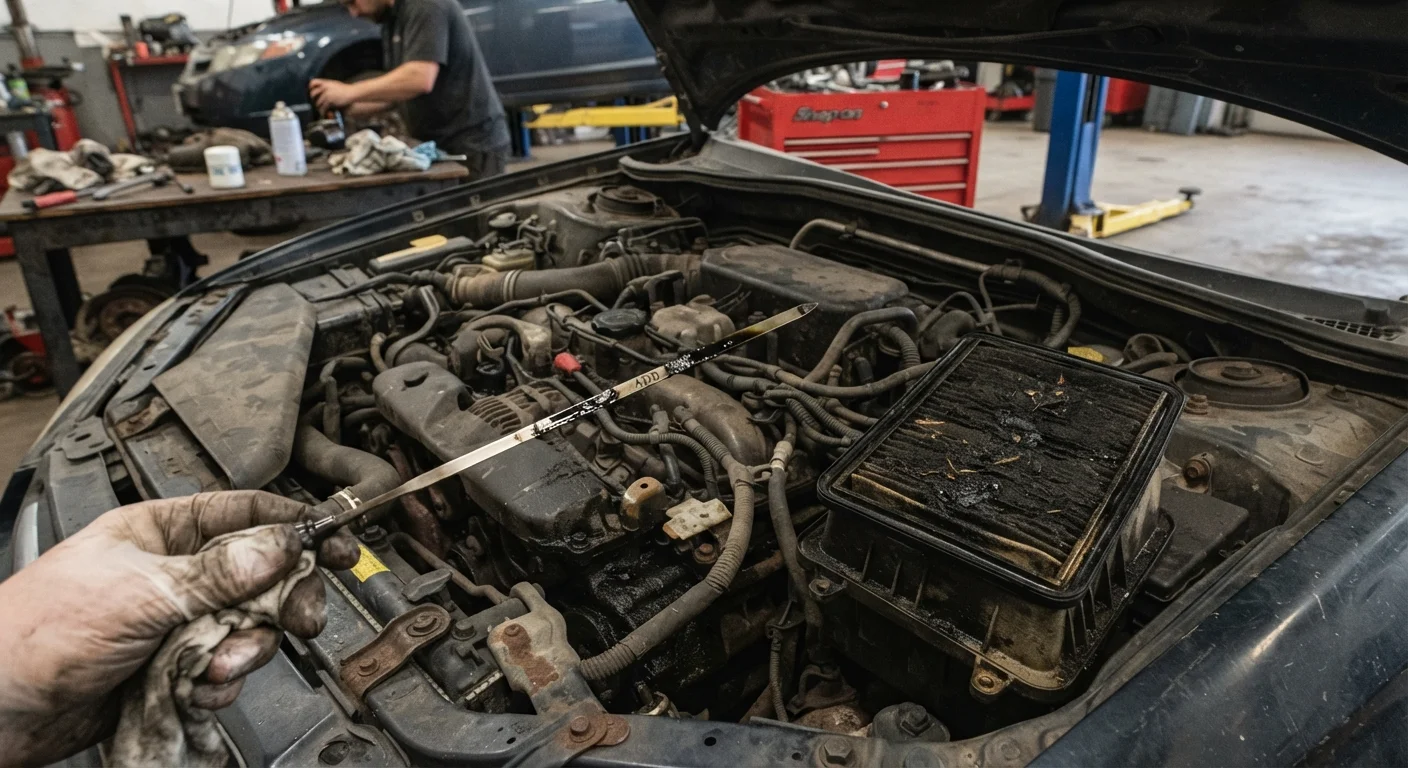
Not sure what counts as urgent? Our article on how brakes work and when they need attention explains one of the most safety-critical systems in plain terms. For a broader picture of how deferred maintenance escalates, see what happens when you skip routine servicing.
A pre-drive check is one piece of a larger approach to safe driving at every stage. It's a small habit with a meaningful payoff.