What Each Type of Coverage Actually Does
Collision and comprehensive are both physical damage coverages - meaning they pay to repair or replace your own vehicle, not someone else's. That's where the similarity ends.
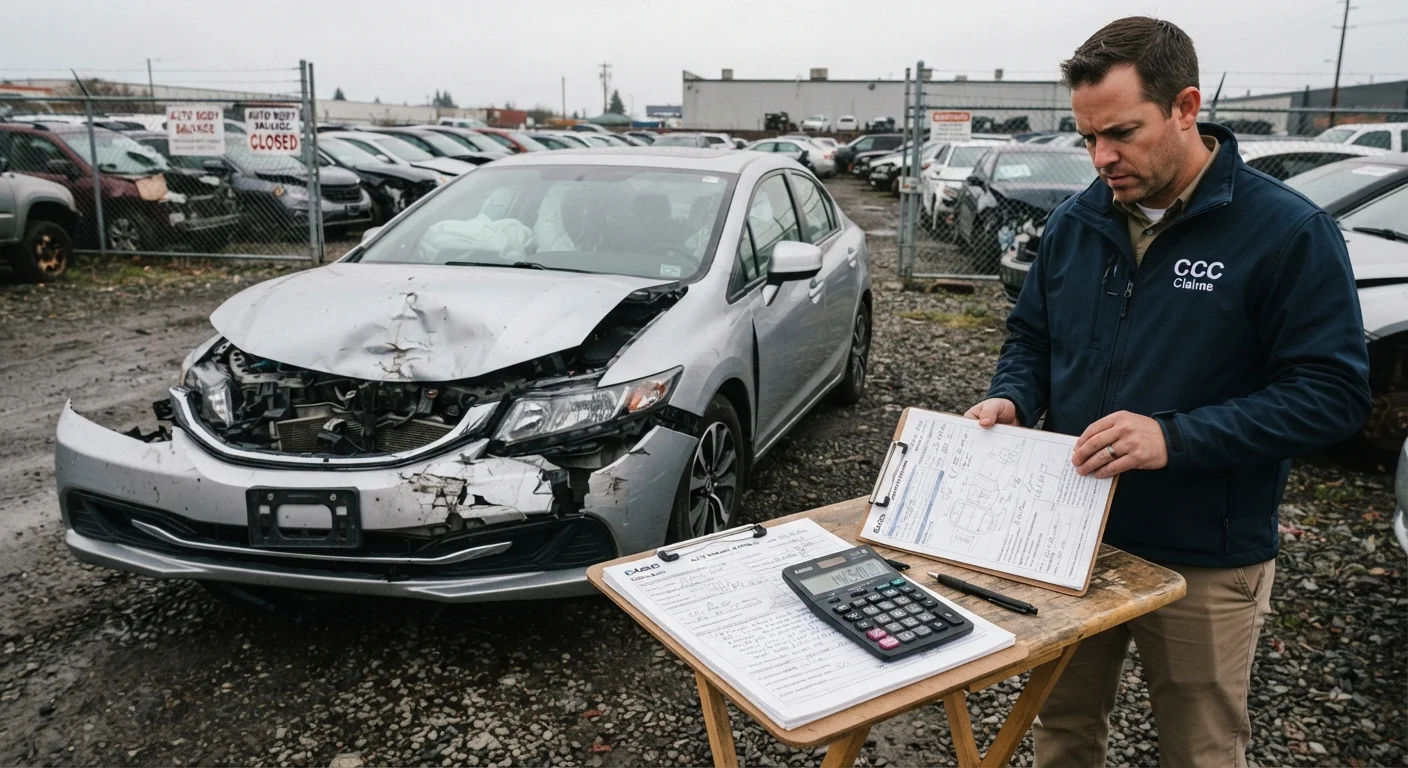
Collision coverage applies when your car makes contact with something: another vehicle, a guardrail, a tree, a light pole, or even the ground if you roll over. The cause is a physical impact you were involved in, regardless of who was at fault.
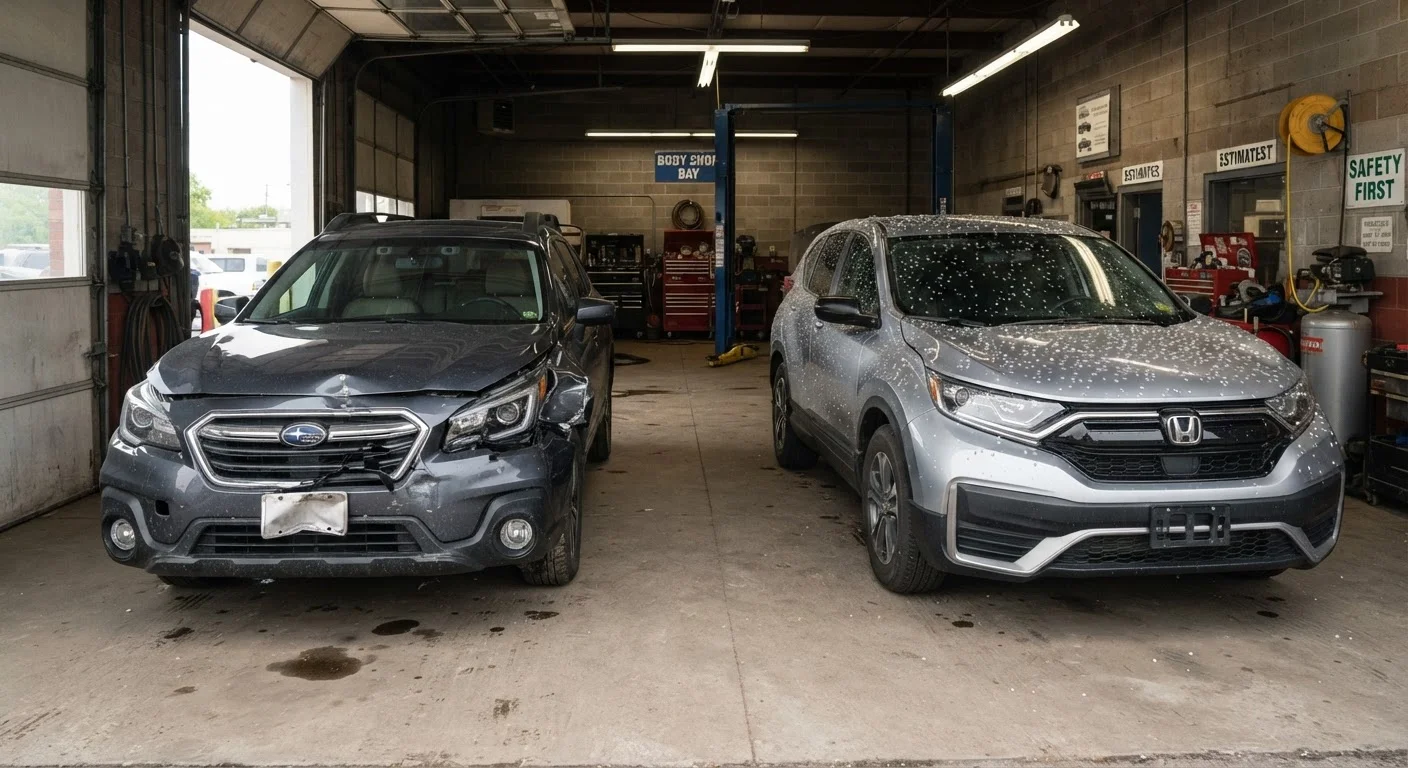
Comprehensive coverage steps in for damage that happens to your car rather than something you drove into. This includes theft, vandalism, hail, flooding, fallen trees, fire, and collisions with animals (such as hitting a deer). Think of it as the "everything else" category for events mostly outside your control.
For a broader look at how these coverages fit into the full picture of a policy, see our Car Insurance Explained guide.
| Comprehensive | Collision | |
|---|---|---|
| What triggers a claim | Events outside your control (weather, theft, animals, fire) | Your car hitting something or being hit while parked |
| Fault required | No - typically non-fault events | No - covers regardless of fault |
| Typical cost | Generally lower premium | Generally higher premium |
| Deductible applies | Yes | Yes |
| Required by lenders | Usually yes, if financed | Usually yes, if financed |
| Useful when car is older | Often worth keeping longer | May be dropped sooner as value drops |
How Deductibles Work With Each Coverage
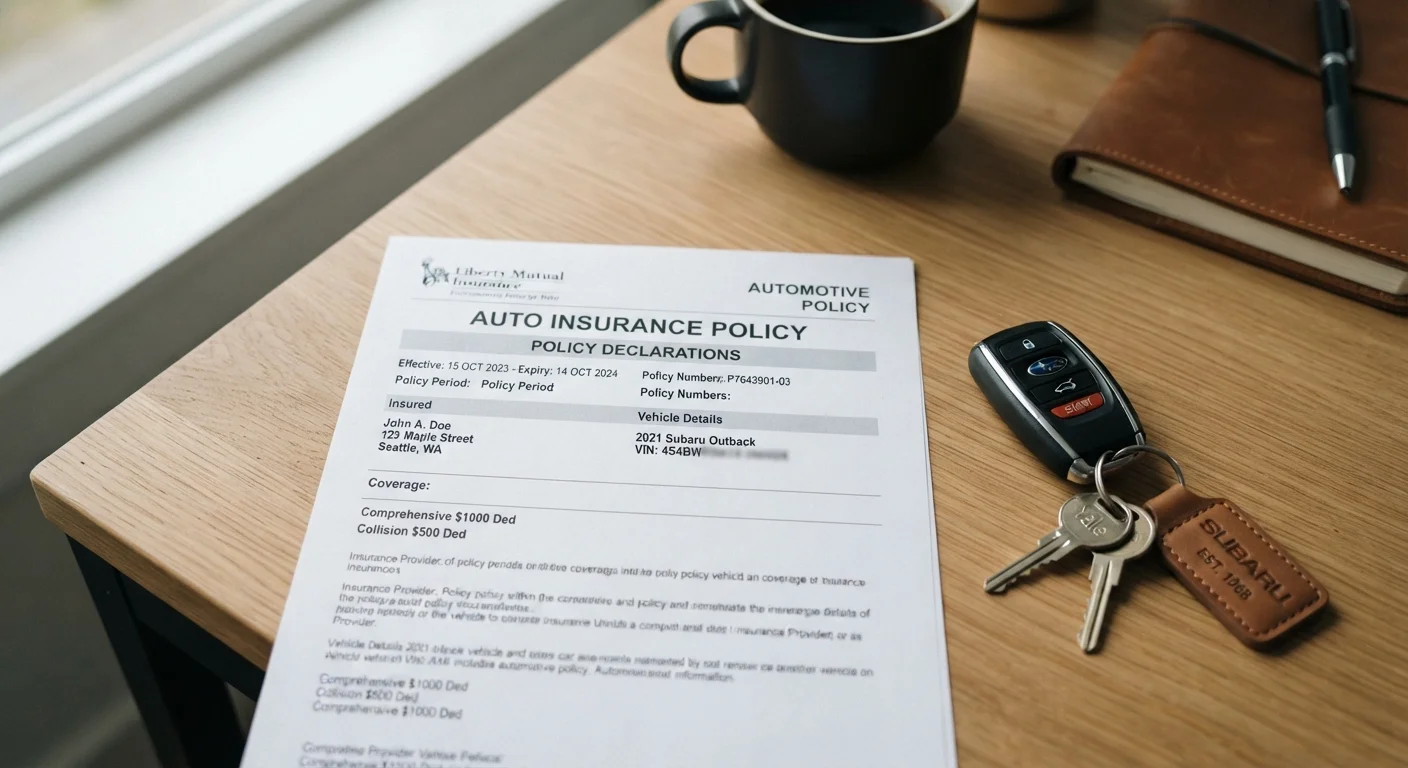
Both collision and comprehensive come with a deductible - the amount you pay out of pocket before your insurer covers the rest. Common deductible amounts range from $250 to $2,000. You choose this figure when you set up your policy.
A higher deductible lowers your monthly premium but means more out-of-pocket cost when you file a claim. A lower deductible does the opposite. The math matters most when your vehicle isn't worth a lot: if your car is valued at $4,000 and you carry a $1,500 collision deductible, a mid-level fender repair might barely clear that threshold - making the coverage less useful than it looks on paper.
Review Your Car's Current Market Value
Before your next policy renewal, look up your vehicle's approximate market value using a resource like your state's DMV guidance or a widely recognized auto valuation tool. Compare that figure against your deductible and annual premium cost for each coverage type. This gives you a concrete basis for deciding whether each is still earning its place in your policy.
It's also worth knowing that filing a claim - especially a collision claim - can affect your premium at renewal. If a repair cost is close to your deductible amount, some drivers choose to pay out of pocket rather than involve their insurer. There's no universal right answer, but it's a calculation worth making.
When It Makes Sense to Carry One, Both, or Neither
If you're financing or leasing your car, your lender almost certainly requires you to carry both collision and comprehensive coverage. That decision isn't really yours to make until the loan is paid off.
Once you own the vehicle outright, the question becomes more personal. A general rule of thumb: if your annual premium for a coverage type is more than 10% of what the car would pay out after the deductible, you may be paying more than the coverage is worth. This isn't a guarantee - circumstances vary - but it's a useful starting point for the conversation with your agent.
Comprehensive coverage tends to be the cheaper of the two and covers a wider range of scenarios, so many drivers keep it longer. If you live somewhere prone to severe hail, wildfires, flooding, or high auto theft rates, dropping comprehensive can be a real financial exposure. Our Car Insurance Myths article addresses common misconceptions about what "full coverage" actually means - it's worth a read before making any changes to your policy.
One more gap to be aware of: if your car is declared a total loss, your insurer pays its current market value - not what you owe on the loan. If you owe more than the car is worth, that shortfall comes out of your pocket unless you have separate protection. Learn more in our piece on why gap insurance exists and when it makes sense.
This article provides general information about auto insurance concepts and is not personalized financial or insurance advice. Coverage terms, availability, and costs vary by insurer, state, and individual circumstance. Consult a licensed insurance professional for guidance specific to your situation.