The Problem: Cars Lose Value Faster Than Loans Get Paid Off
The moment you drive a new car off the lot, its market value drops - sometimes by several thousand dollars in the first year alone. Meanwhile, your loan balance shrinks slowly, because early payments are weighted heavily toward interest rather than principal.
This mismatch creates a window - sometimes lasting two to four years - during which you owe more on the loan than the car is actually worth. Lenders call this being "underwater" or "upside down" on a loan.
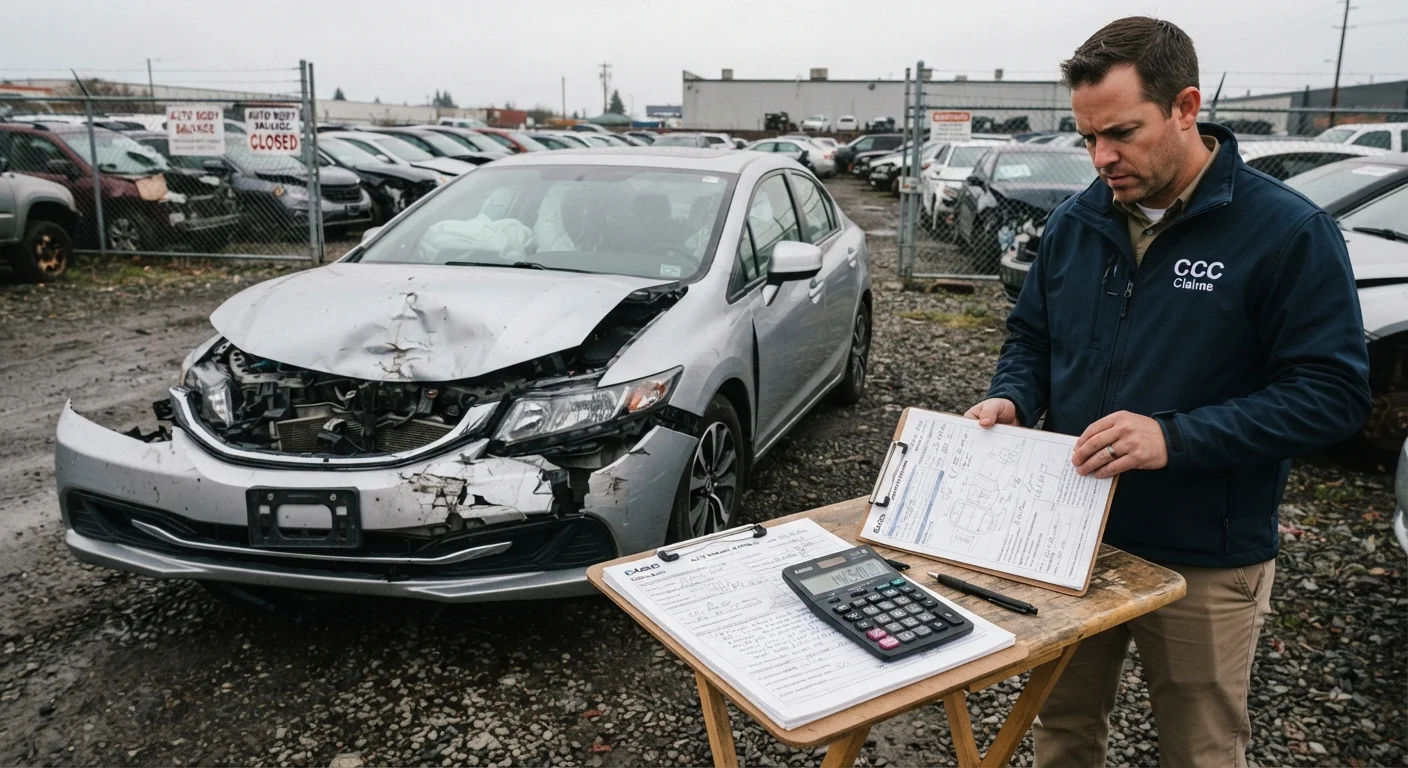
If your car is stolen or declared a total loss during that window, your standard auto insurer will pay you the vehicle's current market value. That payout goes directly to your lender. If it doesn't cover the full balance you owe, you are responsible for the remainder - out of pocket, on a car you no longer have.
~20%
Value a new car can lose in its first year
Industry estimates widely cited by automotive research organizations suggest new vehicles can depreciate by roughly 15-20% in their first year of ownership.
~38%
New car buyers who finance with little or no down payment
Consumer financial research has consistently shown a significant share of new vehicle buyers put down less than 10%, increasing the likelihood of being underwater on their loan.
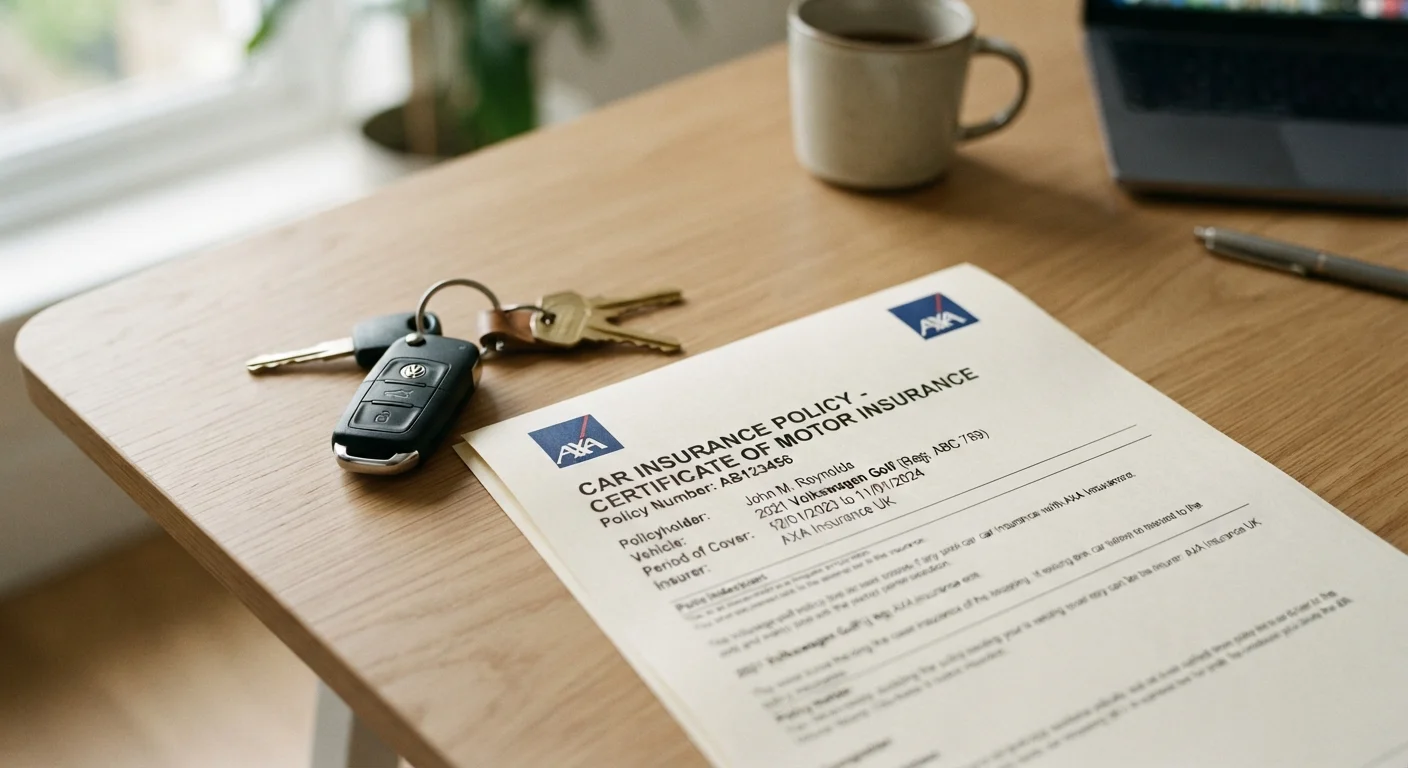
This is the core problem gap insurance is designed to solve. To understand it fully, it helps to know how standard coverage works first. See our overview of what car insurance actually covers for a plain-language breakdown.
How Gap Insurance Actually Works
When a covered total loss occurs, here is the sequence of events:
- Your primary insurer assesses the vehicle's actual cash value (ACV) - what a comparable car would sell for on the open market at that moment.
- That amount is paid to your lender (minus your deductible).
- If your loan balance is higher than the ACV payout, a gap remains.
- Your gap policy pays that remaining amount, up to the policy's stated limit.
For example: you owe $24,000 on your loan. Your insurer values the totalled car at $19,000. After your $1,000 deductible, the payout to your lender is $18,000. You still owe $6,000. Gap insurance would cover that $6,000 so you don't have to.
Check Your Loan Balance vs. Car Value Periodically
You can look up your car's estimated market value through resources like Kelley Blue Book or NADA Guides, then compare it to your current loan payoff amount (available from your lender). Once your balance is consistently below the market value, you likely no longer need gap coverage and can remove it from your policy to lower your premium.
It's worth noting that gap insurance does not cover mechanical repairs, missed payments, extended warranties, or carry-over balances from a previous loan that were rolled into the new one. It covers only the gap created by depreciation at the time of a qualifying total loss.
When Gap Insurance Makes the Most Sense
Gap coverage isn't a must-have for every driver. It tends to make the most financial sense in specific situations:
- Small or no down payment: If you put down less than 20%, you start the loan already close to - or past - the car's market value.
- Long loan term: Loans stretched over 60, 72, or 84 months pay down principal very slowly early on, extending the period when you're underwater.
- Leased vehicles: Most lease agreements require gap coverage because the math of lease payments often leaves a significant gap from day one.
- High-depreciation vehicles: Some models lose value faster than average, widening the gap further.
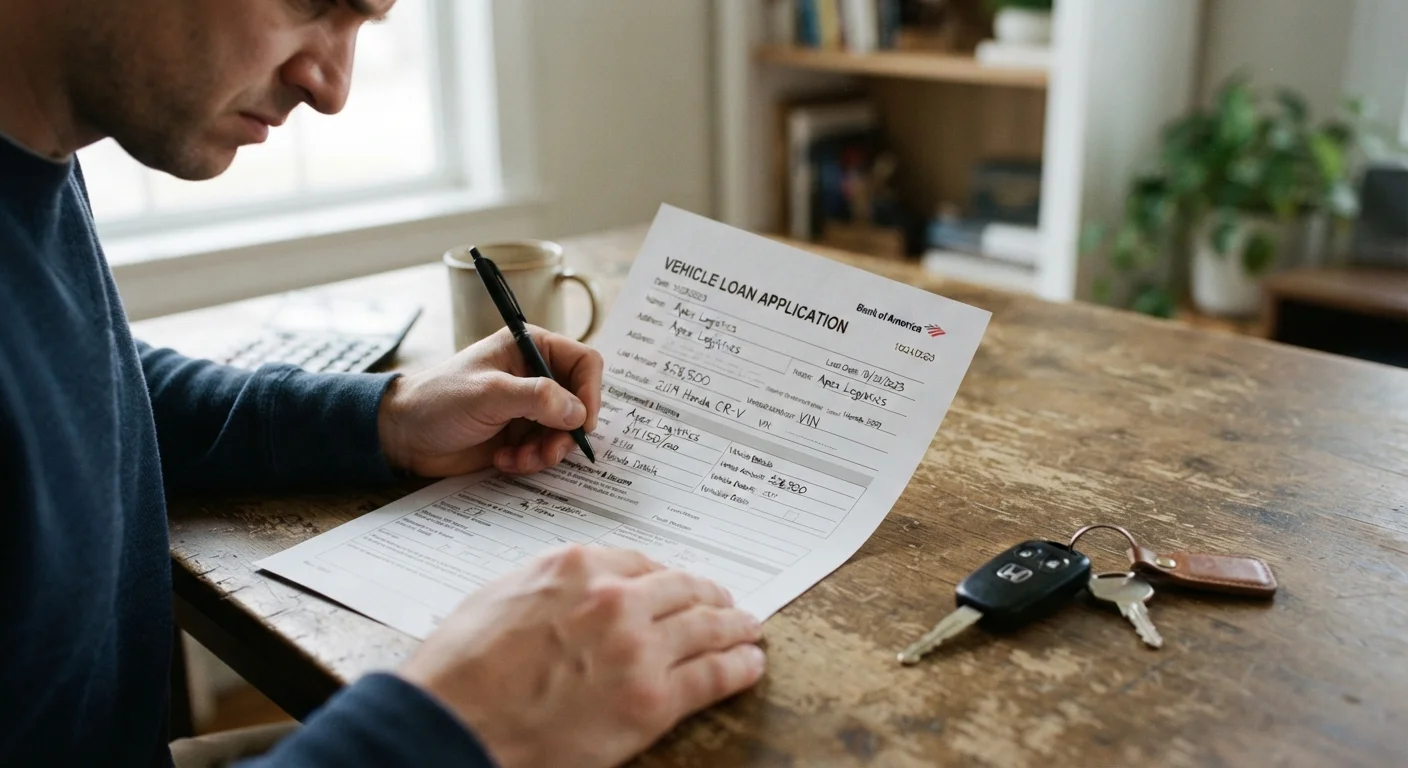
- Rolled-over debt: If you traded in a previous car with negative equity and folded that balance into your new loan, your starting loan balance is already inflated.
On the flip side, if you made a large down payment, are on a short loan term, or have already paid the car down significantly, the gap may no longer exist - and the coverage is unnecessary. Our article on auto loan pitfalls covers how rolled-in extras and long terms can quietly increase your financial exposure.
What to Watch Out For When Buying Gap Coverage
Gap insurance is sold in a few different places, and the price and terms can vary significantly:
- Through your auto insurer: Often the most straightforward option. Many major insurers offer gap coverage as an add-on for a relatively modest increase in your premium.
- Through the dealership: Convenient but sometimes more expensive. Dealership-offered gap products may also be bundled with other add-ons you don't need. The cost is often rolled into your loan, meaning you pay interest on it.
- Through your lender: Similar cautions apply - read the full terms before agreeing.
Before purchasing, check whether the policy covers your deductible, whether it excludes rolled-over balances from a prior loan, and whether there is a payout cap. These details vary and can affect whether the coverage actually fills the gap you'd face.
It's also worth reviewing the distinction between collision and comprehensive coverage - both can generate a total-loss payout that triggers gap insurance. Our guide to comprehensive vs. collision coverage explains how each type works. And if you want to separate myth from fact on auto insurance more broadly, see our piece on common car insurance myths.
This article is for general informational purposes only and does not constitute financial or insurance advice. Coverage terms, availability, and pricing vary by insurer, state, and individual policy. Consult a licensed insurance professional for guidance specific to your situation.