Why Insurance Myths Are Surprisingly Expensive
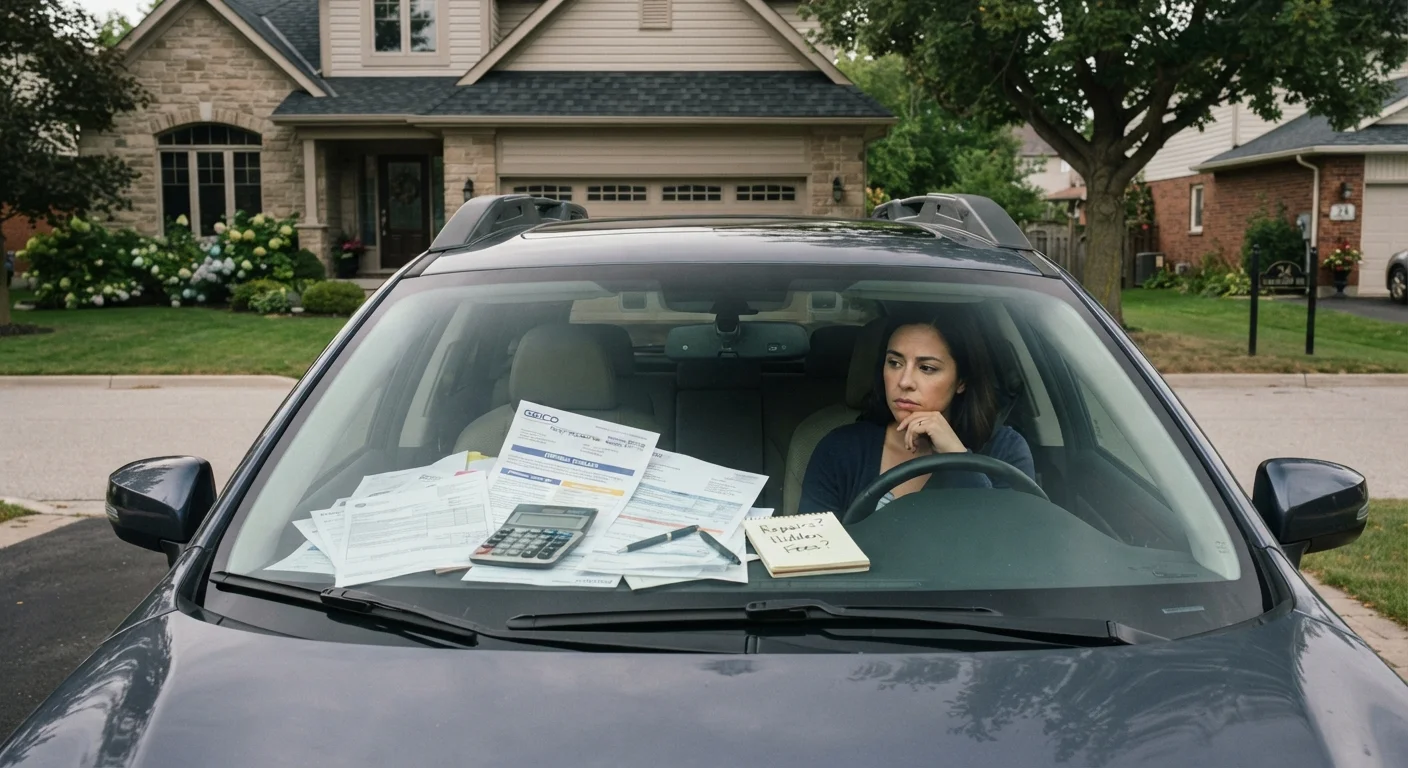
Auto insurance is one of the most predictable recurring costs of owning a car - yet it's also one of the most misunderstood. Misconceptions about how insurers calculate rates, what policies actually pay for, and when to file a claim lead real drivers to make decisions that quietly cost them money year after year.
Some myths result in paying more than necessary. Others leave drivers with coverage gaps they don't discover until they need to file a claim. The six myths below cover the most common and most costly - and each correction points to a decision you can act on.
~38%
Drivers who carry only minimum liability coverage
Industry estimates suggest a significant share of U.S. drivers carry only the legally required minimum, leaving limited protection in serious accidents.
45+
U.S. states permitting credit-based insurance scoring
The majority of states allow insurers to factor credit-based scores into auto insurance pricing, according to the Insurance Information Institute.
$10,000-$30,000
Typical minimum liability limits per person in many states
Many state liability minimums cover far less than the actual cost of hospitalization or significant vehicle damage in a real accident.
The Myths - And What's Actually True
Work through each myth below. Even if you're confident about one, the explanation often contains a detail that changes how you think about your policy.
Myth
Red cars cost more to insure because they attract police attention and get more tickets.
Fact
Insurers do not factor in vehicle color when calculating premiums - they don't even ask for it on most applications.
This myth has circulated for decades, but auto insurers base rates on factors like the vehicle's make, model, trim level, engine size, safety ratings, and your driving record - not its paint job. What does affect your rate is the car's likelihood of being stolen, its repair costs, and how it performs in crash tests. If you're curious about what actually moves the needle, lesser-known premium factors like your ZIP code and credit score are far more influential than color.
Myth
Full coverage means you're covered for anything that could happen to your car.
Fact
'Full coverage' is informal shorthand - it has a specific, limited scope that still leaves common gaps.
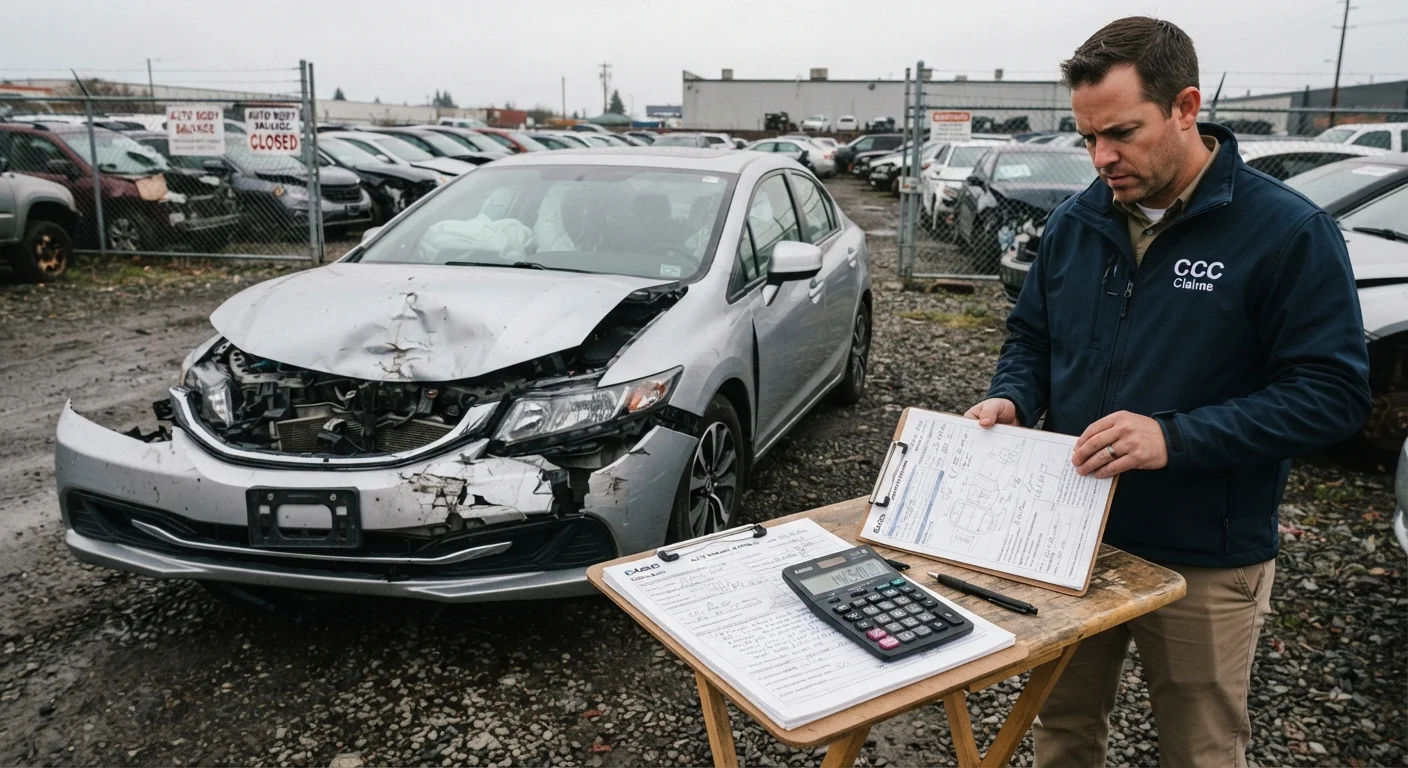
'Full coverage' generally describes a policy that bundles liability, collision, and comprehensive coverage. Collision pays for damage from an accident you're in; comprehensive covers non-collision events like theft, hail, or hitting an animal. But neither covers mechanical failure, wear and tear, or personal items inside the car. There's also a critical gap when a car is totaled: your insurer pays the car's current market value, which may be less than what you still owe on the loan. Gap insurance exists precisely to fill that difference. For a deeper breakdown, see our guide on what each policy type actually covers.
Myth
Your credit score has nothing to do with your car insurance rate.
Fact
In most U.S. states, insurers are permitted to use a credit-based insurance score as one factor in setting your premium.
Insurers in most states use a credit-based insurance score - not identical to your standard credit score, but derived from similar data - because research cited by the insurance industry links credit history to claim frequency. A lower score can mean a higher premium in states where this practice is allowed. A handful of states, including California, Hawaii, and Massachusetts, prohibit or restrict this practice. If you're working to improve your financial profile broadly, the same habits that help your credit - paying bills on time, keeping debt manageable - may also help your insurance costs over time. The broader topic of credit myths is worth understanding; our article on credit score myths covers related misconceptions.
Myth
You should always file an insurance claim after any accident, no matter how minor.
Fact
Filing a claim for a small loss can trigger a premium increase that costs more over time than simply paying the repair yourself.
Insurers track your claims history, and multiple claims within a short window - even not-at-fault ones in some cases - can lead to a higher renewal premium or even policy non-renewal. Before filing, compare the repair estimate against your deductible and consider the potential rate impact. If the damage is minor and the cost is close to your deductible, paying out of pocket may be the smarter financial move. That said, always document the incident thoroughly in case the situation changes - especially if another driver is involved. Our guide on navigating the claims process walks through how to make that judgment call.
Myth
The minimum liability coverage required by your state is enough protection for most drivers.
Fact
State minimums are legal floors, not recommended coverage levels - they often fall short in a serious accident.
State-mandated minimums vary widely, but they generally represent the least coverage a driver can legally carry, not a realistic assessment of accident costs. A multi-vehicle collision with injuries can generate medical and repair bills that far exceed typical minimum limits. Once the policy limit is exhausted, you may be personally liable for the remainder. Selecting liability limits that reflect your assets and your realistic exposure is worth discussing with a licensed insurance professional. Auto insurance is just one piece of the broader cost picture - see the full cost of car ownership for context on where insurance fits.
Myth
Comprehensive coverage protects you in all types of collisions with other vehicles.
Fact
Comprehensive covers non-collision events; collision coverage is what pays for damage from hitting another car or object.
The names are counterintuitive for many drivers. Comprehensive handles events outside your control - theft, vandalism, flooding, fire, falling objects, and animal strikes. Collision covers damage resulting from your car hitting another vehicle or a stationary object, regardless of fault. They work differently, carry separate deductibles, and serve distinct purposes. Knowing which is which helps you make a smarter decision about what to carry. Our article on comprehensive vs. collision coverage explains how to weigh the two against your situation.
Minimum Coverage May Leave You Exposed
Every state sets a legal floor for liability insurance, but those minimums are often well below what a serious accident actually costs. Medical bills and vehicle repairs can quickly exceed state minimums, leaving you personally responsible for the difference. Review your liability limits carefully and consider whether they reflect realistic risk. A licensed insurance agent can help you evaluate whether your current limits make sense for your situation.
This article is for general informational purposes only and does not constitute insurance or financial advice. Policy terms, state regulations, and pricing factors vary. Consult a licensed insurance professional for guidance specific to your situation.
What to Do With This Information
Correcting a misconception is only useful if it leads to action. A few practical steps worth considering:
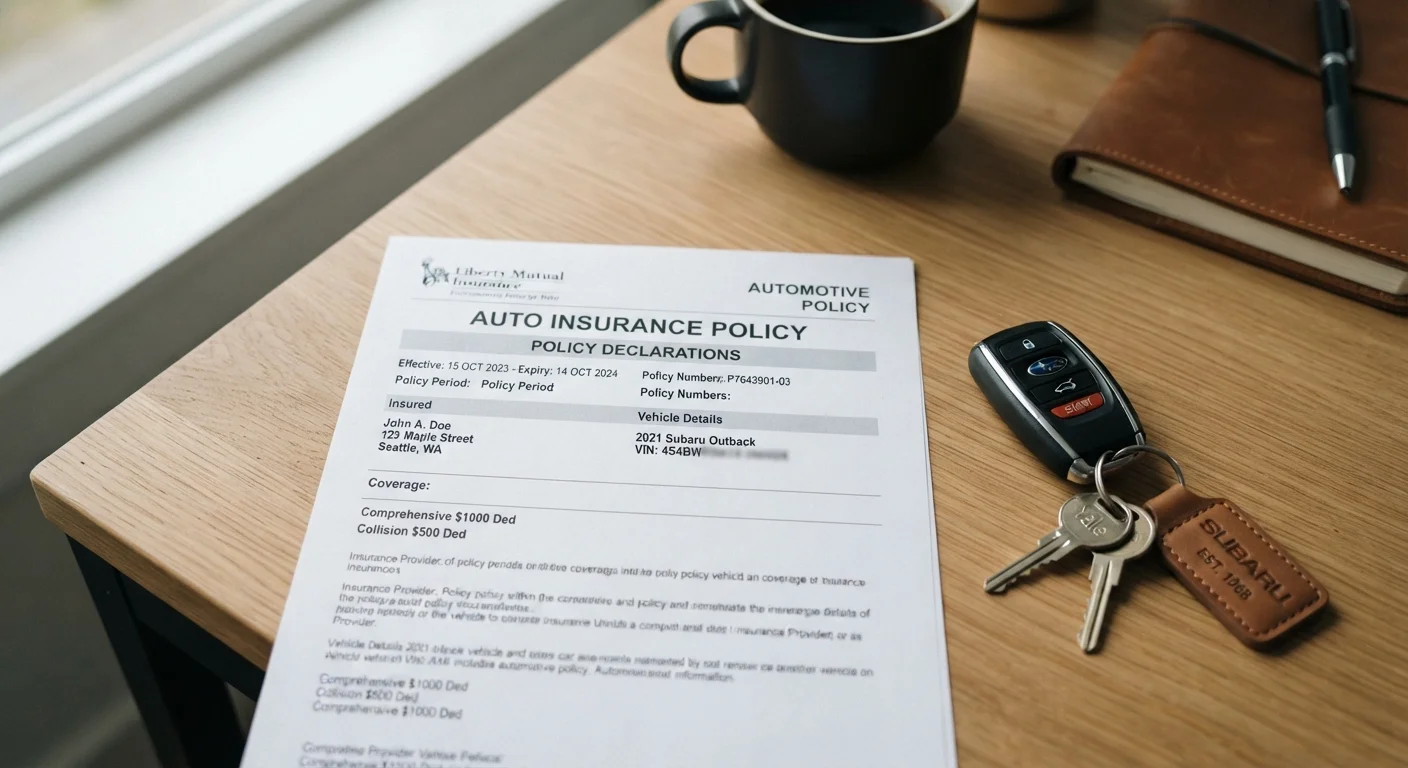
- Pull out your declarations page. This one-page summary of your policy tells you exactly what you carry, your limits, and your deductibles. Compare it against what you thought you had.
- Check your liability limits. If they're at state minimums, ask a licensed agent whether those limits realistically protect your assets.
- Ask about your deductible before you file. For small repairs, run the math before submitting a claim.
- Look up your state's rules on credit-based scoring. If you're in a state that allows it, improving your credit profile over time may gradually affect your premium.
Don't Assume 'Full Coverage' Means Everything
The phrase 'full coverage' has no official definition in insurance - it's informal shorthand that typically refers to a combination of liability, collision, and comprehensive coverage. It does not cover mechanical breakdowns, personal belongings stolen from your car, or amounts you owe on a loan beyond your car's actual cash value. Always read your policy's declarations page to understand exactly what is and isn't covered.
Insurance is a major line item in the actual cost of car ownership. For a grounded look at all the expenses involved, see owning a car on a budget. And if you want to understand the difference between coverage types before your next renewal, this breakdown of comprehensive vs. collision is a good starting point.