
What You Need Before You Start
Filing a claim goes much faster when you're already organized. Before an accident ever happens, it's worth spending five minutes making sure your insurance card is current, you know where your policy documents are, and you understand the basics of what you're covered for. If you're uncertain what your policy actually includes, reviewing your coverage types first will help you know what to expect from this process.
What you will need
Smartphone with camera
Photograph vehicle damage, the accident scene, and other driver's insurance and license information.
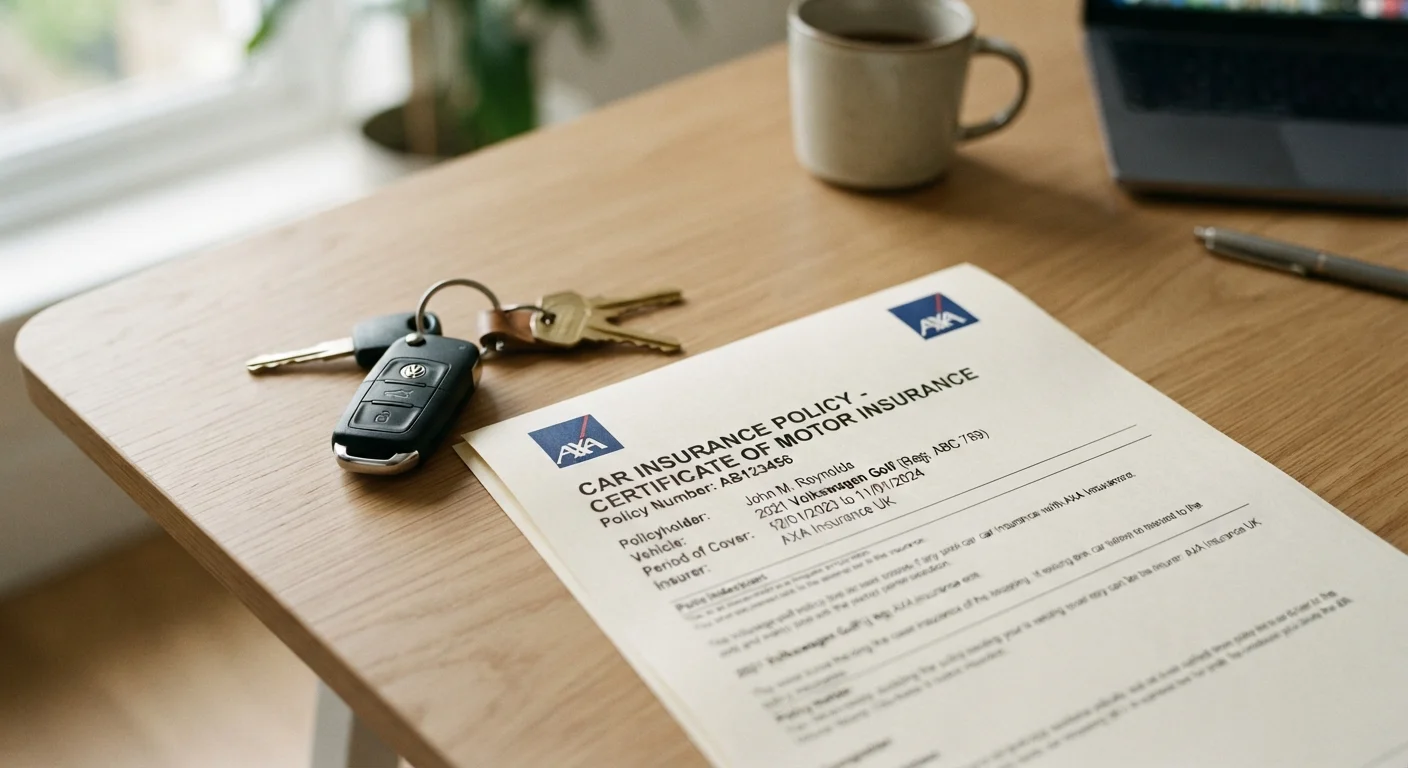
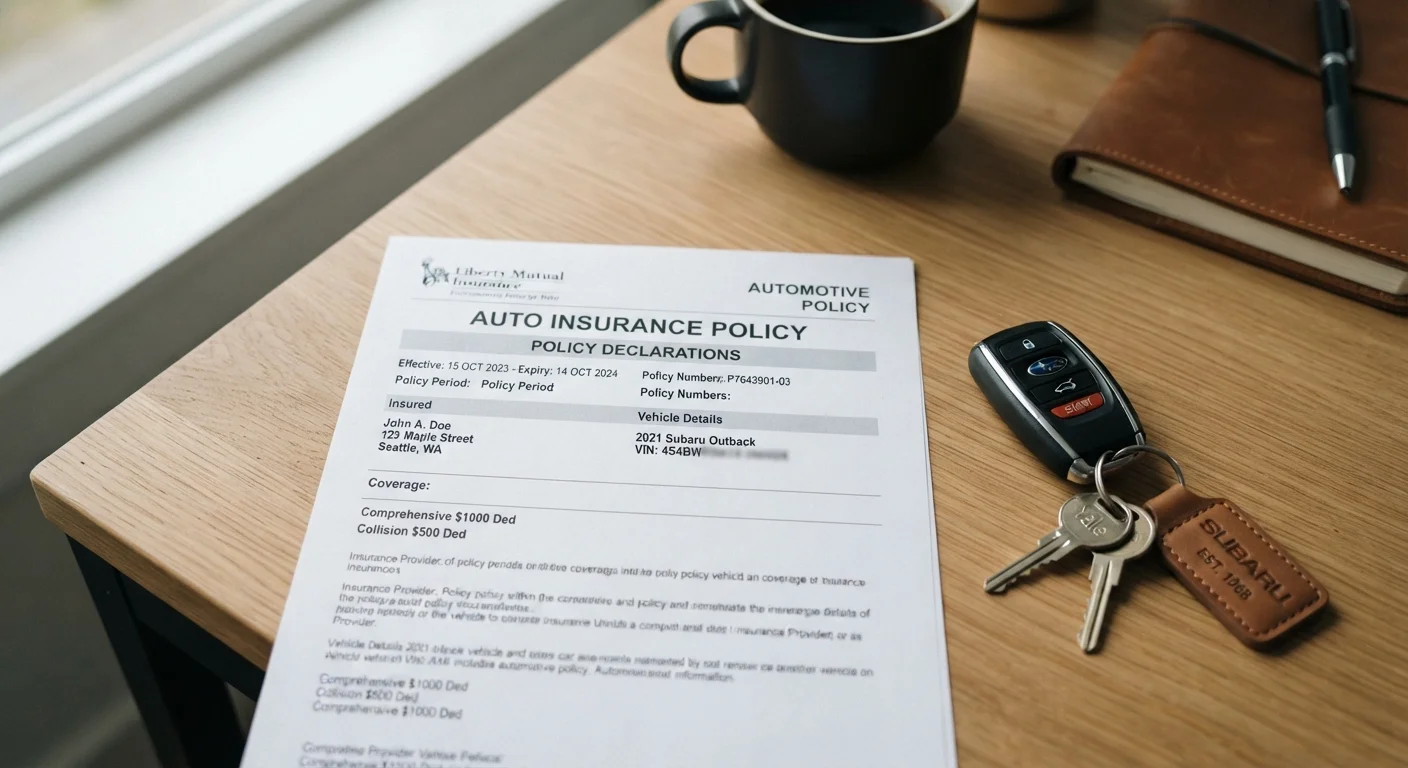
Insurance card or policy documents
Provides your policy number, coverage details, and insurer contact information needed to file.
Notepad or notes app
Record witness names, contact details, and a written account of what happened while it's fresh.
Police report number
Your insurer will typically request the report number from any accident involving another vehicle or injuries.
How the Claims Process Works, Step by Step
Most people file only one or two insurance claims in their lifetime, which means the process can feel unfamiliar when it happens. The good news is that it follows a clear sequence once you know what each stage involves. Work through the steps below in order - skipping ahead, especially on documentation, tends to create problems later.
Never Admit Fault at the Scene
Even a casual "I'm sorry" can be interpreted as an admission of liability and may affect your claim. Stick to exchanging information and let your insurer and the relevant authorities determine fault based on the evidence.
Make sure everyone is safe and call 911 if needed
Before anything else, check whether anyone is injured. If there are injuries or significant road hazards, call 911 immediately. Even for minor accidents, calling the police is often a good idea - a police report gives your insurer an independent account of what happened and can protect you if the other driver's story changes later.
Document everything at the scene
Take clear photos of all vehicle damage, the positions of the cars, road conditions, traffic signs, and any visible skid marks. Photograph the other driver's license, license plate, and insurance card. Get the names and phone numbers of any witnesses. Write down the date, time, and location while details are fresh.
Exchange information with the other driver
You need the other driver's full name, contact information, driver's license number, license plate number, and insurance company name and policy number. Provide your own information in return. Do not share your Social Security number or discuss fault, repair costs, or settlement offers at the scene.
Notify your insurer promptly
Call your insurance company or use their mobile app as soon as you can - ideally the same day. Give them a factual account of what happened, using your notes and photos as reference. Your insurer will open a claim file and assign you a claim number. Keep this number - you'll use it for every follow-up communication.
Work with the claims adjuster
Your insurer will assign a claims adjuster - someone whose job is to evaluate the damage and determine what the policy covers. They may inspect your vehicle in person or ask you to submit photos. The adjuster will estimate repair costs and, if another party is at fault, coordinate with their insurer. Ask questions freely; you're entitled to understand each step.
Review the settlement offer carefully
Once the adjuster completes their assessment, you'll receive a settlement offer - the amount your insurer is willing to pay for repairs or, if your vehicle is totaled, its actual cash value. Review it against your own repair estimates and documentation. If the offer seems too low, you can negotiate or request an appraisal process. Check your policy for the formal dispute options available to you.
Keep a Claims-Ready Kit in Your Glove Box
Store a printed copy of your insurance card, a brief checklist of what to document at an accident scene, and a small notepad. When stress is high, having a simple reference to follow keeps you from forgetting important steps.
Common Mistakes That Slow Claims Down
Even straightforward claims get delayed when key information is missing. The most frequent issues: not taking enough photos at the scene, waiting too long to report the accident, and providing inconsistent accounts at different points in the process. Write down your recollection of events on the same day - memory fades quickly after stressful situations.
Missing the Reporting Deadline Can Hurt You
Most insurers require you to report an accident within a set timeframe - sometimes as short as 24 to 72 hours. Check your policy for the exact window. Waiting too long can give your insurer grounds to deny the claim entirely.
It's also worth knowing that the claims experience can differ from what you might expect based on common assumptions. Several widespread auto insurance myths lead drivers to make avoidable missteps, such as assuming full coverage means no out-of-pocket costs or that filing one claim will automatically raise premiums.
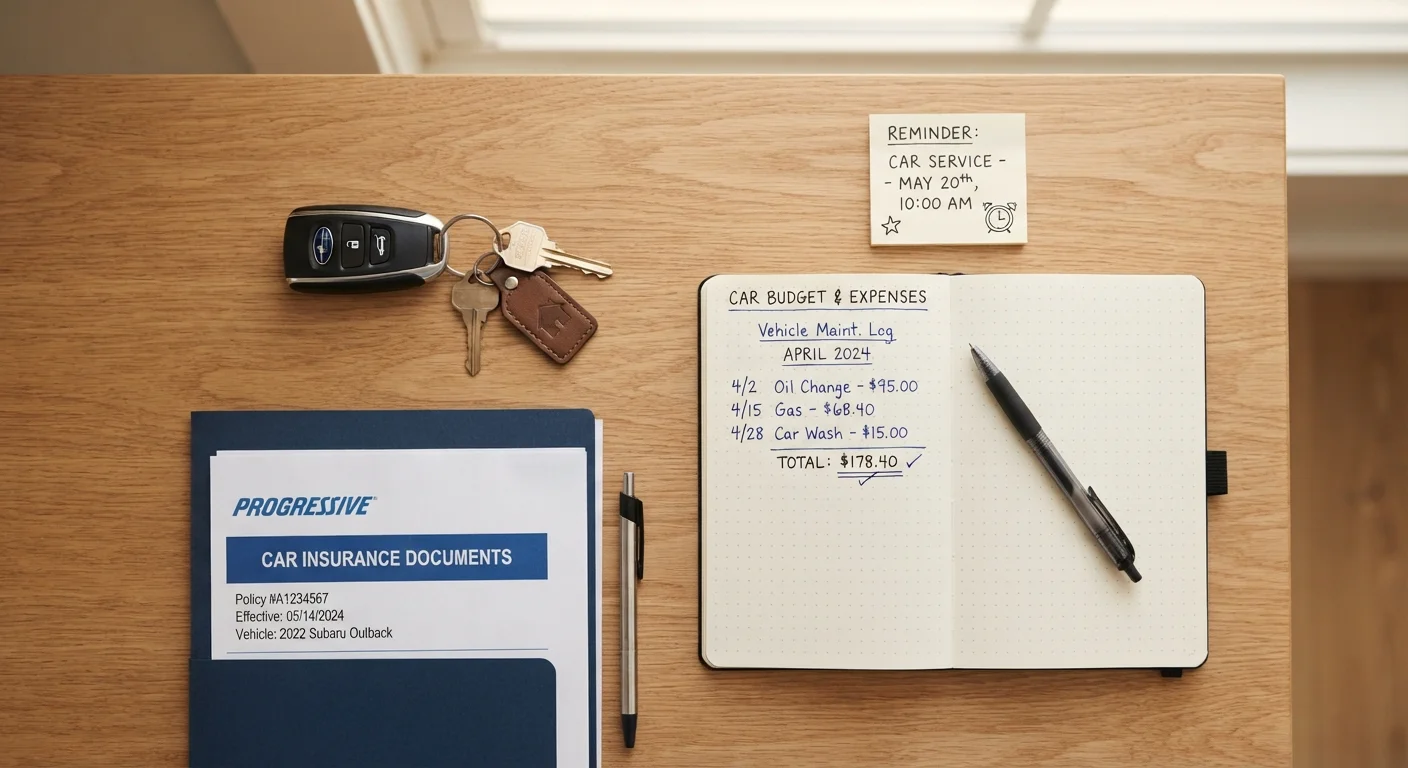
Once your claim is resolved, use what you learned to revisit your broader approach to car ownership costs. Managing the financial side of car ownership well means staying ahead of renewals, knowing your deductibles, and keeping records - habits that make the next unexpected event easier to handle. Insurance claims and warranty claims share one thing in common: preparation before you need them is the best thing you can do.
This article is for general informational purposes only and does not constitute legal, financial, or insurance advice. Policy terms, coverage, and procedures vary by insurer and state. Consult your insurer or a licensed professional for guidance specific to your situation.