Why the Time of Day Changes Everything
Most drivers think of nighttime as just daytime with the lights on. In practice, it's a different operating environment. The National Highway Traffic Safety Administration (NHTSA) has consistently reported that fatal crash rates per mile driven are notably higher at night than during the day, even though traffic volumes drop. That gap isn't random - it reflects specific, predictable changes in visibility, driver alertness, and road-user behavior.
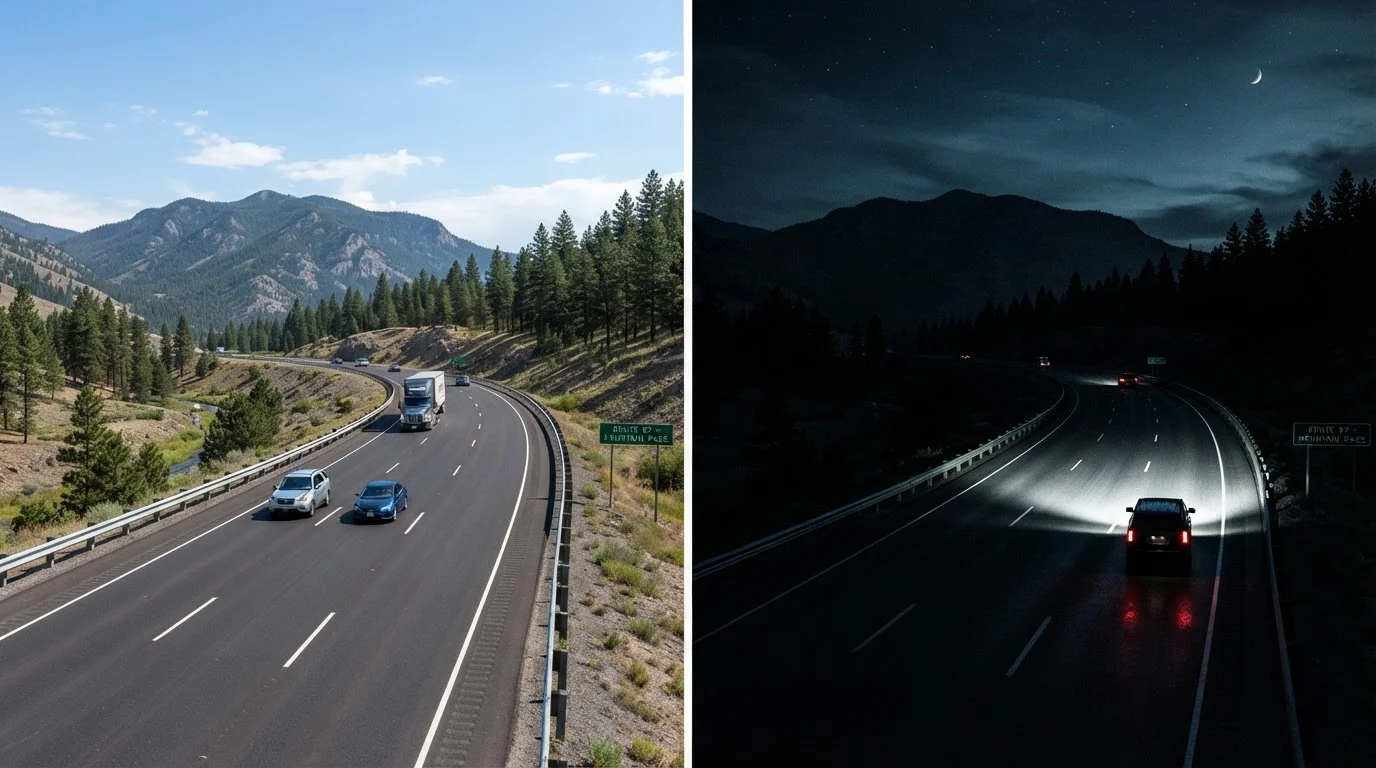
Daytime driving gives you access to your full visual field, natural depth perception, and the ability to read peripheral movement. Night driving limits your useful sight distance to roughly the reach of your headlights - typically 160 to 250 feet on low beams. At 60 mph, a car travels about 88 feet per second, which means your reaction window shrinks dramatically after dark.
For a broader look at all the habits that shape your safety behind the wheel, see this overview of safe driving skills from learner to long-haul.
| Criterion | Daytime Driving | Night Driving |
|---|---|---|
| Visibility range | Full, natural light | Limited to headlight reach (~250 ft) |
| Traffic volume | Higher overall | Lower, but riskier per mile |
| Fatal crash rate per mile | Lower | Significantly higher |
| Primary hazard type | Distraction, complacency | Reduced visibility, fatigue |
| Pedestrian/wildlife risk | Moderate | Much higher |
| Driver fatigue factor | Lower (unless long trip) | High (circadian rhythm) |
| Recommended following distance | 3 seconds minimum | 4-5 seconds minimum |
The Core Hazards of Each Condition
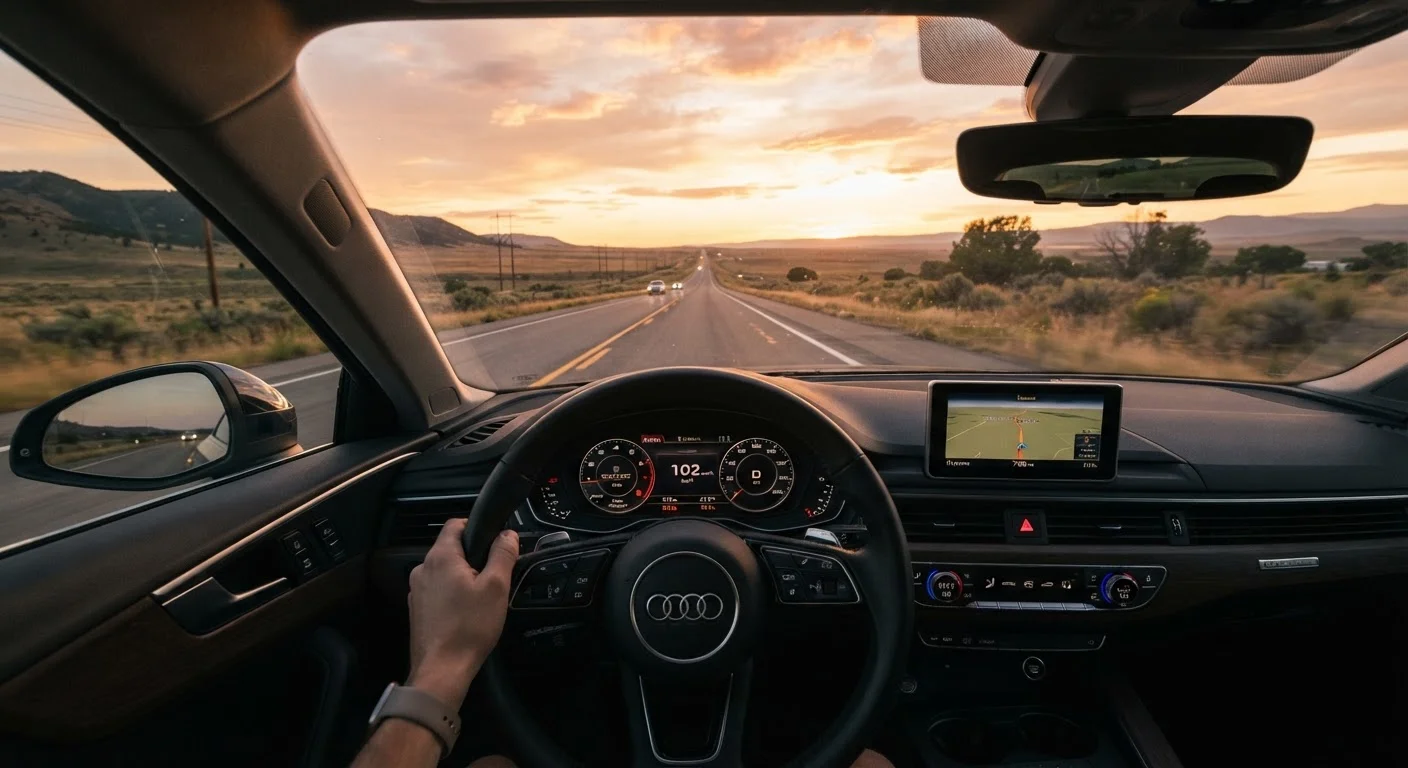
Daytime hazards tend to center on complacency. Familiarity breeds inattention - drivers check phones, eat, adjust the radio, and generally underestimate risk because conditions feel normal. Glare from a low sun during morning and evening commutes can be temporarily blinding. Heavier traffic also means more chances for lane-change conflicts and rear-end collisions, particularly on congested highways.
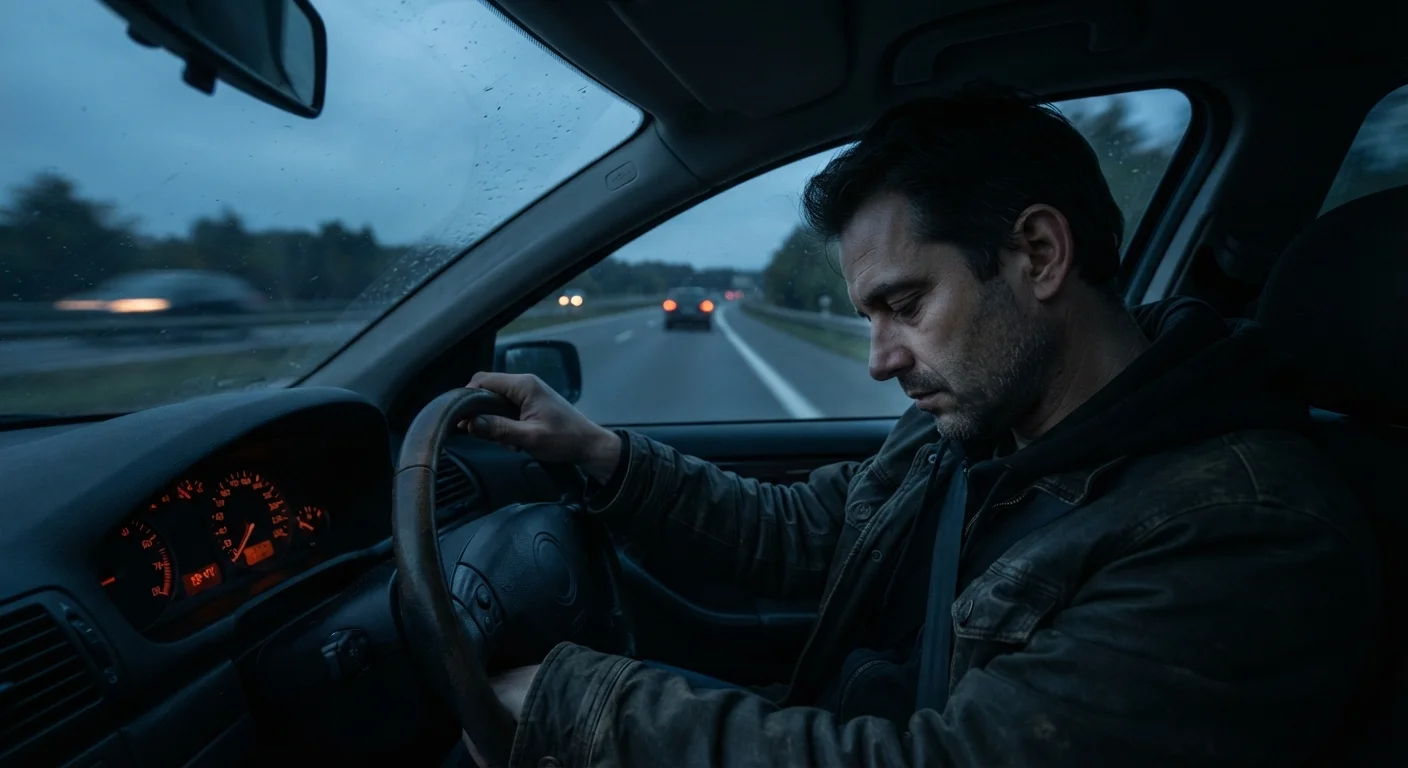
Night hazards are more physiological. Human eyes are not optimized for low-light driving: contrast sensitivity drops, depth perception becomes less reliable, and color recognition suffers. Oncoming headlight glare can cause temporary vision loss lasting several seconds. Fatigue compounds all of this - the body's natural circadian rhythm drives sleepiness in the late evening and pre-dawn hours, which is precisely when many long-distance and shift-worker drivers are on the road. Fatigue impairs reaction time in ways that parallel alcohol, and it's far more common than most drivers admit.
Wildlife crossing is another night-specific hazard. Deer, for example, are most active at dusk and dawn and are nearly invisible until they're in your headlights. Pedestrian visibility also drops sharply - dark clothing at night can reduce a pedestrian's detectability distance to under 50 feet under low-beam headlights.
~50%
Of fatal crashes that occur at night
NHTSA data consistently shows roughly half of all traffic fatalities occur in darkness despite far lower nighttime traffic volumes.
3×
Higher fatality rate per mile at night vs. day
Studies from the AAA Foundation for Traffic Safety indicate the nighttime fatality rate per mile driven is approximately three times higher than during daylight hours.
~50 ft
Detection distance for dark-clothed pedestrian
Research on headlight performance suggests a pedestrian wearing dark clothing may not be visible until they are fewer than 50 feet away under standard low-beam headlights.
Practical Adjustments That Actually Help
The good news is that both daytime and night driving risks respond to concrete behavioral changes. For daytime, the biggest gains come from eliminating distraction and managing following distance - something most drivers underestimate when it comes to stopping distance.
For night driving, the key adjustments are:
- Slow down relative to your headlight range. Your stopping distance should always fall within your sight distance. If you can only see 200 feet ahead, you need to be traveling at a speed where you can stop in 200 feet.
- Use high beams when appropriate. On unlit rural roads with no oncoming traffic, high beams roughly double your visibility range. Switch to low beams when you see oncoming headlights.
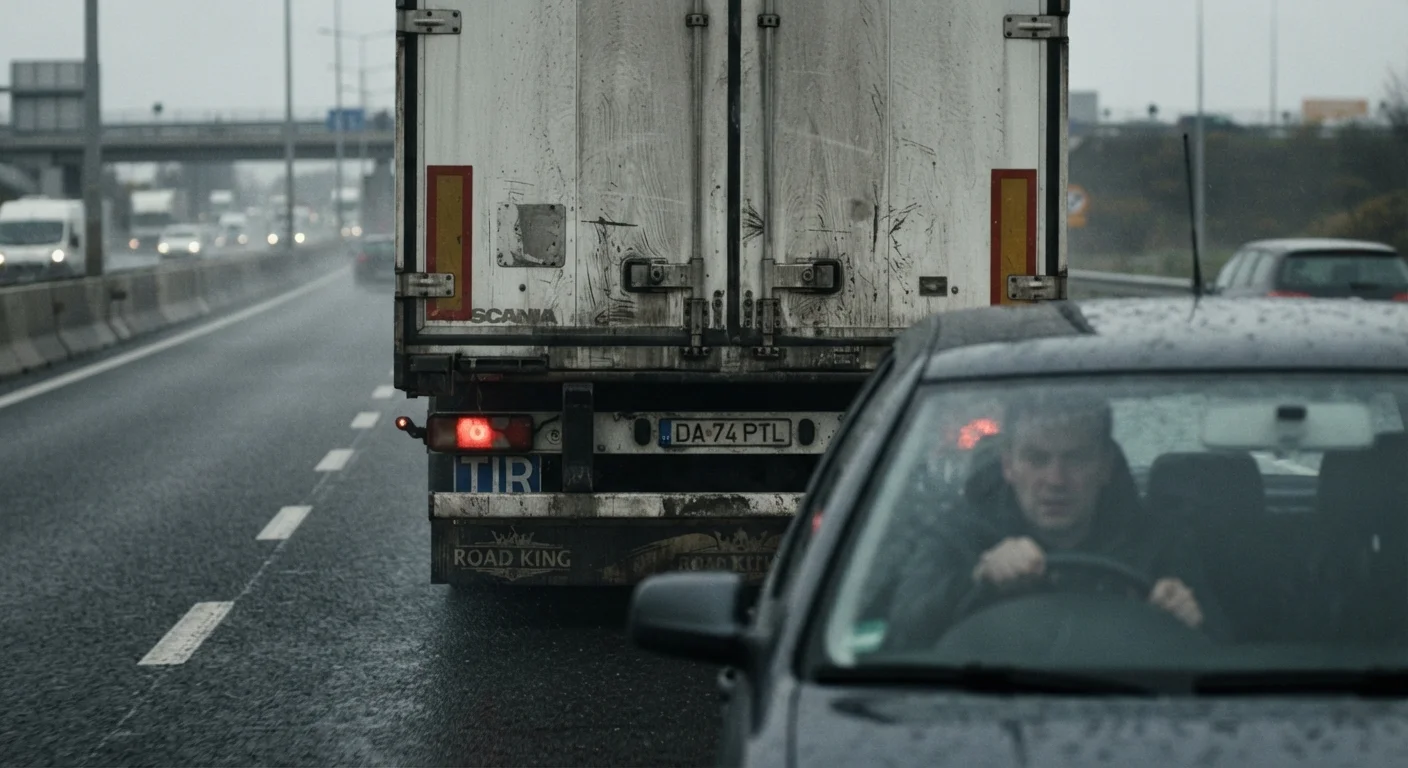
- Increase following distance. The standard three-second rule should extend to at least four or five seconds after dark, when reaction time is slower and road surfaces harder to read.
- Keep your windshield and headlights clean. Interior fogging and dirty glass scatter light significantly, worsening glare and reducing clarity.
- Recognize fatigue early. Yawning repeatedly, drifting between lanes, or missing exits are warning signs that require you to stop - not just open the window.
Bad weather compounds night hazards further. If rain or fog is involved alongside darkness, see how to adapt your driving when conditions turn against you for specific guidance.
Gradual Habit Drift Is a Real Risk
Drivers who regularly drive at night can develop a false sense of security over time, quietly relaxing the extra caution the conditions demand. This kind of gradual habit erosion affects both day and night drivers. If you're curious about which habits tend to drift without drivers noticing, this look at habits that quietly make drivers less safe is worth reading.