Why Our Instincts About Stopping Are Often Wrong
Most drivers develop their sense of stopping distances through experience - and experience can be a misleading teacher. On dry roads with light traffic, braking feels predictable and forgiving. But the physics of stopping a car at speed are far less forgiving than everyday driving makes them seem.
The core issue is that we tend to think of speed and stopping as a straight-line relationship: go twice as fast, need twice the room to stop. That's not how it works. The relationship is exponential, not linear, and understanding that one fact changes how you should think about following distances, speed limits, and driving in poor conditions.
Myth
If I'm driving at the speed limit, I'll always have enough room to stop safely.
Fact
Speed limits define the legal maximum for ideal conditions, not a guaranteed safe speed in every situation.
Speed limits are set based on road design, typical traffic patterns, and normal weather conditions. They are not a promise that you can stop in time for every hazard. Debris in the road, a child running out from between parked cars, or a sudden slowdown ahead can all require a stop faster than posted limits account for. Driving at or below the limit while also adjusting for actual conditions - traffic density, visibility, road surface - is what safe speed management actually looks like.
Myth
My anti-lock brakes (ABS) will stop my car faster than regular brakes.
Fact
ABS is designed to help you steer during hard braking, not to shorten stopping distance on all surfaces.
Anti-lock braking systems prevent wheel lockup, which is what causes a car to skid and lose steering control. By keeping the wheels rolling, ABS lets you steer around an obstacle even under maximum braking. However, on loose surfaces like gravel or deep snow, ABS can actually result in a slightly longer stopping distance than locked wheels would. The real value of ABS is control, not necessarily shorter stops. Don't let confidence in your ABS encourage following distances that leave no margin for error.
Myth
Reaction time only adds a foot or two to your stopping distance.
Fact
At 60 mph, a one-second reaction time adds roughly 88 feet to your stopping distance before you even touch the brakes.
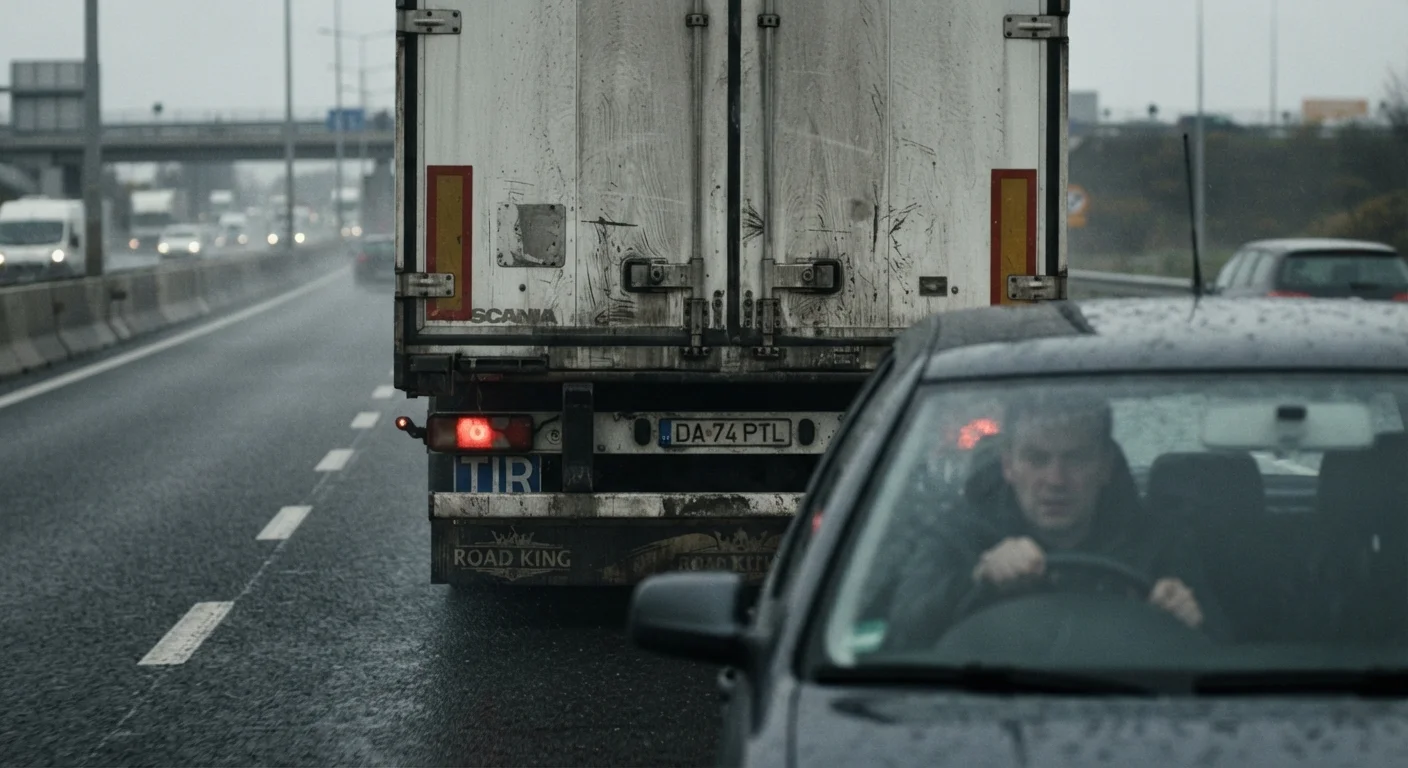
A car traveling at 60 mph covers about 88 feet every second. The average driver reaction time - from seeing a hazard to the moment the foot hits the brake pedal - is generally estimated between 1.5 and 2.5 seconds under normal, alert conditions. That means your car may travel 130 to 220 feet before braking even begins. Fatigue, distraction, or impairment stretches that window further. This is why tailgating is so dangerous - the gap closes faster than most drivers expect.
Myth
Doubling your speed doubles your stopping distance.
Fact
Doubling your speed roughly quadruples the stopping distance, because kinetic energy increases with the square of velocity.
This is pure physics. Kinetic energy - the energy a moving object carries - is proportional to the square of its speed. A car at 60 mph carries approximately four times the kinetic energy of the same car at 30 mph, and the brakes must absorb all of that energy to bring the vehicle to a stop. This is why even a modest speed increase in a school zone or residential area has a disproportionately large effect on your ability to stop in time.
Myth
Wet roads only make stopping distances slightly longer.
Fact
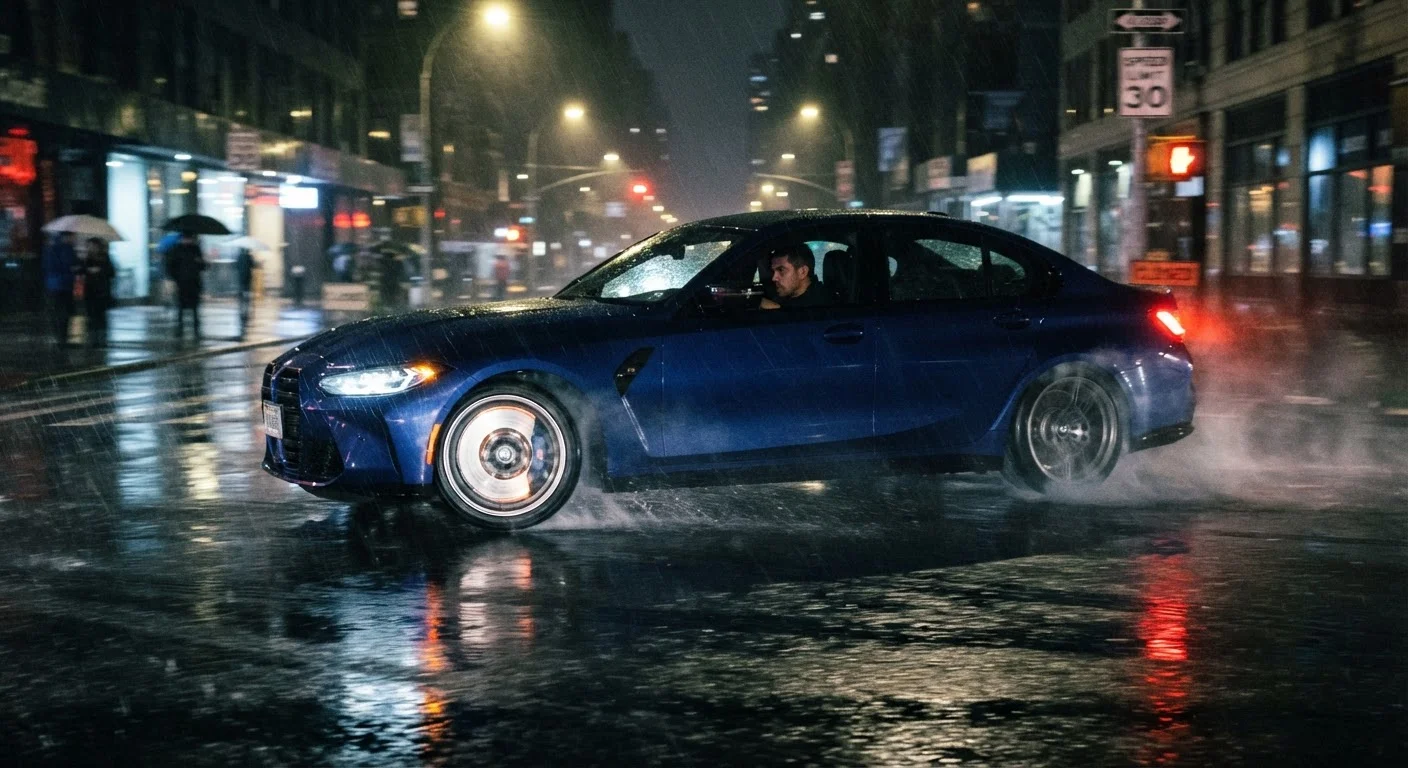
Wet roads can double your stopping distance compared to dry pavement; ice can increase it by four times or more.
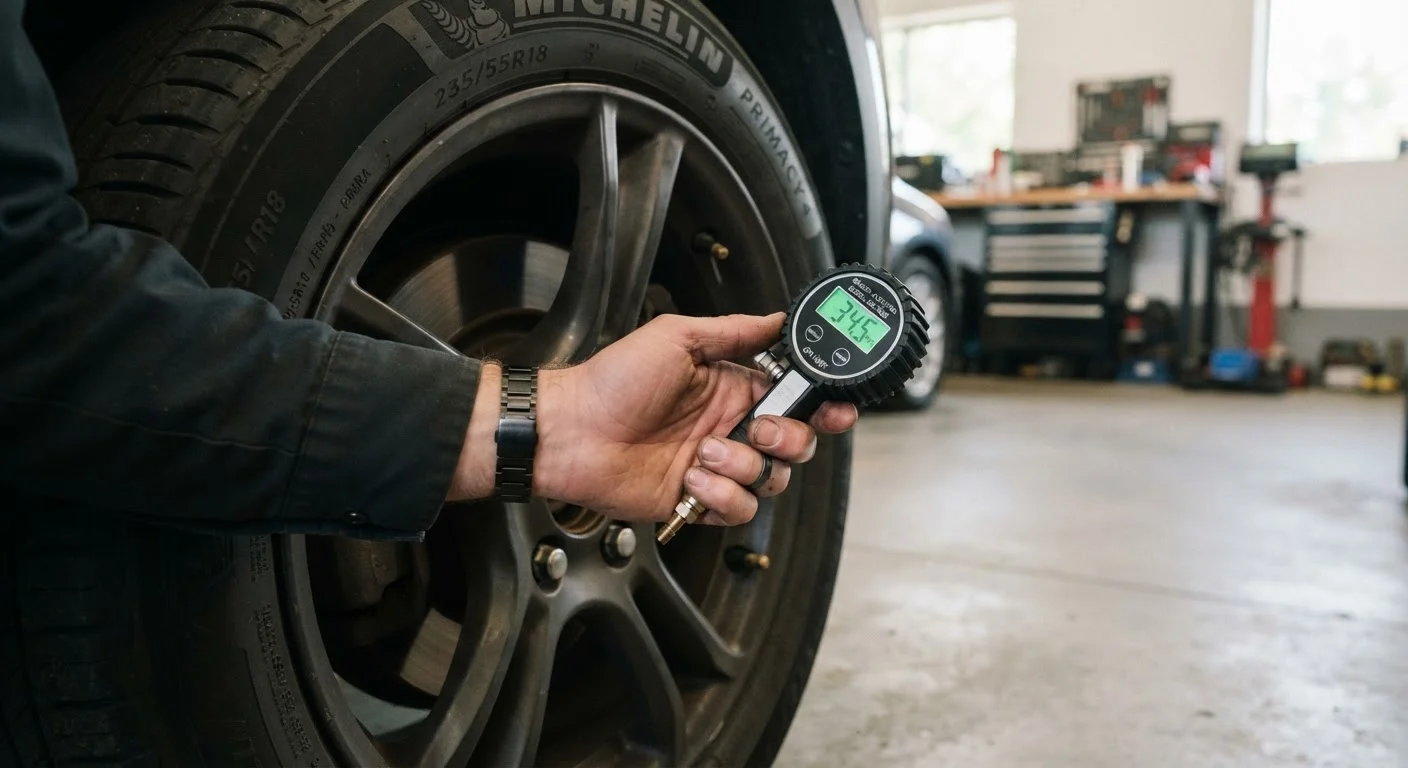
Water reduces the friction between your tires and the road surface. Worn tires make this significantly worse, since tread depth is what channels water away from the contact patch. On ice, the coefficient of friction drops dramatically, and even relatively slow speeds can result in stopping distances that feel shocking in the moment. Tyre pressure and tread condition both affect how well your tires grip in wet conditions - another reason routine maintenance matters beyond just fuel economy.
Myth
Experienced drivers have faster reaction times than beginners.
Fact
Experience improves hazard awareness, but physiological reaction time changes relatively little with driving experience alone.
Veteran drivers often anticipate hazards sooner because they've learned to read traffic patterns, road environments, and other drivers' behavior. That anticipation is valuable - it effectively gives them more time before a hard braking event is even necessary. But the raw mechanical reaction time (eye sees hazard → brain signals foot → foot moves to brake) doesn't shorten much with practice. Fatigue, age, and distraction affect everyone. Experienced drivers who develop complacent habits over time can actually perform worse under pressure than alert beginners.
What These Facts Mean for How You Drive
Correcting these myths isn't just an academic exercise - each one has a direct application behind the wheel.
~4x
Stopping distance increase when speed doubles
Kinetic energy scales with the square of velocity, meaning small speed increases have outsized effects on braking distance.
88 ft
Distance traveled per second at 60 mph
This figure illustrates how much ground a car covers during a typical 1-second driver reaction time before braking begins.
2x-4x
Stopping distance increase on wet or icy roads
Reduced road friction from rain or ice can dramatically extend stopping distances beyond dry-pavement estimates.
The most practical change most drivers can make is to increase following distance, particularly at highway speeds and in bad weather. The commonly cited two-second rule is a minimum for ideal conditions; many driving safety organizations suggest three to four seconds as a more realistic buffer in normal traffic. In rain or reduced visibility, more is better.
Conditions Change Everything
The stopping distances cited in driver handbooks assume dry, well-maintained asphalt and alert, rested drivers. Rain, snow, ice, worn tires, and driver fatigue can each significantly increase the distance required to stop. Never treat a posted speed limit as a reliable safe speed when conditions are poor - slow down and increase following distance accordingly.
Speed limits, braking ability, and road conditions are all pieces of the same puzzle. Understanding how they interact - rather than treating them as independent variables - is what separates cautious drivers from simply slow ones. For a deeper look at how following distance specifically affects crash risk, see our article on why tailgating is more dangerous than most drivers realise.
Speed and Stopping Are Not Linear
The physics of braking means that a car traveling at 60 mph does not stop in twice the distance of one traveling at 30 mph - it stops in roughly four times the distance. This relationship, governed by kinetic energy, is one of the most important and least understood facts in road safety. Getting this wrong is not just a math error; it directly affects the gap you leave between vehicles.