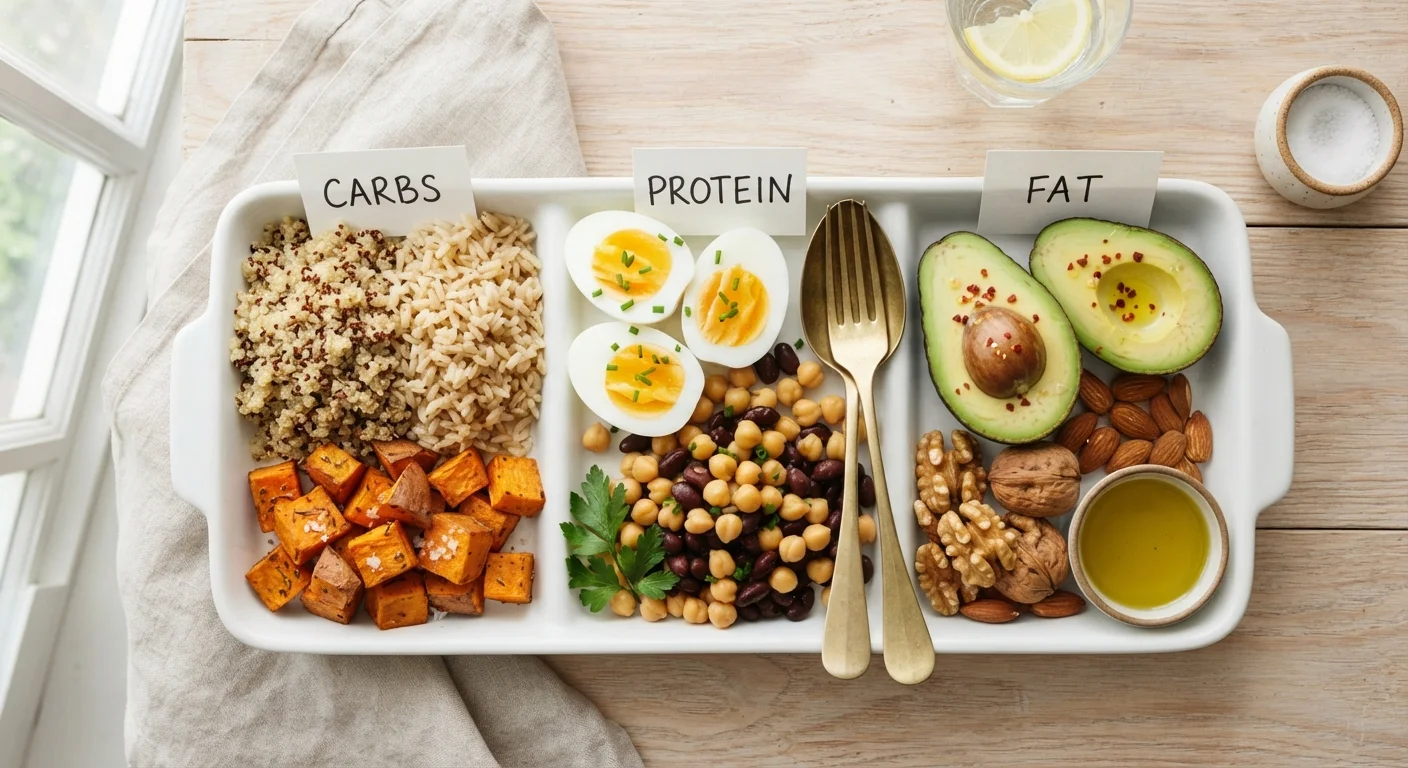

Why Nutrition Myths Are So Hard to Shake
Nutrition advice surrounds us - on social media feeds, cereal boxes, and well-meaning family dinner tables. The problem is that a lot of it is decades out of date, oversimplified, or simply untrue. Even when researchers publish corrections, the original myths travel faster and stick harder.
Understanding why these myths persist is half the battle. Many took root during a period when nutritional science was still young, when single-nutrient studies were extrapolated into sweeping dietary rules. Others survive because they contain a grain of truth that gets exaggerated over time. A few are actively promoted because they sell products.
The good news: the core principles of healthy eating are more straightforward than the noise suggests. Once you clear away the myths, a practical path forward becomes much easier to see. If you want to explore evidence-backed ways to eat, our guide on eating patterns that make nutritional sense is a helpful starting point.
Myth
Carbs make you fat, so cutting them out is the best path to a healthy weight.
Fact
Carbohydrates as a food group are not uniquely fattening. Overall calorie balance, food quality, and individual context matter far more.
The idea that carbohydrates cause weight gain became widespread in the 1990s and 2000s, driven largely by popular low-carb diets. While reducing refined carbohydrates (white bread, sugary drinks, pastries) is generally supported by evidence, the same does not apply to all carbohydrates. Whole grains, legumes, fruits, and vegetables are carbohydrate-rich and consistently associated with positive health outcomes in research. The body uses carbohydrates as its primary energy source, and eliminating them entirely can make a balanced diet harder to sustain long-term.
Myth
Detox diets and cleanses help your liver and kidneys flush out toxins.
Fact
Your liver and kidneys continuously filter waste products - no juice cleanse or detox protocol meaningfully assists or accelerates that process.
The term "detox" as used in wellness marketing is not a recognized clinical concept. The liver, kidneys, skin, and lungs work around the clock to process and eliminate metabolic waste - and they do this independently of any specific food or drink protocol. There is no credible clinical evidence that commercial detox programs remove toxins more effectively than a body functioning normally. Staying hydrated, limiting alcohol, and eating a varied diet of whole foods genuinely supports organ health; expensive cleanses do not add meaningfully to that picture.
Myth
Eating fat makes you fat, so low-fat foods are always the healthier choice.
Fact
Dietary fat is an essential macronutrient. Low-fat food products often replace fat with added sugars, which can be counterproductive.
Fat's bad reputation was largely shaped by flawed early research that conflated different types of fat and ignored the role of overall dietary patterns. Unsaturated fats - found in olive oil, avocados, nuts, and fatty fish - are strongly associated with cardiovascular health. Even saturated fat is now understood to be more nuanced than the blanket guidance of earlier decades suggested. Importantly, when food manufacturers remove fat, they typically add sugar, refined starch, or artificial ingredients to maintain palatability - swapping one concern for another. Reading nutrition labels critically, rather than defaulting to "low-fat" as a marker of quality, is a more reliable approach.
Myth
Eating after 8 p.m. causes weight gain because metabolism slows down at night.
Fact
The body does not have a hard cutoff for calorie processing. Total daily intake and food quality matter far more than the specific timing of meals.
This myth persists partly because late-night eating is often associated with mindless snacking on high-calorie foods - not because of any metabolic clock. Circadian biology does play a role in metabolism, and some research suggests heavy meals very late at night may not be optimal for everyone, but the effect is modest and highly individual. For most people, focusing on what and how much they eat across the full day is considerably more meaningful than worrying about an arbitrary evening cutoff.
Myth
Certain 'superfoods' are so nutritionally powerful they can offset an otherwise poor diet.
Fact
No single food can compensate for an overall dietary pattern that lacks variety, balance, and whole-food variety.
The "superfood" label is a marketing term, not a scientific classification. Foods like blueberries, kale, or chia seeds genuinely contain beneficial compounds, but their value comes from being part of a varied, whole-food diet - not from being consumed in isolation while the rest of the diet remains poor. Research consistently shows that overall dietary patterns predict health outcomes far better than the presence or absence of any individual ingredient. Eating a wide range of vegetables, fruits, legumes, whole grains, and lean proteins delivers more than chasing any single trending food.
What the Evidence Actually Supports
Correcting myths is only useful if it points you somewhere constructive. Across the research, a few patterns hold up consistently: eating a wide variety of whole and minimally processed foods, not cutting out entire macronutrient groups, and paying attention to how food makes you feel over time.
~80%
Adults who believe at least one common nutrition myth
Surveys by the International Food Information Council have found that widespread misinformation continues to shape everyday food decisions in the United States.
Less than 10%
US adults meeting daily fiber intake recommendations
According to data cited by the American Society for Nutrition, most Americans fall well short of recommended daily fiber intake from food sources.
Dietary fat, once the villain of the 1980s and 1990s, is now understood to be essential - different fats have different effects, and the wholesale removal of fat from diets led many people toward high-sugar replacements that caused their own problems. To understand how all three macronutrients actually function together, see Macronutrients Decoded.
Similarly, fibre - found in vegetables, legumes, whole grains, and fruit - has a broader role in health than most people realize, well beyond just digestion. Our explainer on fibre's surprisingly big role in everyday health covers this in detail.
Restrictive Diets Based on Myths Can Backfire
Cutting out entire food groups based on unverified claims - whether that's all carbohydrates, all fats, or all processed foods without distinction - can create nutritional gaps that are difficult to identify without professional support. Extremely restrictive approaches may also make a healthy relationship with food harder to maintain. If you're considering significant changes to how you eat, a registered dietitian can help you build an approach that's grounded in evidence and suited to your individual health context.
If you notice that well-meaning habits might be quietly working against you, it's worth reading about where good nutrition habits actually break down. And if you're fact-checking other areas of your wellness routine, the same myth-busting approach applies to hydration - see hydration myths that may be undermining your health goals.
This article is for general informational and educational purposes only and is not a substitute for personalized medical or dietary advice. Please consult a qualified healthcare professional or registered dietitian for guidance specific to your health needs.