Why Watering Is Harder Than It Looks
For most beginners, watering feels instinctive - plants need water, so you give them water. But too much water is consistently one of the leading causes of plant death at home, often doing more harm than neglect ever would. Understanding the why behind watering decisions transforms guesswork into confident routine.
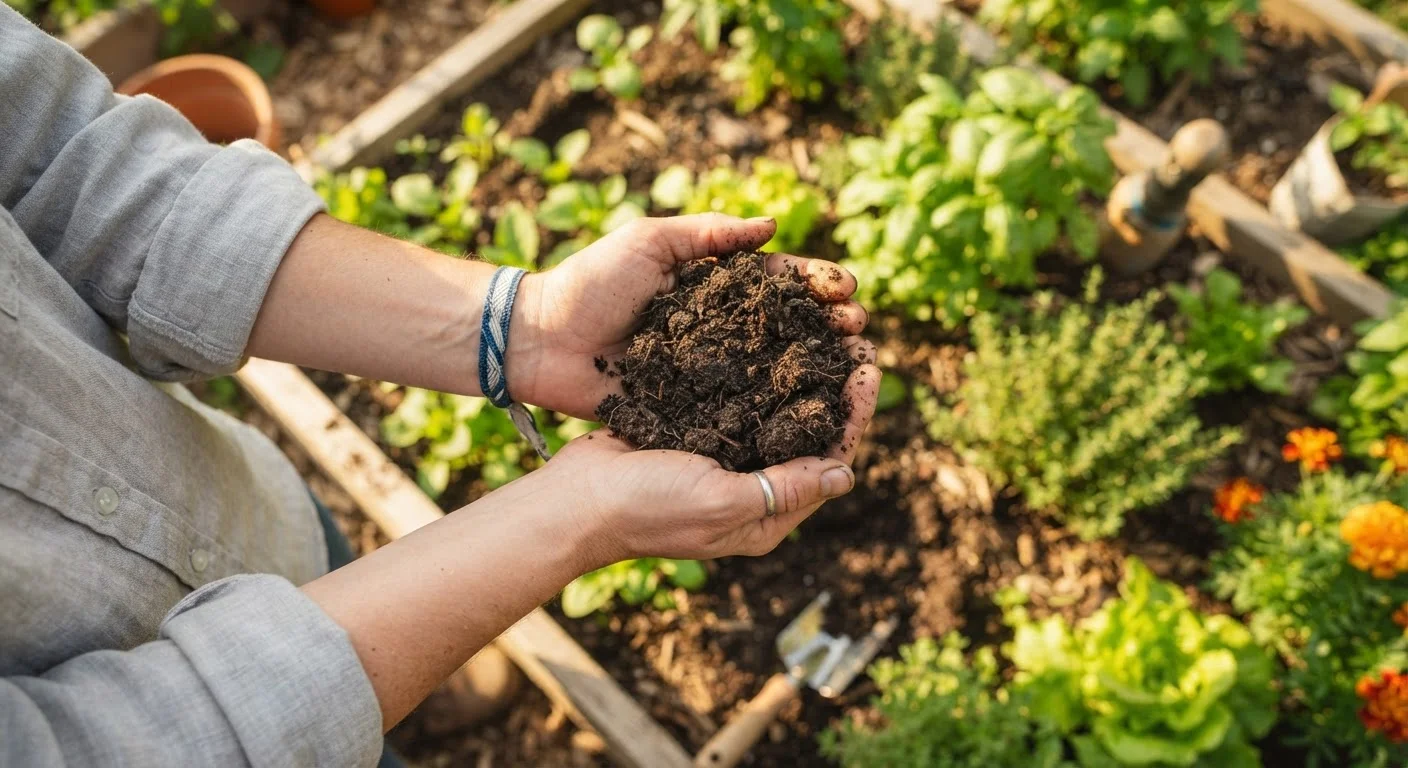
Before you water anything, it helps to understand what's already happening underground. Roots need both moisture and air. Soggy soil cuts off oxygen, causing roots to rot. Bone-dry soil prevents nutrient uptake. The goal is a consistent middle ground - moist but well-drained. See our guide to soil, sun, and water basics for a deeper foundation on how these elements interact.
Every Plant Has Different Needs
Succulents and cacti prefer to dry out almost completely between waterings, while moisture-loving plants like ferns want consistently damp (not wet) soil. When in doubt, look up the specific needs of each plant variety rather than applying a one-size-fits-all schedule. Plant tags or seed packets often include useful baseline guidance.
Best Practices for Watering Plants Correctly
The practices below apply to most garden beds, containers, and houseplants. Adjust for your specific plants and local climate.
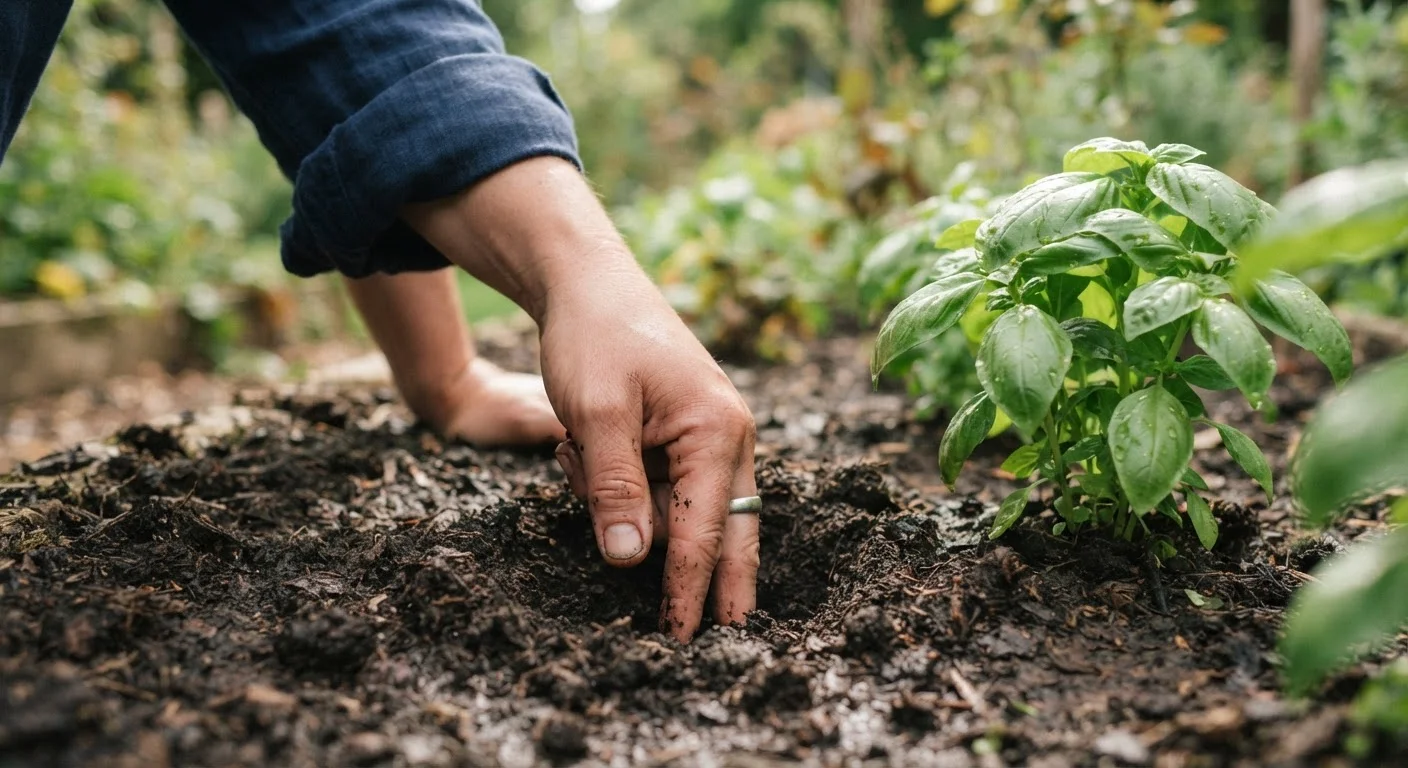
Use the finger test before every watering session
Pushing your finger 1-2 inches into the soil tells you far more than a visual check from above. Most plants in garden beds prefer the top inch to dry out slightly before the next watering. Containers dry faster and may need more frequent checks.
Water deeply and less frequently rather than shallowly every day
Shallow daily watering trains roots to stay near the surface, making plants vulnerable during dry spells. Deep, infrequent watering encourages roots to grow downward where moisture is more stable and consistent.
Water at the base of plants, not over the foliage
Wet leaves, especially overnight, create conditions where fungal diseases like powdery mildew and blight thrive. Directing water to the root zone also reduces evaporation from leaf surfaces.
Time your watering for early morning
Morning watering gives plants moisture as temperatures rise and evaporation begins - maximizing uptake. Any water that does land on leaves has time to dry before nightfall, reducing disease risk.
Match your watering frequency to container size and soil type
Small pots dry out much faster than large ones. Sandy soil drains quickly and needs more frequent watering; clay soil retains moisture longer and can quickly become waterlogged if not monitored.
Reading the Signs Your Plant Is Sending
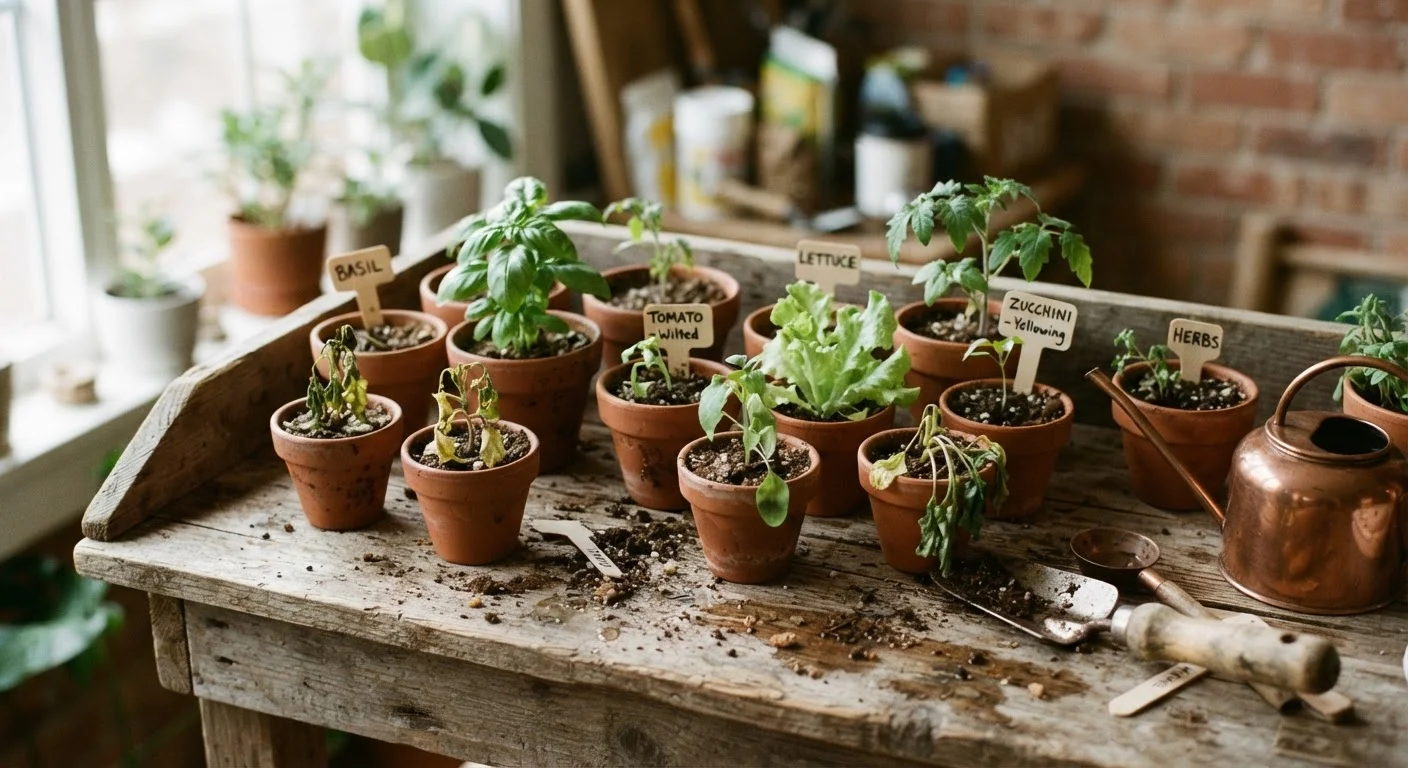
Plants communicate water stress visibly, but the signals are often misread. Yellowing leaves are a classic example - they appear with both overwatering (root rot depriving the plant of nutrients) and underwatering (wilting and cellular collapse). Look at multiple clues together, not just one symptom in isolation.
~90%
Houseplant deaths linked to watering errors
Horticulture educators commonly note that watering mistakes - primarily overwatering - account for the vast majority of preventable houseplant loss.
2x faster
Evaporation rate: midday vs. morning watering
Watering during peak afternoon heat can cause significantly more water loss to evaporation before it reaches plant roots, compared with early morning application.
Signs of overwatering: yellowing lower leaves, mushy stems near the soil line, a sour or musty soil smell, and fungus gnats hovering around the pot. Signs of underwatering: dry, crispy leaf edges, soil pulling away from the sides of the container, drooping that doesn't recover overnight, and lighter-than-usual pot weight. If seedlings are collapsing despite regular watering, our article on why seedlings die after germination covers this pattern in detail.
Quick Wins to Improve Your Watering Routine Today
You don't need new tools or an elaborate system to water better. Small, consistent adjustments make the biggest difference. Also worth reading: common gardening myths that may be quietly shaping how you water without realizing it.