Why Seedlings Die Right After Sprouting
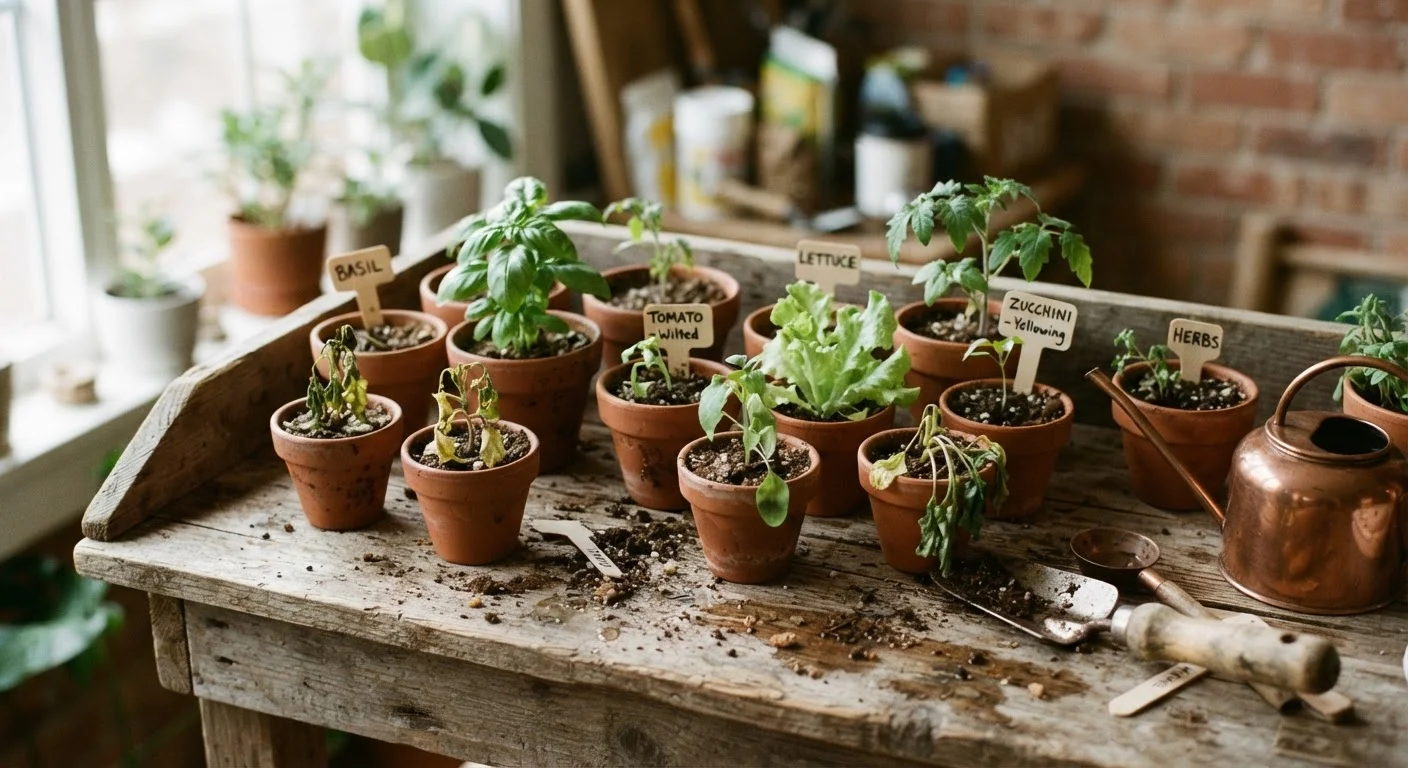
Germination feels like a win - you see those first tiny green shoots and assume the hard part is over. But the stretch between germination and a sturdy transplant-ready seedling is actually the most fragile stage in a plant's early life. Seedlings at this point have minimal root systems, thin stems, and no tolerance for environmental swings.
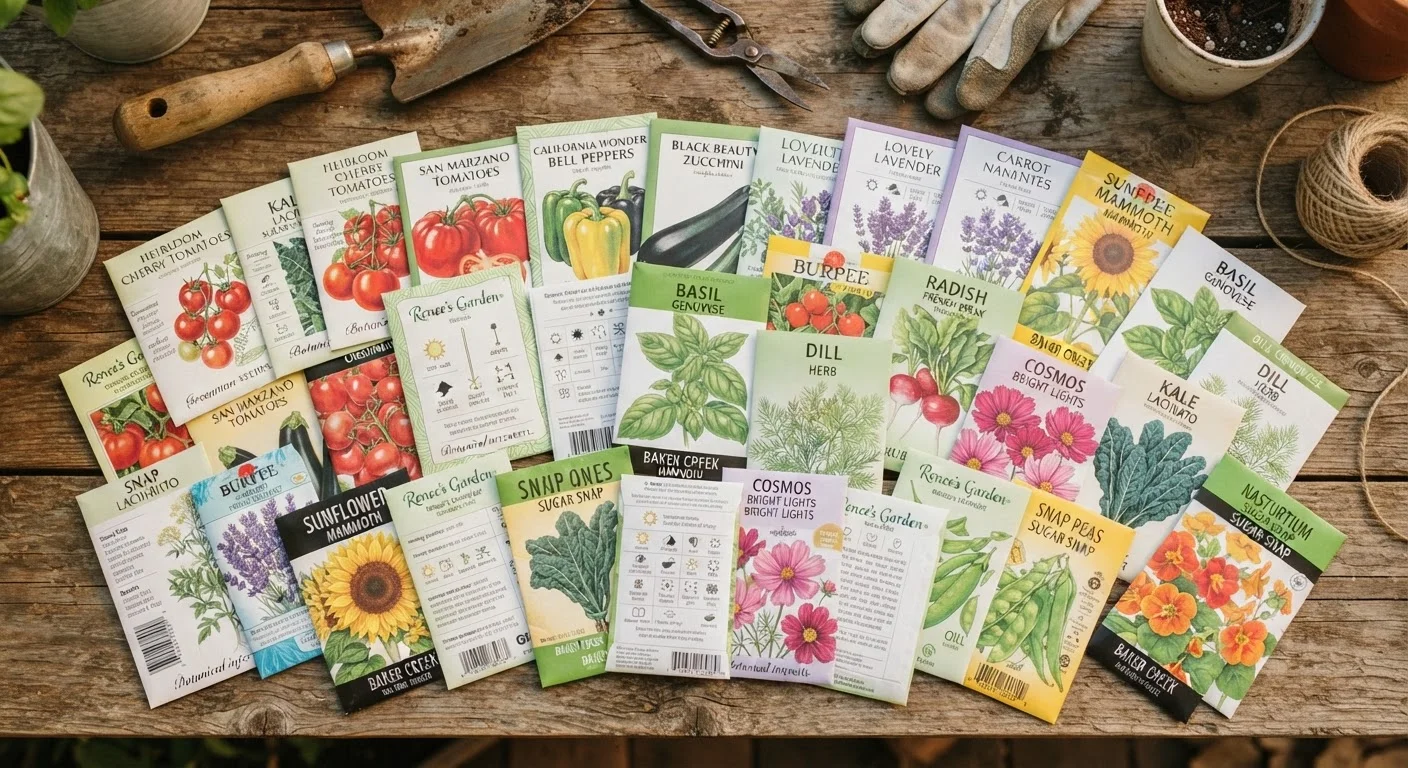
The good news: most seedling deaths follow a short list of predictable patterns. Once you recognize them, they're largely avoidable. Before diving into specific mistakes, it's worth checking your seed packet - it often contains germination and care cues many beginners overlook. See our guide to decoding seed packets for a full breakdown of what those symbols and numbers actually mean.
Overwatering the growing medium.
Why it happens: New gardeners often water on a schedule or whenever soil looks dry on the surface, not realizing that seedling roots need air as much as moisture. Consistently wet soil drives out oxygen and creates anaerobic conditions roots cannot survive.
Starting seeds in garden soil or potting mix instead of a dedicated seed-starting mix.
Why it happens: Garden soil and standard potting mixes seem like logical choices, but they compact easily in small containers, drain poorly, and often carry fungal pathogens that attack vulnerable seedlings.
Providing too little light, resulting in leggy, weak seedlings.
Why it happens: A sunny windowsill sounds adequate, but most indoor windows - even south-facing ones - deliver far less light than seedlings need. Plants compensate by stretching toward any available light source, producing long, fragile stems that can't support healthy growth.
Skipping the hardening-off process before transplanting outdoors.
Why it happens: Indoor seedlings grow in protected, stable conditions. Moving them directly outside exposes them to wind, UV intensity, and temperature swings they have never encountered. The shock often causes wilting, leaf scorch, or complete collapse within days.
Allowing damping off to spread by ignoring early warning signs.
Why it happens: Damping off is caused by several soil-borne fungi and molds that thrive in cool, wet, poorly ventilated conditions. Beginners often mistake the initial collapse of a stem at soil level for underwatering and add more water, accelerating the problem.
Fixing Your Setup for Stronger Starts
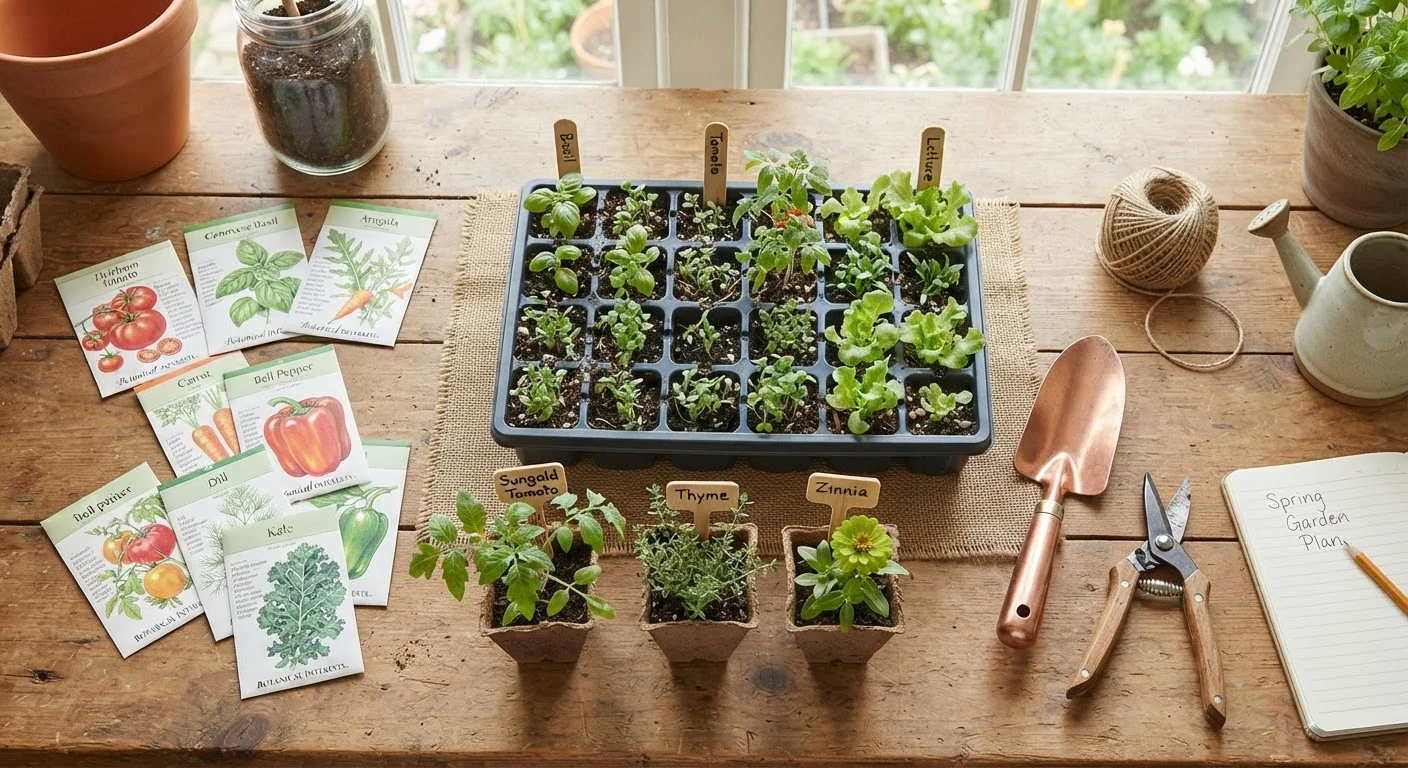
Most seedling problems trace back to the growing environment rather than the seeds themselves. A few deliberate adjustments - to your light source, watering routine, and growing medium - dramatically improve survival rates.
14-16 hrs
Daily light needed by most seedlings
University extension resources consistently recommend supplemental grow lights for indoor seed starting due to typical window light limitations.
7-10 days
Recommended hardening-off period
Most cooperative extension guides advise a gradual acclimatization window of at least one week before transplanting seedlings outdoors.
Airflow is one of the most underrated factors. Running a small fan on low for a few hours each day strengthens stems through gentle resistance, a process called thigmomorphogenesis (mechanical stimulation). It also dries the soil surface between waterings, reducing the conditions that favor damping off.
If you're weighing whether to start from seed at all, our article on starting vegetables from seed vs. buying transplants can help you decide what makes sense for your setup and timeline. And when you're ready to move seedlings outdoors, work through this garden-ready checklist to make sure your soil and space are truly prepared.
Don't Confuse Wilting With Underwatering
If a seedling collapses at the soil line with a pinched or dark stem, that's almost certainly damping off - not drought. Adding more water will make it worse. Remove the affected seedling right away, improve airflow, and let the soil dry out before watering again. Check your setup for ventilation problems rather than reaching for the watering can.