
Why Organizing Advice Often Backfires
Home organization advice is everywhere - and a surprising amount of it is counterproductive. Well-meaning tips get repeated until they feel like rules, even when they push people toward habits that make tidying harder, not easier. The result: homeowners feel like they're failing at something they're actually approaching the wrong way.
Most organizing myths share a common thread: they prioritize appearance over function, or a single big effort over consistent small habits. Identifying these myths is the first step toward building systems that actually hold up in a real, lived-in home. For a grounding overview before diving in, Home Organization from Scratch covers the foundational concepts worth understanding first.
Myth
If I just had more storage containers and bins, my home would finally be organized.
Fact
Adding storage without first reducing what you own typically makes clutter worse, not better.
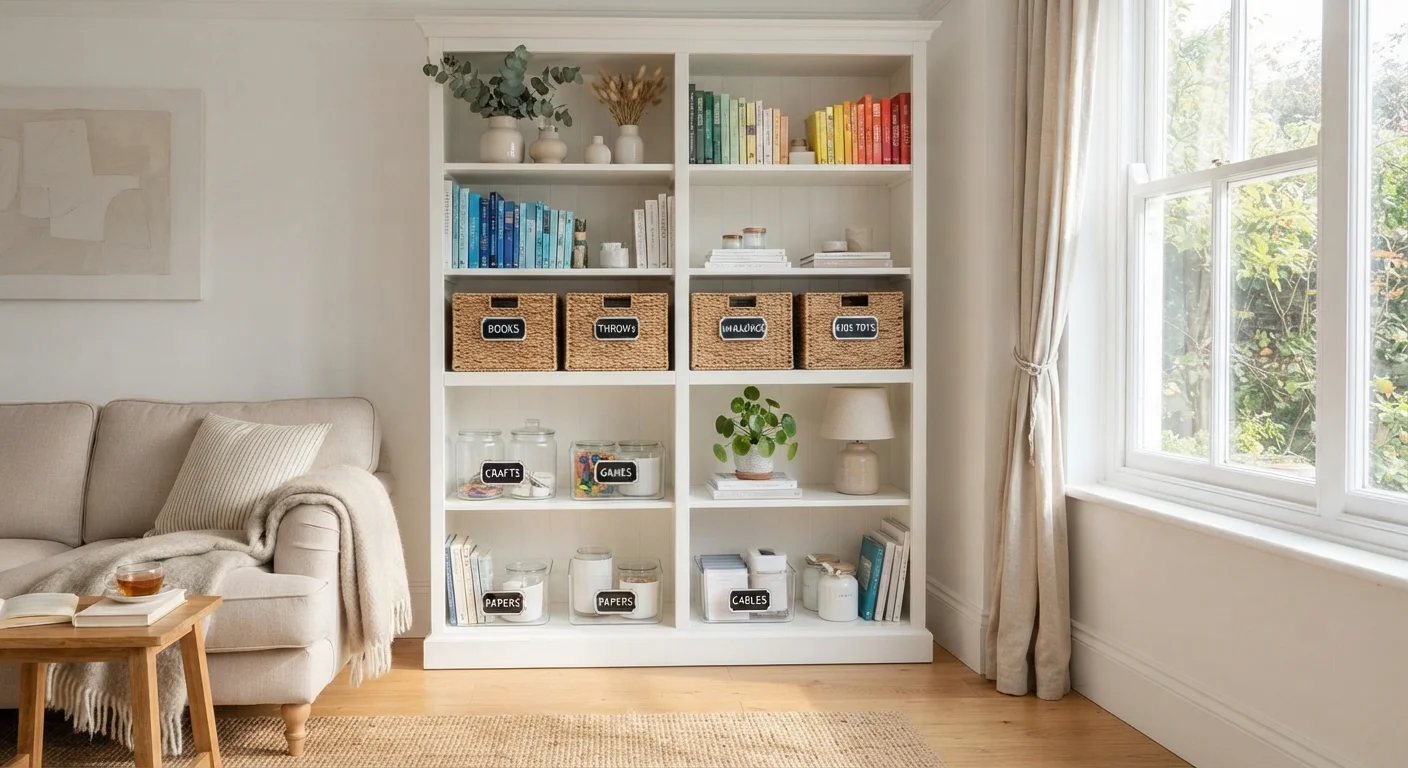
Buying bins and baskets feels productive, but it often just gives disorganization a tidy disguise. When you fill new containers with items you don't actually need, you've spent money to hide the problem rather than solve it. The sequence matters: declutter first, then find storage for what remains. This approach is also kinder to your budget - you may discover you need far fewer containers than expected. As explored in The Hidden Cost of Disorganization at Home, excess belongings quietly drain time and resources long before you notice.
Myth
I need to have the perfect system planned out before I can start organizing.
Fact
Starting imperfectly and adjusting as you go is far more effective than waiting for the ideal plan.
Planning paralysis is real. Many people spend weeks researching organizational methods, watching videos, and designing elaborate systems - and never actually start. The truth is that you won't know what system works for your household until you live with it for a few weeks. If you're just getting started, Home Organization from Scratch offers foundational concepts that help beginners take action without overthinking the setup.
Myth
Once I organize a space, it should stay that way without much effort.
Fact
Every organized space requires regular maintenance habits to stay functional over time.
Organization is not a one-time event - it's an ongoing practice. Daily habits like returning items to their designated spots and doing brief weekly resets prevent gradual slide back into disorder. Why Organized Spaces Stop Working Over Time digs into exactly why even well-designed systems eventually break down, and what small adjustments keep them running.
Myth
A highly labeled, color-coded system is what separates organized homes from messy ones.
Fact
Elaborate systems only work if every person in the household consistently uses them.
Intricate labeling and color-coding can be genuinely useful - but only when they match how everyone in the home actually thinks and moves. A system that works beautifully for one person may confuse or frustrate another. In shared homes, the best organization system is the simplest one that all members will realistically maintain. Labelling Systems That Actually Help Households Stay Organized breaks down practical approaches that reduce friction rather than add to it.
Myth
Clutter is just a laziness problem - motivated people don't struggle with it.
Fact
Clutter accumulation is rooted in cognitive and emotional patterns, not personal character flaws.
Framing clutter as a willpower issue leads people to feel shame rather than take effective action. Research in behavioral psychology points to factors like decision fatigue, emotional attachment to objects, and the brain's tendency to defer low-urgency tasks. Understanding why clutter builds can make organizing feel less like a moral failing and more like a solvable habit challenge. The Psychology Behind Why Clutter Accumulates explains these patterns clearly.
Building Habits That Stick in Real Households
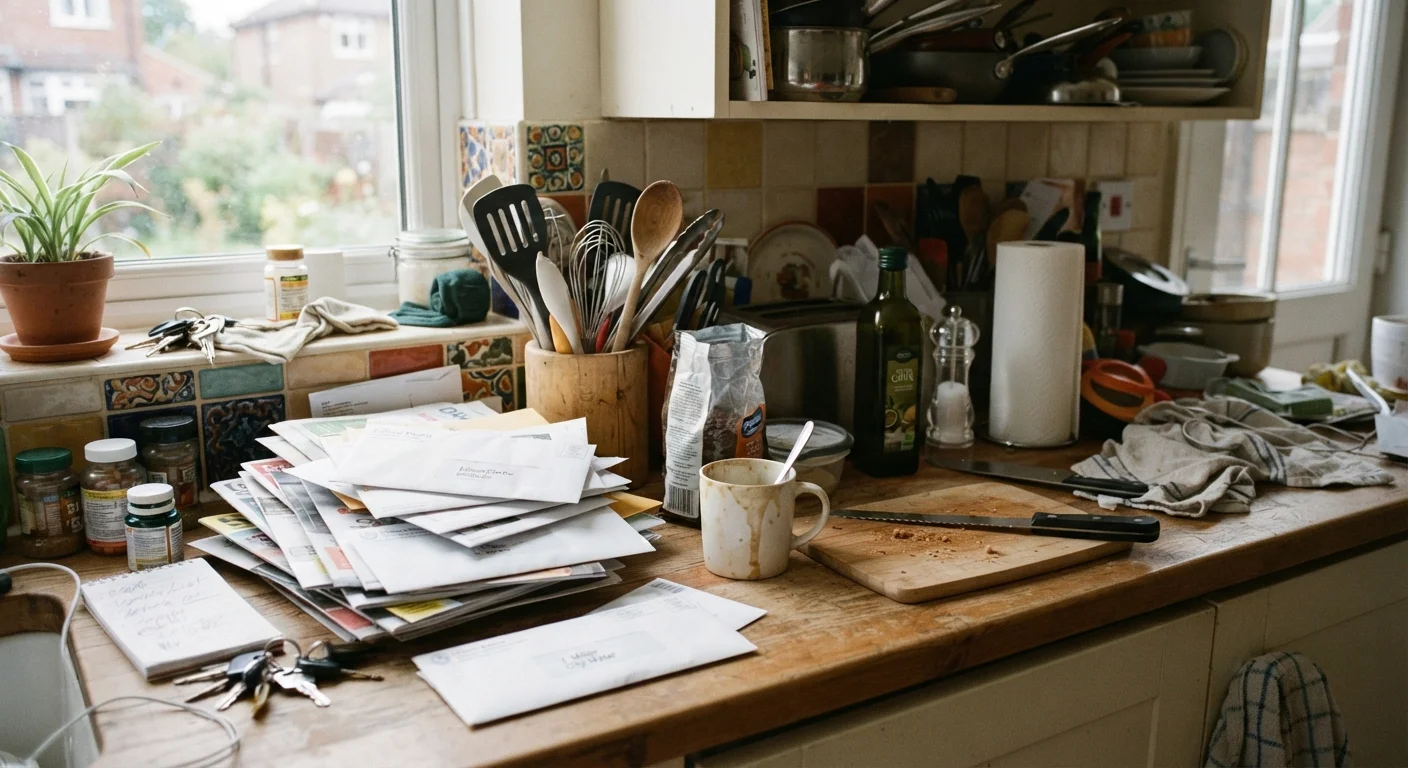
Effective organization is less about the right product or the perfect plan and more about realistic daily habits. A five-minute nightly reset - returning stray items to their places, clearing counters, and checking for anything out of position - does more long-term work than a full weekend overhaul every few months.
Avoid the 'Fresh Start' Trap
Many people wait for a major life event - a move, a new year, a renovation - to start organizing. This 'fresh start' thinking delays action indefinitely and sets unrealistically high expectations. Small improvements made today in your current space almost always outperform grand reorganizations that never quite begin.
Households with multiple people face an added layer of complexity. What counts as "organized" can differ significantly between people sharing a space. Negotiating shared standards and building systems flexible enough for different tidiness preferences is a distinct skill - one that Shared Spaces, Different Habits addresses directly.
~23 min
Average time lost daily searching for misplaced items
Estimates from time-use research suggest the average adult loses roughly 20-25 minutes per day locating misplaced items at home or work.
80%
Of household clutter is items rarely or never used
Professional organizers frequently cite the 80/20 principle: the vast majority of items stored in most homes are seldom or never used.
The most durable takeaway: match your system to your actual behavior, not the behavior you wish you had. If a method requires discipline you don't currently have, simplify it until it asks less of you - then build from there.