The Big Tidy-Up Trap
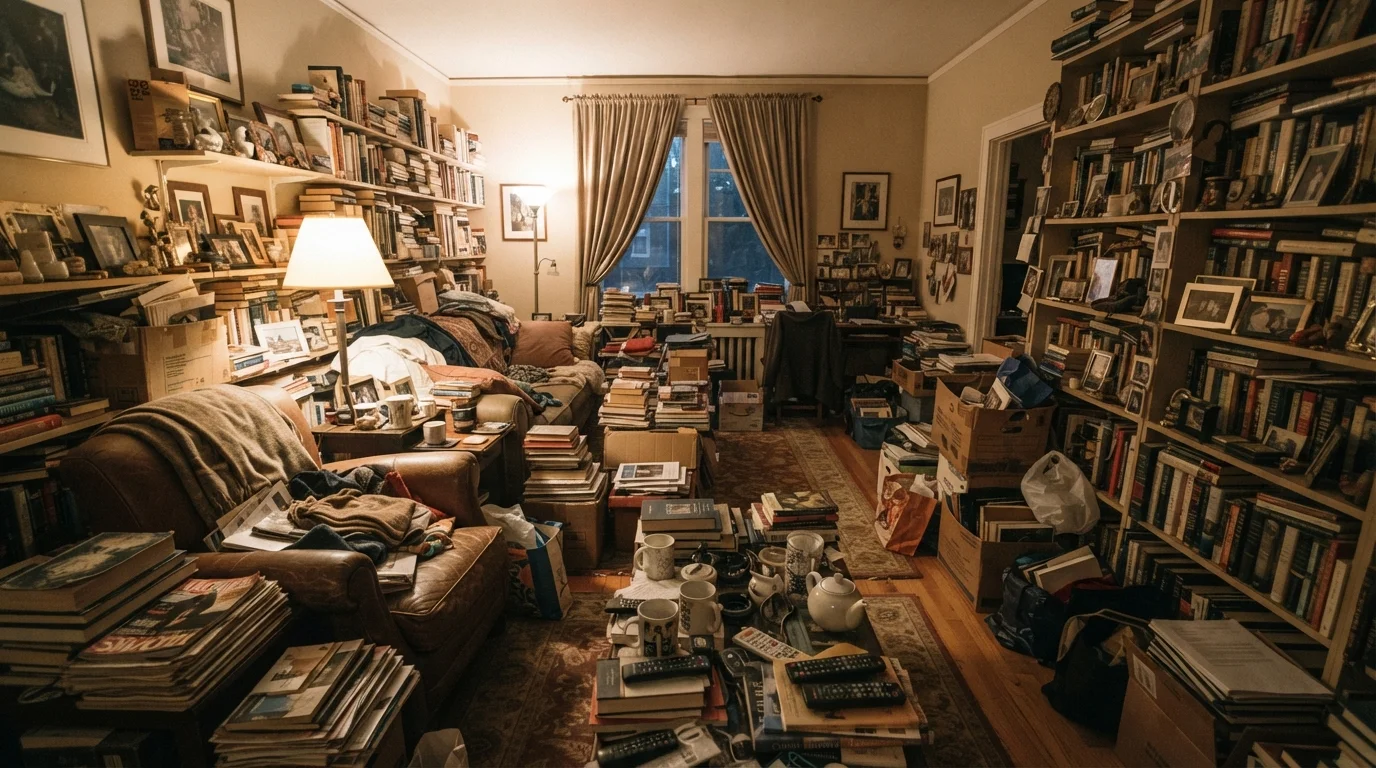
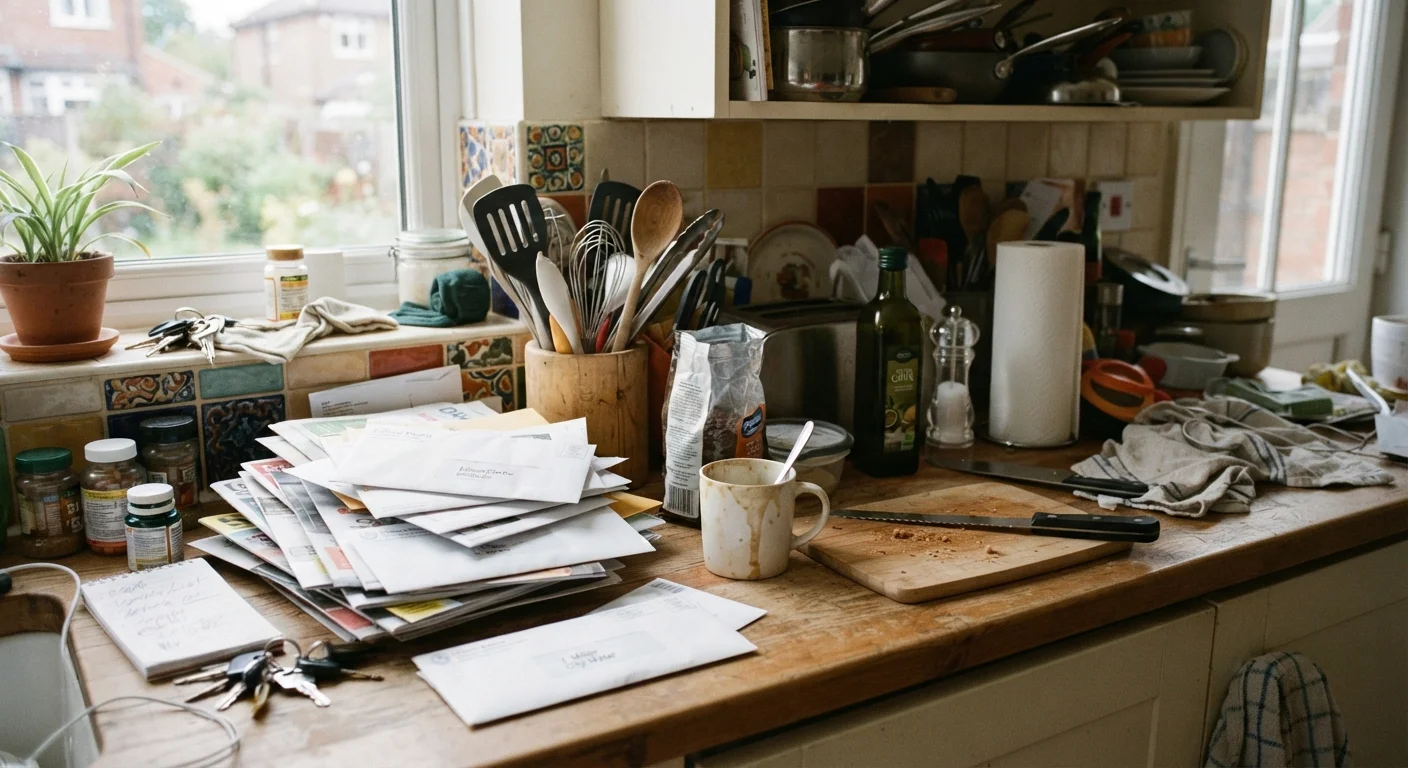
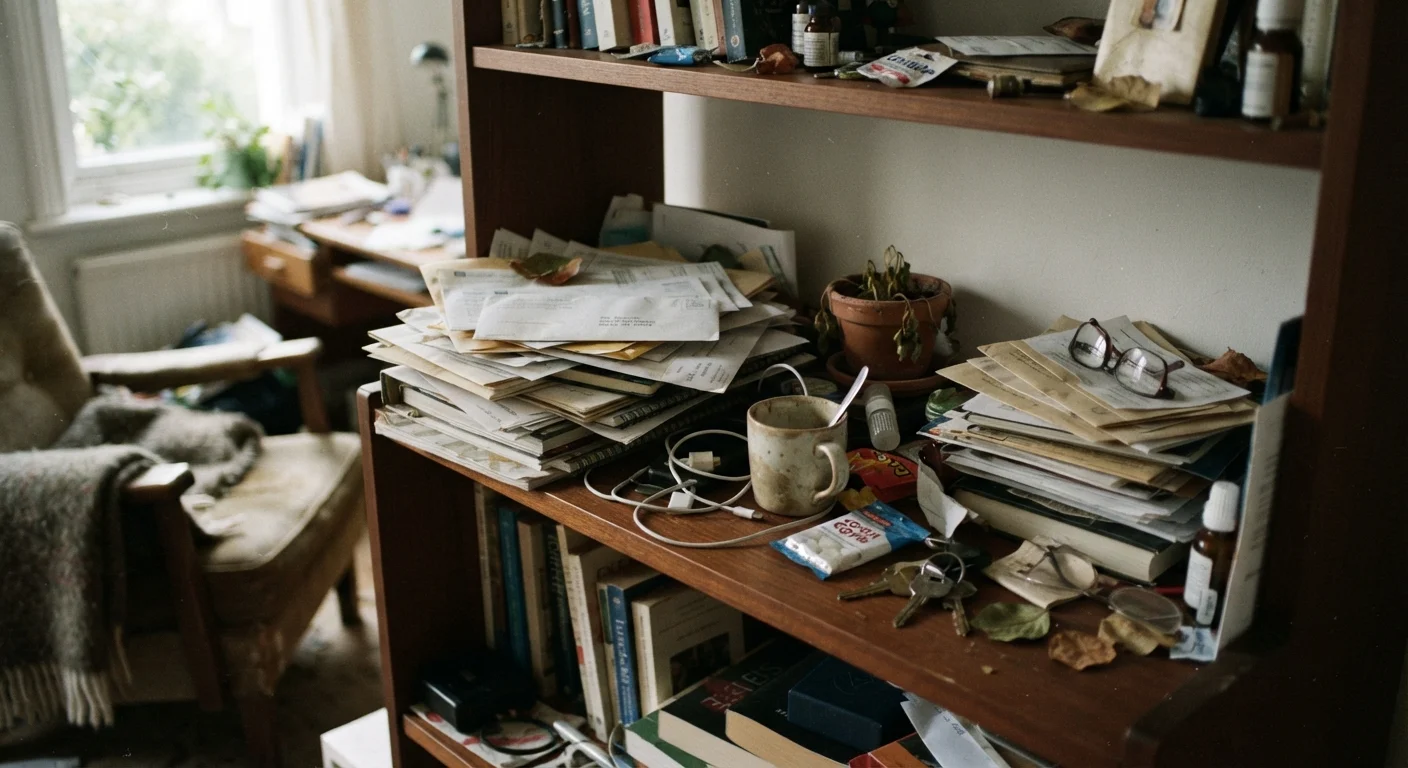
Most people organize the same way: wait until the chaos becomes unbearable, spend a weekend overhauling the entire space, then feel great for about two weeks. Sound familiar? That cycle isn't a personal failing - it's a design flaw baked into how most people approach organization.
A one-time effort, however thorough, doesn't account for how a space actually gets used day after day. Items migrate. Habits shift. Life gets busy. Before long, the beautifully reorganized pantry looks exactly like it did before the big clean-out. Understanding why this happens is the first step toward building something that actually lasts.
If you've ever wondered why clutter keeps coming back no matter what you do, our article on the psychology behind why clutter accumulates offers a useful starting point.
Building a system around an idealized version of your routine rather than your actual one.
Why it happens: During a big tidy-up, people plan for their best selves - the version that always puts things away immediately and never rushes out the door.
Skipping a regular reset habit after the initial organization is complete.
Why it happens: The effort of organizing feels like a finish line. Once it's done, maintenance feels redundant - until the space is unrecognizable again.
Acquiring new items without removing old ones first.
Why it happens: Storage systems are designed around a fixed volume of stuff. When new items enter without anything leaving, capacity is silently exceeded.
Creating a system that only one household member understands or agrees to.
Why it happens: The person doing the organizing makes decisions that make sense to them but haven't been communicated to or agreed upon by others in the home.
Relying on willpower rather than environmental design to maintain order.
Why it happens: People assume that if they just try harder, things will stay tidy. But willpower is a limited resource that depletes quickly under stress or fatigue.
What Keeps Systems Alive (and What Kills Them)
Sustainable organization isn't about finding the perfect bin or labeling system - it's about friction. The harder a system is to use, the faster it fails. When returning an item to its place takes more effort than just setting it down on the counter, the counter wins every time.
More Storage Doesn't Solve the Problem
Adding bins, shelves, or drawer organizers to an already struggling space often makes things worse, not better. More storage gives clutter more places to hide, which delays the real fix: reducing what you own and simplifying the system. Before buying any new storage product, assess whether the current system is failing because of volume or because of poor placement and design.
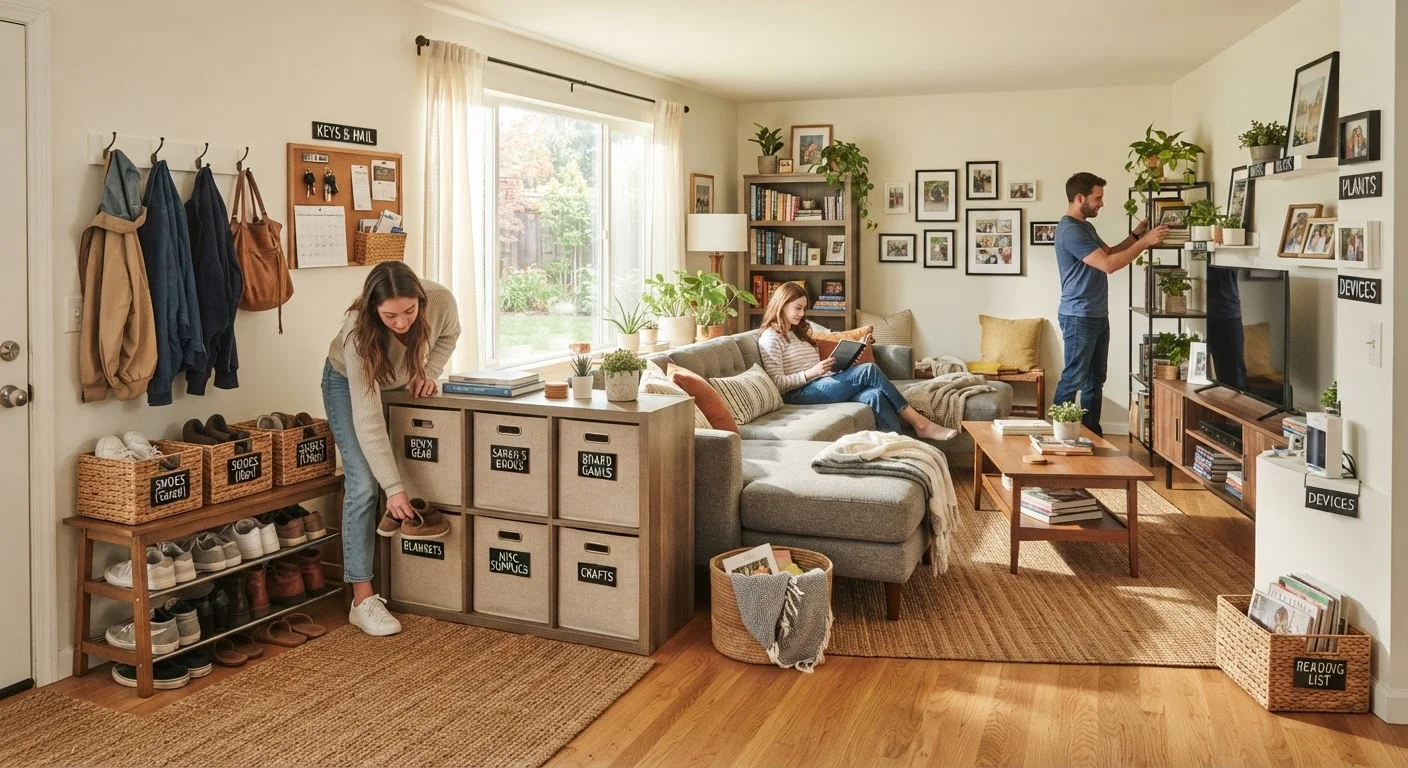
Think about the spaces in your home that stay tidy without much effort. In most cases, those areas have one thing in common: the organized behavior requires the same number of steps as the disorganized one. A hook by the door is easier to use than a dedicated closet shelf three rooms away.
Living with other people adds another layer of complexity. Systems designed by one person often don't work for everyone sharing the space. For practical guidance on navigating that challenge, see our article on organizing a home with multiple people.
It's also worth noting that disorganization isn't just an aesthetic problem. Duplicate purchases, lost time, and daily stress add up quickly - a reality explored in detail in our piece on the hidden cost of disorganization at home.
~23 min
Average time lost daily searching for items
Research cited by the National Association of Professional Organizers suggests the average American spends roughly 23 minutes per day looking for misplaced belongings.
80%
Of clutter is due to disorganization, not lack of space
Organization professionals frequently cite that the majority of household clutter stems from poor systems rather than insufficient storage capacity.
If you're starting from scratch or rethinking your current approach entirely, Home Organization from Scratch lays out the foundational concepts worth understanding before you buy a single storage bin. And if you've been following popular tidying advice that doesn't seem to be working, it may be time to question whether some of that advice is accurate - our article on organizing myths that keep your home messier separates fiction from evidence-based practice.