
When Trying Hard Isn't the Same as Moving Forward
Most people in debt are not ignoring the problem. They're making payments, watching their budgets, and hoping things will improve. But good intentions without the right structure can leave you spinning in place - sometimes for years - while interest quietly undoes your progress.
This article isn't about blame. Debt is genuinely complex, and many of the habits that stall repayment are logical-sounding behaviors that just happen to backfire. Understanding exactly where things go wrong is the first step to changing them.
For a broader look at how debt and credit interact across your financial life, the end-to-end overview of debt and credit is a useful starting point.
Interest Charges Can Outlast Your Effort
When only minimum payments are made on high-interest debt, the majority of each payment goes toward interest rather than principal. This can extend a debt's life by years - sometimes decades. Always calculate how much interest a debt will actually cost you over time before settling on a payment amount.
The Mistakes That Keep People Stuck
The following patterns appear consistently among people who are paying faithfully but not making the progress they expect. Each one has a clear fix - and none requires a dramatic lifestyle overhaul to address.
Paying only the minimum balance each month and assuming that's enough progress.
Why it happens: Minimum payments feel responsible because you're meeting the lender's requirement and avoiding late fees. It's easy to assume that consistency alone equals progress.
Lacking a deliberate repayment strategy, so extra payments land on the wrong accounts.
Why it happens: When managing multiple debts, most people pay extra toward whichever bill feels most urgent or arrives first - rather than the one with the highest interest rate or smallest balance.
Treating debt repayment as separate from the rest of the monthly budget.
Why it happens: Many beginners track spending in one column and debt payments in another without connecting how daily choices directly affect how much is left to apply toward balances.
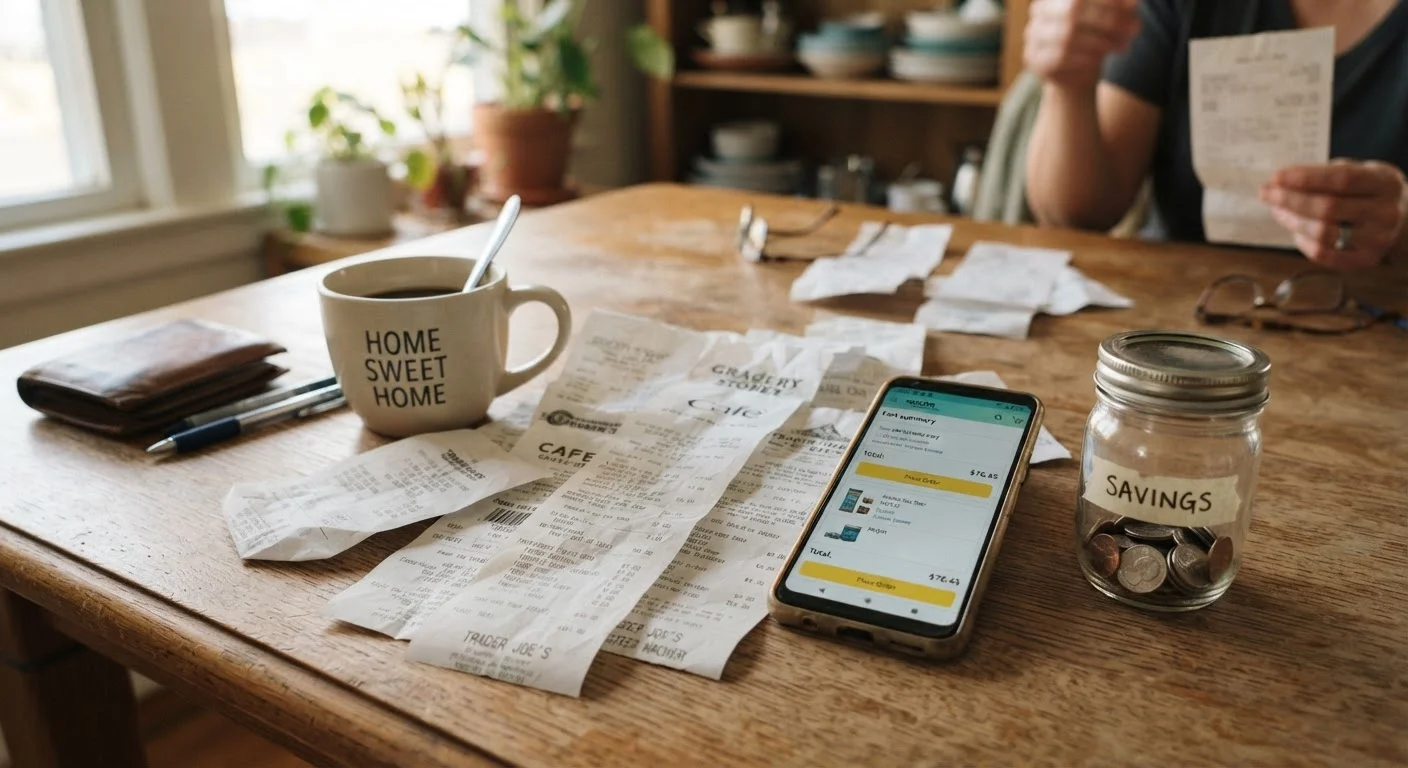
Overlooking small recurring expenses that quietly consume would-be repayment money.
Why it happens: Subscriptions, impulse purchases, and convenience spending each feel minor in isolation, making them easy to ignore during a budget review.
Continuing to add new charges to credit cards while trying to pay down balances.
Why it happens: Credit cards remain convenient and necessary for daily purchases, and many people underestimate how much new spending offsets their monthly payments.
~27%
Credit card holders carrying a balance monthly
According to the Federal Reserve's Survey of Consumer Finances, a significant share of cardholders carry revolving balances, often paying substantial interest over time.
20%+
Typical APR on new credit card offers
The Consumer Financial Protection Bureau has noted average credit card interest rates regularly exceed 20%, meaning balances grow quickly without aggressive repayment.
Addressing even one or two of these at a time typically produces noticeable results within a few billing cycles. Once repayment momentum builds, maintaining it becomes easier - and the positive effect on your credit profile compounds over time. The monthly habits that support a healthy credit profile outlines what consistent, small behaviors can do for your credit health alongside active repayment.
Don't Skip an Emergency Fund Entirely
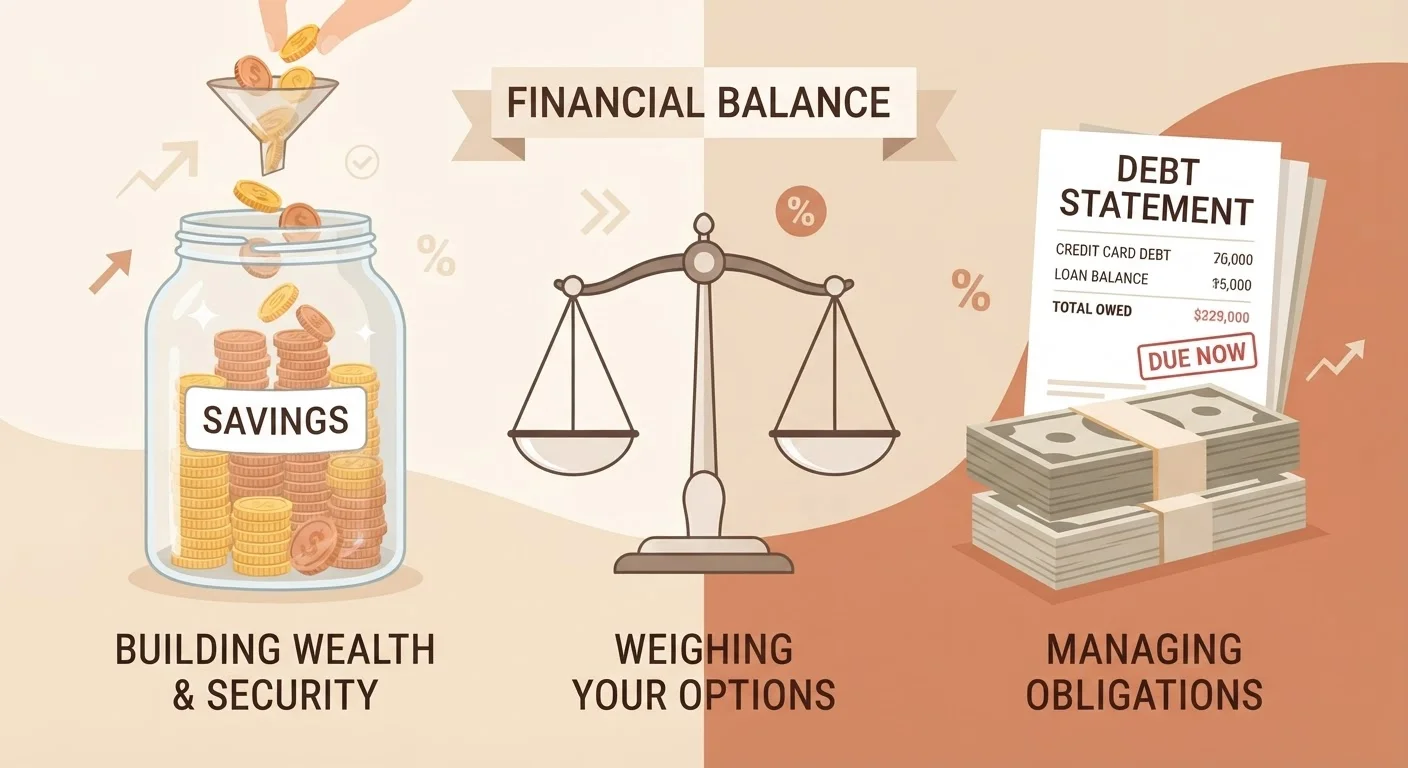
Putting every spare dollar toward debt sounds disciplined, but with no cash buffer, one unexpected expense forces you back onto credit cards. Even a small emergency fund - enough to cover a few hundred dollars in unexpected costs - can prevent a frustrating step backward. See how to balance saving and debt repayment for guidance on this trade-off.
This article is for general informational and educational purposes only. It does not constitute personalized financial, legal, or tax advice. For guidance tailored to your specific circumstances, consult a qualified financial professional.