Why Cat Nutrition Myths Are So Persistent
Many beliefs about what cats should eat were formed long before modern veterinary nutrition existed. Habits passed down through families, images from advertising, and a general assumption that cats are low-maintenance animals have all contributed to a body of popular wisdom that frequently conflicts with what researchers and veterinary professionals actually recommend.
Cats are obligate carnivores - meaning they depend on nutrients found in animal tissue to survive. But that biological fact gets oversimplified in ways that lead owners toward diets that are unbalanced, unsafe, or simply based on myths. Getting cat nutrition right matters: what a cat eats shapes everything from kidney function and weight to coat condition and energy levels. The myths below are among the most common and consequential.
Myth
Cats can drink cow's milk as a treat - it's a natural, wholesome food for them.
Fact
Most adult cats are lactose intolerant and cow's milk commonly causes diarrhea and stomach upset.
The image of a cat lapping up a saucer of milk is deeply embedded in popular culture, but it doesn't reflect feline biology. After kittenhood, most cats lose the enzyme lactase, which is needed to digest lactose - the sugar found in cow's milk. Consuming it can lead to bloating, loose stools, and gastrointestinal discomfort. If you want to offer a liquid treat, plain water is far safer. Some pet stores carry specially formulated cat milk with reduced lactose, though these should still be occasional treats, not dietary staples.
Myth
A raw meat diet is always the healthiest and most natural option for cats.
Fact
Raw diets carry risks of bacterial contamination and nutritional imbalance unless carefully formulated under veterinary guidance.
While cats evolved as carnivores, raw meat diets - whether commercially prepared or home-assembled - can harbor pathogens like Salmonella, Listeria, and E. coli, posing health risks to both cats and the people handling the food. The American Veterinary Medical Association advises against raw diets for this reason. Additionally, homemade raw diets are frequently nutritionally incomplete. If you're curious about raw feeding, consult a veterinary nutritionist before making any changes.
Myth
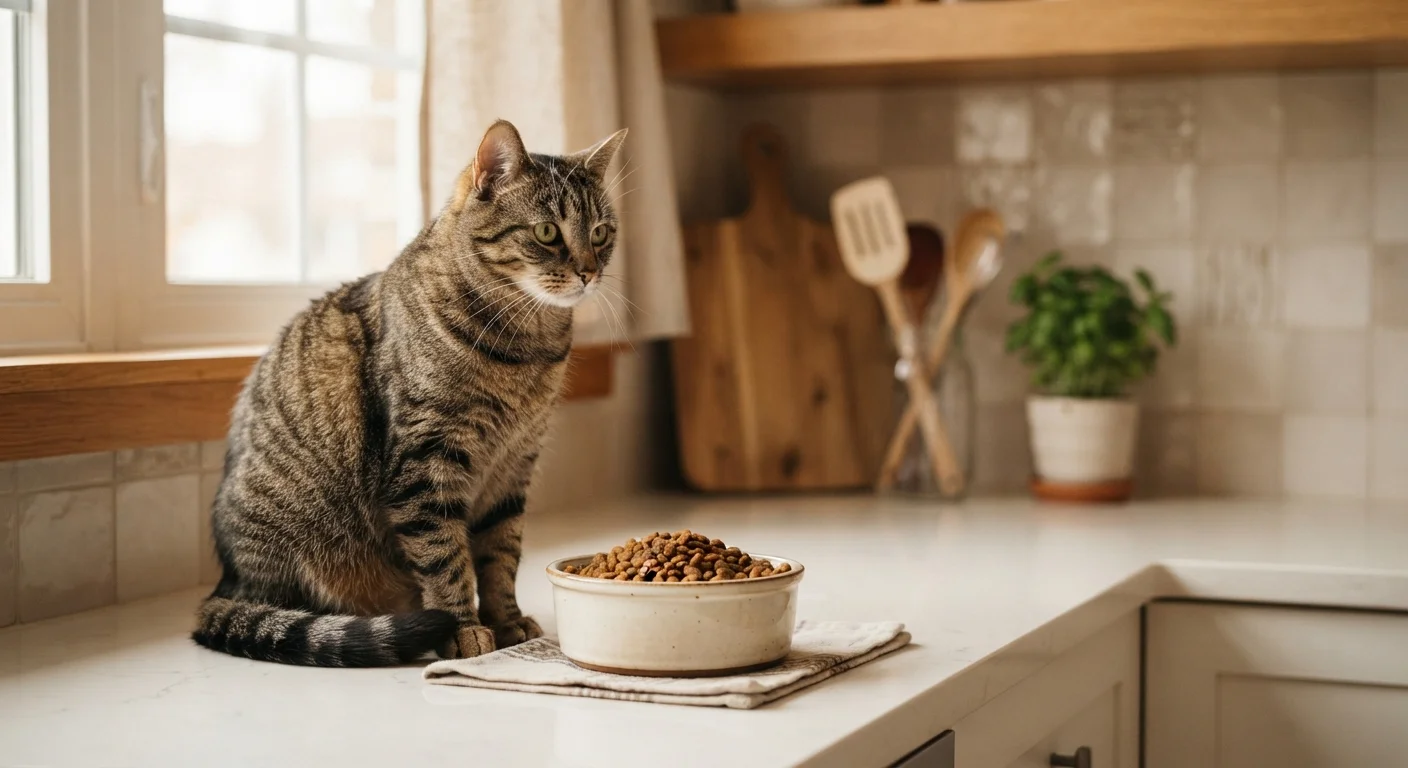
Cats are fine eating only dry kibble - it keeps their teeth clean too.
Fact
Dry food alone is poor for hydration, and its dental benefits are minimal compared to veterinary dental care.
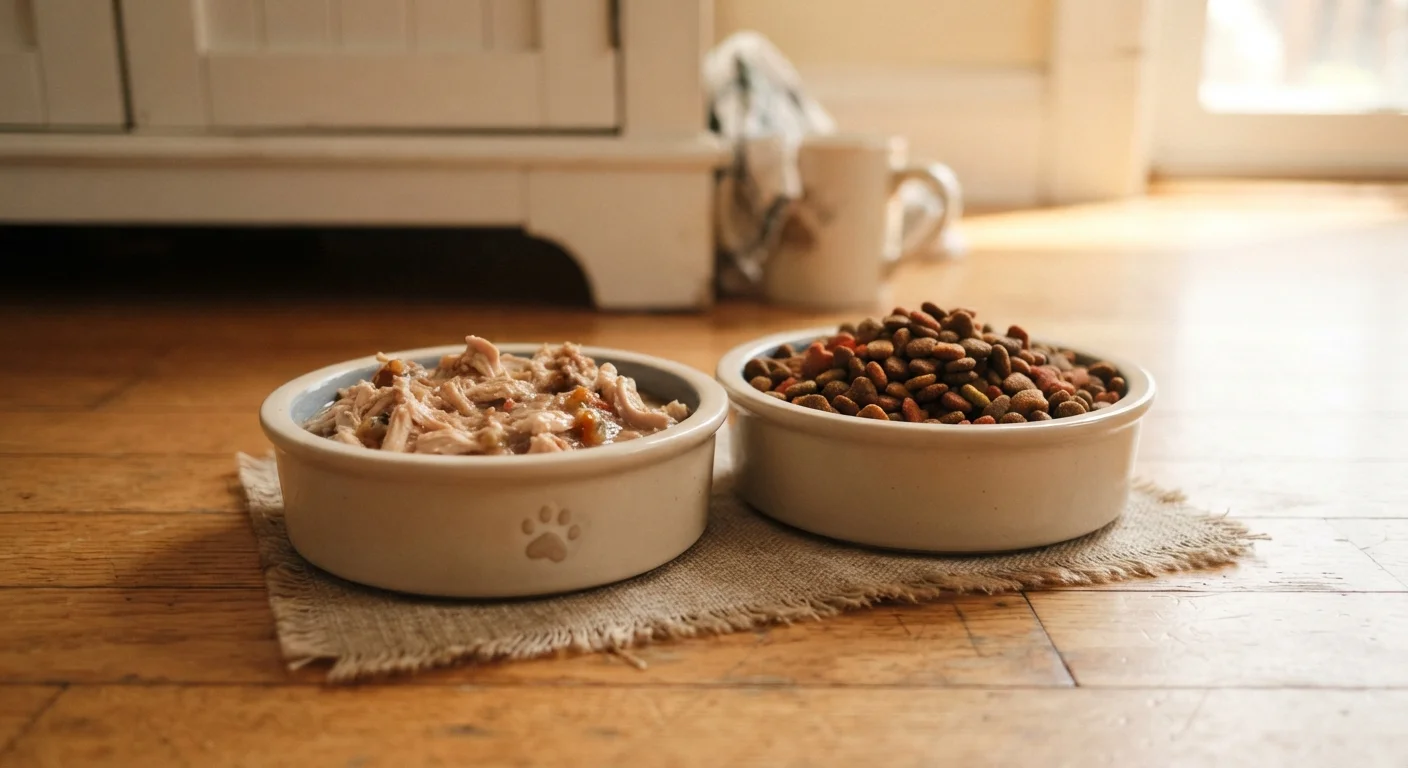
Cats have a low thirst drive because their wild ancestors obtained most of their moisture from prey. Feeding exclusively dry food can leave cats in a state of mild, chronic dehydration, which may contribute to urinary tract problems and kidney disease over time. As for dental health, most cats don't chew kibble in a way that meaningfully reduces plaque. Veterinary dental cleanings and specially formulated dental diets are far more effective. See our overview of wet vs. dry food for a fuller look at the trade-offs.
Myth
Grain-free cat food is healthier because cats don't need carbohydrates.
Fact
Grain-free doesn't mean carb-free, and grains are not harmful to most cats when included in balanced diets.
Grain-free cat foods often substitute grains with other carbohydrate sources like potatoes or peas - meaning the overall carbohydrate content may be similar. While cats don't require carbohydrates the way omnivores do, small amounts are not harmful to healthy cats, and grains are not a common allergen in felines. True food allergies in cats are more likely to involve specific proteins (like chicken or fish) than grains. Unless your vet has identified a specific grain sensitivity, grain-free foods offer no proven advantage.
Myth
You can feed a cat dog food in a pinch - it's basically the same thing.
Fact
Dog food is nutritionally inappropriate for cats and can lead to serious deficiencies if fed regularly.
Cats and dogs have fundamentally different nutritional needs. Cats require nutrients that dogs can synthesize on their own, including taurine (an amino acid), arachidonic acid (a fatty acid), and preformed vitamin A. Dog food is not formulated to meet these requirements. Taurine deficiency alone can cause dilated cardiomyopathy (a serious heart condition) and vision loss in cats. An occasional nibble is unlikely to cause harm, but dog food should never be a substitute for cat-appropriate nutrition - even temporarily.
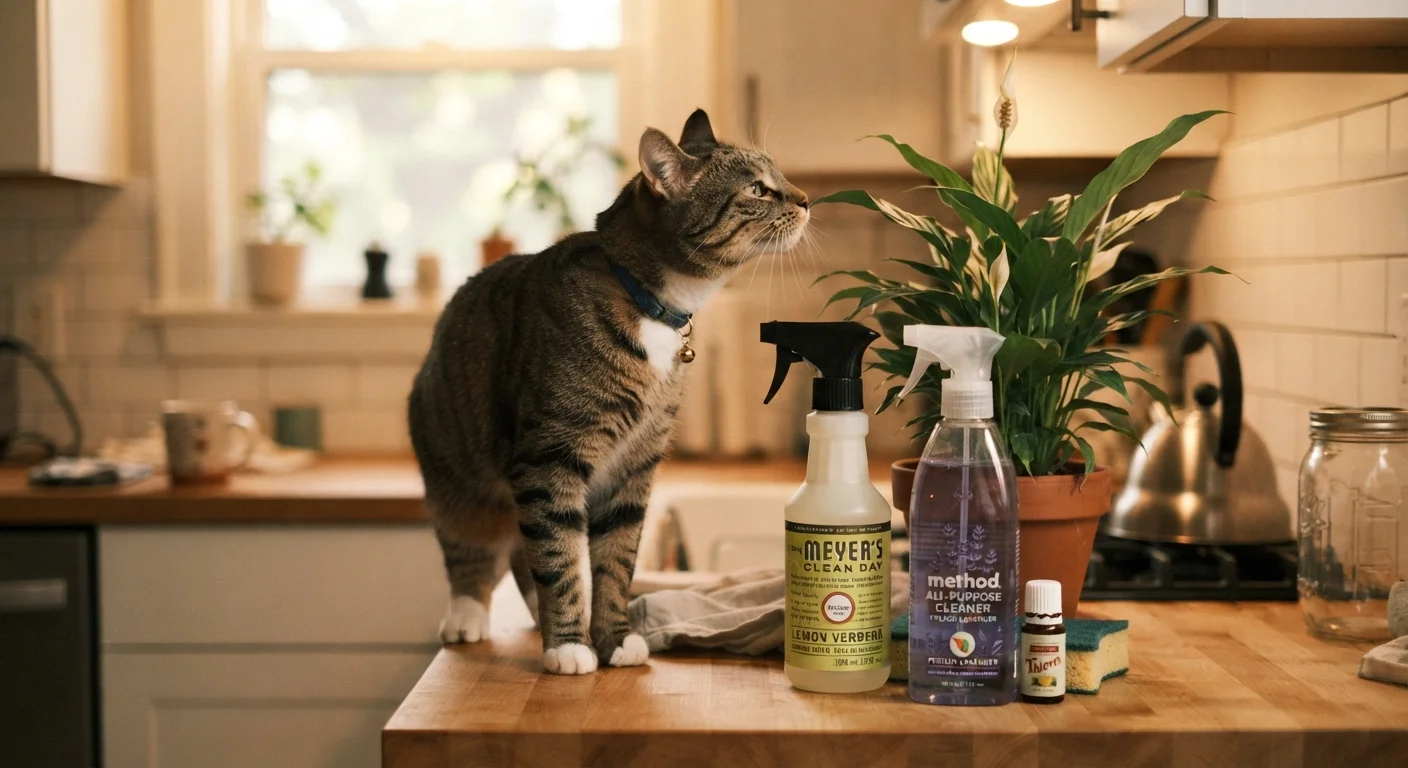
Be aware that some everyday household foods are also dangerous. Our article on toxic household items for cats covers foods and substances to keep well out of reach.
Myth
A chubby cat is a healthy, happy cat - extra weight just means they're well-fed.
Fact
Obesity in cats significantly increases the risk of diabetes, joint disease, liver problems, and shortened lifespan.
Feline obesity is one of the most common preventable health problems seen by veterinarians. Excess weight puts stress on joints and organs, and overweight cats are at meaningfully higher risk for type 2 diabetes, hepatic lipidosis (fatty liver disease), and osteoarthritis. Unlike humans, cats who stop eating suddenly - even for a few days - can develop hepatic lipidosis rapidly. If your cat needs to lose weight, work with your vet to develop a gradual, monitored plan. Sudden calorie restriction in cats is genuinely dangerous.
What Good Cat Nutrition Actually Looks Like
A nutritionally complete commercial cat food - whether wet, dry, or a combination - that meets AAFCO nutritional standards is a reasonable foundation for most healthy adult cats. AAFCO statement language on packaging ("complete and balanced for all life stages" or "for adult maintenance") indicates the food meets established nutritional profiles.
Always Consult Your Vet About Diet Changes
Nutrition is one of the most consequential decisions you make for your cat's long-term health. Before switching foods, removing food groups, or starting a home-prepared diet, speak with a licensed veterinarian or a board-certified veterinary nutritionist. What works for one cat may be harmful to another, especially in cats with kidney disease, diabetes, or other health conditions.
Life stage matters too. Kittens, pregnant cats, seniors, and cats with chronic conditions all have different needs. A food appropriate for a healthy adult may be inadequate - or even harmful - for a cat with kidney disease or hyperthyroidism. This is one reason why annual veterinary wellness visits are valuable: they give your vet a chance to reassess whether your cat's current diet is still the right fit.
If you're weighing the practical differences between food formats, our wet food vs. dry food comparison breaks down hydration, cost, and dental considerations in detail. For a broader look at what cat ownership involves financially, see the real costs of owning a cat.
~60%
Estimated rate of cat obesity or overweight in the U.S.
According to the Association for Pet Obesity Prevention's annual surveys, a majority of pet cats in the U.S. are classified as overweight or obese by their veterinarians.
~3x
Increased diabetes risk in overweight cats
Veterinary research suggests overweight cats may face significantly elevated risk of developing type 2 diabetes compared to cats at a healthy body weight.
When in doubt about any aspect of your cat's diet - including portion sizes, food transitions, or supplement use - a conversation with your veterinarian is always the most reliable next step.