
What It Actually Costs to Get Started
Before your cat comes home, you'll face a cluster of one-time setup costs. Adoption fees from shelters typically range from $50 to $200 and often include initial vaccinations and spay/neuter surgery. Purchasing from a breeder can cost significantly more depending on breed. Either way, getting started requires more than the adoption fee alone.
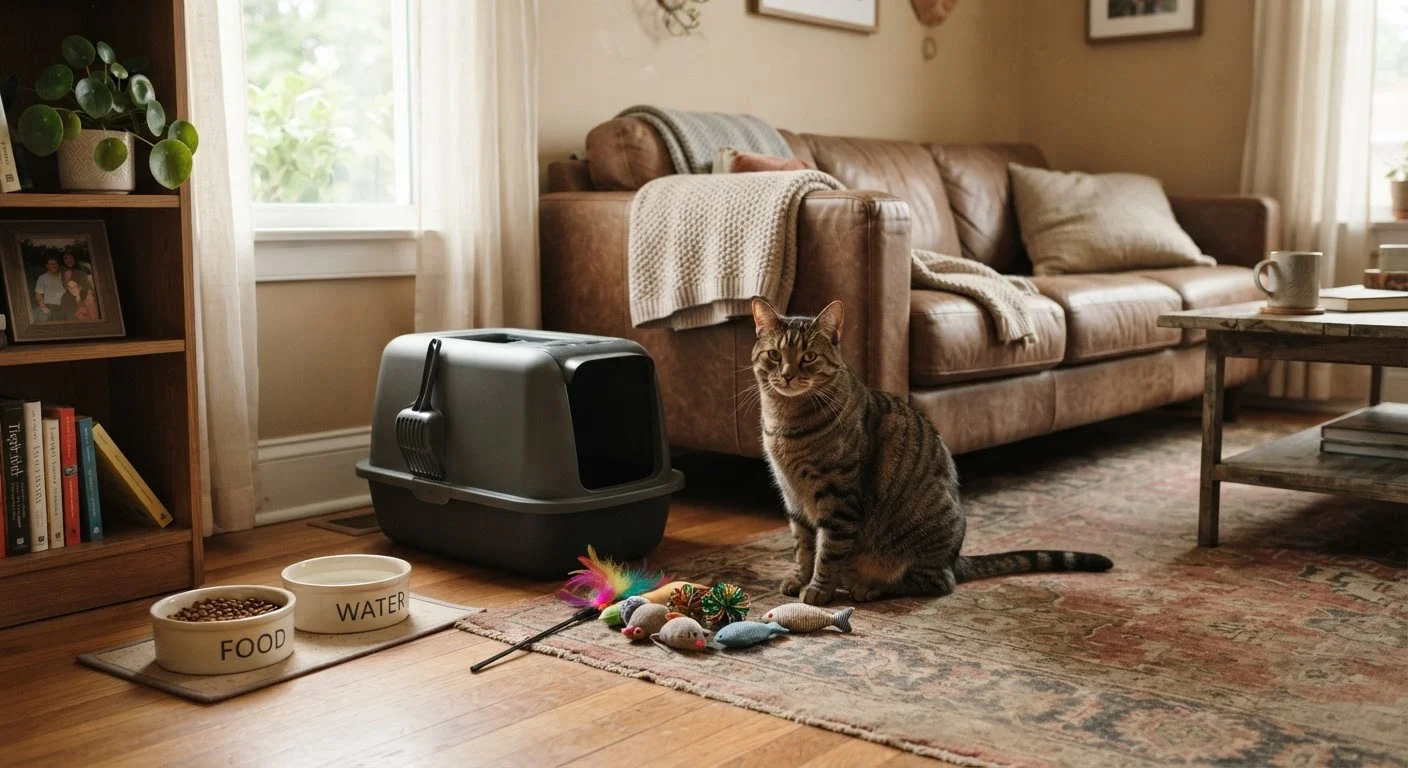
Essential first-time supplies include a litter box and litter, food and water bowls, a carrier, a scratching post, and basic toys. Budget roughly $150-$300 for a modest but complete setup. If your cat will have access to outdoor areas or a specific room, you may also need safety modifications.
Initial veterinary costs deserve special attention. A new-cat wellness exam, any remaining vaccines, microchipping, and parasite testing can add $150-$300 or more. If spay or neuter surgery wasn't included in the adoption, add another $200-$500 depending on your location and the clinic. First-time cat owners can use these figures as a realistic planning baseline.
Save on Setup Without Skimping
Many shelters and rescue organizations include spay/neuter, microchipping, and initial vaccines in the adoption fee - which can save $400-$700 compared to buying from a private seller. Checking local shelters first is often both a financially sound and animal-welfare-positive choice.
Recurring Costs: Food, Litter, and Routine Vet Care
Food is your most consistent ongoing expense. A typical adult cat needs roughly 200-300 calories per day, and annual food costs commonly range from $250 to $700 depending on whether you feed wet, dry, or a combination. Wet and dry food each carry different cost profiles - wet food tends to be pricier per calorie but provides hydration benefits that may reduce other health costs. It's also worth reviewing common cat nutrition myths to ensure your spending actually supports your cat's health.
Litter costs depend on type and usage, but most single-cat households spend $100-$200 per year. Clumping clay, crystal, and plant-based litters vary in price and how frequently they need replacing.
Routine vet care - an annual wellness exam plus core vaccines - typically costs $100-$250 per year for a healthy adult cat. Dental cleanings, which many cats need every one to three years, run $300-$700 depending on the complexity of the procedure. These aren't optional; dental disease is one of the most common and costly preventable conditions in cats.
$700-$1,500
Estimated annual cost for a healthy adult cat
Covers food, litter, routine veterinary care, and basic supplies; does not include emergencies.
12-18 years
Average domestic cat lifespan
Reflects the long-term nature of the financial and care commitment involved in cat ownership.
$500-$3,000+
Typical range for emergency vet visits
Costs vary widely based on diagnosis, treatment required, and geographic location of the clinic.
The Unpredictable Costs: Emergency and Senior Care
Even a young, healthy cat can face a sudden illness or injury. Urinary blockages, ingested foreign objects, and respiratory infections are among the most common reasons cats visit emergency veterinary clinics. A single emergency visit can cost anywhere from $500 to well over $3,000 depending on diagnosis and treatment. These costs are not hypothetical - they're a realistic part of cat ownership.
As cats age, health maintenance costs rise. Understanding your cat's life stages helps you anticipate the shifts - senior cats (generally over age 11) often benefit from biannual vet visits, prescription diets, joint supplements, and management of chronic conditions like kidney disease or hyperthyroidism. These needs can significantly increase annual spending.
Knowing when to seek veterinary attention early can actually reduce costs long-term by catching problems before they escalate. Building a small dedicated savings fund - or investigating pet insurance - is a practical step worth taking before an emergency arises.
Pet Insurance: Know What You're Buying
Pet insurance policies vary significantly in what they cover, exclude, and reimburse. Most plans do not cover pre-existing conditions, so enrolling a young, healthy cat typically offers the broadest coverage. Always read the policy details carefully and ask your veterinarian which conditions are most common in your cat's breed or age group before choosing a plan.
Planning Your Cat Budget Wisely
A responsible cat budget accounts for both the predictable and the unpredictable. A reasonable annual estimate for a healthy adult cat, covering food, litter, routine vet care, and miscellaneous supplies, falls between $700 and $1,500. Add a buffer of $500-$1,000 for emergencies. Over a cat's lifetime - which can span 12 to 18 years - these costs compound meaningfully.
If you're weighing cat ownership against other pets, it can help to compare. Dogs generally cost more than cats due to size, food volume, training needs, and boarding requirements. Small pets may seem cheaper, but they carry their own care costs that are easy to underestimate.
For those managing household finances carefully, connecting pet expenses to a broader personal budgeting strategy or savings plan makes the commitment more sustainable. Cats also benefit from mental enrichment, which doesn't have to be expensive - see enrichment strategies for solo cats for low-cost ideas.
Planning ahead isn't pessimistic - it's how you ensure your cat gets consistent, quality care at every stage of life.