Why Most Cats Resist Grooming - and How to Change That
Cats are fastidious self-groomers, which can make it easy to assume they don't need your help. But regular brushing, nail maintenance, and ear checks support health in ways self-grooming can't cover - reducing hairballs, preventing overgrown claws, and catching early signs of skin or ear conditions.
The problem isn't the grooming itself. It's how it's introduced. Many cats resist because grooming was handled poorly early on - rushed, forceful, or done without respect for their limits. The good news is that with the right approach, even resistant cats can learn to tolerate - and sometimes enjoy - a consistent routine. Understanding why cats behave the way they do is a helpful foundation before you start.
Introduce grooming tools before using them on your cat
Cats are naturally cautious about unfamiliar objects. Letting them sniff and investigate a brush or nail clipper before it touches their body reduces the startle response and associates the tool with curiosity rather than threat. This small step dramatically lowers resistance over time.
Keep every grooming session short - under five minutes at first
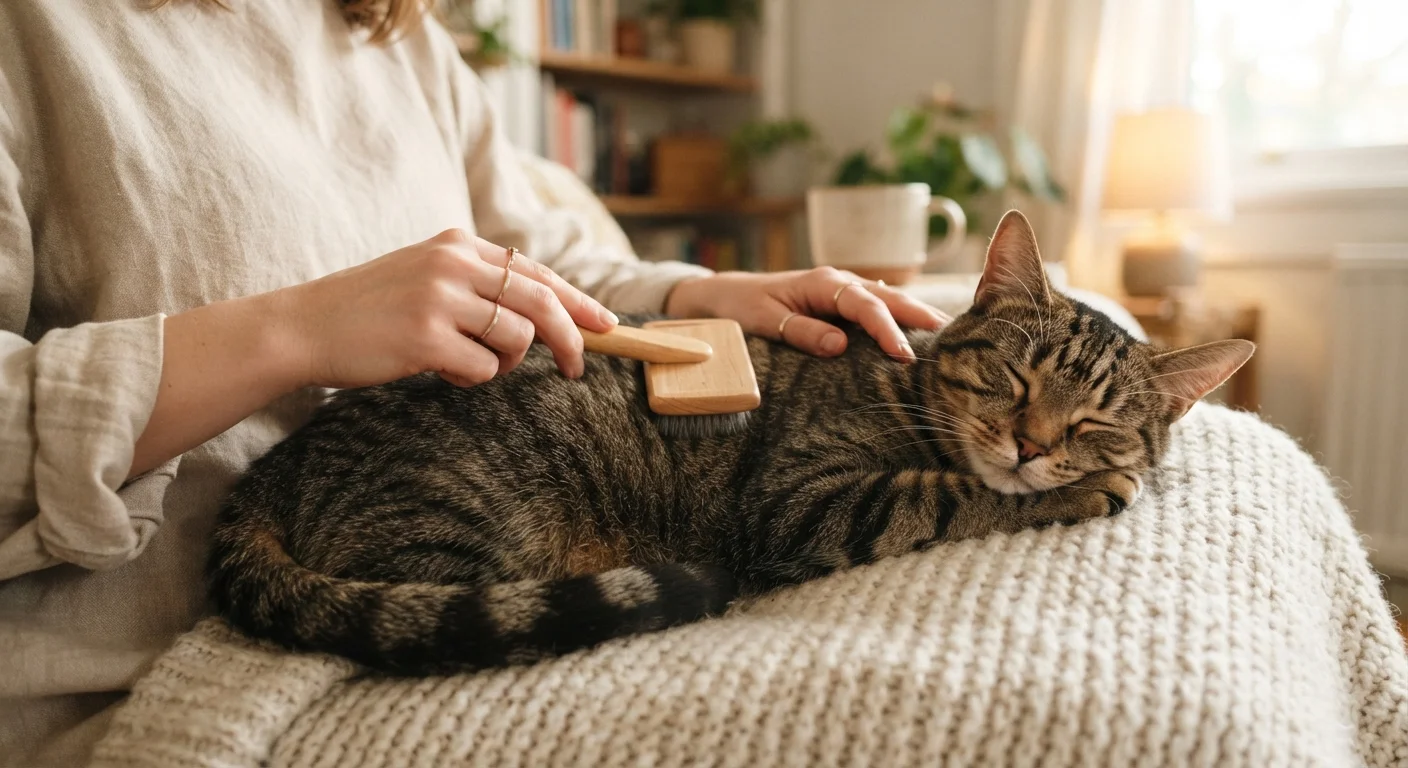
Cats have a limited tolerance window, and pushing past it creates negative associations that are hard to undo. Brief, positive sessions build trust incrementally. Even one minute of calm brushing done consistently is more effective than a ten-minute struggle once a week.
Pair every grooming task with something your cat enjoys
Positive reinforcement - treats, gentle praise, or play - teaches cats that grooming predicts good things. Over time, the association shifts from toleration to neutral acceptance, and sometimes even anticipation. This is the same principle used in professional feline behavior modification.
Learn to read body language cues before they escalate
A twitching tail, flattened ears, or a sudden skin ripple are early signals that your cat is reaching their limit. Stopping before these escalate to swatting or biting preserves trust and keeps sessions safe. See our guide to cat body language for a practical reference.
Choose the right moment, not a convenient one
Attempting to groom an energetic or agitated cat invites failure. Cats are most receptive after play has tired them out or after a meal when they're naturally inclined to settle. Timing matters more than frequency.
Build a consistent grooming sequence your cat can predict
Cats find predictability reassuring. A repeatable order - such as brushing before ear checks before nail trims - lets your cat anticipate what's coming, which reduces anxiety. Consistency also helps you notice changes in coat, skin, or claw health over time.
Building Tolerance Step by Step
Grooming tolerance is built in layers. You don't start with nail clippers - you start with trust. The practices below are designed to be introduced gradually, with each step reinforcing the last. Progress will vary depending on your cat's age, history, and temperament, so let your cat's responses guide the pace.
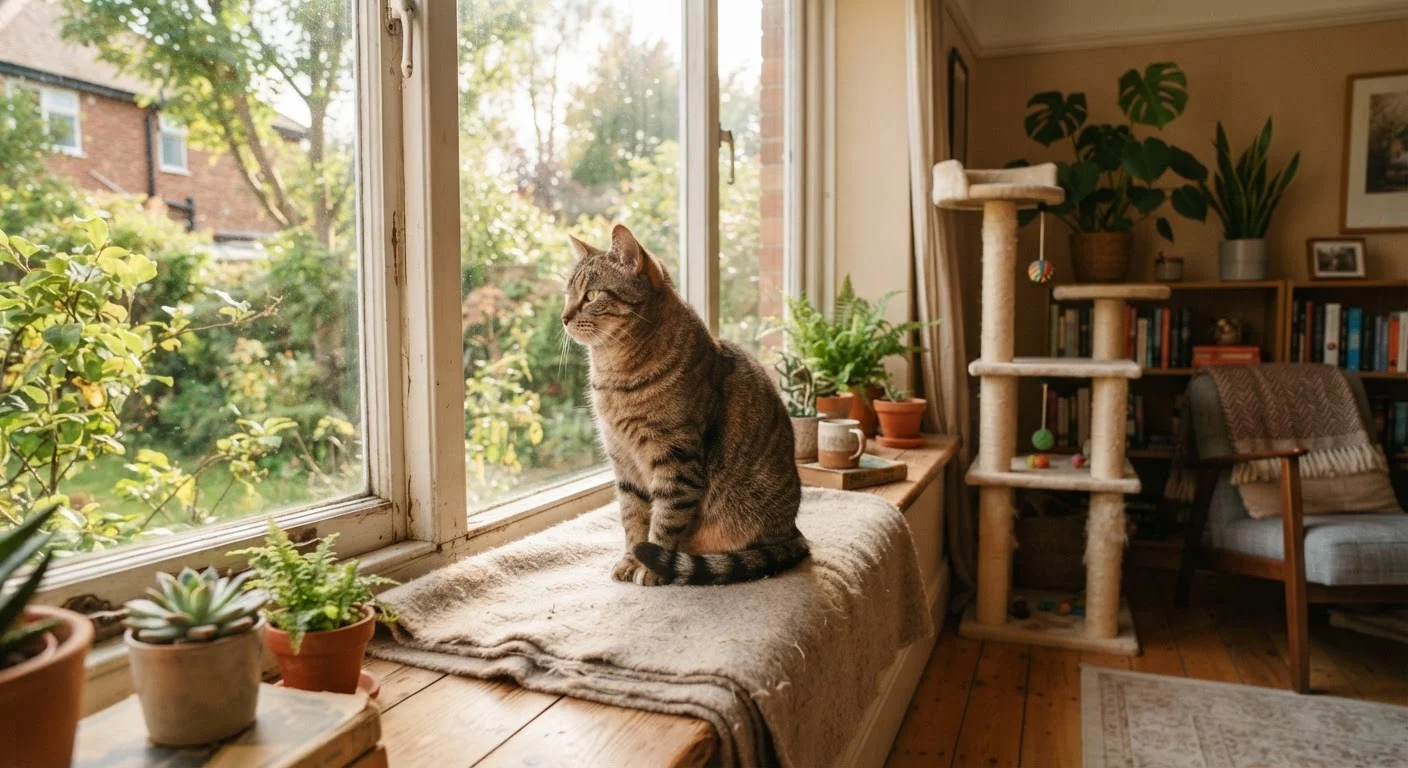
For cats that are particularly anxious or have had negative experiences, enrichment strategies that reduce general stress can make grooming sessions easier to approach.
Task-Specific Tips for Brushing, Nails, and Ears
Brushing: Long-haired cats typically need brushing several times per week; short-haired cats can often manage with once a week. Always brush in the direction of fur growth, and work on one section at a time rather than sweeping the whole body at once.
Nail trims: You only need to trim the sharp tip - never cut into the pink quick (the blood vessel visible inside the claw). Doing one or two nails per session is completely fine, especially when starting out. If you're unsure, ask your vet to demonstrate the technique at your next checkup.
Ear checks: A healthy cat ear looks clean and light pink with minimal odor. Use a cotton ball moistened with a vet-approved ear cleaner to gently wipe the visible outer area only. Never insert anything into the ear canal.
When to Involve Your Vet
Some grooming tasks - like removing matted fur close to the skin or cleaning inside the ear canal - are best handled by a veterinarian or professional groomer. If your cat resists grooming strongly or shows signs of pain, discomfort, or skin irritation, consult your vet before continuing at home. This article covers general grooming education and is not a substitute for veterinary advice.
For a broader look at what it takes to care for a cat day to day, our overview of the real costs of cat ownership covers routine care expenses worth planning for.