Why Introductions Require a Structured Approach
Cats are territorial by nature, and resident pets - whether cats, dogs, or small animals - have established routines and claim to their home environment. A new cat arriving without structure is perceived as an intruder, which can trigger defensive aggression, stress-related hiding, or litter box avoidance in either animal. For guidance on litter box issues that can arise during transitions, see our article on why litter box problems happen.
A phased introduction gives each animal time to process a new smell, then a new sound, then a new visual presence - well before any physical encounter occurs. This mirrors how cats naturally negotiate space in the wild and dramatically reduces the risk of injury or lasting conflict.
What you will need
Separate safe room
Provides the new cat a stress-free base where resident pets cannot access during the adjustment period.
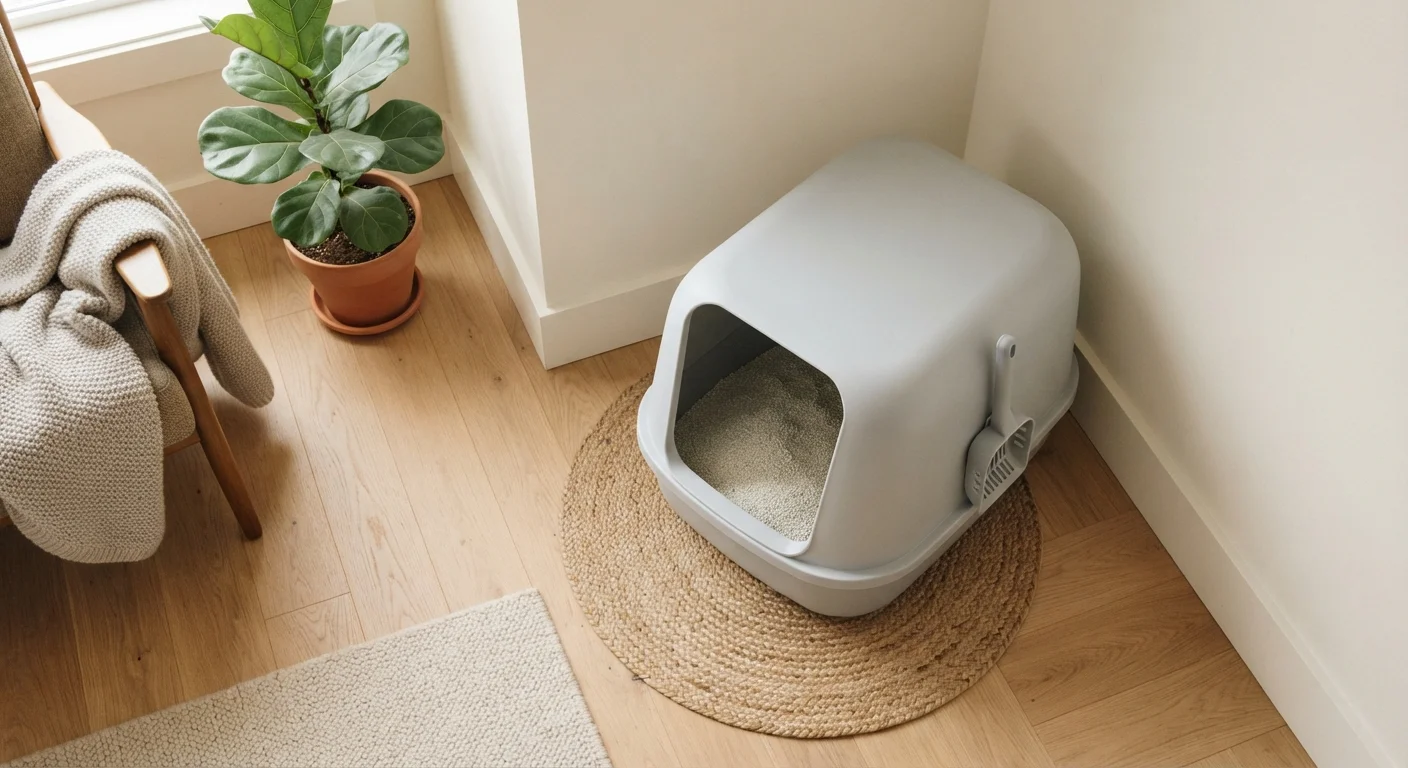
Extra litter boxes
Prevents territorial conflict over bathroom resources - general guidance is one box per cat plus one extra.
Feliway or similar feline pheromone diffuser
May help reduce anxiety in cats during environmental changes; plug-in versions work continuously in a room.
Baby gate with a small cat door
Allows visual and scent contact between pets while maintaining a physical boundary during gradual introductions.
Interactive wand toy
Useful for redirecting attention and building positive associations during brief shared sessions.
Step-by-Step Introduction Process
Follow these steps in order, moving forward only when both animals are showing relaxed, neutral behavior at the current stage. The full process typically spans two to four weeks.
Set up the new cat's safe room before arrival
Before the new cat sets paw in your home, prepare a dedicated room with everything it needs: food, water, a litter box, scratching surface, hiding spots, and comfortable bedding. Keep this room off-limits to resident pets. A quiet space reduces the new cat's stress immediately and gives it a territory it can claim without competition.
Let the new cat decompress for at least two to three days
Resist the urge to rush introductions. Allow the new cat to eat, rest, and explore its safe room without pressure. Visit regularly to build trust through quiet interaction - sit on the floor, offer treats, and let the cat approach you. Do not force handling during this phase.
Begin scent swapping between pets
Exchange bedding or small blankets between the new cat and your resident pet(s) so each can investigate the other's scent in a completely safe context. Place the swapped item near feeding areas to build a positive association. Repeat this daily for several days. If resident pets sniff calmly and move on, that is a good sign; if they hiss, growl, or avoid food, give more time before moving forward.
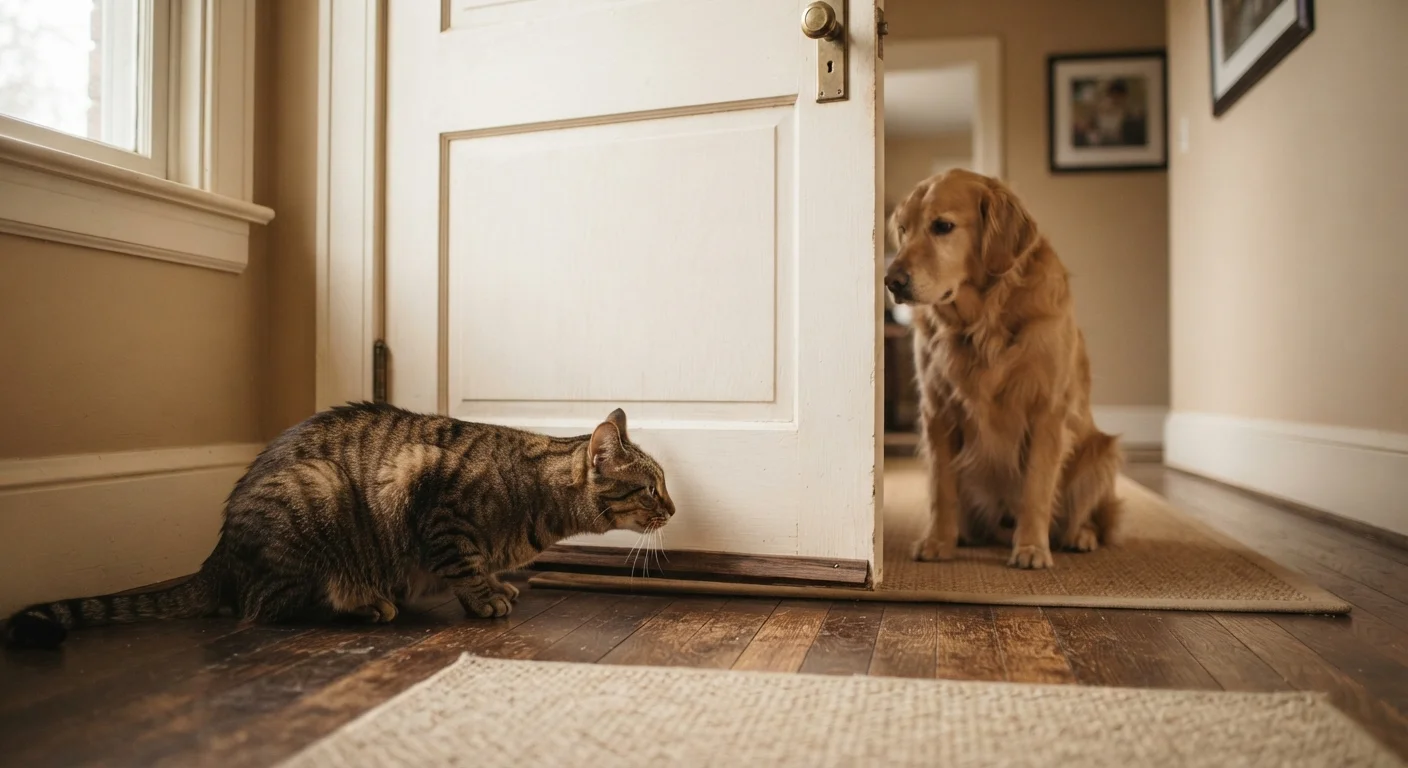
Allow scent contact under the door
Once both animals seem relaxed around the exchanged scents, let them sniff each other through the gap under the safe room door. You may hear some hissing - this is normal. Feed both pets on opposite sides of the door at the same time to link the other animal's smell with something enjoyable. Continue this for several days until both animals eat calmly near the door.
Introduce visual contact with a barrier in place
Use a baby gate, slightly cracked door, or a door with a mesh screen to let pets see each other without physical contact. Keep sessions short - five to ten minutes - and monitor body language closely. Relaxed posture, slow blinking, or simple curiosity are positive signals. Flattened ears, puffed tails, or sustained staring signal that more time is needed before proceeding.
Allow supervised, shared-space time
When both pets consistently appear calm during barrier sessions, allow them into a shared space together under close supervision. Keep sessions brief at first. Have a towel or blanket ready to gently separate animals if needed - never use bare hands to break up a conflict. Gradually extend shared time as confidence grows on both sides.
Do Not Rush the Timeline
A successful multi-pet introduction is measured in weeks, not days. Skipping stages because things seem to be going well is one of the most common mistakes owners make. A single bad encounter early in the process can create lasting fear or aggression that takes months to undo. Follow each stage until both animals are genuinely comfortable before advancing.
Dogs Need Specific Prep Too
If your resident pet is a dog, practice "leave it" and "settle" commands before the first shared-space session. A dog that lunges - even playfully - can permanently frighten a new cat. Keep the dog on a leash during early face-to-face introductions and reward calm behavior consistently.
Managing Setbacks and Long-Term Harmony
Even with a careful approach, setbacks happen. A hiss, a swat, or a retreat back into hiding doesn't mean the introduction has failed - it means one or both animals need more time at an earlier stage. Return to the last point where both were comfortable and rebuild from there.
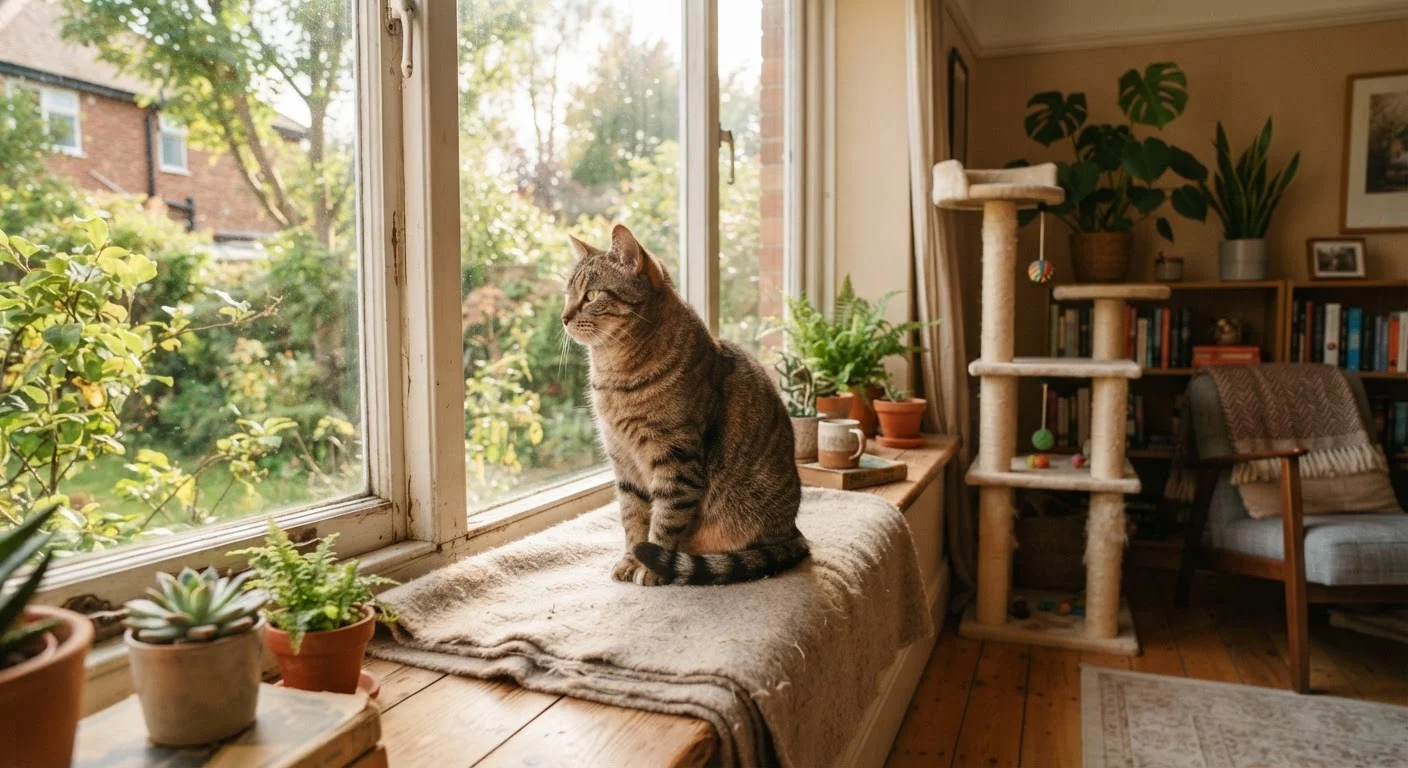
Long-term harmony depends on ensuring every pet has access to resources without competition. Follow the general guideline of one litter box per cat plus one extra, and place boxes in separate locations so no cat can be "ambushed" at the box. Provide vertical space - shelves, cat trees, window perches - so cats can choose their own elevation and avoid each other when needed. If you have an only-cat household expanding to two, our piece on keeping a solo cat engaged may also offer relevant enrichment ideas applicable to a multi-cat environment.
Watch for Signs of Stress-Related Illness
Both new and resident cats can develop stress-related health problems during a multi-pet introduction, including urinary issues and appetite changes. If you notice a cat straining to urinate, completely refusing food for more than 24 hours, or showing dramatic behavior shifts, contact your veterinarian promptly. See signs that warrant a vet visit for more detail.
Before bringing any new animal into the home, a health check is always wise. If you're also considering adding a small pet - such as a rabbit or guinea pig - read our checklist on what to check before bringing a small pet home to ensure your setup is safe for everyone.