Why Litter Box Problems Are So Common
Litter box avoidance is one of the most frequently reported concerns among cat owners - and one of the most misunderstood. It's rarely about stubbornness or spite. Cats are clean animals with specific preferences, and when something about their box feels wrong - whether that's cleanliness, location, size, or stress - they will often find another spot rather than tolerate discomfort.
The good news is that most litter box problems are solvable once you identify the underlying cause. If you're new to cat ownership, our complete guide for first-time cat owners provides useful foundational context alongside this article.
Rule Out Medical Causes First
A sudden change in litter box behavior - especially straining, frequent trips, blood in urine, or complete avoidance - can signal a urinary tract infection, kidney disease, or feline idiopathic cystitis. These conditions require prompt veterinary attention. Never assume a new litter box problem is purely behavioral until a health issue has been ruled out.
Common Mistakes That Lead to Avoidance
Understanding what typically goes wrong is the most direct path to a lasting fix. The mistakes below cover the most frequently identified causes, based on veterinary and animal behaviorist guidance.
Not cleaning the litter box frequently enough.
Why it happens: Many owners underestimate how sensitive cats' noses are - a box that seems acceptable to a human may be intolerable to a cat. Busy schedules also make daily scooping easy to skip.
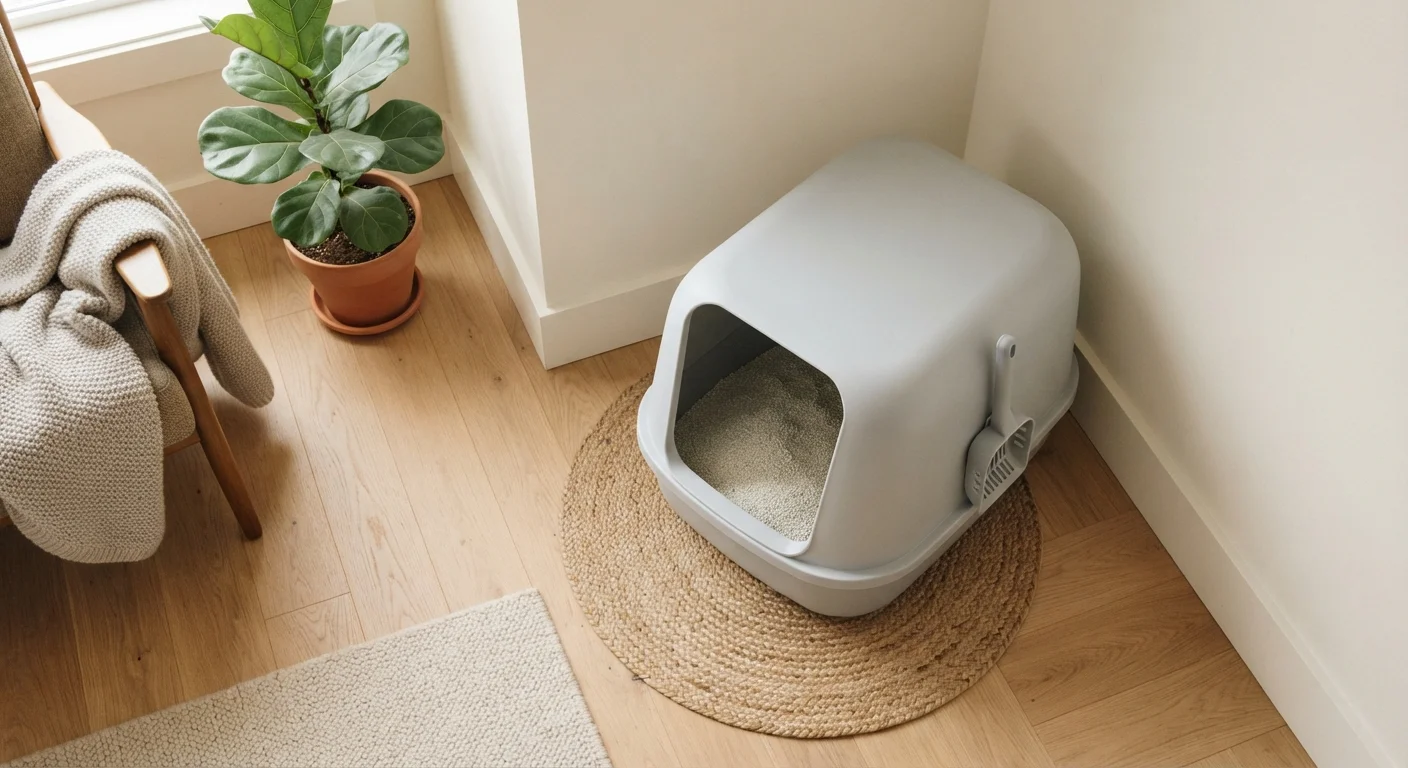
Placing the litter box in a loud, high-traffic, or hard-to-reach location.
Why it happens: Owners often choose box placement based on what's convenient for them - a laundry room, garage, or busy hallway - without considering the cat's need for privacy and security.
Using a box that is too small for the cat's body.
Why it happens: Standard litter boxes sold in stores are often undersized for adult cats, particularly larger breeds. Owners may not realize size matters until problems develop.
Not providing enough boxes in a multi-cat household.
Why it happens: It's easy to assume one or two boxes will be shared without conflict. In practice, cats may guard resources, and a subordinate cat may avoid a box entirely if a dominant cat controls access.
Switching litter type abruptly without a gradual transition.
Why it happens: Owners change litters to save money, reduce dust, or control odor - often without realizing that a sudden texture or scent shift can lead to avoidance.
Ignoring stress or environmental changes as a trigger.
Why it happens: A new baby, moved furniture, construction noise, or a new pet can all disrupt a cat's sense of security. Owners may not connect these changes to litter box problems.
Avoid Punishment - It Makes Things Worse
Scolding or physically correcting a cat for missing the litter box does not teach them to use it correctly. Cats do not connect after-the-fact punishment with the act. Punishment increases stress and anxiety, which can worsen avoidance behavior and damage your relationship with your cat. Focus on identifying and fixing the root cause instead.
When to Call the Vet - and What Comes Next
Once medical causes have been ruled out, address the physical setup before assuming behavioral intervention is needed. Audit the number of boxes, their cleanliness, size, placement, and litter type. Make one change at a time so you can identify what's working.
If stress is a factor, look at your home environment holistically. Understanding your cat's broader behavior patterns can help - our piece on why cats behave the way they do may offer useful perspective. For persistent or complex cases, a consultation with a certified veterinary behaviorist is worth pursuing.
~10%
Cats affected by elimination problems
Estimates from veterinary behaviorists suggest inappropriate elimination is among the most common behavioral concerns reported by cat owners in the US.
1 in 3
Cats surrendered due to litter issues
Litter box avoidance is consistently cited as one of the leading reasons cats are relinquished to shelters, according to animal welfare researchers.
This article is for general informational purposes only and does not constitute veterinary advice. If your cat is showing signs of illness or distress, consult a licensed veterinarian promptly.