Understanding Guinea Pigs as Pets
Guinea pigs - also called cavies - are gentle, communicative rodents native to the Andes region of South America. They have been kept as companion animals for centuries and remain one of the more rewarding small-pet choices for families and individuals alike. Unlike some small mammals, they are active during daylight hours, which makes them easier to interact with on a typical human schedule.
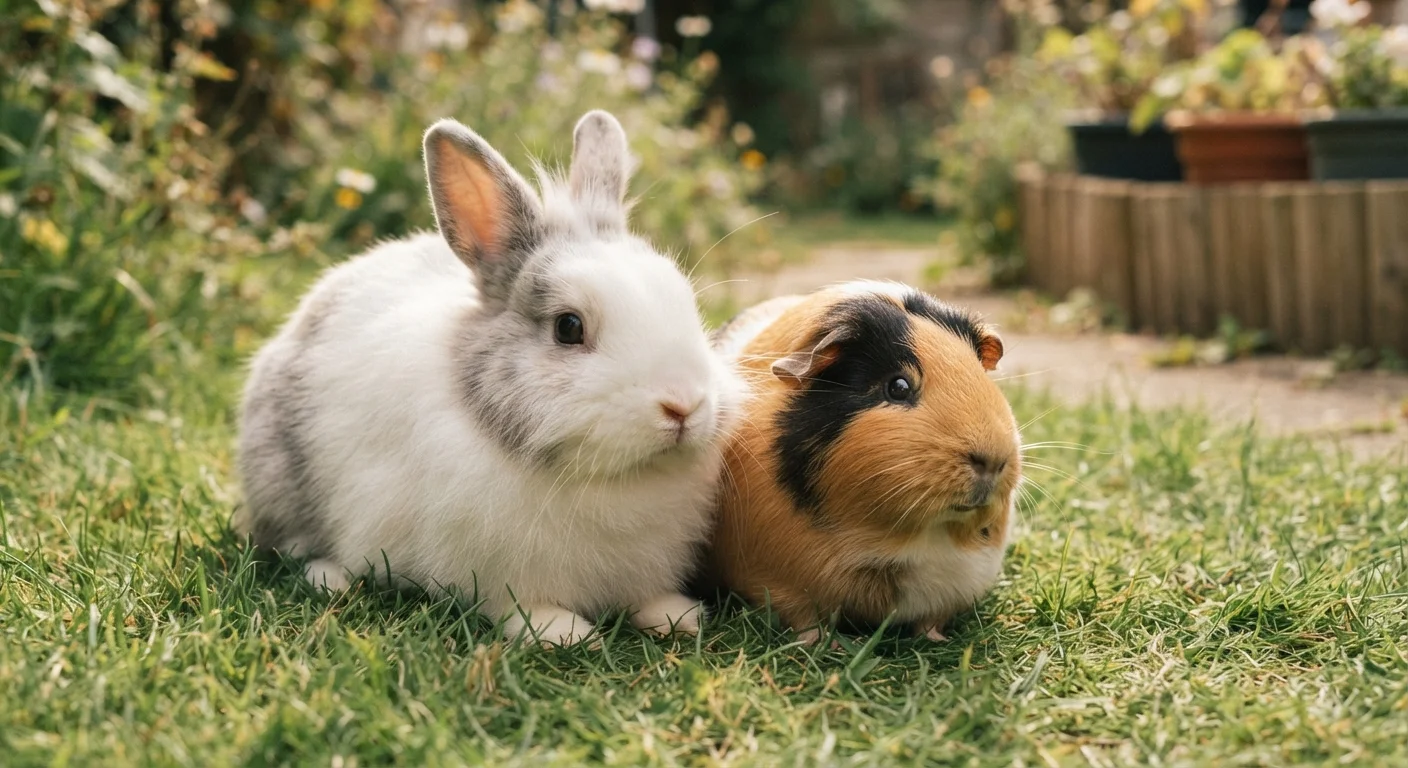
That said, guinea pigs have specific care requirements that first-time owners often underestimate. They live an average of 5 to 7 years - a meaningful commitment. If you are weighing your options, our comparison of guinea pigs and rabbits can help you decide which pet fits your household best.
5-7 years
Average guinea pig lifespan
The Humane Society of the United States notes that guinea pigs typically live 5 to 7 years with proper care.
7.5 sq ft
Minimum recommended cage space for a pair
Guinea Pig Cages Store and multiple cavy welfare organizations recommend at least 7.5 square feet of floor space for two guinea pigs.
80%
Portion of diet that should be hay
Veterinary small-animal nutritionists consistently recommend hay as the dominant component of a guinea pig's daily diet.
Housing and Habitat Setup
Cage size is one of the most commonly overlooked aspects of guinea pig care. Many enclosures sold in pet stores are smaller than what cavy welfare organizations recommend. For two guinea pigs, aim for at least 7.5 square feet of floor space - more is always better. C&C (cubes and coroplast) cage systems are a popular DIY option that offers flexibility and generous space at a reasonable cost.
Place the habitat in a draft-free area away from direct sunlight, and maintain an ambient temperature between 65°F and 75°F. Guinea pigs are sensitive to heat; temperatures above 80°F can put them at risk of heatstroke. Line the enclosure with safe, absorbent bedding such as paper-based or fleece options - avoid cedar and pine shavings, which contain aromatic oils that can irritate their respiratory tracts.
Maximize Space Without Spending a Fortune
C&C cages (made from wire grid panels and a coroplast base) are a widely used alternative to store-bought enclosures and can be customized to fit nearly any room layout. Many cavy owners share free building plans in online guinea pig communities. This approach typically delivers far more floor space per dollar than commercially produced small-animal cages.
Spot-clean soiled bedding daily and perform a full cage clean at least once per week. A tidy environment prevents ammonia buildup, which can cause eye and lung irritation.
Diet and Nutrition Essentials
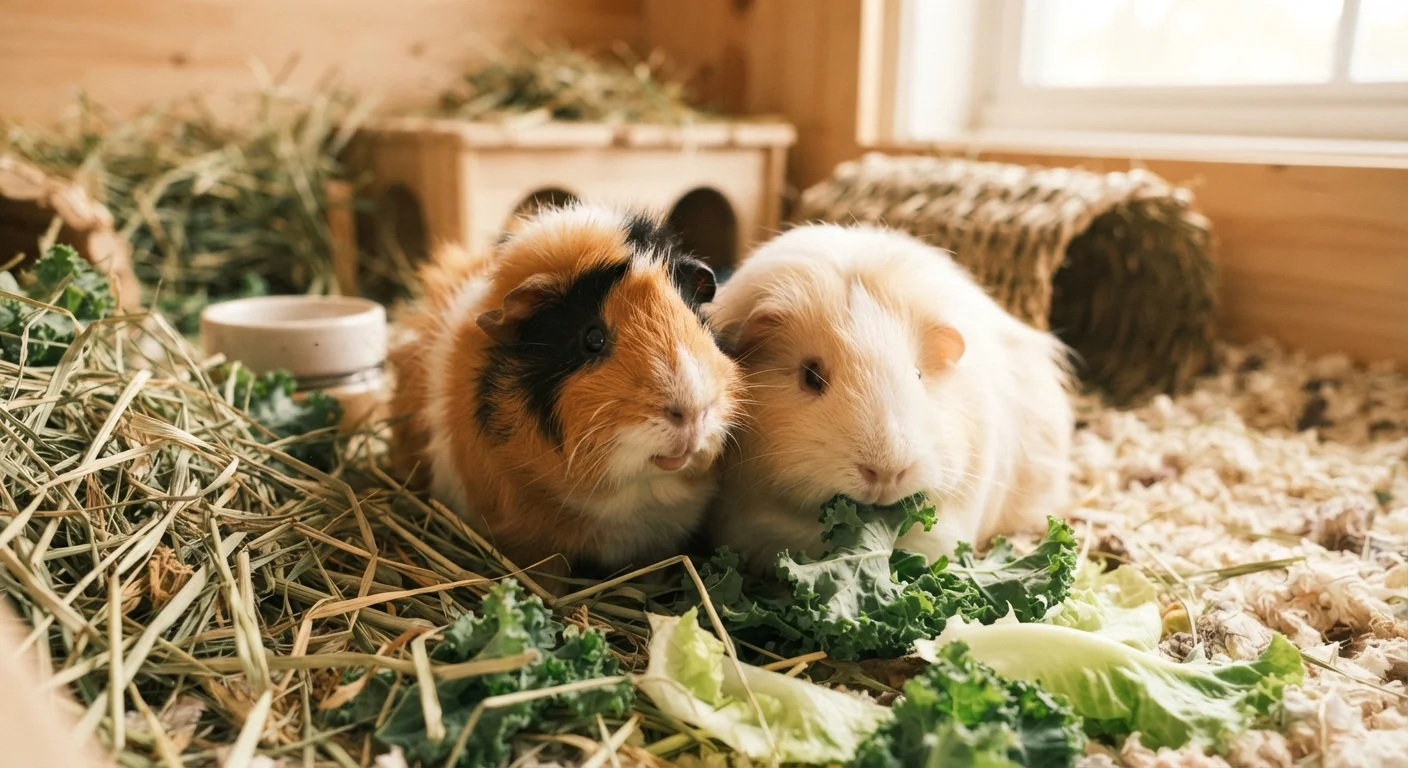
A guinea pig's diet rests on three pillars: unlimited timothy hay, fresh vegetables, and a measured daily portion of pellets. Hay should make up roughly 80% of their diet - it supports healthy digestion and keeps their continuously growing teeth worn down properly.
The single most critical nutritional fact for new owners: guinea pigs, like humans, cannot synthesize vitamin C on their own. A deficiency causes scurvy, which leads to lethargy, weight loss, and joint pain. Provide fresh vitamin-C-rich vegetables daily - bell peppers and dark leafy greens such as romaine lettuce and kale are solid choices. Avoid iceberg lettuce (low nutritional value) and excessive fruit (high sugar). Pellets should be plain, guinea-pig-specific, and fortified with vitamin C, but vitamin C in pellets degrades quickly, so fresh food remains the reliable source.
Vitamin C Deficiency Is a Serious Risk
Guinea pigs that don't receive adequate vitamin C can develop scurvy within weeks. Symptoms include rough coat, swollen joints, and reluctance to move. Fresh bell pepper or other vitamin-C-rich vegetables served daily - not just relying on pellets - is the most reliable way to prevent this. If you suspect a deficiency, contact a veterinarian rather than attempting to self-treat.
Fresh water must be available at all times, either from a sipper bottle or a heavy ceramic bowl that won't tip easily.
Social Needs and Handling
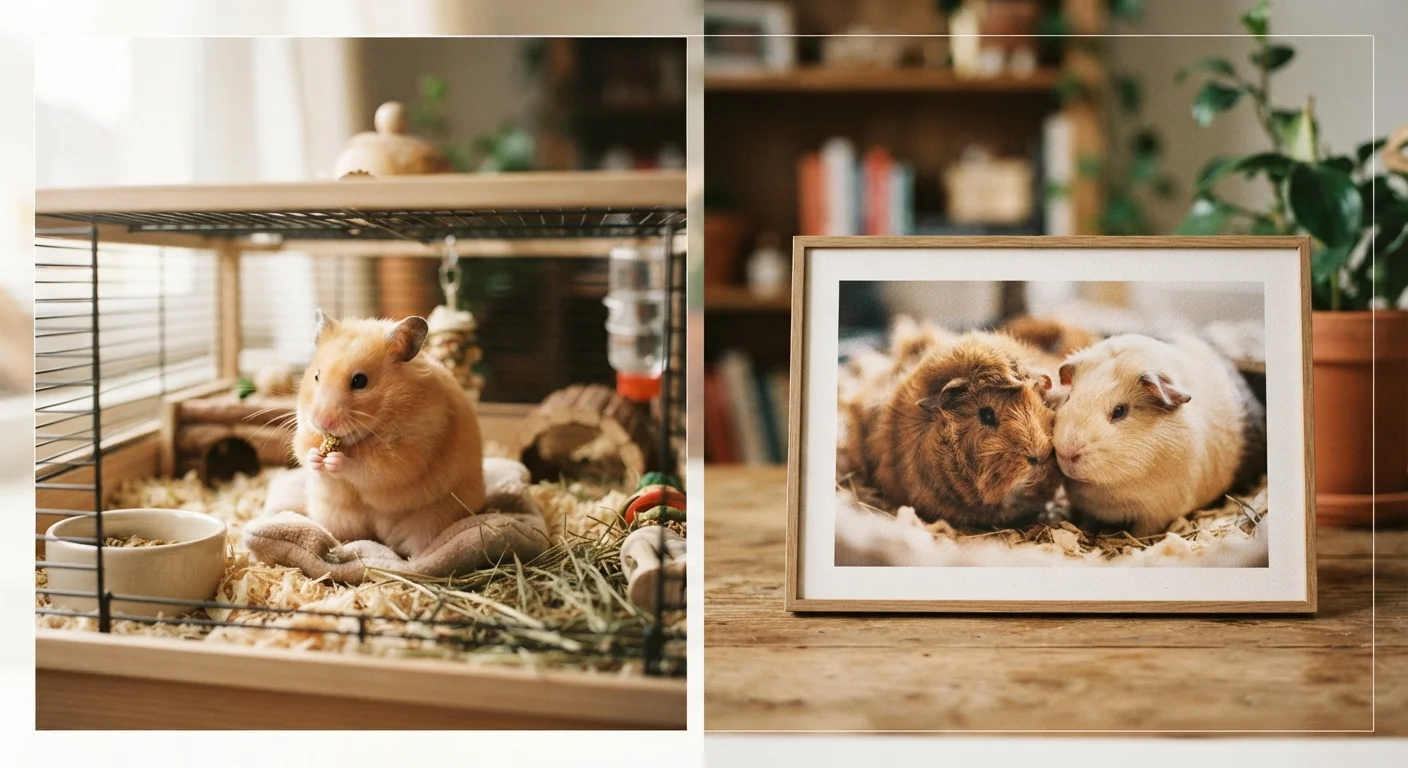
Guinea pigs are herd animals. Keeping a single guinea pig is generally discouraged by cavy welfare groups because solitary cavies frequently show signs of stress and loneliness. Two same-sex guinea pigs (or a neutered male paired with a female) are the standard recommendation. For a deeper look at how social needs differ across small pets, see our article on keeping a single hamster versus a pair of guinea pigs.
Despite needing each other's company, guinea pigs also bond meaningfully with their human caregivers. Start handling sessions short - five to ten minutes - while the animal is young or newly adopted, and always support their hindquarters when picking them up. They rarely bite when handled calmly and consistently. You'll know your guinea pig is relaxed when you hear purring and wheeking (a high-pitched squeal of excitement).
Introduce two guinea pigs on neutral territory - not inside an existing cage - to reduce territorial behavior and give the pairing the best chance of success.
Guinea pigs can become defensive of established spaces; a neutral introduction significantly lowers the risk of aggressive encounters.
Keep a small notebook or phone note tracking your guinea pig's weekly weight. A loss of even a few ounces over two weeks can be an early indicator of illness before other symptoms appear.
Because guinea pigs mask sickness, weight tracking is one of the most reliable early-detection tools recommended by small-mammal veterinarians.
Grooming and Hygiene
Short-haired guinea pig breeds require minimal grooming - a gentle brush once a week and a check for skin issues is usually sufficient. Long-haired breeds such as Peruvians or Silkies need daily brushing to prevent mats and tangles, and many owners trim their coat for practicality.
Nail trimming is necessary every three to four weeks. Overgrown nails can curl and cause pain or injury. If you are unsure how to do this safely, ask a veterinarian or experienced cavy owner to demonstrate before you attempt it solo. Guinea pigs should never be bathed frequently - their skin can dry out. Spot-clean only when necessary, and dry them thoroughly afterward to prevent chilling. Check their ears monthly for wax buildup and their teeth regularly; a guinea pig's incisors should align correctly and appear a healthy yellow-orange color (this is normal pigmentation, not decay).
Health Signs Every Owner Should Know
Guinea pigs are prey animals and instinctively hide illness, so changes in behavior are often the earliest warning sign. Contact an exotic or small-mammal veterinarian - not every general practice sees cavies - if you notice any of the following:
- Sudden loss of appetite or weight loss
- Runny nose, labored breathing, or frequent sneezing
- Diarrhea or abnormal droppings
- Hair loss, scratching, or skin crusting
- Head tilting, circling, or loss of balance
- Decreased activity or hunched posture
Establish a relationship with a vet before an emergency arises, and schedule an annual wellness check. Dental problems are among the most common health issues in older guinea pigs and are best caught early.
Find an Exotic Vet Before You Need One
Not all veterinary clinics see guinea pigs. General-practice vets may have limited experience with cavy-specific conditions such as dental malocclusion or urinary stones. Search for an AEMV-affiliated exotic animal practitioner in your area and schedule an introductory visit soon after adoption - waiting until an emergency is too late to build that relationship.
This article is for general informational purposes only and does not constitute veterinary advice. Always consult a qualified veterinarian for any health concerns specific to your pet.
If you are also considering other small-pet companions, our overview of quieter small pets beyond hamsters and rabbits offers a broader look at your options.
Guinea Lynx - Medical and Care Reference
A comprehensive, peer-reviewed online resource covering guinea pig health, nutrition, and emergency care, widely referenced by cavy owners and veterinarians.
The Humane Society: Guinea Pig Care
Practical care guidelines from the Humane Society of the United States, covering housing, diet, handling, and health basics for new owners.
Association of Exotic Mammal Veterinarians (AEMV) Vet Finder
Use this directory to locate a veterinarian experienced with exotic and small mammals, including guinea pigs, in your region.