Social Needs and Temperament
One of the most fundamental differences between these two species is how they relate to others - both humans and fellow animals.
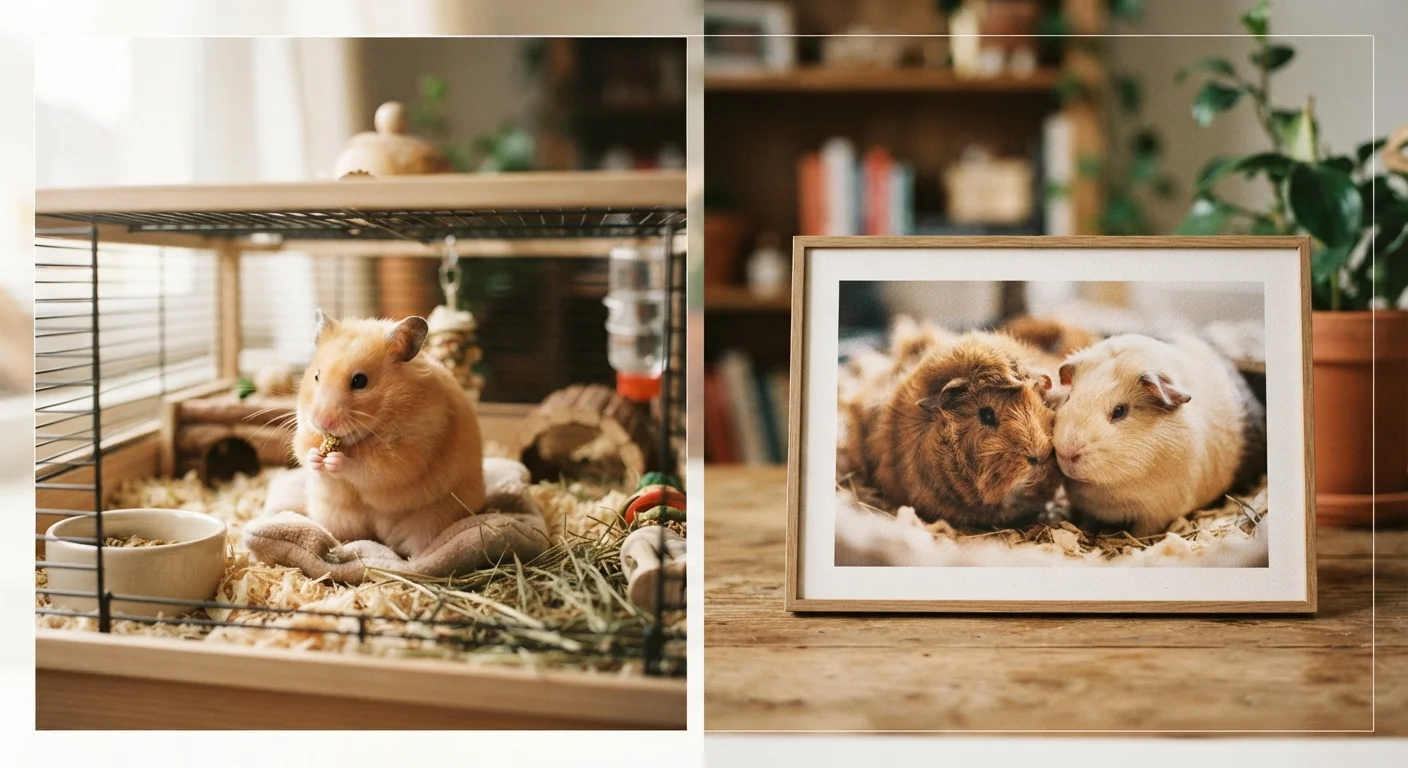
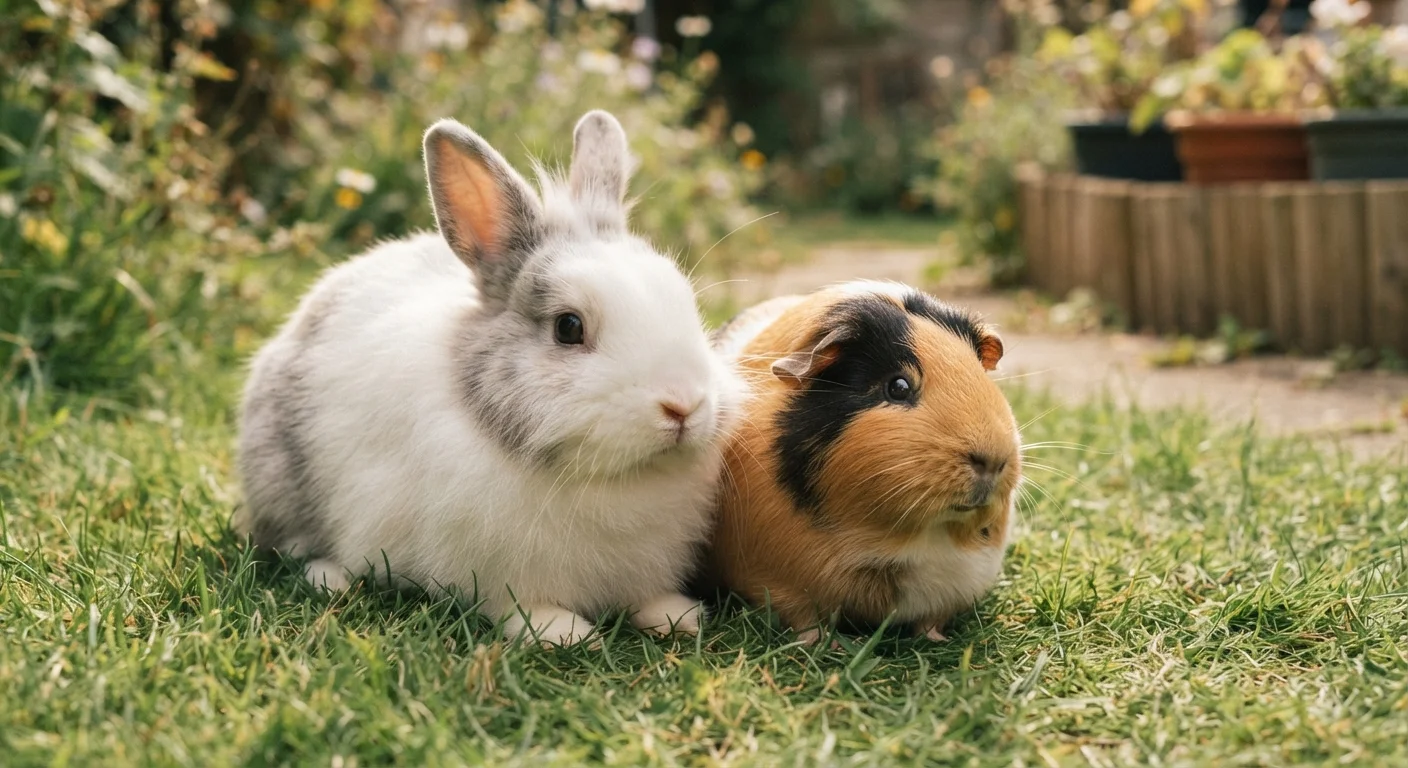
Guinea pigs are highly social creatures. Keeping a single guinea pig is widely considered poor welfare practice by exotic animal veterinarians, as solitary guinea pigs can develop signs of depression and anxiety. A bonded pair or small group is the recommended minimum. For more on this dynamic, see our article on small pet social needs.
Rabbits, by contrast, can live alone but do better with a bonded companion rabbit when owners are away for long stretches. They tend to form close attachments to humans when socialized early, but they are also prey animals that can become frightened by sudden handling. Unlike guinea pigs - which generally tolerate being lifted - rabbits may kick powerfully if they feel insecure, which can cause injury to the animal or handler. Teaching children to interact gently and at floor level is essential.
Prey Animal Behavior Matters
Both guinea pigs and rabbits are prey animals, meaning their instinct is to hide signs of illness until they are quite unwell. Regular weight checks and close observation of eating and bathroom habits are among the most effective ways to catch health issues early. A sudden change in behavior is often the first visible warning sign.
Space, Housing, and Exercise Requirements
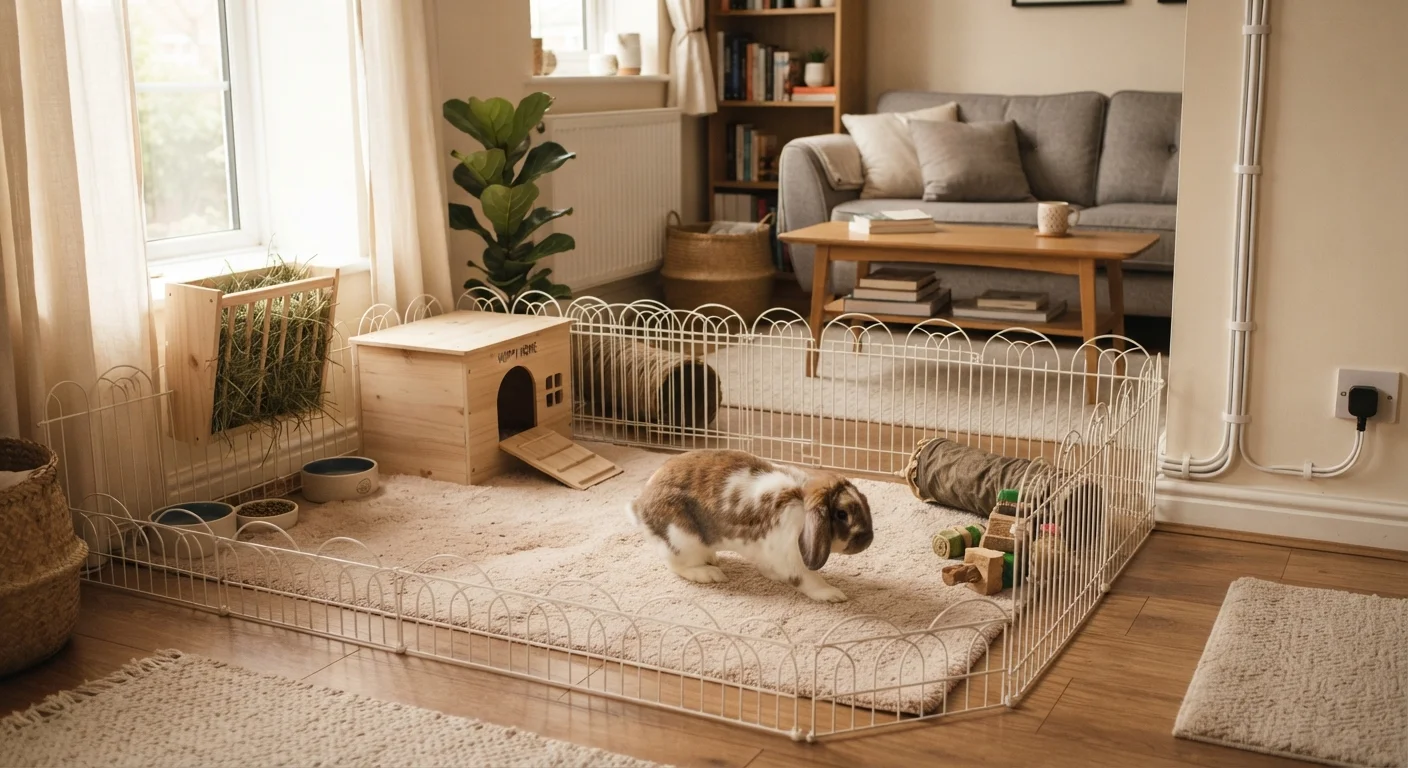
Housing expectations are where many beginners underestimate the rabbit. While guinea pigs need a generously sized enclosure - at minimum 7-8 square feet of floor space for a pair, according to guidelines from many small animal welfare organizations - rabbits require considerably more room and daily unsupervised roaming time outside their enclosure.
A rabbit kept in a hutch all day without exercise will develop physical and behavioral problems, including muscle weakness and destructive habits. Our guide on housing a pet rabbit indoors covers the most common setup mistakes in detail.
Guinea pigs are also active but can get much of their exercise within a well-designed enclosure supplemented by supervised floor time. Both species should be kept indoors in the US where temperature extremes and predators pose real risks outdoors.
| Criterion | Guinea Pig | Rabbit |
|---|---|---|
| Typical lifespan | 4-7 years | 8-12 years |
| Minimum recommended housing | 7-8 sq ft for a pair | 12+ sq ft plus daily roaming |
| Social needs | Thrives in pairs or groups | Can live alone; benefits from companion |
| Handling tolerance | Generally tolerates lifting | Can kick; prefers floor-level contact |
| Special dietary requirement | Daily vitamin C source essential | Unlimited hay critical; sugar is risky |
| Noise level | Vocal - wheeking, chirping | Largely silent |
| Trainability | Limited | Can learn litter habits and name |
| Neutering recommended? | Sometimes, for health | Yes - strongly recommended |
Diet and Nutrition
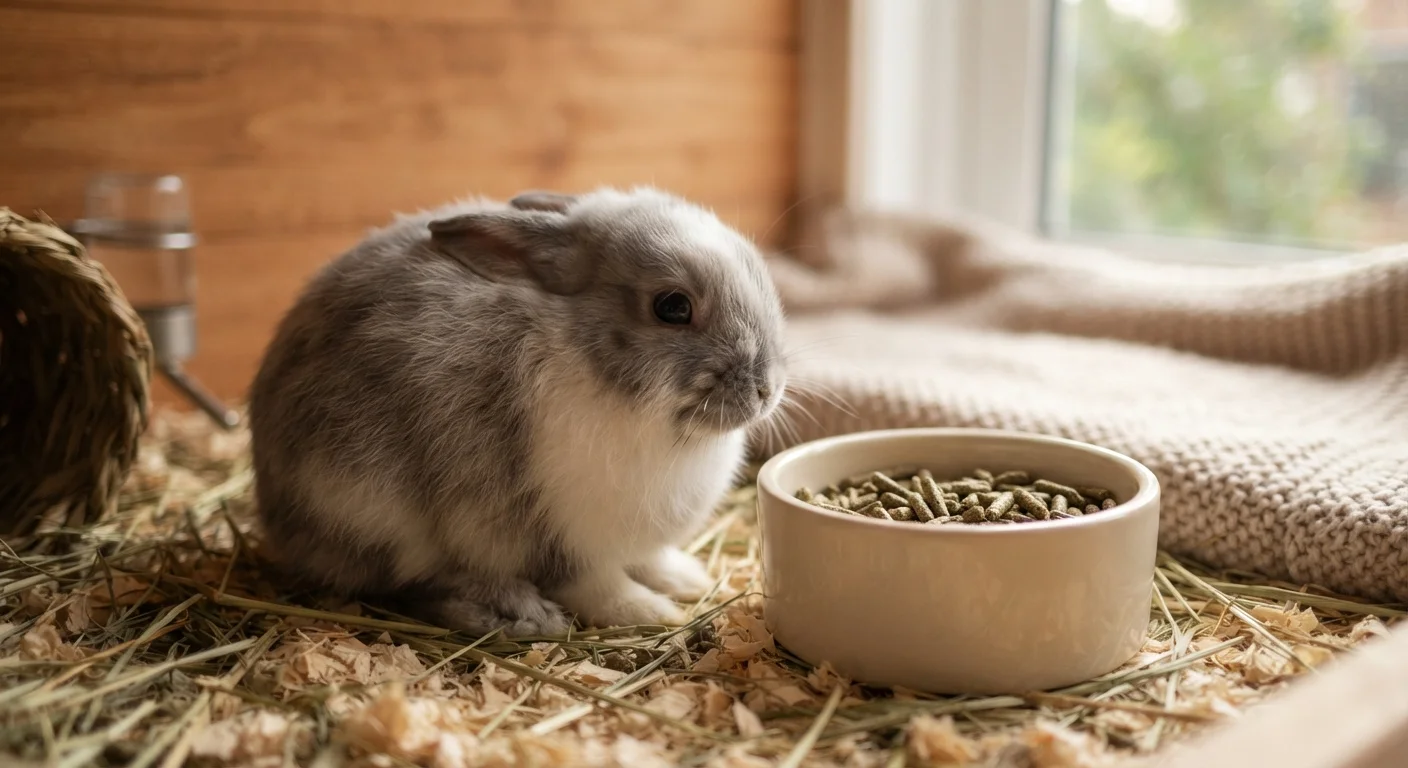
Both species are herbivores and rely on unlimited, high-quality grass hay as the foundation of their diet. However, there are important differences.
Guinea pigs cannot synthesize vitamin C, similar to humans. Without a daily dietary source - typically fresh bell peppers, leafy greens, or specially formulated pellets - they develop scurvy, which causes joint pain, lethargy, and immune problems. This is a non-negotiable daily requirement.
Rabbits have an extremely sensitive gastrointestinal system. A rabbit's gut must keep moving continuously; a slowdown (called GI stasis) can become life-threatening within hours. This means sugary treats, excessive pellets, or a low-fiber diet are particularly dangerous. Fresh water, unlimited timothy or orchard grass hay, and limited leafy greens form the safest baseline. If your rabbit or guinea pig stops eating, treat it as urgent - a loss of appetite in small pets is rarely trivial.
4-7 yrs
Average guinea pig lifespan
Guinea pigs generally live shorter lives than rabbits, which is an important factor for families making a long-term commitment.
8-12 yrs
Average rabbit lifespan
Well-cared-for domestic rabbits often outlive the expectations of first-time owners, requiring a longer commitment than many realize.
~90%
Of diet should be grass hay
Exotic animal veterinarians commonly recommend that hay make up the vast majority of both guinea pig and rabbit daily food intake.
Health, Lifespan, and Veterinary Costs
Both guinea pigs and rabbits require care from a veterinarian with exotic or small-mammal experience, which typically costs more than a standard dog or cat visit. Routine wellness checks and emergency visits should be factored into your budget before adopting either animal.
Guinea pigs generally live 4-7 years. Common health concerns include respiratory infections, dental problems (malocclusion), and skin conditions such as mites or ringworm. For a thorough overview of guinea pig care, see our complete guide for first-time guinea pig owners.
Rabbits typically live 8-12 years when well cared for, making them a longer commitment than many people realize. Spaying or neutering is strongly recommended for health and behavioral reasons, which adds an upfront cost. Dental disease is also common in rabbits, as their teeth grow continuously throughout their lives.
If you're curious about other small pet options before deciding, our roundup of quieter small pets beyond rabbits and hamsters may help you explore further.
This article provides general educational information about small pet care and is not a substitute for advice from a qualified exotic animal veterinarian. Always consult a professional for health or behavioral concerns specific to your pet.