Why Small Pet Myths Are More Harmful Than They Seem
Small pets - hamsters, rabbits, guinea pigs, fish - are often purchased with the assumption that they're simple, nearly maintenance-free companions. That assumption is driven more by popular myth than by animal science. When owners act on misinformation, pets can suffer from poor housing, incorrect diet, and preventable illness.
The myths below are among the most commonly repeated. Each one has a real cost to the animals involved. Correcting them isn't about shaming anyone - it's about giving every small pet the care it actually needs. Before bringing any new animal home, it's worth reviewing what preparation genuinely looks like: our pre-arrival checklist covers the essentials.
Myth
Hamsters are easy, low-maintenance pets - perfect for young children or first-time owners.
Fact
Hamsters have specific housing, dietary, and social needs that require consistent adult supervision and commitment.
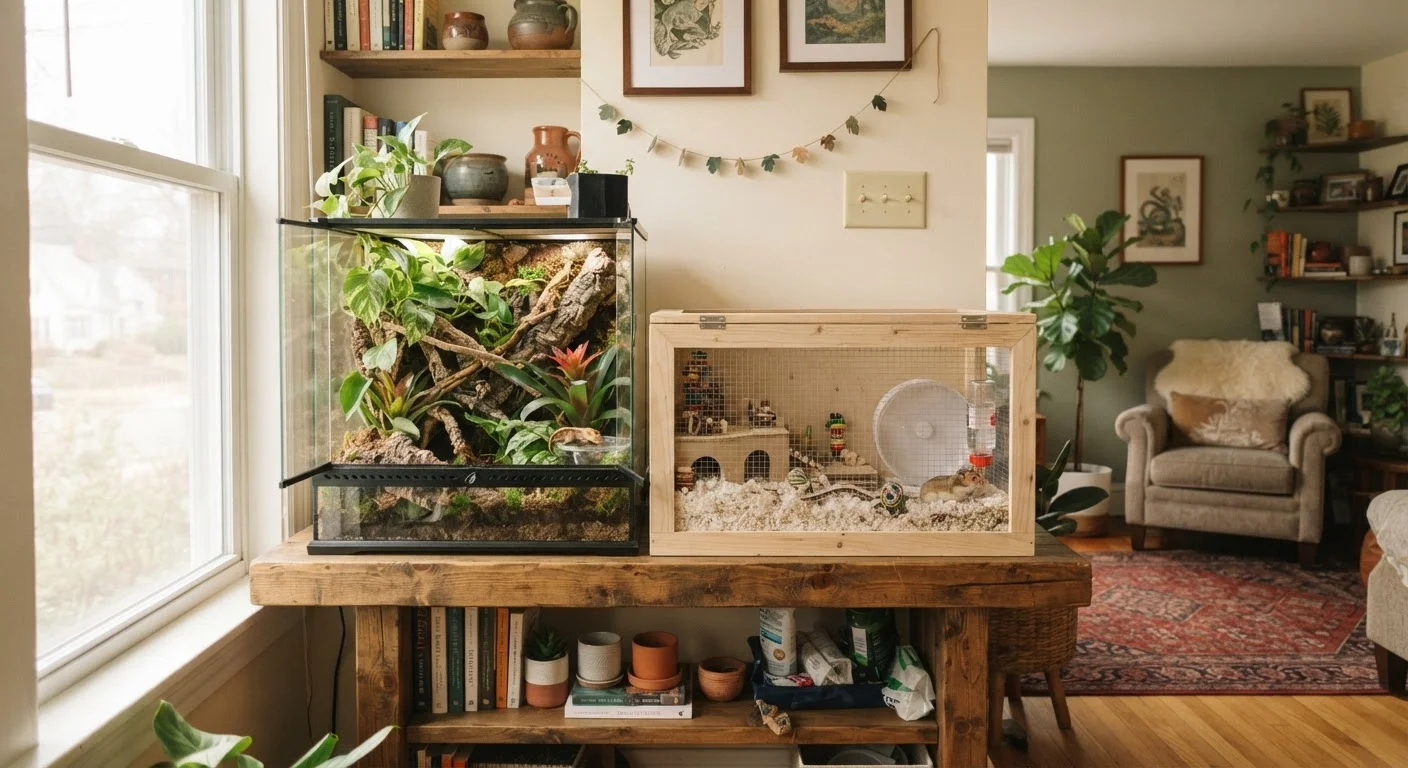
Hamsters are often marketed as beginner pets, but they are nocturnal, easily stressed by rough handling, and require significantly more space than most starter cages provide. Many veterinary and animal welfare organizations recommend a minimum enclosure footprint of 40 inches by 20 inches - far larger than the small wire cages typically sold in stores.
They also need mental enrichment through burrowing material, wheels (appropriately sized to prevent back injury), and varied food beyond seed mixes. Young children may inadvertently frighten or injure a hamster, which can bite when startled. Adult oversight and proper technique are essential. Our guide on handling small animals without stressing them out walks through the basics of calm, safe interaction.
Myth
Goldfish have a three-second memory and don't notice their environment.
Fact
Research has repeatedly shown goldfish can remember things for months, recognize patterns, and be trained to perform tasks.
The three-second memory claim is a persistent folk myth with no scientific basis. Studies in fish cognition have demonstrated that goldfish can learn to navigate mazes, respond to feeding signals, and recognize their owners. They are also sensitive to water quality, temperature, and tank size.
The bigger welfare concern is housing: goldfish produce significant waste and require properly cycled, filtered tanks - not bowls. An uncycled bowl leads to ammonia spikes that cause chronic stress and organ damage. A 20-gallon tank is a common starting recommendation for a single fancy goldfish. For practical help maintaining an aquarium, see our fish tank maintenance guide.
Myth
Rabbits are content living alone in a small hutch and don't need much space or interaction.
Fact
Rabbits are highly social animals that need companionship, daily exercise, and significantly more space than a standard hutch provides.
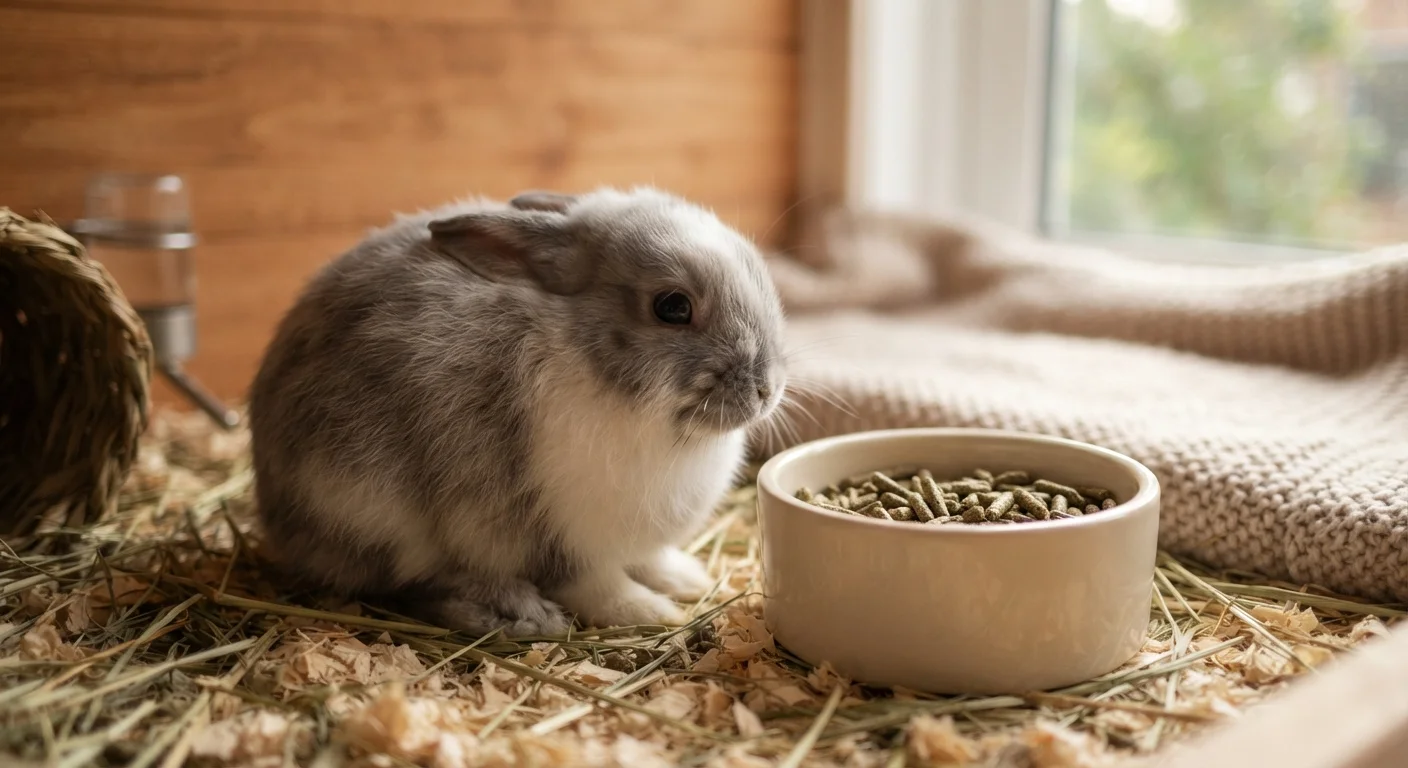
In the wild, rabbits live in groups and are constantly active. A rabbit kept alone in a small hutch with no stimulation can develop stereotypic behaviors - repetitive, purposeless movements that signal chronic stress - and is at risk for obesity and skeletal problems from lack of movement.
Animal welfare guidance generally recommends rabbits have access to a space of at least 10-12 square feet for a living area, plus additional run space for daily exercise. Many rabbit welfare organizations also advocate for keeping rabbits in bonded pairs. Indoor housing has specific safety considerations too - unsecured cables and toxic plants are real hazards. Our article on housing a pet rabbit indoors covers what to get right from the start.
Myth
Guinea pigs and rabbits are the same in their care needs and can live together safely.
Fact
Guinea pigs and rabbits have different dietary requirements and communication styles, and housing them together carries real health risks.
Although both are small herbivores, rabbits and guinea pigs should not be housed together. Rabbits can accidentally injure guinea pigs - who are smaller and more fragile - through play or territorial behavior. Rabbits may also carry Bordetella bronchiseptica, a respiratory bacterium that is generally harmless to them but can cause serious illness in guinea pigs.
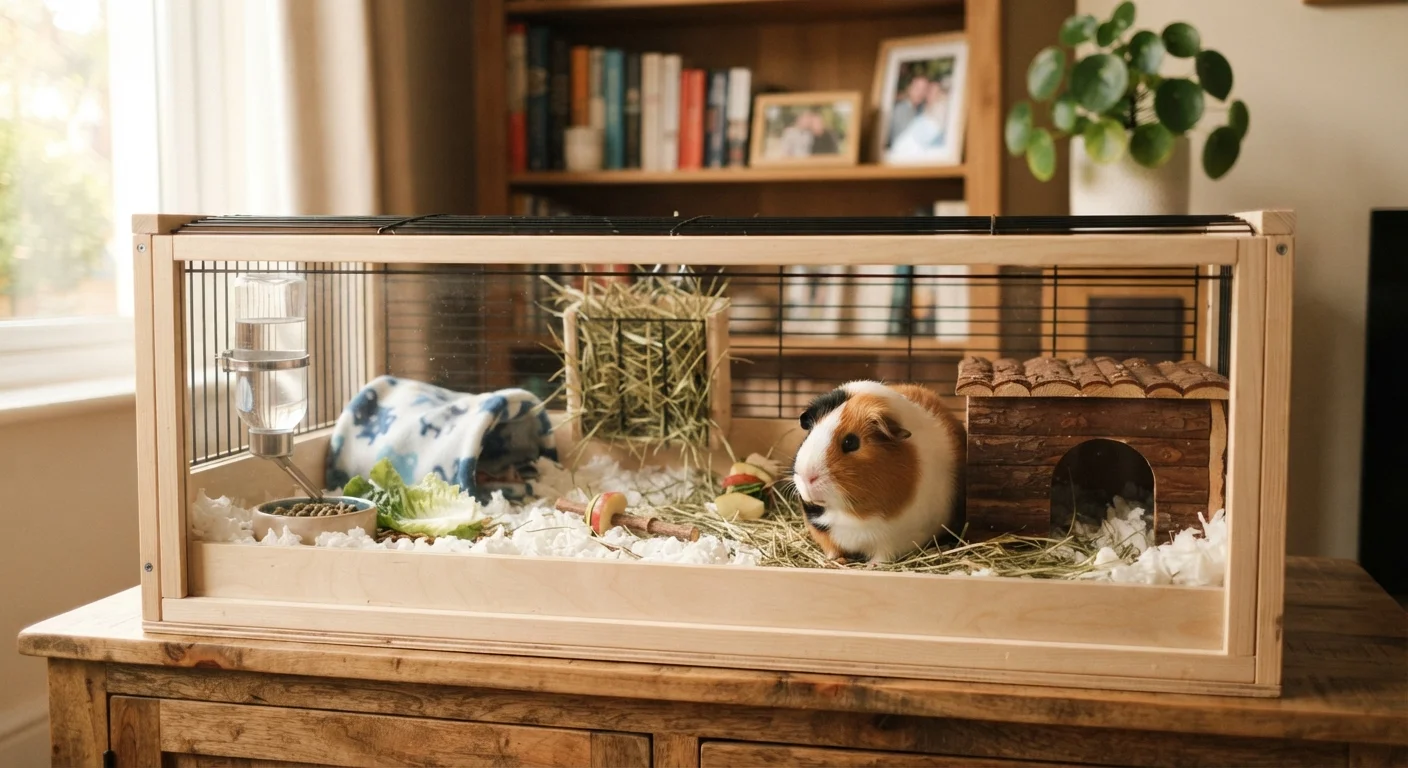
Diet is another key difference: guinea pigs cannot synthesize their own vitamin C and must receive it through food or supplementation. Rabbit pellets do not meet this need, and a guinea pig fed a rabbit-appropriate diet can develop scurvy. Each species needs food, housing, and companions of its own kind.
Myth
Small pets don't need veterinary care - they're too inexpensive to justify a vet visit.
Fact
All pets benefit from veterinary oversight, and small pets often mask illness until a condition is advanced.
The idea that a vet visit isn't worthwhile for a small pet reflects a misunderstanding of both animal welfare and cost. Many small animals - particularly prey species like rabbits, guinea pigs, and hamsters - instinctively conceal signs of illness. By the time an owner notices something is wrong, the animal may already be seriously ill.
Finding a veterinarian experienced with exotic or small mammals before a health crisis occurs is genuinely important. Routine check-ups help establish baseline health, catch dental problems (common in rabbits and guinea pigs), and identify issues early when treatment is most effective. The cost of preventive care is generally far lower than emergency intervention.
The Bigger Picture: Small Pets Deserve Informed Owners
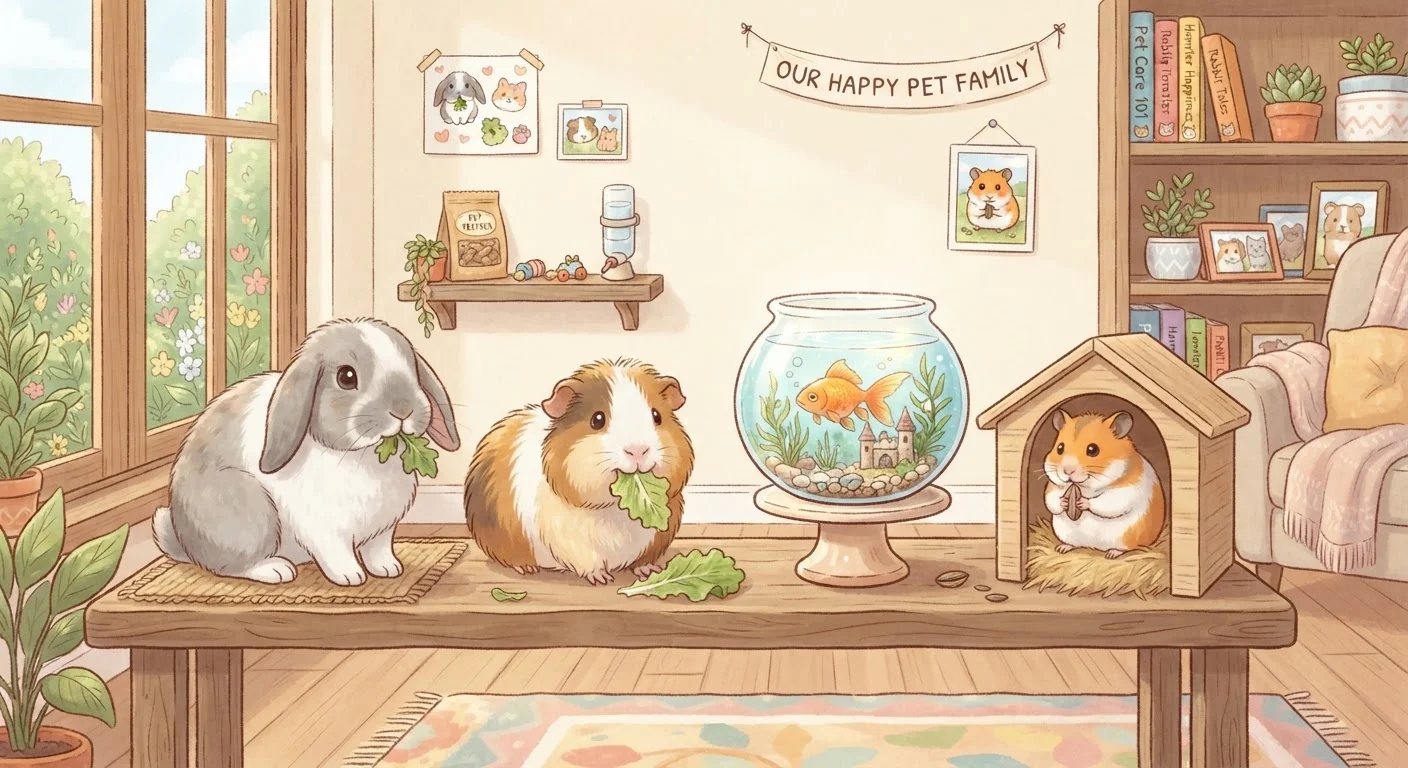
Most small pet myths share a common thread: they minimize the animal's complexity. In reality, rabbits, guinea pigs, hamsters, and fish all have evolved behavioral needs that can't be met by a small cage, seed mix, and minimal interaction.
10-15 years
Average lifespan of a well-kept goldfish
Goldfish kept in properly maintained aquariums routinely live over a decade, far exceeding the lifespan most owners expect.
40" × 20"
Minimum recommended hamster enclosure footprint
Leading animal welfare organizations recommend enclosures significantly larger than standard pet store cages to support natural burrowing behaviors.
12-24 hrs
Maximum safe time a rabbit should go without eating
Veterinary guidance indicates that a rabbit not eating for more than 12-24 hours is at serious risk for gastrointestinal stasis, a potentially fatal condition.
If a small pet stops eating, that's rarely trivial. A rabbit that goes more than 12-24 hours without food can develop a life-threatening condition called GI stasis. Guinea pigs and hamsters also show illness through appetite changes. Our article on what it means when a small pet stops eating explains the most common causes and when to call a vet.
Small pets are genuinely rewarding companions - but that reward comes from understanding what they are, not what we assume them to be. For a balanced view of what ownership truly involves, see our guide on the honest advantages and real drawbacks of small pet ownership.
Small Pets Mask Illness - Act Quickly
Prey animals such as rabbits, guinea pigs, and hamsters instinctively hide signs of illness or pain. By the time behavioral changes become obvious, a health issue may already be serious. If your small pet is lethargic, not eating, or behaving unusually, contact a veterinarian experienced with small mammals promptly - do not wait to see if things improve on their own.
This article is for general informational purposes only and is not a substitute for veterinary advice. Always consult a qualified veterinarian for questions about your pet's health or care.