Why Appetite Loss Is a Red Flag in Small Pets
Small pets are biologically different from dogs and cats in one critical way: many of them - especially rabbits and guinea pigs - must eat almost continuously to keep their digestive systems functioning. When a rabbit stops eating hay for even half a day, the gut can slow and gas can accumulate rapidly, leading to GI stasis. For guinea pigs, which cannot synthesize their own Vitamin C, illness compounds quickly when food intake drops.
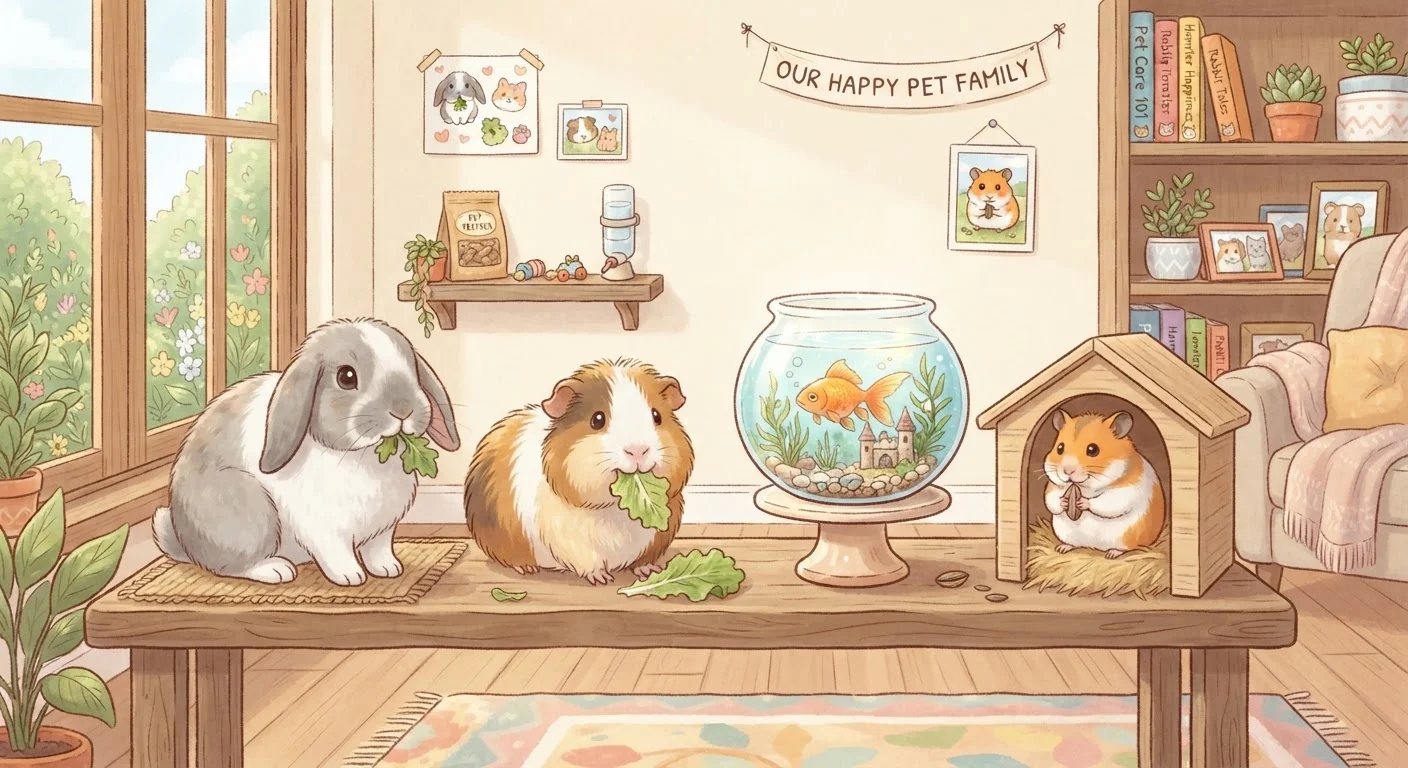
Hamsters present a different picture. They naturally cache food, so a full food bowl doesn't always mean they've eaten - and in cooler temperatures, they may enter a torpor-like state that reduces activity and appetite. Understanding which species you own shapes how urgently you respond.
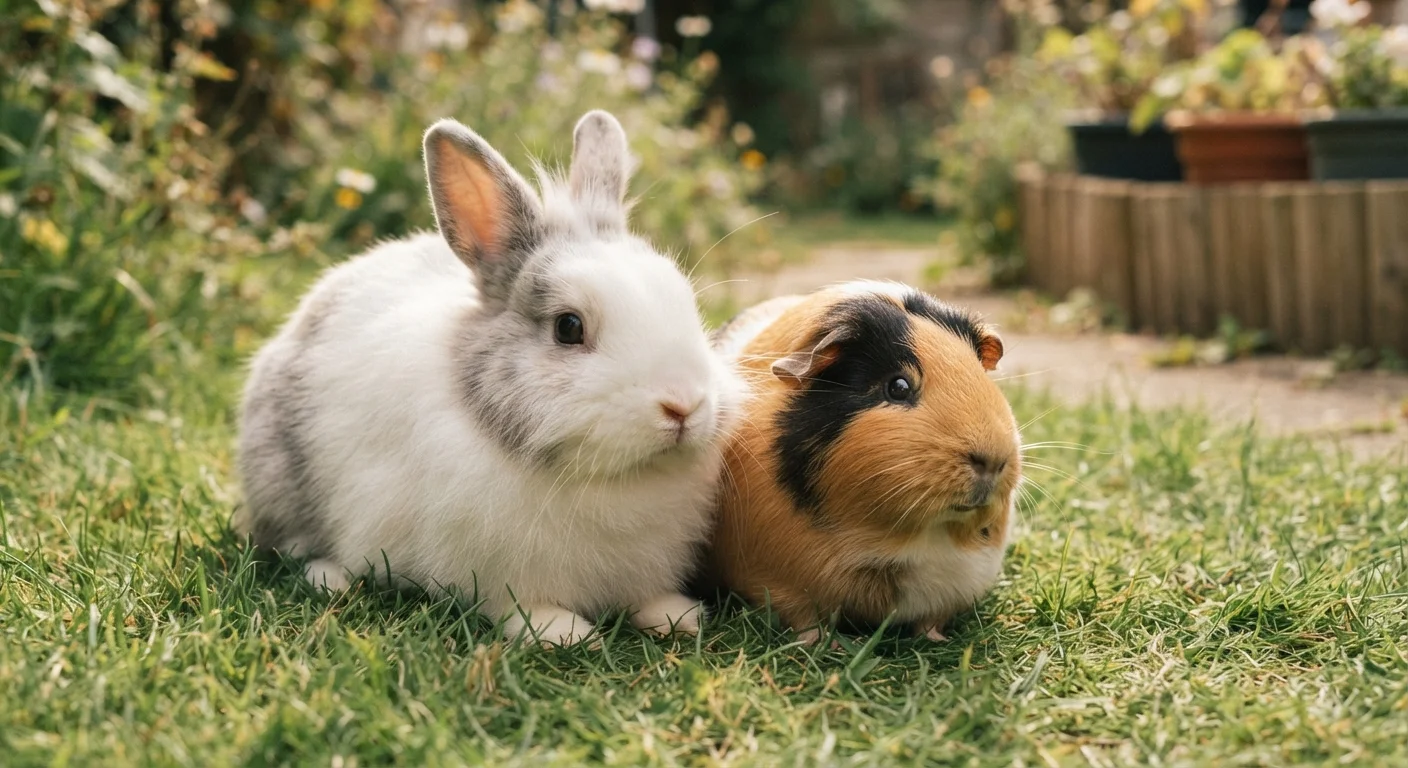
If you're still weighing which small animal to bring home, our guide on choosing between a guinea pig and a rabbit explains how their care needs differ at a foundational level.
Hamster Torpor vs. Illness: Know the Difference
Hamsters can enter a torpor state - slowed breathing, reduced movement, and minimal eating - when their environment drops below about 65°F (18°C). This can look alarming but may not be illness. Gently warm the enclosure and monitor for improvement over a few hours. If the animal does not resume normal activity and eating after warming, treat it as a medical concern and contact a vet.
The Most Common Causes
Several conditions regularly explain why small pets stop eating:
- Dental problems: Rabbits and guinea pigs have continuously growing teeth. Malocclusion (misaligned teeth) or overgrown molars make chewing painful. Dental issues are among the most common causes of appetite loss in these species.
- GI stasis or bloat: In rabbits and guinea pigs, gut slowdown is both a cause and a consequence of not eating. A low-fiber diet, dehydration, or stress can trigger it.
- Respiratory or systemic infection: Sneezing, labored breathing, or lethargy alongside food refusal often indicates an infection requiring antibiotics.
- Pain or injury: Any source of pain - an abscess, a sore limb, or internal discomfort - can suppress appetite across all small species.
- Stress and environmental change: A new cage location, a new pet in the household, or a change in routine can be enough to put a small animal off food temporarily.
- Dietary change: Abrupt switches in food type or brand can cause food refusal, particularly in guinea pigs.
Our article on common small pet myths explores why many owners underestimate how fragile these animals can be.
12 hrs
Maximum safe window before a vet call for a rabbit not eating
Veterinary guidance from exotic animal practitioners consistently advises that rabbits showing no food intake for 12 or more hours require prompt professional evaluation.
#1
Dental disease: leading cause of appetite loss in rabbits and guinea pigs
Exotic animal veterinarians frequently cite dental malocclusion and molar spurs as the most common reason these species present with sudden food refusal.
When to Call Your Vet - and What to Observe First
The general rule across species: if your small pet has not eaten for 12 hours, call your vet. Don't wait for a full 24 hours. Early intervention dramatically improves outcomes, particularly for GI stasis.
Before calling, note the following so you can give your vet a useful picture:
- When did you last see the animal eat normally?
- Has the animal's stool changed - in size, consistency, or volume? Absence of droppings is a serious warning sign in rabbits.
- Is the animal showing other symptoms - hunched posture, teeth grinding, labored breathing, nasal discharge?
- Has anything changed recently - diet, bedding, temperature, new pets, or handling routines?
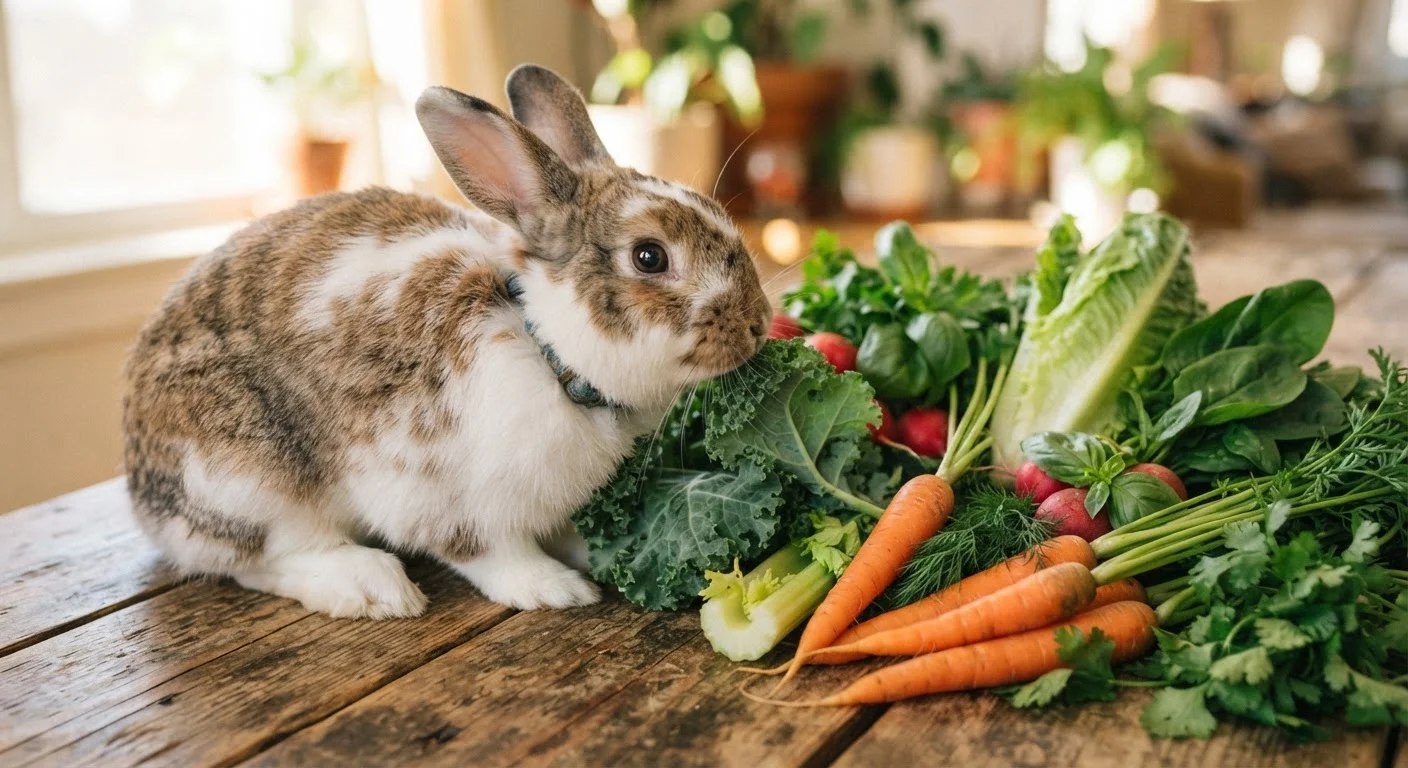
For rabbits specifically, you can review what rabbits can and cannot eat to assess whether a recent food introduction might be contributing to the problem.
Track Daily Droppings, Not Just the Food Bowl
Monitoring stool output is one of the most reliable early indicators of gut health in rabbits and guinea pigs. A sharp drop in the number, size, or consistency of droppings often precedes visible signs of illness by several hours. Get in the habit of checking the enclosure floor each morning so you can spot changes before they escalate.
Preventing Appetite Loss Through Consistent Care
While not every illness is preventable, many causes of appetite loss in small pets are tied directly to husbandry - the day-to-day decisions about diet, housing, and enrichment.
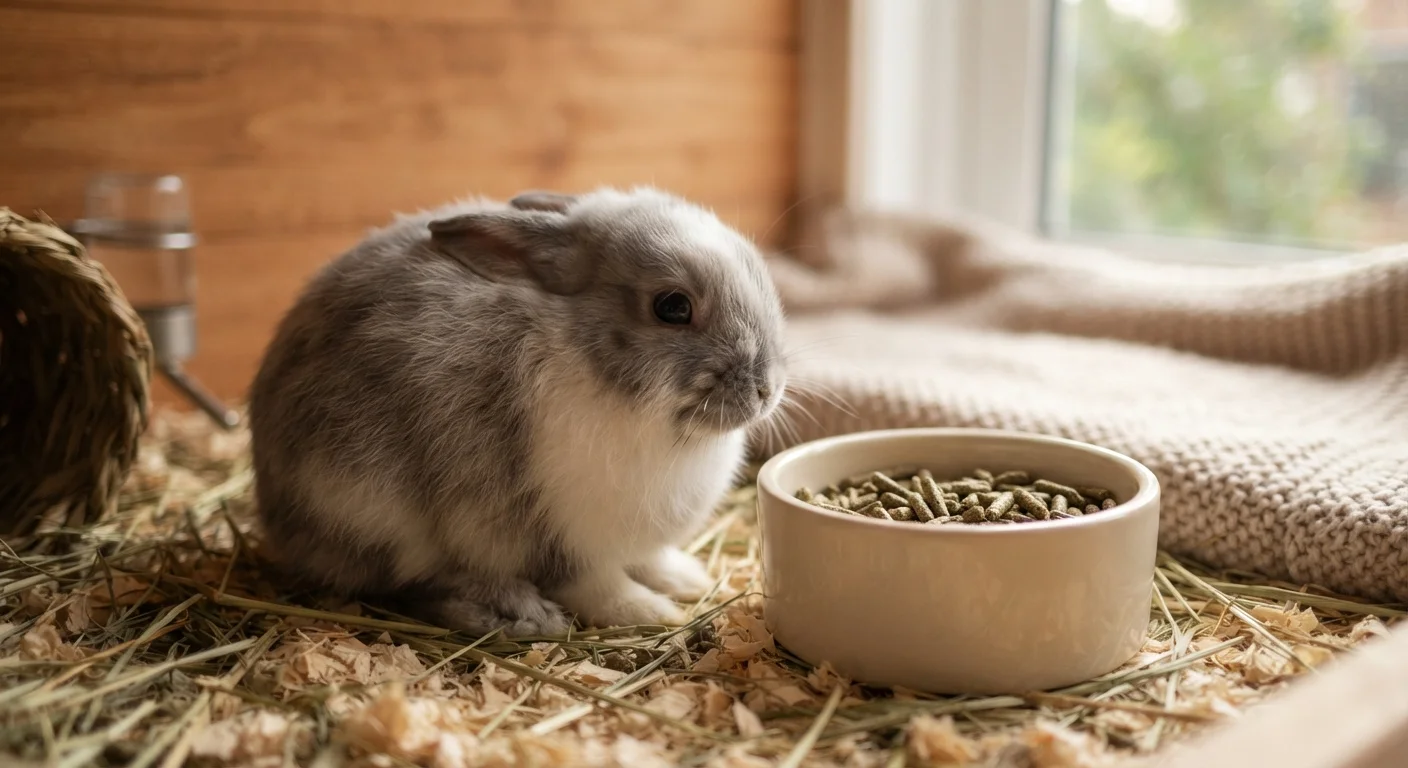
Feed species-appropriate diets: unlimited grass hay for rabbits and guinea pigs forms the foundation of gut health. Keep introductions of new foods gradual. Maintain stable temperatures, since fluctuations stress small animals and, in hamsters, can trigger pseudo-hibernation. Handle animals calmly and consistently to reduce anxiety-related appetite suppression.
Social environment also matters. Understanding your pet's social needs - whether it needs a companion or prefers to live alone - can prevent stress-related health problems, including food refusal.
Schedule annual vet checkups with an exotic or small animal veterinarian, as dental problems in particular are often caught early during routine exams before they affect eating.
This article is for general informational purposes only and is not a substitute for professional veterinary advice. If your pet shows signs of illness, contact a qualified veterinarian promptly.