
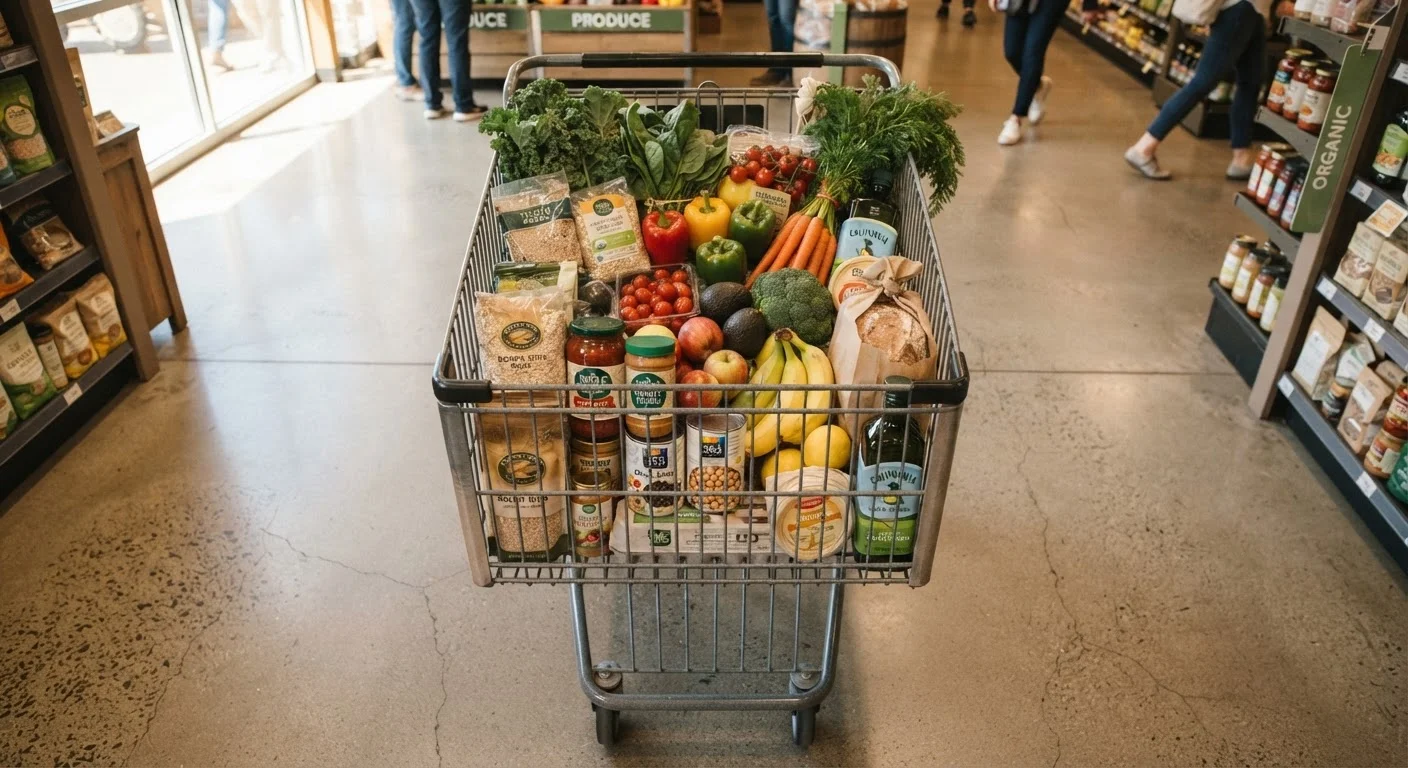
Why coupons aren't the only path to a smaller grocery bill
Coupons get a lot of airtime in personal finance conversations, but they come with real friction: time spent searching, restrictions on brands and sizes, and the risk of buying things you wouldn't have purchased otherwise. For most shoppers, the return doesn't justify the effort - and there are simpler levers to pull first.
The strategies below don't require apps, loyalty cards, or clipping anything. They're structural habits that reduce spending by changing how you shop, not by chasing discounts. Whether you're working with a tight budget or just want to stop leaving money on the table, these are worth building into your routine. For a broader look at where grocery habits fit into everyday financial health, see practical saving strategies.
Start with one habit, not seven
Trying to overhaul your grocery routine all at once rarely sticks. Pick one strategy - meal planning or unit-price checking is a strong starting point - and make it automatic before adding another. Small, consistent changes tend to hold better than ambitious overhauls. This mirrors the approach behind consistent saving habits more broadly.
Shop with a meal plan, not a vague list
Walking into a store without a clear plan is one of the most reliable ways to overspend. A meal plan - even a rough one covering three to four dinners - anchors your list to what you'll actually eat. This directly limits unplanned items landing in your cart.
The practical step: before you shop, check what's already in your fridge and pantry. Build meals around those ingredients first, then fill gaps. This habit connects directly to reducing food waste - something explored in depth in the pantry-first shopping routine guide.
A meal plan anchors your list and limits unplanned items landing in your cart.
Choose store-brand products by default
Store-brand (also called private-label) products are manufactured to the same food safety standards as name-brand equivalents. For pantry staples - canned goods, dried pasta, flour, oats, cooking oils - the quality difference is rarely noticeable. The price difference, however, can be 20-40% lower.
A useful rule: start with the store brand and only switch back to a name brand if you genuinely notice a quality gap. Most shoppers find that only a handful of items clear that bar.
Store-brand staples can cost 20-40% less with little to no noticeable quality difference.
Buy produce in season
Out-of-season produce travels farther, requires more storage, and commands higher prices. Strawberries in January and asparagus in October both carry a premium that seasonal shopping avoids entirely.
Seasonal buying also tends to mean better flavor, since items haven't spent weeks in cold storage or on a truck. A simple reference: check what's prominently displayed and generously stocked - stores typically receive better pricing on seasonal items and pass some of that along. Frozen vegetables are a year-round alternative that lock in peak-season nutrition at stable prices.
Seasonal produce is priced lower, travels less, and typically tastes better.
Learn how supermarkets are laid out
Supermarkets are designed to maximize time in the store - and time in the store tends to correlate with spending. High-margin items are placed at eye level. End-cap displays (the shelves at aisle ends) are prime real estate for promotional products that aren't always the value they appear to be. Eye-catching displays near checkouts are designed specifically for impulse decisions.
Perimeter shopping - focusing on the outer edges where produce, dairy, meat, and bread typically live - can keep you away from heavily marketed center-aisle products. For a useful reality check on promotional pricing, see why sale-item savings aren't always real.
Perimeter shopping keeps you away from the heavily marketed, higher-margin center aisles.
Compare unit prices, not package prices
The price on the shelf tag isn't the most useful number - the unit price is. Most US grocery stores are required to display cost per ounce, per pound, or per count on the shelf label. A larger package isn't always cheaper per unit, and a sale price doesn't always undercut the store brand.
Get into the habit of scanning for the unit price before putting anything in your cart. This one practice cuts through most supermarket pricing tricks without requiring any coupons or apps.
Unit price - not package price - is the only number worth comparing on the shelf.
Reduce what you throw away
The USDA estimates that American households waste a significant share of the food they purchase. That wasted food represents money already spent. Reducing waste is, in effect, grocery savings that require no change to your shopping habits at all.
Practical starting points: store perishables at the front of the fridge so they're visible, repurpose leftovers intentionally rather than letting them sit, and freeze anything that won't be used before it turns. These habits compound over time and are a core element of the broader approach covered in everyday budget-stretching strategies.
Wasted food is money already spent - reducing it is free savings with no shopping changes needed.
Shop less frequently
Each additional trip to the grocery store is an opportunity to spend money you hadn't planned to. Reducing trips from four times a week to once or twice is a structural change that limits exposure to impulse purchasing. Consolidate your shopping into one well-planned trip and supplement with only genuinely necessary stops.
This also encourages creativity with what's already on hand - which reinforces the meal-planning and pantry-check habits above.
Fewer store trips mean fewer opportunities for unplanned spending to accumulate.
Putting it together: small habits, real results
None of these strategies require a significant lifestyle change, but combining two or three creates compounding effects. A shopper who meal plans, buys seasonally, and compares unit prices is working three separate levers simultaneously - and the savings accumulate without any single dramatic action.
If you're looking to go further, common frugality myths is worth reading before adopting advice that sounds smart but can backfire. And for shoppers where budget pressure is real and persistent, saving on a low income separates practical strategies from advice that only works with financial breathing room.
This is general budgeting information
The strategies described here are general educational guidance about consumer shopping habits, not personalized financial advice. For help building a broader savings plan, consider consulting a qualified financial professional. For general budgeting principles, see budgeting basics.