
Why Thousands of Reviews Can Still Leave You in the Dark
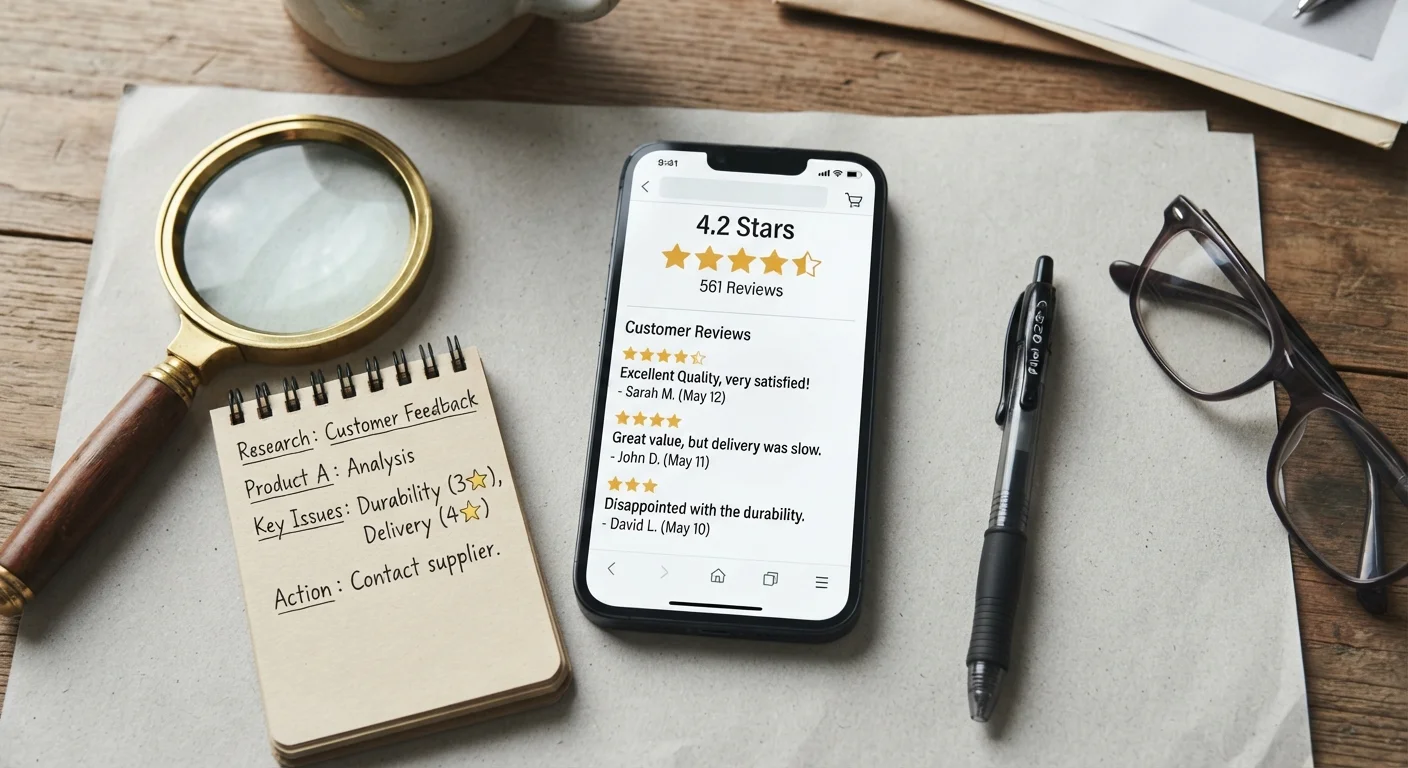
More reviews should mean more clarity - but for most shoppers, the opposite happens. You open a product page, see 4.3 stars from 8,400 reviewers, and feel like you have solid information. In practice, that number compresses thousands of different use cases, product batches, and personal expectations into a single digit that's almost impossible to act on.
The root problem is that star ratings are aggregated opinions, not specifications. A kitchen scale that's beloved by bakers but frustrating for postage use can average to 4.2 stars while being the wrong product for your specific need. Understanding how to look through the aggregate is the actual skill - and it's one you can develop in minutes per product, not hours.
It also helps to know that review pools can be shaped by forces beyond customer experience. Timing incentives, post-purchase email prompts, and platform algorithms can all affect which reviews surface first. For a deeper look at manufactured feedback, see our guide on spotting fake reviews.
What you will need
How to Read a Review Pool Like a Critical Thinker
The steps below take you from raw review data to a clear, confident read on whether a product fits your situation. Apply them in order for any product you're seriously considering.
Look at the rating distribution, not just the average
Most platforms show a histogram of 1-through-5-star ratings. Spend 10 seconds reading it before you look at anything else. A product averaging 4.2 stars is very different if 70% of ratings are 5-star and 15% are 1-star (polarizing) versus a smooth bell curve centered around 4 stars (consistently solid). Polarizing distributions often mean the product excels for one type of user and fails for another - your job is to figure out which camp you'd fall into.
Read the 1- and 2-star reviews first
Counterintuitive but effective: negative reviews are typically more specific than positive ones. Satisfied customers rarely explain why something worked; dissatisfied customers usually explain exactly what broke, failed, or disappointed. Sort by lowest rating and scan for patterns - if three separate reviewers mention the same hinge cracking or the same app disconnecting, that's a real signal, not an outlier. A single complaint buried in 8,000 reviews is noise; the same complaint appearing repeatedly is data.
Filter for reviews that match your specific use case
Many platforms allow keyword search within reviews. Type in terms specific to your situation - "small apartment," "outdoor use," "sensitive skin," or whatever applies. This filters out the noise from users with different needs and surfaces the subset of reviewers who bought the product for the same reason you're considering it. Their experience is significantly more predictive of yours than the general average.
Check the dates - prioritize recent reviews
Products change. Manufacturers update materials, switch suppliers, or alter formulations - sometimes improving the product, sometimes degrading it. A product with 4.7 stars built up over four years may have dropped to 3.8 in the most recent three months. Filter reviews to the past 60-90 days and compare that subset's tone and score to the overall average. A widening gap is a red flag worth taking seriously.
Cross-reference on at least one other platform
No single review platform is neutral. Algorithms, incentive structures, and user demographics all vary. A product with strong reviews on one major retailer may tell a different story on a specialist forum, a consumer-focused testing site, or a second retailer. You don't need exhaustive research - spending five minutes on a second source is usually enough to confirm or complicate your initial read. This is especially useful for higher-stakes or higher-cost purchases.
For a practical framework on comparing product options side by side, the glossary in The Language of Product Comparisons is a useful companion.
Common Pitfalls and How to Avoid Them
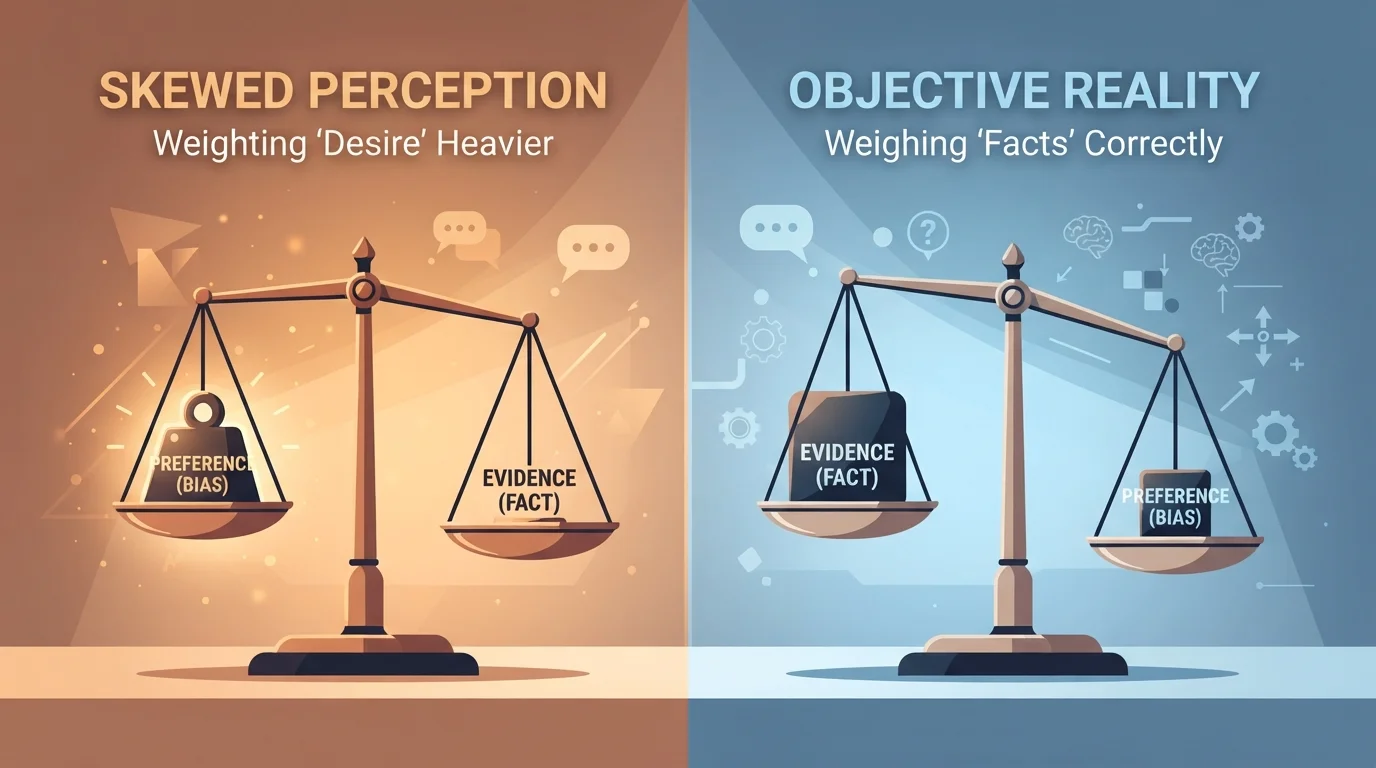
Even experienced shoppers fall into predictable traps when processing large review pools. Social proof - the tendency to assume a popular choice is a good choice - is one of the most common. A product with 10,000 reviews simply feels more trustworthy than one with 200, even when the smaller pool is more relevant to your situation. Our article on cognitive biases that distort comparisons breaks down several of these patterns in detail.
Another frequent mistake is treating review language at face value without checking for context. Phrases like "great value" or "works as expected" are nearly meaningless without knowing what the reviewer paid, what they compared it to, and how long they've used it. Reviews that specify a time period ("after six months of daily use") or a concrete use case ("I use this for trail running in wet conditions") are worth ten times more than single-sentence enthusiasm.
Specificity Is the Mark of a Useful Review
When skimming a review pool, mentally flag reviews that mention a time period of ownership, a specific competing product, or a concrete activity or environment. These contextual details make a review far more transferable to your situation. Generic five-word reviews - positive or negative - are almost always safe to skip.
Finally, be cautious when a product's review score has shifted noticeably over time. A score of 4.5 that's been declining for the past year - visible when you filter by most recent - often signals a quality or customer service issue that earlier buyers didn't encounter. Pairing this approach with good comparison instincts, like those in questions to ask before trusting any review comparison, makes your evaluation much more reliable.