What Sets Them Apart
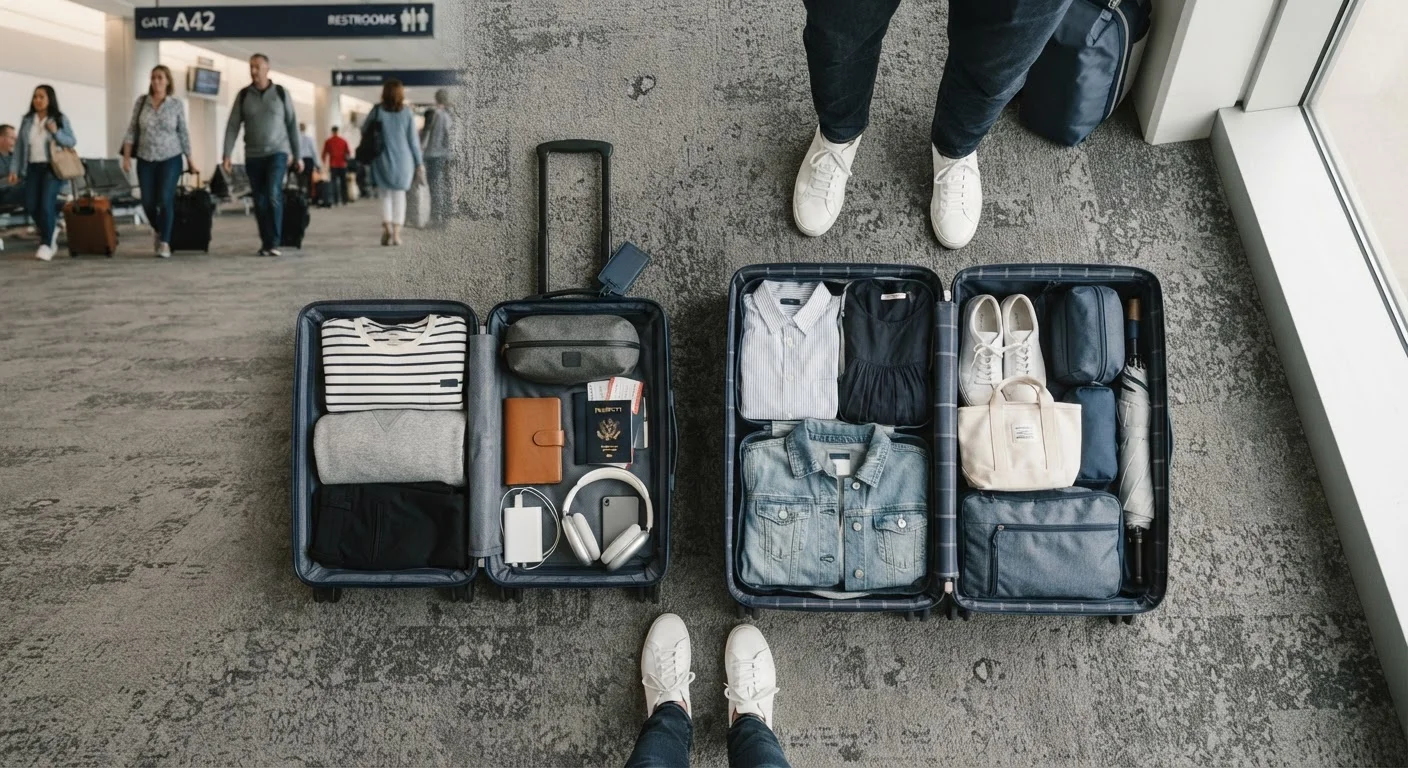
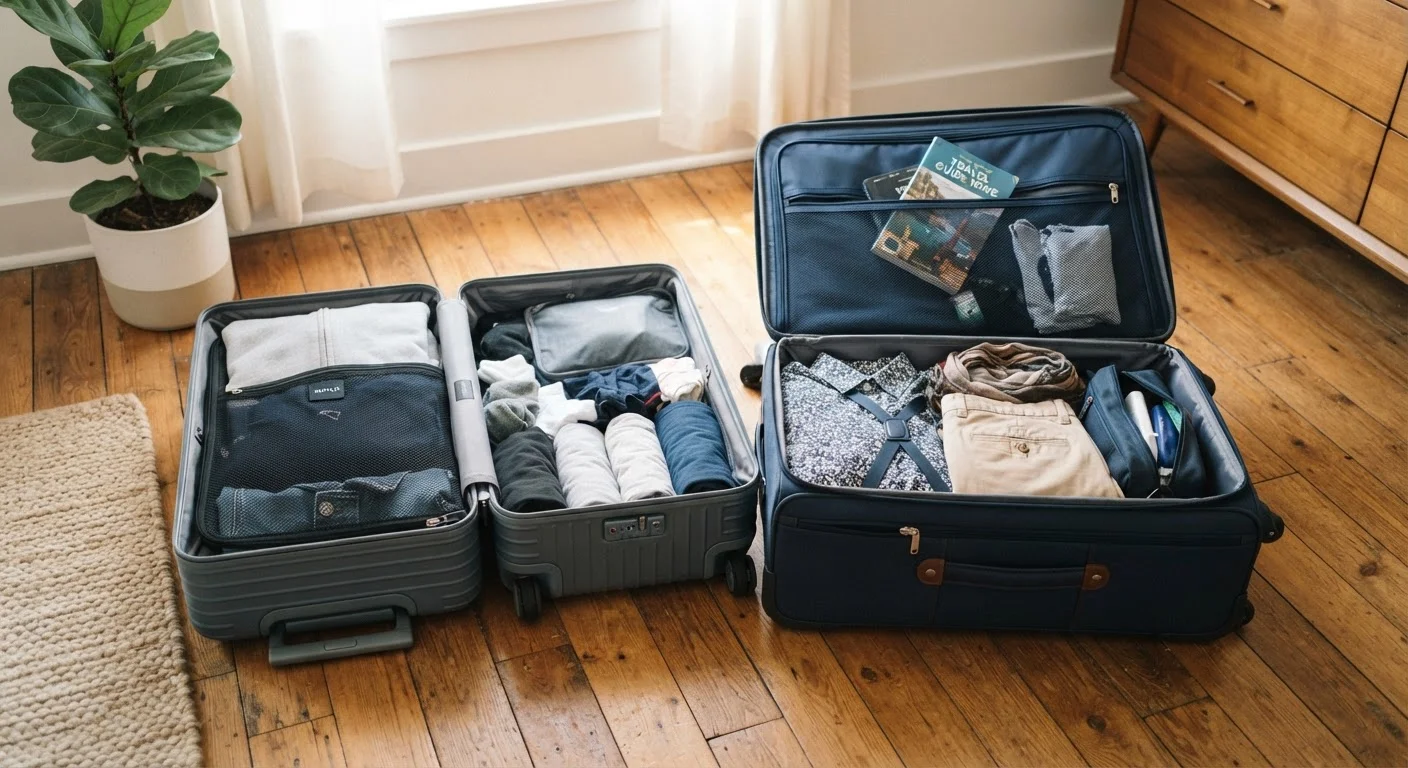
At their core, hard-shell and soft-shell suitcases are built from fundamentally different materials - and that single difference ripples through every aspect of how they perform. Hard-shell cases are typically made from polycarbonate, ABS plastic, or aluminum. These materials hold a fixed shape, resist crushing, and create a sealed clamshell interior when zipped shut. Soft-shell bags use nylon, polyester, or ballistic fabric stretched over a lightweight internal frame. They flex, compress slightly, and almost always include exterior pockets.
Before choosing, it helps to think about how you actually travel. Are you a carry-on-only traveler trying to dodge baggage fees? Do you check bags because you pack for two weeks at a time? Are you heading somewhere wet, or somewhere where your bag gets roughed up? The answers point clearly in one direction or the other. Also worth reading: our guide to carry-on vs. checked luggage trade-offs to understand how your packing strategy should shape your bag choice.
| Criterion | Hard-Shell | Soft-Shell |
|---|---|---|
| Material | Polycarbonate, ABS, or aluminum | Nylon, polyester, or ballistic fabric |
| Crush resistance | Excellent - rigid frame holds shape | Limited - contents can compress |
| Weight | Moderate (varies by material) | Generally lighter |
| Flexibility / give | None - fixed capacity | Slight flex, expandable options available |
| Water resistance | Strong - sealed shell repels moisture | Moderate - fabric absorbs water |
| Exterior pockets | Rarely included | Almost always present |
| Scratch & scuff visibility | Shows easily on glossy finishes | Fabric hides wear well |
| Ideal use case | Checked bags, fragile items | Carry-on, flexible packing |
Durability and Protection
Hard-shell luggage wins on protection. That rigid exterior acts like a shell around your belongings - external pressure from stacked bags, rough conveyor belts, or careless handlers doesn't transfer to what's inside the way it can with fabric. If you're traveling with a laptop, a camera, or anything breakable, that matters. Polycarbonate in particular is impressively impact-resistant while remaining lightweight relative to older plastics.
Soft shells are more durable than many travelers expect, though. High-denier nylon resists tears and abrasion well, and quality zippers on reputable bags hold up through years of heavy use. What soft shells can't do is prevent crushing - a heavy bag dropped on top of yours will compress the contents. Where soft shells genuinely outperform hard shells is on scrapes and scuffs showing: fabric hides wear far better than a polycarbonate shell, which can crack or scratch visibly.
~30%
Weight difference between ABS and polycarbonate shells
Polycarbonate shells are generally around 30% lighter than comparable ABS plastic cases, according to luggage industry material comparisons.
1,800+
Bags mishandled per million passengers (US)
The US Department of Transportation tracks mishandled baggage rates; hard-shell cases are widely recommended by frequent flyers for protection in these scenarios.
Weight, Flexibility, and Packing Ease
Weight is one of the most practical considerations, especially with airline weight limits tightening. Soft-shell bags tend to be lighter by design - less structural material means more of your allowance goes to actual belongings. That advantage becomes especially relevant if you're close to a carry-on weight limit.
Hard shells have caught up in recent years: modern polycarbonate cases are considerably lighter than the ABS shells of a decade ago. But the rigid frame also means no give whatsoever - if everything doesn't fit, it doesn't fit. Soft shells offer modest compression flexibility and those exterior pockets are genuinely handy for items you need on the plane: a book, a neck pillow, a charger. Before you decide on a size, our luggage sizes guide breaks down exactly what fits in carry-on versus checked dimensions.
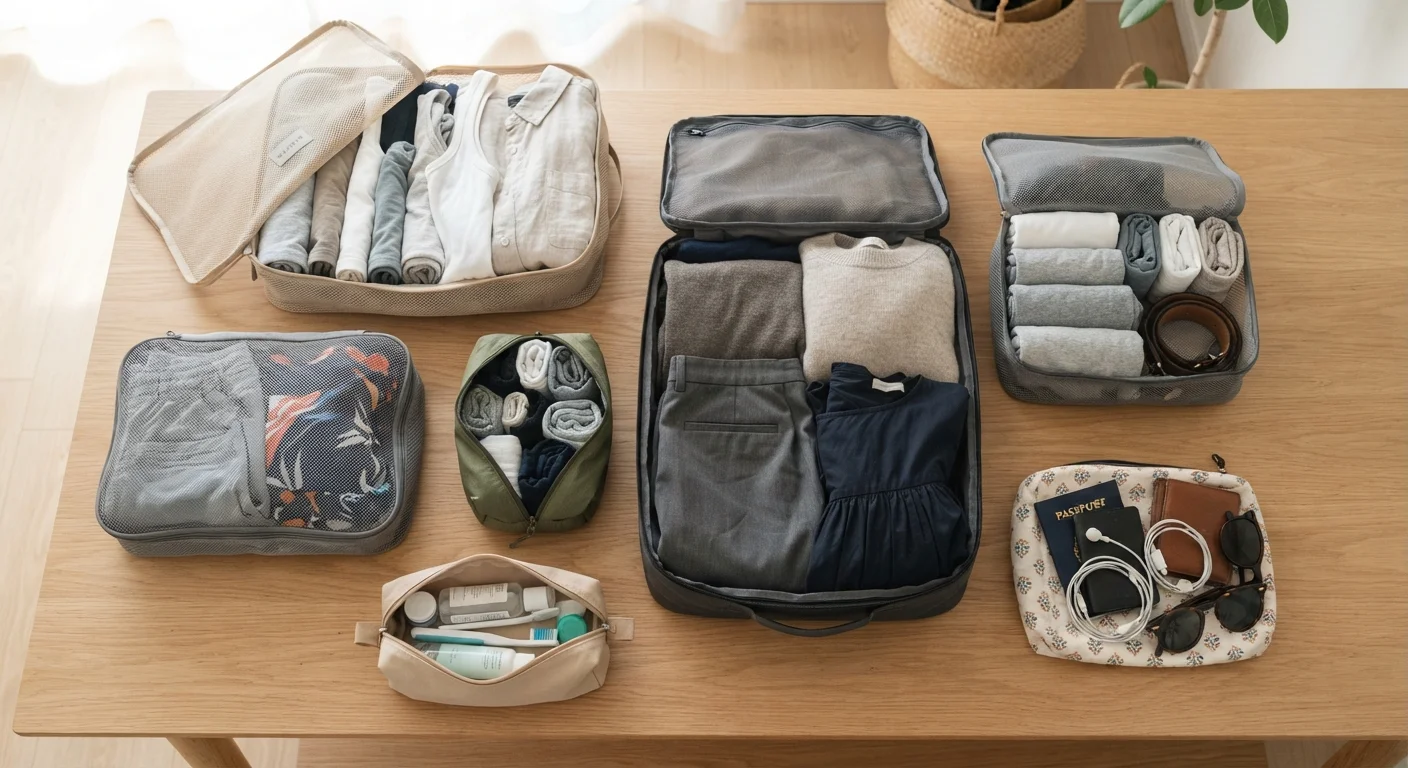
For organization inside the bag, both shell types work well with packing tools. See our breakdown of packing cubes and compression bags to make the most of either suitcase type.
A Note on Expandable Hard Shells
Some hard-shell suitcases now feature a zip-expansion panel that adds an inch or two of depth. This partially bridges the flexibility gap with soft shells. However, expanded hard shells can exceed standard checked-bag dimensions on some airlines, so verify size limits before using the expansion feature on a flight.
Which One Is Right for Your Trip?
The honest answer is that most travelers eventually want one of each - a hard shell for checked trips and a soft shell for carry-on adventures. But if you're buying just one, let your most common travel scenario guide you.
Think about the rolling suitcase vs. backpack question too: if a backpack is already in your arsenal for rougher trips, a hard-shell checked case makes a natural complement. Similarly, review what travel gear actually earns its place before investing in accessories to go alongside your new bag - it's easy to over-kit.
- Choose hard-shell if you check bags regularly, travel with fragile items, or visit destinations with wet or rough baggage handling.
- Choose soft-shell if you travel carry-on only, tend to pack at the last minute, or value flexibility and exterior pocket access.
Either way, prioritize spinner wheels, a TSA-approved lock, and a warranty - those details matter more than the shell material on day-to-day trips.