Packing Cubes: Organisation Without Compression
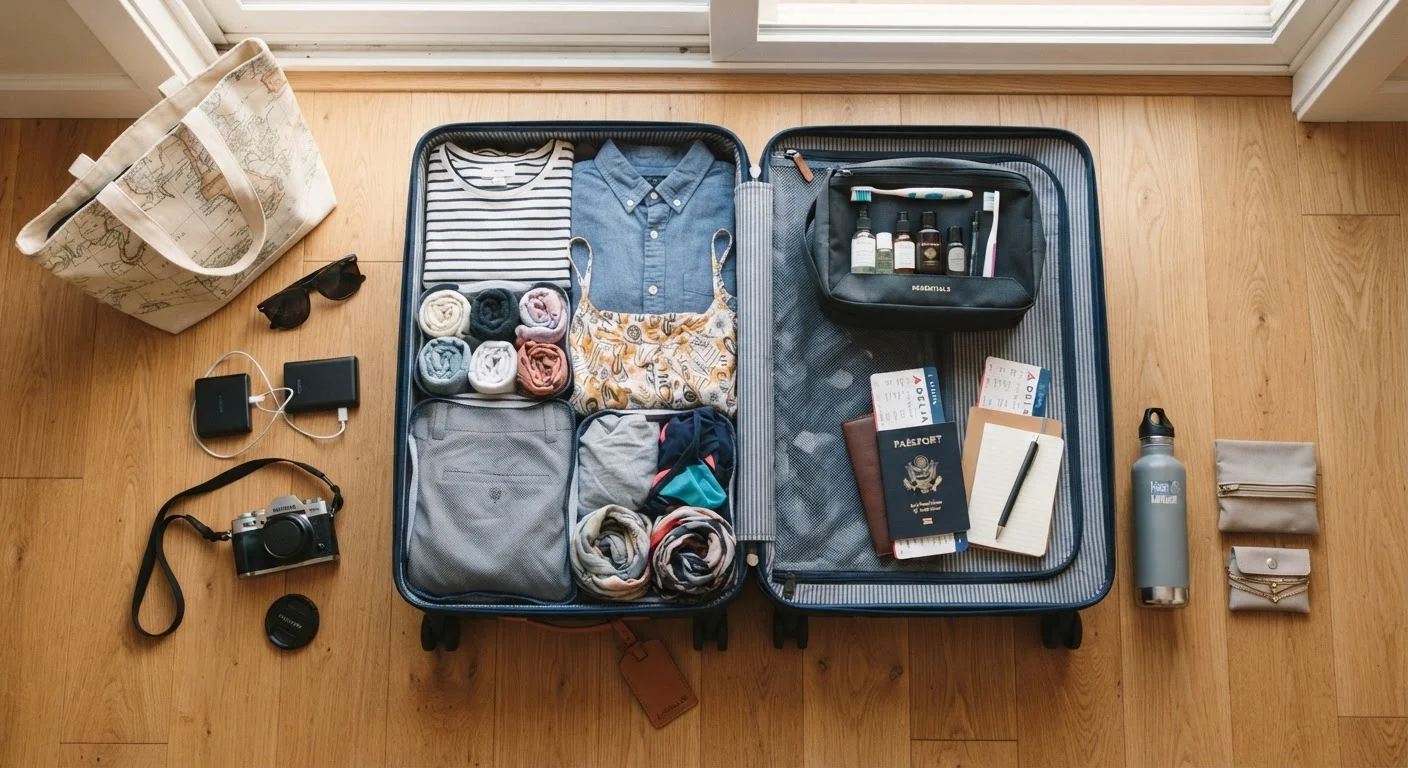
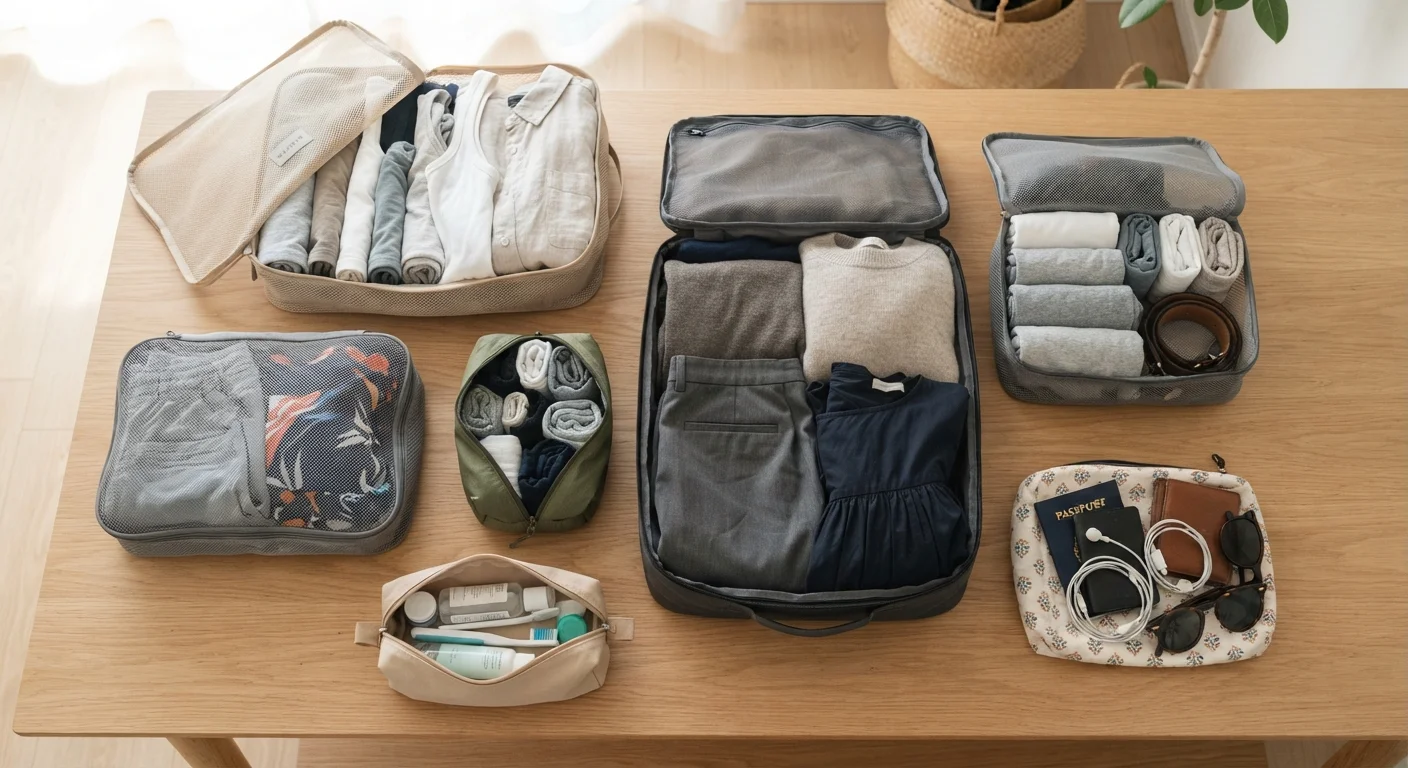
Packing cubes are rectangular fabric containers - typically zippered - that hold a category of clothing in a tidy block. Think of them as drawer dividers for your suitcase. One cube for tops, one for bottoms, one for underwear and socks. When you open your bag at the hotel, everything is exactly where you left it.
What packing cubes don't do is shrink your clothes. A cube filled with three T-shirts takes up roughly the same space as those same T-shirts rolled or folded loose. The real payoff is speed and sanity: no digging, no repacking, no exploding suitcase every time you need a clean shirt.
They work especially well in checked bags, duffels, and backpacks where items tend to shift and mix in transit. If you're a first-time independent traveller, starting here is a solid move - see our complete starter guide to packing your first big trip for how to build a smart system from scratch.
Roll Your Clothes Before Cube-ing Them
Rolling clothes tightly before placing them in a packing cube is one of the most effective ways to fit more in without using compression tools. It also reduces creases compared to flat folding. Rolls stack more predictably inside the cube, making it easier to zip shut on a full load.
Compression Bags: The Space-Savers for Bulky Items
Compression bags do what packing cubes cannot: they physically reduce the volume of what's inside. You load in your items, seal the bag, then either roll it from the bottom to push air out through a one-way valve, or use a vacuum pump attachment depending on the style.
The result? A puffer jacket that normally takes up half a bag can be squeezed down to a fraction of its original size. Compression bags are genuinely useful for bulky layers - think fleeces, down jackets, thick hoodies, and travel towels. They're less suited to everyday clothing because the tight compression creates deep wrinkles in structured or delicate fabrics.
One thing to keep in mind: compression only delays the volume problem. Once you open the bag at your destination, those items will slowly regain their shape. Plan to repack daily-use items loose once you arrive, and save the compression bags for the journey itself.
30-50%
Volume reduction from rolling compression bags
Travel packing guides and product testing commonly cite this range for bulky items like down jackets and fleece layers using roll-type compression bags.
3
Packing cubes typically needed for a week-long trip
Most experienced travellers settle on two to three cubes - one per clothing category - as a practical and non-excessive starting point for a standard suitcase.
Travel Organisers: The Unsung Heroes of a Tidy Bag
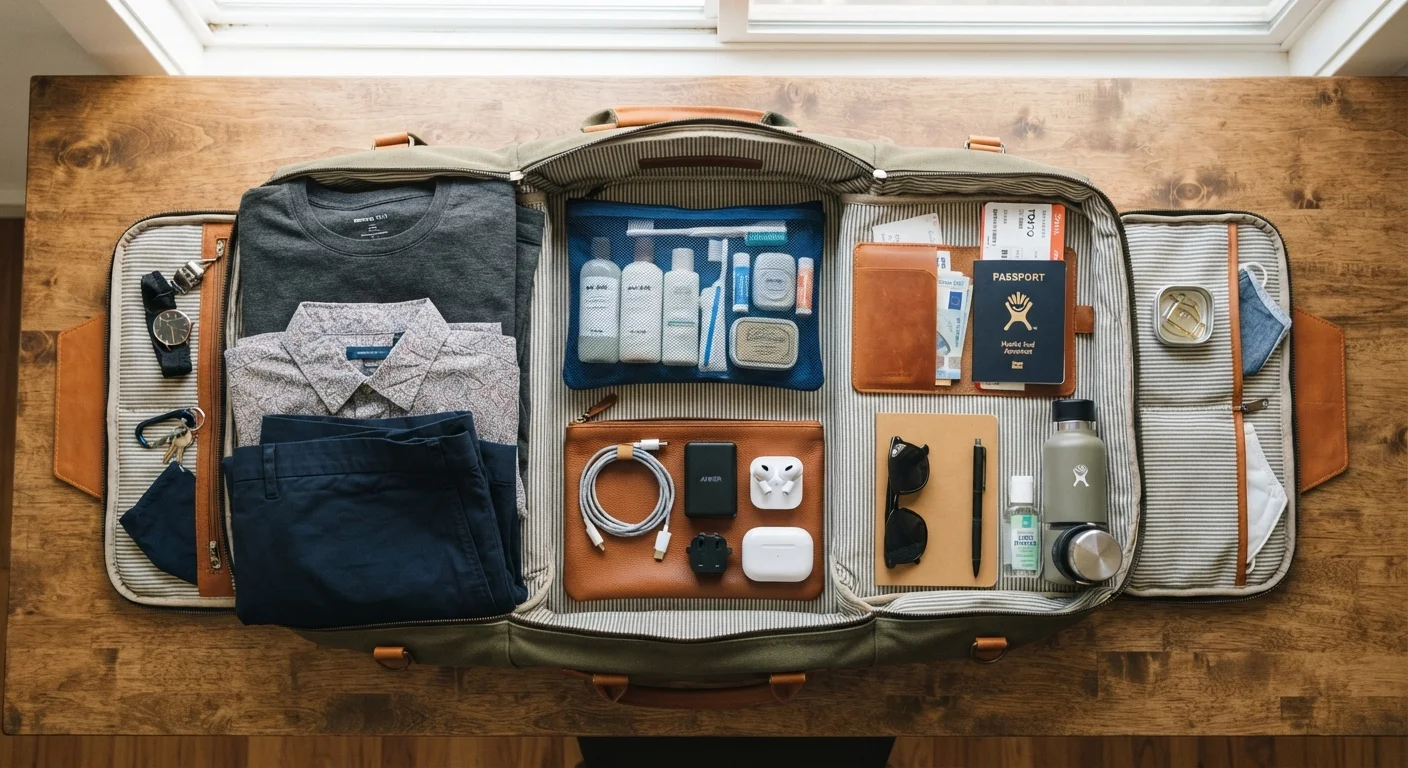
Small travel organisers cover everything that isn't clothing - and that category is surprisingly large. A cord roll keeps your charging cables from tangling. A toiletry pouch corrals your liquids into one grab-and-go bag for security screening. A document wallet holds your passport, boarding passes, and travel insurance info in one easy-to-reach spot.
These aren't fancy accessories - they're functional tools that reduce friction at every stage of a trip. The traveller who spends three minutes hunting for earbuds at the airport gate knows exactly why a cable organiser matters.
For a broader look at building reusable systems across all your travel gear, building a travel kit you can reuse for every trip walks through what's worth investing in and what you can skip. And if you're not sure whether your bag is already too heavy before you add any organiser at all, why your bag always feels too heavy is worth a read first.
Which One Do You Actually Need?
You don't need all three types to pack well. The right combination depends on your trip length, your luggage type, and the specific problems you're trying to solve.
- Weekend trip, carry-on only: A single small packing cube for clothes plus a toiletry pouch is usually enough.
- Week-long trip with a checked bag: Two or three packing cubes by category, one organiser for tech, and possibly one compression bag for a bulky layer.
- Cold-weather or adventure travel: Compression bags earn their place here - bulky base layers and down gear add up fast.
Starting small and adding tools only when you hit a real friction point is almost always a better approach than buying a full system upfront. For more on trimming your overall load, packing light without leaving behind what you need offers practical strategies that apply to any trip type. And if your luggage choice is still up in the air, understanding luggage size categories will help you figure out what you're actually working with.
Packing Organisers Won't Fix an Overpacked Bag
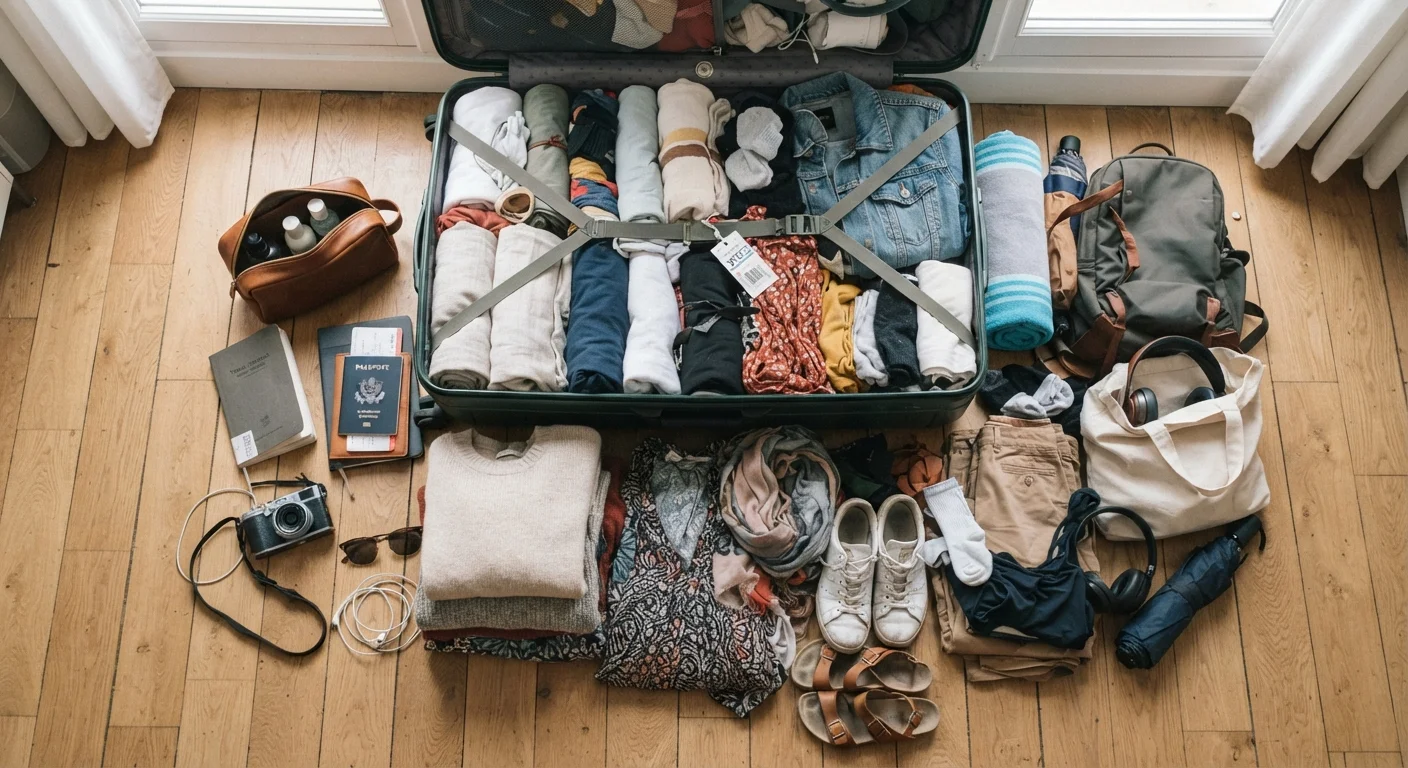
Cubes, bags, and organisers help manage what's already in your luggage - they don't create more space out of thin air. If your bag is over your airline's weight limit before you've added any organiser, the first step is editing what you're bringing, not buying more containers. Common packing myths often convince people they need more gear than they do - it's worth examining those assumptions first.