The Payment Is Just the Starting Point
When most people budget for a car, they fixate on the monthly loan payment. That number is concrete and predictable - which feels reassuring. But it typically represents only a portion of what you'll actually spend each month to keep that car on the road legally and safely.
Think of car ownership as a bundle of costs. Some are fixed - they don't change month to month. Others are variable and depend on how much you drive, where you live, how old the vehicle is, and plain luck. Getting a handle on both categories is the foundation of a workable car budget. See how these break down in our household cost reference for a broader household perspective.
Freedom to travel on your own schedule
Owning a car gives you flexibility that public transit or ride-sharing can't always match - particularly in suburban or rural areas where alternatives are limited.
Predictable fixed payment each month
A loan or lease payment is the same every month, making it one of the easier car costs to plan for in a budget.
Build equity over time with a financed vehicle
When you finance rather than lease, eventually the loan is paid off and you own the car outright - removing that monthly payment from your budget.
Wide range of price points to fit different budgets
The used car market in particular offers options at many price levels, giving budget-conscious buyers real flexibility in what they spend upfront.
Costs That Tend to Surprise New Owners
Beyond the loan, here are the expense categories that routinely catch drivers off guard:
- Auto insurance: Required in nearly every state, and the premium varies widely based on your age, driving record, location, and the vehicle itself. Shop your coverage annually - rates shift.
- Fuel: Gasoline prices fluctuate. Your actual monthly fuel cost depends on how far you commute, local prices, and your vehicle's fuel efficiency rating.
- Routine maintenance: Oil changes, tire rotations, air filters, and brake inspections are predictable in schedule but easy to defer - until deferring them creates a larger repair bill.
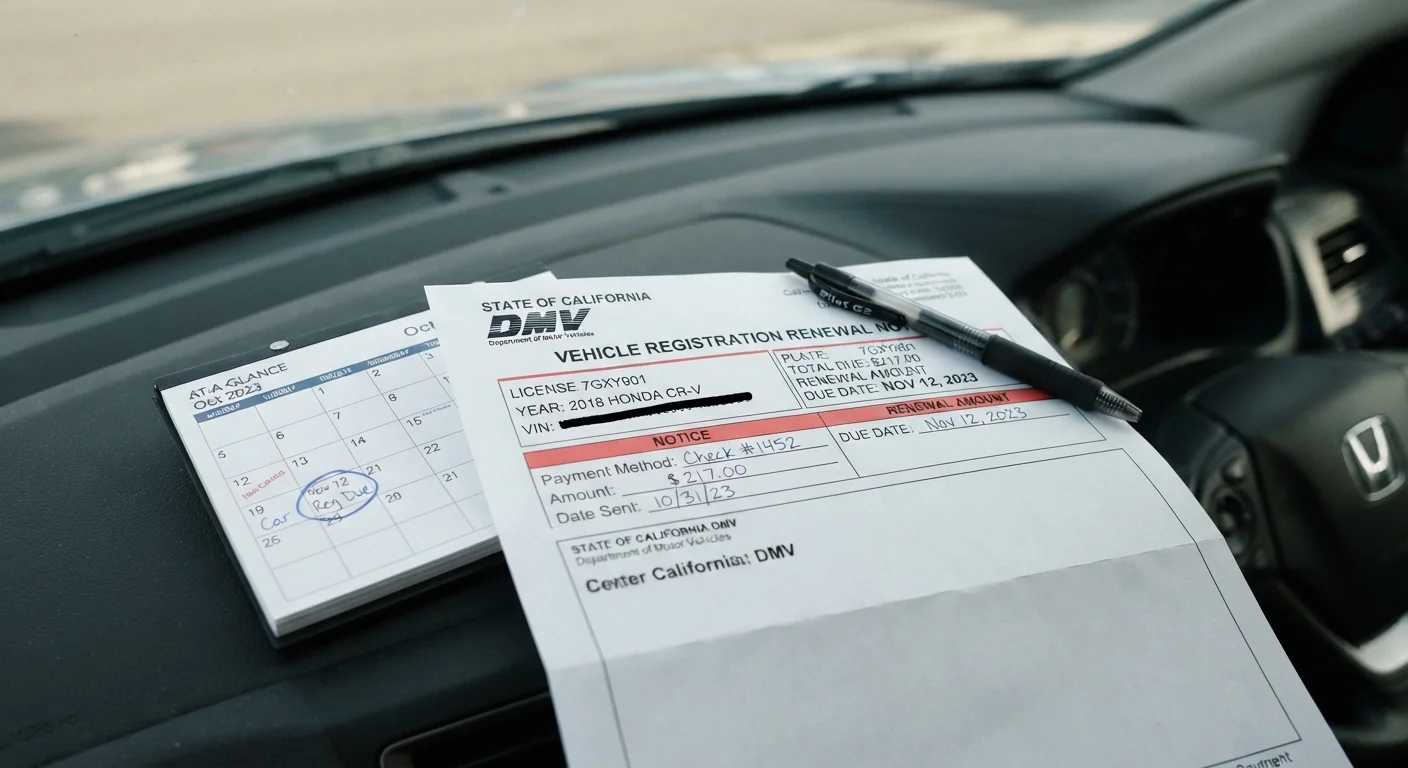
- Registration and fees: Annual vehicle registration costs vary by state and sometimes by vehicle weight or value. Missing the deadline adds late fees. Our registration renewal checklist explains what to expect.
- Unexpected repairs: Tires blow, batteries die, and brake pads wear out on no particular schedule. A repair fund - even a modest one - keeps these moments from becoming crises.
Your Location Affects More Than Just Fuel Prices
State registration fees, insurance rates, emissions inspection requirements, and even local tolls all vary depending on where you live. Two drivers with the same car and the same loan can face very different total ownership costs based purely on geography. When building your budget, use local estimates rather than national averages where possible.
The Trade-offs of Budget Car Ownership
Owning a car offers real advantages for everyday life, but the financial picture has genuine downsides worth acknowledging honestly.
Repair costs arrive without warning
A transmission issue, failed alternator, or blown tire can cost hundreds to over a thousand dollars with little notice, disrupting even a well-planned budget.
Insurance premiums can climb unexpectedly
A traffic citation, an at-fault accident, or simply moving to a different ZIP code can cause your insurance premium to rise at renewal - sometimes significantly.
Vehicles depreciate, often quickly
Most cars lose value over time, which matters if you plan to sell or trade in - you may owe more on the loan than the car is worth in its early years.
Fuel costs fluctuate and are hard to predict
Gas prices can swing considerably across seasons and regions, making fuel one of the harder variable costs to lock down in a monthly budget.
Deferred maintenance compounds into larger bills
Skipping routine service to save money in the short term frequently leads to more expensive repairs down the road - a pattern that tends to cost more overall.
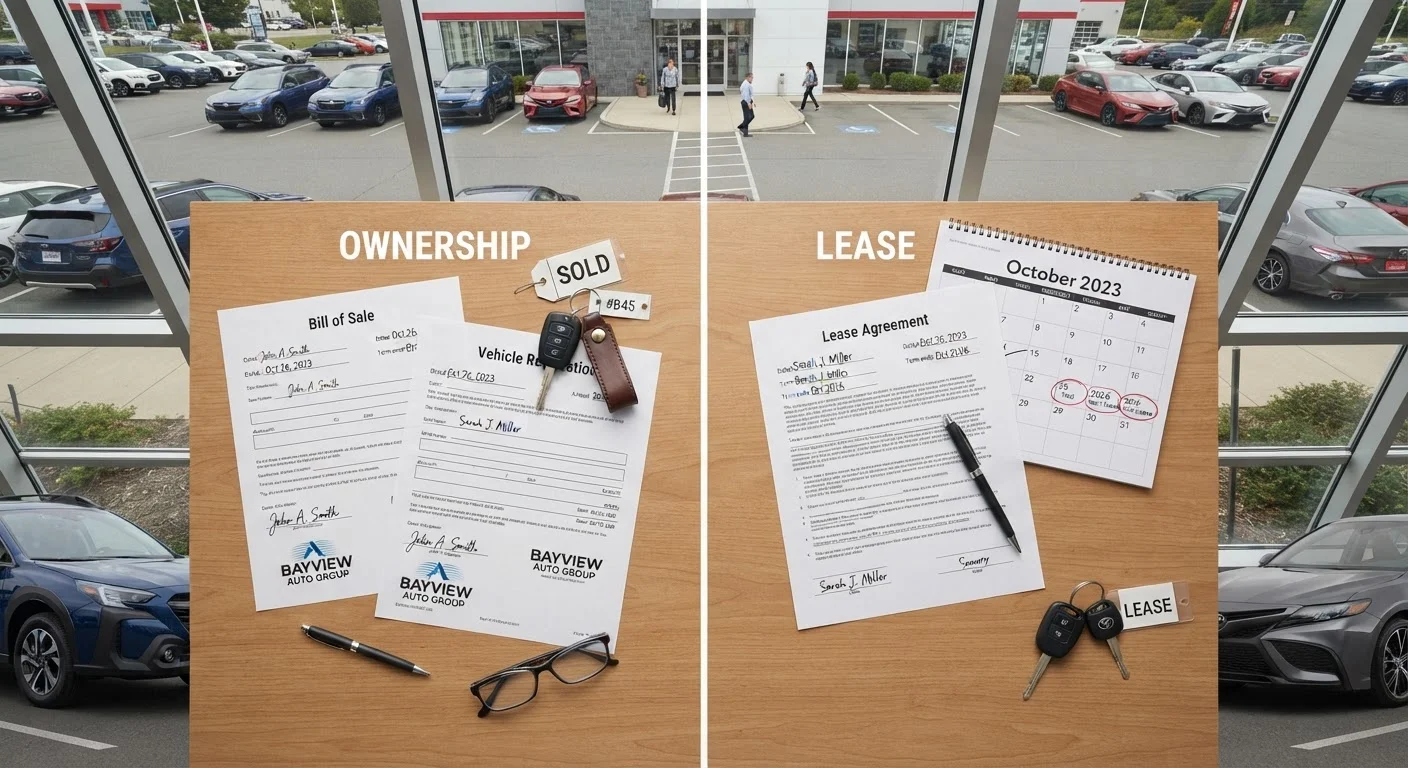
If you're deciding between financing and leasing, those structures come with their own trade-offs beyond just the monthly number - the financing vs. leasing comparison breaks down what each option actually means for your budget long-term. And if you're taking out a loan, it's worth reading about common auto loan pitfalls before you sign anything.
Building a Realistic Car Budget
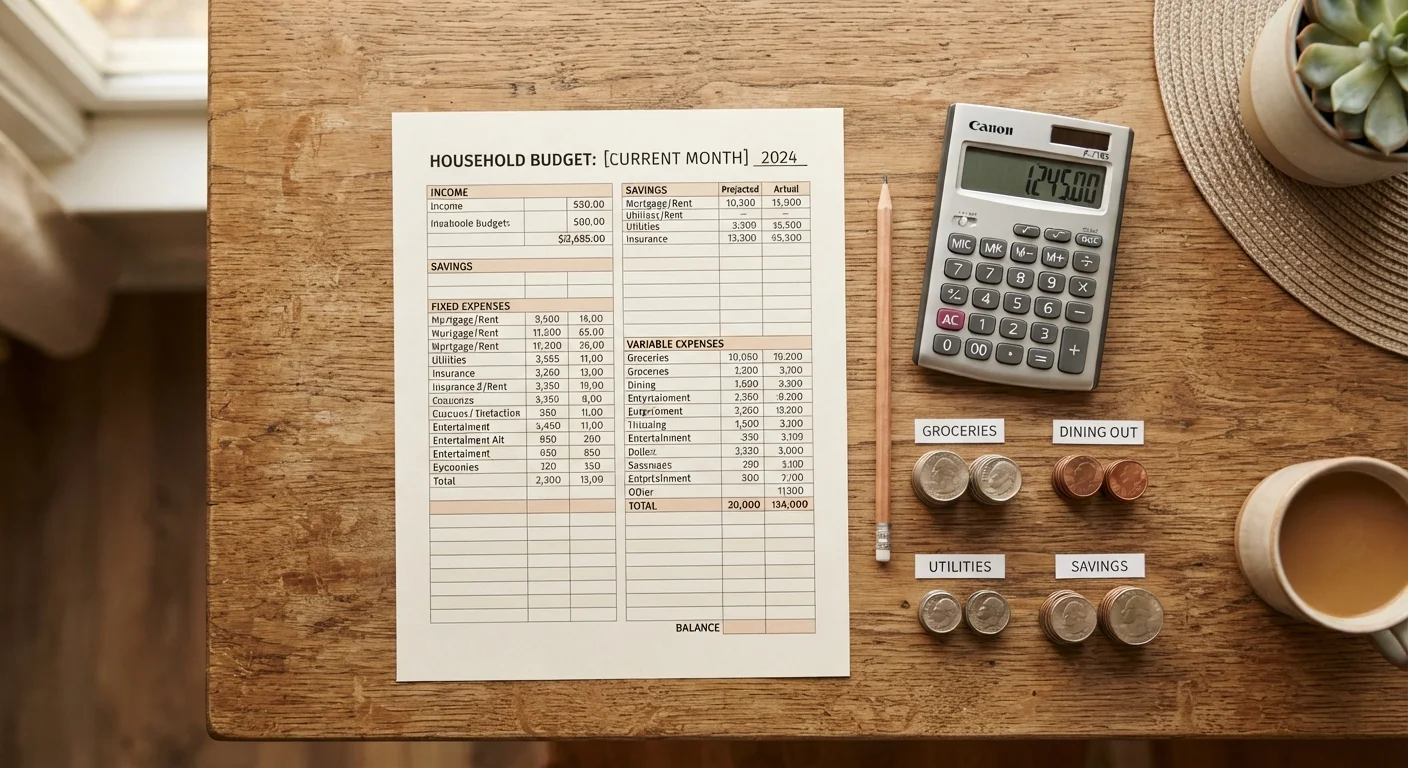
A reasonable approach is to estimate your total annual car cost - not just the monthly payment - and divide it by 12 to find your true monthly commitment. Include:
- Loan or lease payment
- Insurance premium (monthly share of your annual policy)
- Estimated fuel cost based on your driving habits
- A maintenance reserve (a common rule of thumb is to set aside a small fixed amount monthly for routine service)
- Registration fees divided across 12 months
That total gives you a clearer picture of what the car actually costs. For a broader look at where car costs hide before you even buy, the hidden costs beyond the sticker price is worth a read.
~$12,000
Average annual cost to own and operate a vehicle
According to AAA's annual Your Driving Costs study, the average American driver spends roughly this amount per year when all ownership costs are included.
~15%
Portion of car costs that are maintenance and repair
Industry estimates consistently find that upkeep - routine and unexpected - makes up a meaningful share of total annual ownership expense, underscoring the value of a repair reserve.
Once you have your full monthly number, plug it into your overall budget. Guidance on building and maintaining a personal budget is available in our budgeting basics hub, and tips specifically on building savings - including a car emergency fund - are covered in our saving money hub.
For ongoing habits that help you stay in control of what car ownership costs, see smart habits for managing car ownership finances.
This article is for general informational purposes only and does not constitute financial or legal advice. Consult a qualified financial professional for guidance specific to your situation.