
Why Auto Loan Mistakes Are So Easy to Make
Buying a car is one of the largest purchases most people make, yet the financing process is often rushed, jargon-heavy, and deliberately complex. If you're a first-time buyer - or haven't financed a vehicle in several years - it's easy to leave the dealership having agreed to terms that cost you far more than necessary.
The good news is that most of these pitfalls follow predictable patterns. Understanding them in advance puts you in a much stronger position before you ever walk into a finance office. For a broader look at the costs that creep up beyond the monthly payment, see what car ownership actually costs beyond the sticker price.
72-84 mo.
Common extended auto loan terms
According to data from the Consumer Financial Protection Bureau, longer-term auto loans have grown significantly as a share of all new vehicle financing.
~$1,000+
Typical cost difference from a rate markup
A dealer interest rate markup of even one percentage point on a $30,000 loan over 60 months can add over $800 in additional interest paid.
The Most Common Auto Loan Mistakes - and How to Avoid Them
The errors below are among the most frequently made by everyday car buyers. Each one is understandable given how the buying process is structured - but each one is also avoidable with a little preparation.
Choosing the longest loan term available to get a lower monthly payment.
Why it happens: A 72- or 84-month loan makes an expensive car feel affordable month to month, so buyers focus on that number rather than the total cost.
Skipping pre-approval and accepting whatever financing the dealership offers.
Why it happens: Many buyers assume the dealer will find the best rate, or they feel uncomfortable shopping for loans separately from shopping for a car.
Rolling add-on products - extended warranties, paint protection, gap insurance - into the loan balance.
Why it happens: Finance managers often present add-ons as a small monthly cost increase, which obscures the real price and the fact that you'll pay interest on those products for the life of the loan.
Not checking your credit report before applying for a loan.
Why it happens: Buyers often don't realize errors on a credit report can lower their score, leading to a higher interest rate than they actually qualify for.
Signing loan documents without reading them because the process feels rushed.
Why it happens: Finance offices are designed to move quickly, and buyers are often tired or excited after hours of negotiating. It's easy to just sign where you're told.
Your Rate Is Not Set by the Dealer
Dealers often act as loan intermediaries, and the rate they quote you may include a markup above what the lender actually requires. You have the right to get pre-approved directly through a bank or credit union before visiting the dealership. Arriving with a pre-approval gives you a baseline to compare against any dealer-arranged financing.
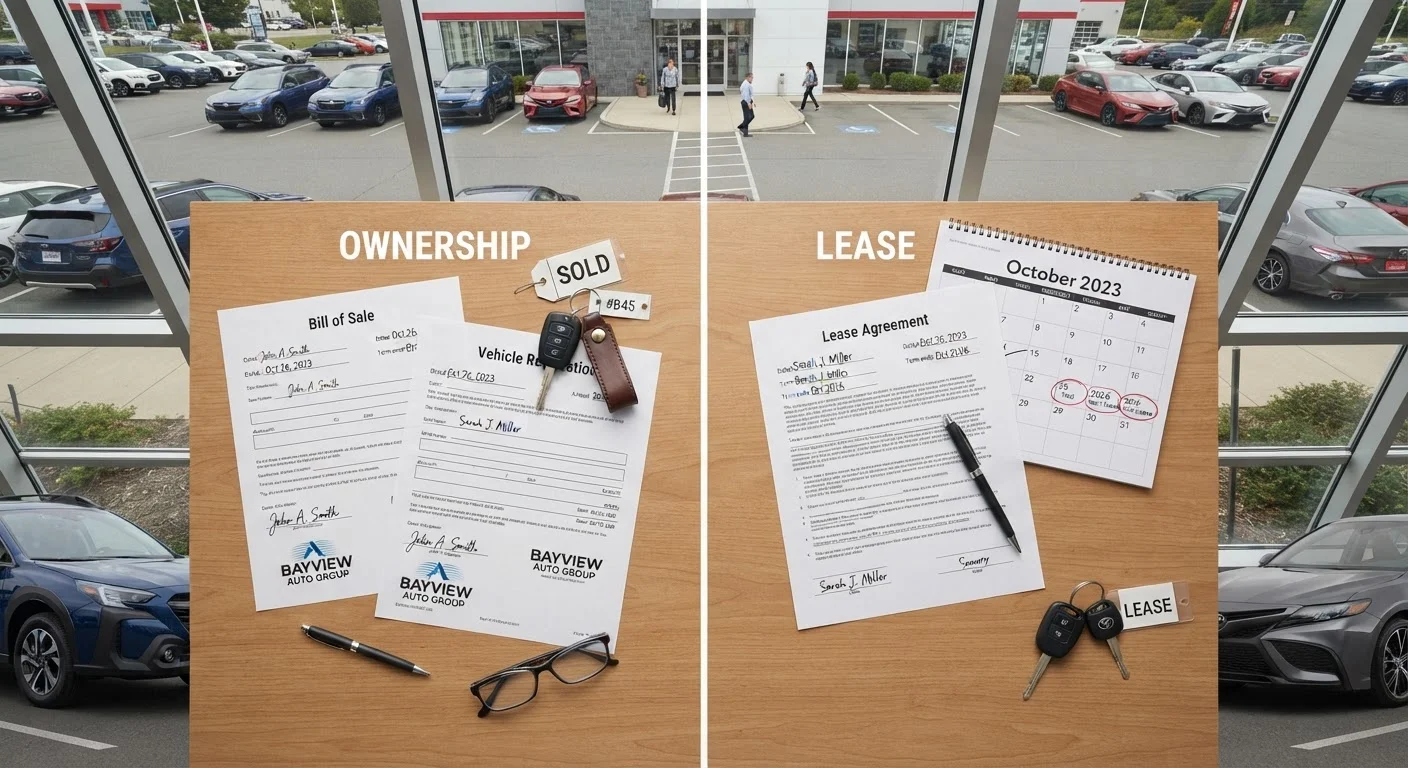
If you're still deciding whether to finance or pursue a different arrangement altogether, it's worth reviewing how financing compares to leasing before you commit to either path.
Protecting Yourself Before and After You Sign
Good preparation starts well before you reach the dealership. Check your credit, get pre-approved, and set a firm budget based on total loan cost - not monthly payment. Understanding your credit and debt basics can help you interpret what lenders are actually looking at when they set your rate.
Watch for Payment-Focused Negotiation
Some finance offices shift the conversation to monthly payment rather than total loan cost. A lower monthly payment sounds appealing, but it often means a longer term and far more interest paid overall. Always ask for the total amount you will repay over the full loan term before agreeing to anything.
Once you own the car, staying on top of the financial side is an ongoing task. Tracking payments, understanding your loan payoff amount, and knowing when you've built enough equity to refinance are all part of responsible ownership. The practices outlined in managing the financial side of car ownership are a practical starting point. And if fees and rolled-in costs feel familiar from other purchases, the same dynamics apply more broadly - see how hidden costs quietly inflate a purchase price for context beyond the auto world.
This article is for general informational purposes only and does not constitute financial or legal advice. Consult a qualified financial professional before making decisions about borrowing or vehicle financing.