What Defensive Driving Actually Means
Defensive driving is often misunderstood as cautious or timid driving. It's neither. At its core, it's a structured way of paying attention - anticipating what other drivers, pedestrians, and road conditions might do, and positioning yourself to respond before problems escalate.
The underlying idea is simple: you can't control how others drive, but you can control how prepared you are for whatever they do. That shift in mindset - from reactive to proactive - is what separates defensive driving from ordinary driving.
It's also worth noting that most crashes in the US involve at least one preventable driver error. Defensive driving doesn't eliminate risk, but it consistently reduces exposure to it. For a broader look at how this fits into safe driving at every experience level, see our overview of safe driving from learner to long-haul.
Following distance
The space you leave between your vehicle and the one ahead. A larger gap gives you more time to brake safely if traffic stops suddenly.
Scanning
The habit of moving your eyes regularly across the full road environment - ahead, to the sides, and in your mirrors - rather than fixing your gaze on the car directly in front.
Hazard perception
The ability to spot developing risks early - such as a pedestrian about to step off a curb, or a merging vehicle - before they become emergencies.
Reaction time
The time between noticing a hazard and physically responding to it. Even alert drivers need roughly 1.5 seconds, which at highway speeds translates to significant stopping distance.
Blind spot
An area around your vehicle that mirrors don't cover. Other vehicles in your blind spot are invisible unless you physically turn to check - something defensive drivers do consistently.
The Core Principles
Defensive driving rests on a handful of durable principles that apply whether you're navigating a suburban intersection or a highway at speed.
Maintain adequate space around your vehicle
Following distance is consistently underestimated. Most driving instructors recommend a minimum of two to three seconds of space in normal conditions - more in rain, fog, or heavy traffic. Tailgating removes your ability to stop in time and dramatically increases crash risk. Our article on why tailgating is more dangerous than most drivers realise breaks down the physics in detail.
Scan well ahead, not just at the car in front
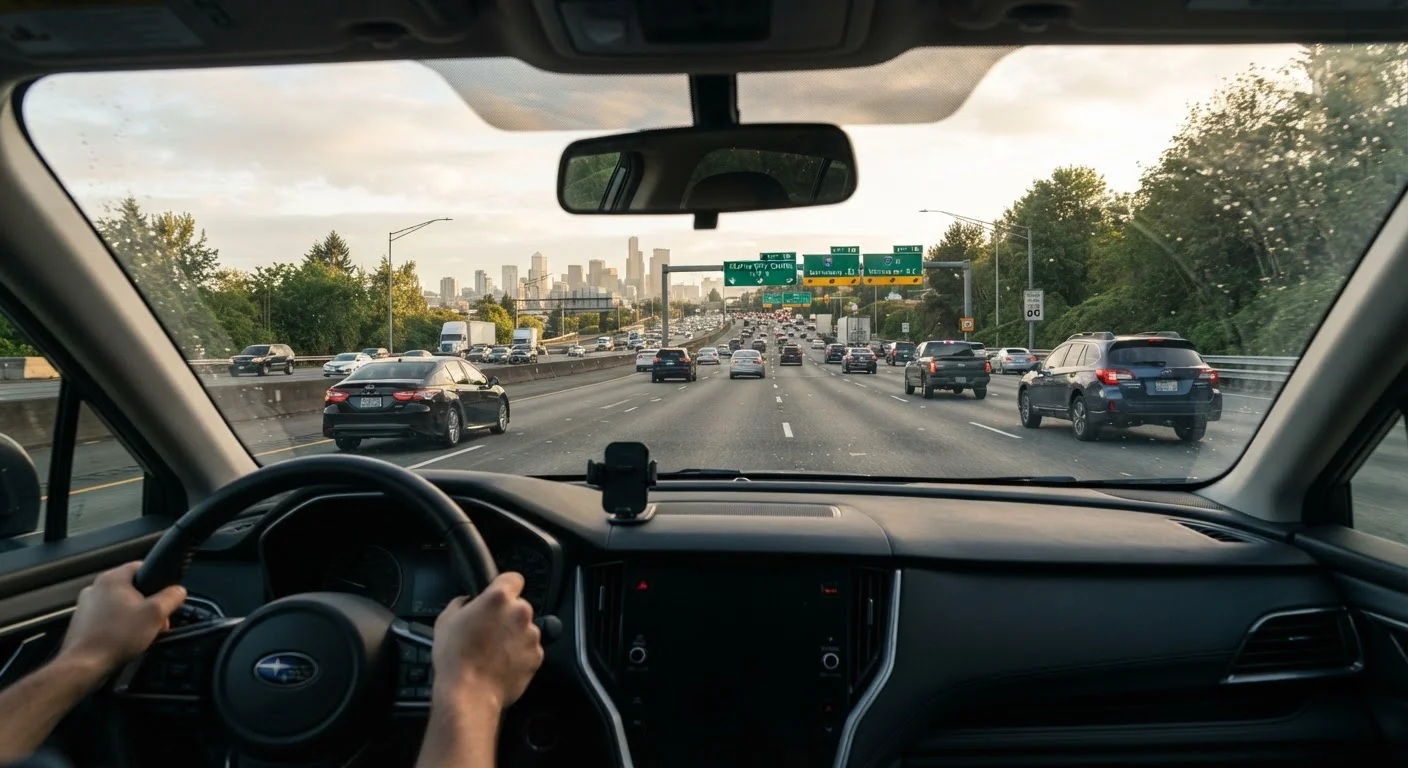
Experienced drivers naturally look further down the road - 10 to 15 seconds ahead is a common guideline. This gives you time to notice brake lights several cars ahead, a pedestrian about to cross, or a lane narrowing. Fixing your gaze on the bumper ahead is how drivers get caught off guard.
Assume others will make mistakes
This isn't pessimism - it's practical. Building the assumption that another driver might run a red light or merge without signaling keeps you in a state of readiness without being tense or erratic.
The 'What If' Mental Check
Before making any maneuver - a lane change, a merge, pulling out of a side street - take a half-second to ask 'what if something goes wrong here?' This simple habit prompts you to check mirrors, adjust speed, and give yourself an out. It costs nothing and can prevent a lot.
Eliminate distractions
Divided attention is one of the most significant factors in crashes. Phones are the most cited distraction, but adjusting music, eating, or extended conversation with passengers all reduce the mental bandwidth available for hazard detection.
Common Situations Where It Makes a Real Difference
Abstract principles become clearer when you see where they apply in real driving.
- Merging and lane changes: Checking mirrors and physically turning to check blind spots before moving eliminates a whole category of sideswipe crashes.
- Intersections: Even on a green light, a brief scan left and right before proceeding catches the rare driver who runs a red. This takes under a second and is a habit worth building.
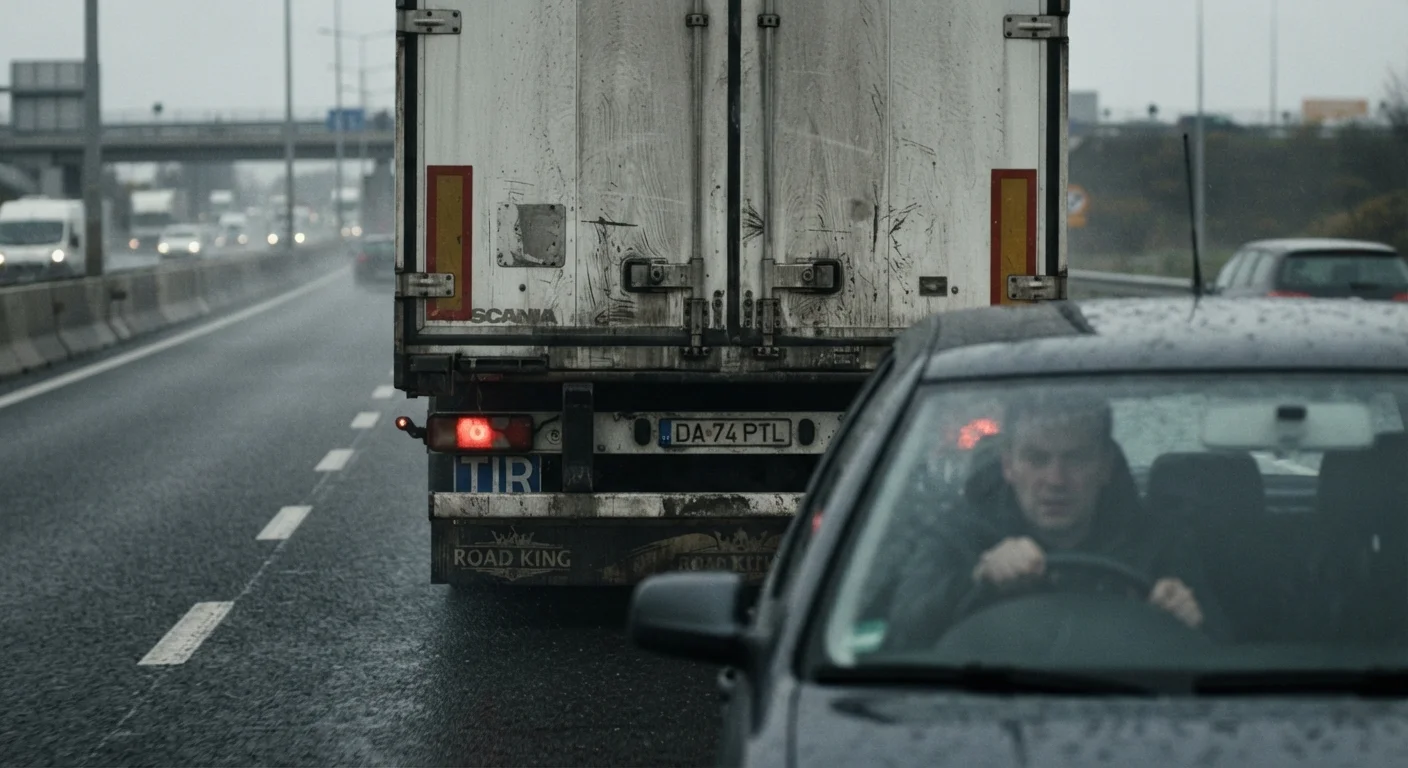
- Following trucks and large vehicles: Large vehicles block your view of the road ahead. Increasing your following distance restores your sight lines and gives you more reaction time.
- Bad weather: Rain, ice, and fog all extend stopping distances and reduce visibility. Defensive driving in these conditions means slowing down and increasing following distances significantly. Our guide to driving in bad weather covers the specifics.
Overconfidence Is a Real Risk
Studies consistently show that drivers tend to rate themselves as above average - a statistical impossibility. This overconfidence can lead to reduced vigilance and taking shortcuts with safety margins. Approaching every drive with fresh attention, regardless of how long you've been driving, is a hallmark of skilled drivers.
It's also worth periodically reviewing your own habits. Some poor driving behaviours develop so gradually that drivers stop noticing them. Our article on habits that quietly make drivers less safe is a useful self-check.
Building the Habit Over Time
Defensive driving isn't a skill you learn once - it's a set of habits you maintain and refine. The good news is that the core habits don't require special conditions to practice. Every drive is an opportunity to scan further ahead, manage your following distance, and check blind spots before changing lanes.
New drivers often benefit from formal instruction. Many states offer recognized programs that go beyond what's covered in standard licensing. See the note below about finding programs in your area.
Defensive Driving Courses Exist for All Levels
Many states offer or recognize formal defensive driving programs, and some are available online. These aren't just for new drivers - they're also used by fleet professionals and experienced motorists looking to sharpen their skills. Check your state's DMV website for programs recognized in your area.
Experienced drivers sometimes need a different nudge - a reminder that routine breeds complacency. If you've been driving the same routes for years, the familiarity itself can become a hazard, because your brain begins to autopilot through familiar turns and intersections.
Treating each drive as its own event - not as a repetition of yesterday's commute - is one of the simplest ways to stay sharp. It doesn't require effort so much as intention.
This article is for general informational purposes only. Always follow the traffic laws and regulations applicable in your state, and consult official driver education resources for guidance specific to your situation.