More Than a Learner's Handbook
Most drivers encounter the Highway Code while studying for their theory test, then rarely think about it again. That's a missed opportunity. The Code is a living document - updated periodically to reflect changes in traffic law, road design, and how we share streets with other users.
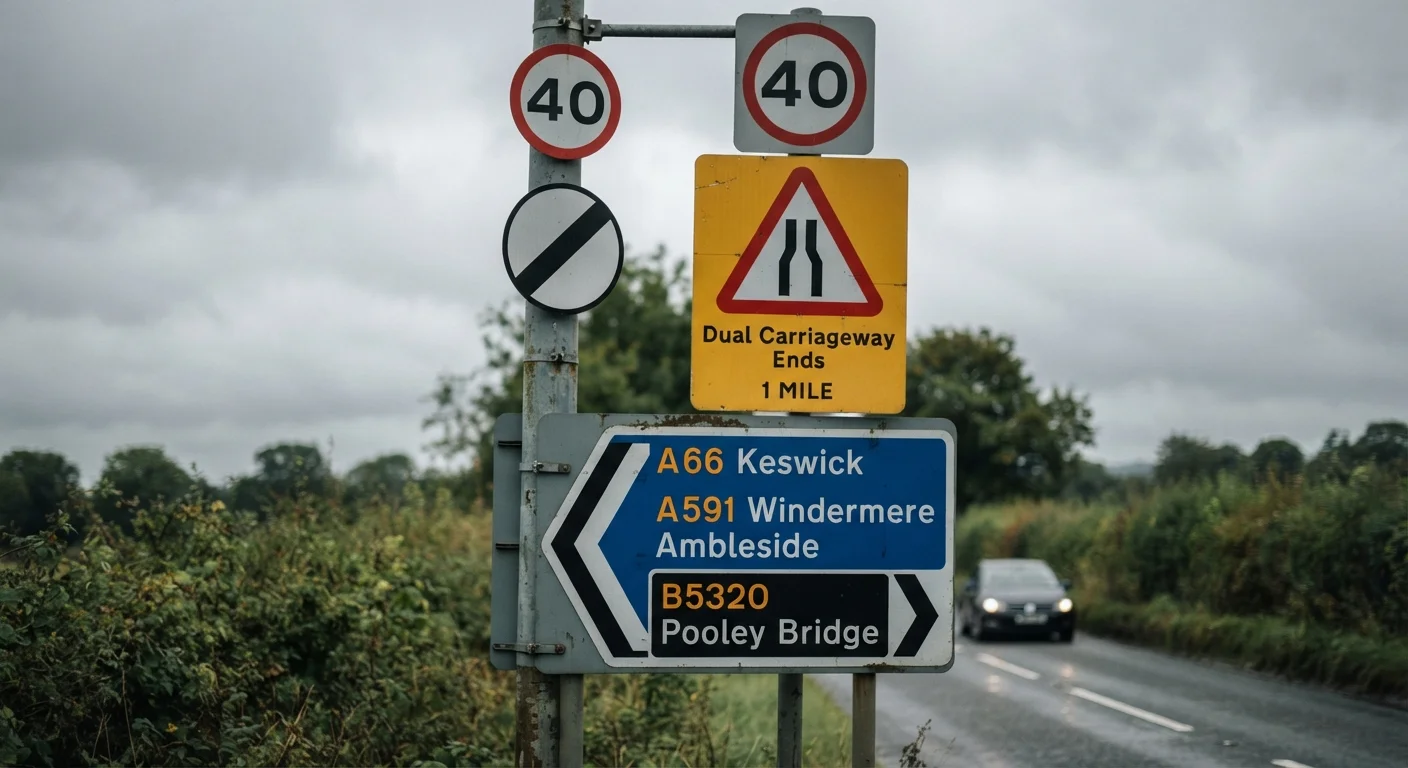
It's also broader than many people assume. Yes, it covers road signs and speed limits. But it also addresses stopping distances, rules for different types of road, how to handle adverse weather, and who has priority in specific situations. For a plain-language companion on signs that trip people up, see our breakdown of commonly misunderstood road signs.
Understanding what the Code actually says - rather than relying on half-remembered rules from years ago - makes you a more predictable, safer driver. And predictability is one of the most underrated qualities on any road.
Where to Find the Official Code
The Highway Code is published in full on the UK government's website (gov.uk) and updated when rules change. A printed edition is also available, though the online version will always reflect the most current rules. It's free to read online.
The Hierarchy of Road Users
One of the most significant recent updates to the Highway Code was the formal introduction of a hierarchy of road users. Under this framework, those who pose the greatest risk to others bear the greatest responsibility for road safety.
In practice, this means drivers of large vehicles - lorries, vans, cars - must take particular care around cyclists, motorcyclists, and pedestrians. At the top of the hierarchy are pedestrians, especially children, older adults, and disabled people. This doesn't mean pedestrians can step into traffic without looking, but it does clarify that drivers must give way to pedestrians already crossing at junctions - even if no formal crossing is present.
For newer drivers especially, this hierarchy is worth internalising early. It reframes road use not as a competition for space, but as a shared responsibility. The full picture of how these habits develop is covered well in our overview of safe driving from learner to long-haul.
2022
Year of the last major Highway Code update
The UK government updated the Highway Code in January 2022, introducing the formal hierarchy of road users and clarifying junction priority rules.
3x
Increase in stopping distance at 70 mph vs. 30 mph
According to Highway Code stopping distance tables, a car travelling at 70 mph requires roughly three times the stopping distance of one travelling at 30 mph in dry conditions.
Rules That Carry Real Legal Weight
It's worth being clear about which parts of the Code can get you into legal trouble. Rules that use the words MUST or MUST NOT are based on legislation - the Road Traffic Act, the Road Vehicles (Construction and Use) Regulations, and others. Breaking these can result in fixed penalties, points on your licence, or prosecution.
Common examples include: not using a handheld mobile phone while driving, always wearing a seatbelt (with specific exceptions), and never driving under the influence of alcohol or drugs beyond legal limits. Child passenger safety also falls under legal requirements - and the rules there are more detailed than many parents realise. See our guide to child car seat rules for a factual breakdown.
Advisory rules - those using 'should' - don't carry automatic penalties, but if you're involved in a collision, an investigator or court may consider whether you followed them. In that context, ignoring advisory guidance can have real consequences.
Revisit the Code After a Long Break
If you've taken a significant break from driving - or if it's been years since you last thought about the Code - it's worth spending an hour with the sections relevant to your typical routes. Focus on stopping distances, junction priorities, and any rules that have been updated since you passed your test. Small knowledge gaps are common and easy to address.
Applying It on Everyday Roads
The most practical sections of the Highway Code for daily driving cover things like:
- Stopping distances - the two-second rule for dry conditions, doubled in wet weather. Many drivers follow too closely without realising the risk.
- Lane discipline - staying in the left lane on dual carriageways unless overtaking is one of the most commonly ignored rules in practice.
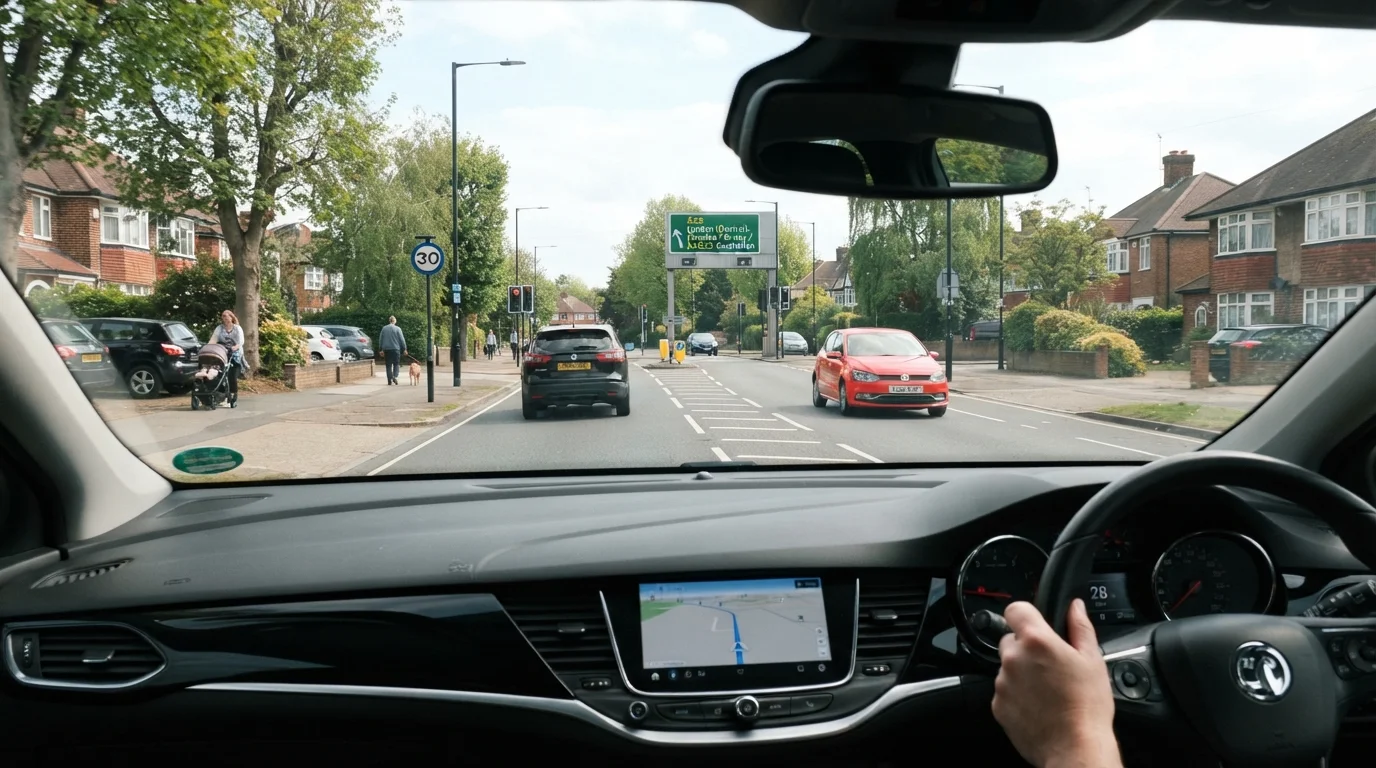
- Giving way - priority at roundabouts, junctions, and pedestrian crossings is often misunderstood, particularly on informal crossings.
- Motorway rules - from joining at the right speed to understanding contraflow systems and smart motorway signals. If you're new to motorways, our first-time motorway driving guide walks through these in detail.
None of this requires memorising every page. But revisiting the sections that apply to your regular driving conditions - urban, rural, motorway - helps close the gap between what you think the rules say and what they actually mean.