Why the Source of Sugar Matters
Sugar is one of nutrition's most misunderstood topics. Many people assume all sugar is equally problematic, while others believe that anything labeled 'natural' is automatically fine. The reality sits somewhere in between, and understanding it starts with one key question: where does the sugar come from, and what comes with it?
When you eat a whole apple, the sugars inside it travel alongside fiber, water, and a range of vitamins. That fiber slows digestion, moderating how quickly sugar enters your bloodstream. When you drink a sweetened beverage, you get the sugar without those companions - and your body processes it noticeably faster. Same molecule, very different experience.
This distinction between natural sugar and added sugar is why nutrition experts and regulatory agencies treat them differently, and why learning to spot the difference is genuinely useful for anyone trying to eat more thoughtfully.
Natural Sugar: What It Is and Where to Find It
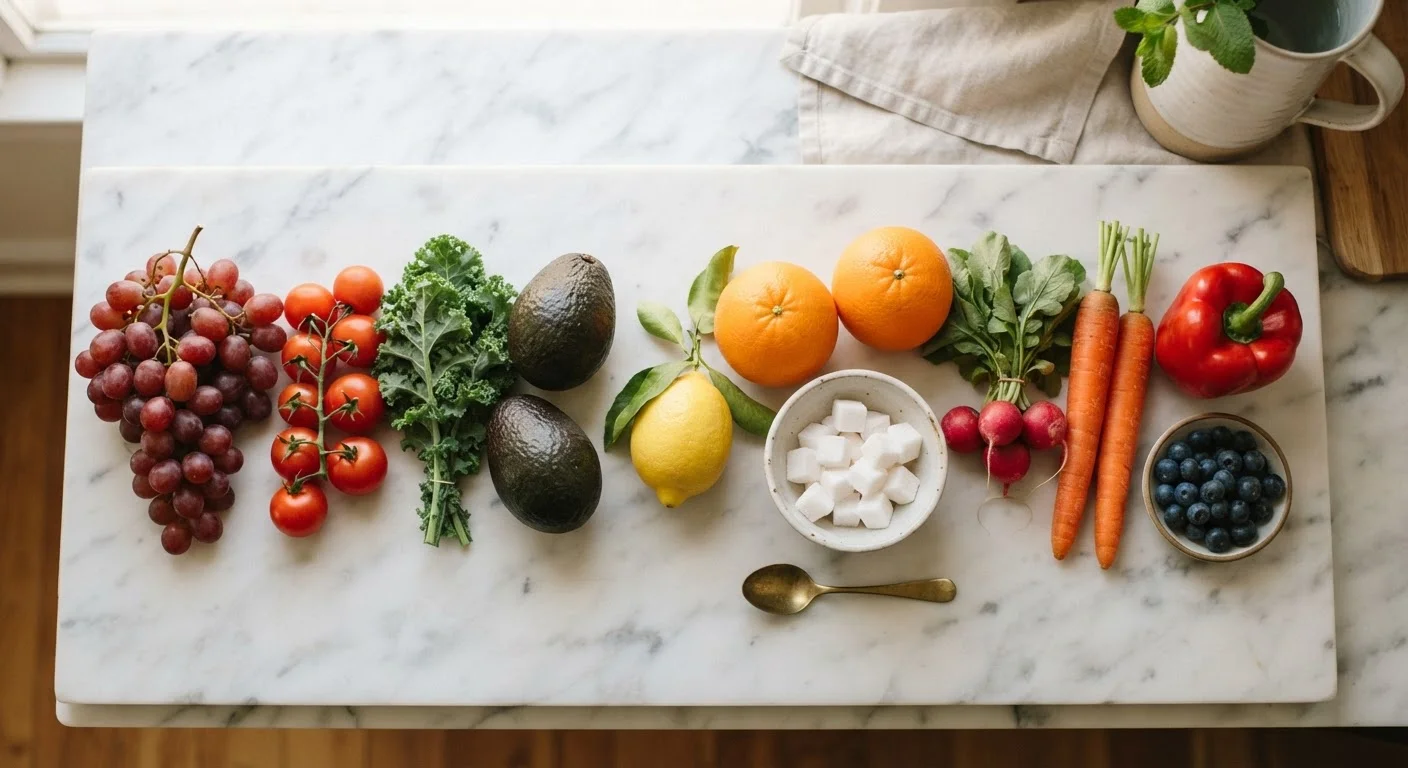
Natural sugars are those present in a food in its unprocessed state. Common sources include:
- Fruit: Contains fructose, along with fiber, water, vitamins C and potassium, and antioxidants.
- Vegetables: Carrots, beets, and sweet potatoes have measurable natural sugar, but also fiber and micronutrients.
- Dairy: Milk and plain yogurt contain lactose, a natural milk sugar, paired with protein and calcium.
Because these sugars arrive in a matrix of other nutrients, the overall effect on your body - including blood sugar response and satiety - tends to be gentler than consuming the same amount of sugar in a processed food. That said, portion size still matters, and whole-food sources are not unlimited free passes.
Natural Doesn't Always Mean Unlimited
Whole fruit is generally encouraged as part of a balanced diet, and its natural sugar is not a health concern for most people. However, dried fruit, fruit juice, and fruit-based concentrates are much more sugar-dense than whole fruit because water and fiber have been removed or reduced. Context and form matter, not just whether a sugar originated from a natural source.
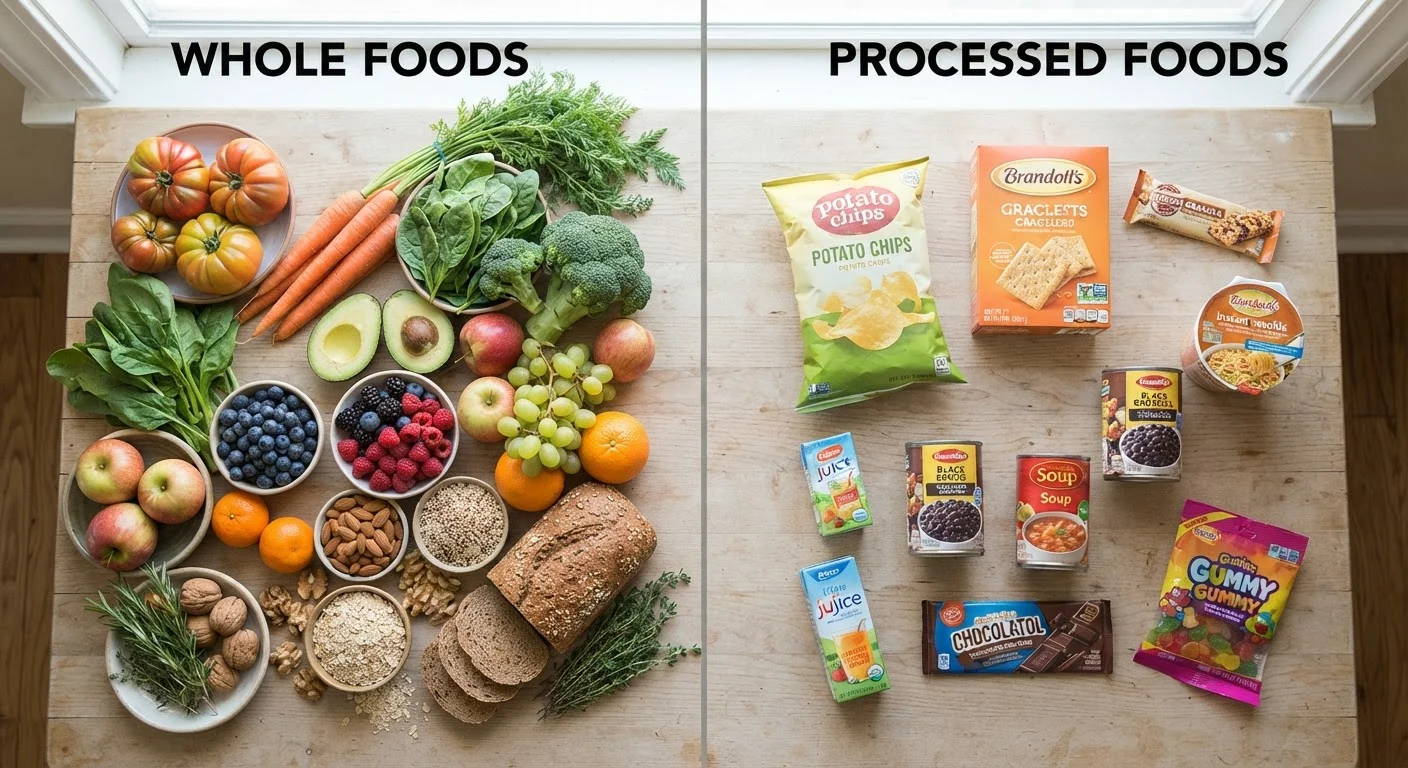
For a broader look at how whole foods and processed foods compare nutritionally, see our guide to whole vs. processed foods.
Added Sugar: The Hidden Ingredient
Added sugars are any sugars or caloric sweeteners introduced to a food or drink during preparation or manufacturing. They include obvious culprits like table sugar and honey, but also a long list of ingredients you might not immediately recognize.
17 tsp
Average daily added sugar consumed by U.S. adults
According to CDC data, the average American adult consumes around 17 teaspoons of added sugar per day - well above dietary guidance levels.
~40%
Added sugar from beverages in the U.S. diet
Research published in nutrition surveillance studies estimates that beverages - including soda, energy drinks, and sweetened coffee - account for roughly 40% of added sugar intake among U.S. adults.
60+
Names for added sugar found on ingredient labels
Nutrition researchers have catalogued more than 60 different names manufacturers use to list added sugars on ingredient labels, making identification challenging for consumers.
Food manufacturers use added sugars in hundreds of products - not just sweets. Common sources that often surprise people include flavored yogurts, salad dressings, pasta sauces, breakfast cereals, and protein bars. A single serving of some flavored yogurts can contain as much added sugar as a small candy bar.
The challenge is that ingredient labels can list sugar under many different names. Terms like dextrose, maltose, evaporated cane juice, high-fructose corn syrup, agave nectar, and barley malt syrup all refer to added sugar. The more of these you spot - especially near the top of an ingredient list - the higher the added sugar content is likely to be.
Learning to read a Nutrition Facts label is one of the most practical skills you can develop. Our guide to reading nutrition labels walks through exactly what to look for, including how the 'Added Sugars' line works.
Putting It Into Practice
Reducing added sugar doesn't mean swearing off all sweets or overhauling your diet overnight. Small, consistent shifts tend to be more sustainable than dramatic restrictions. A few practical starting points:
- Compare labels: When choosing between two similar products, check the 'Added Sugars' line. Even small differences add up across a week.
- Sweeten strategically: If you add sugar to oatmeal or coffee, start with less and let yourself adjust gradually.
- Lean on whole fruit for sweetness: Sliced banana in yogurt or berries in cereal can satisfy a sweet craving while bringing real nutritional value.
- Watch beverages: Sugary drinks - sodas, sweetened teas, flavored coffees, and fruit drinks - are among the largest sources of added sugar in the American diet.
Build the Pattern, Not the Rule
Rather than trying to eliminate every gram of added sugar, focus on what you're eating most of the time. A diet built around vegetables, whole grains, fruit, legumes, and lean protein will naturally keep added sugar in check without requiring constant vigilance. Reserve label-reading energy for packaged foods you eat regularly - that's where small changes make the biggest difference over time.
The goal isn't perfection - it's pattern. Eating patterns built around mostly whole, minimally processed foods naturally limit added sugar without requiring obsessive label-reading every meal. See our overview of evidence-based eating patterns for more on this approach.
Sugar's role in overall health is also closely tied to fiber intake - fiber helps buffer sugar absorption and supports gut health. Our explainer on dietary fiber is a useful companion read.
This article is for general informational and educational purposes only and is not a substitute for professional medical or nutritional advice. If you have questions about your diet or health, please consult a qualified healthcare provider or registered dietitian.