Why the Label Exists - and What It Actually Covers
The Nutrition Facts panel is a federally standardized format required on most packaged foods in the United States. It was updated in 2020 to reflect current nutrition science, including a separate line for added sugars and updated serving sizes that better reflect how people actually eat. If nutrition concepts in general feel new to you, start with our beginner's guide to nutrition before diving into label specifics.
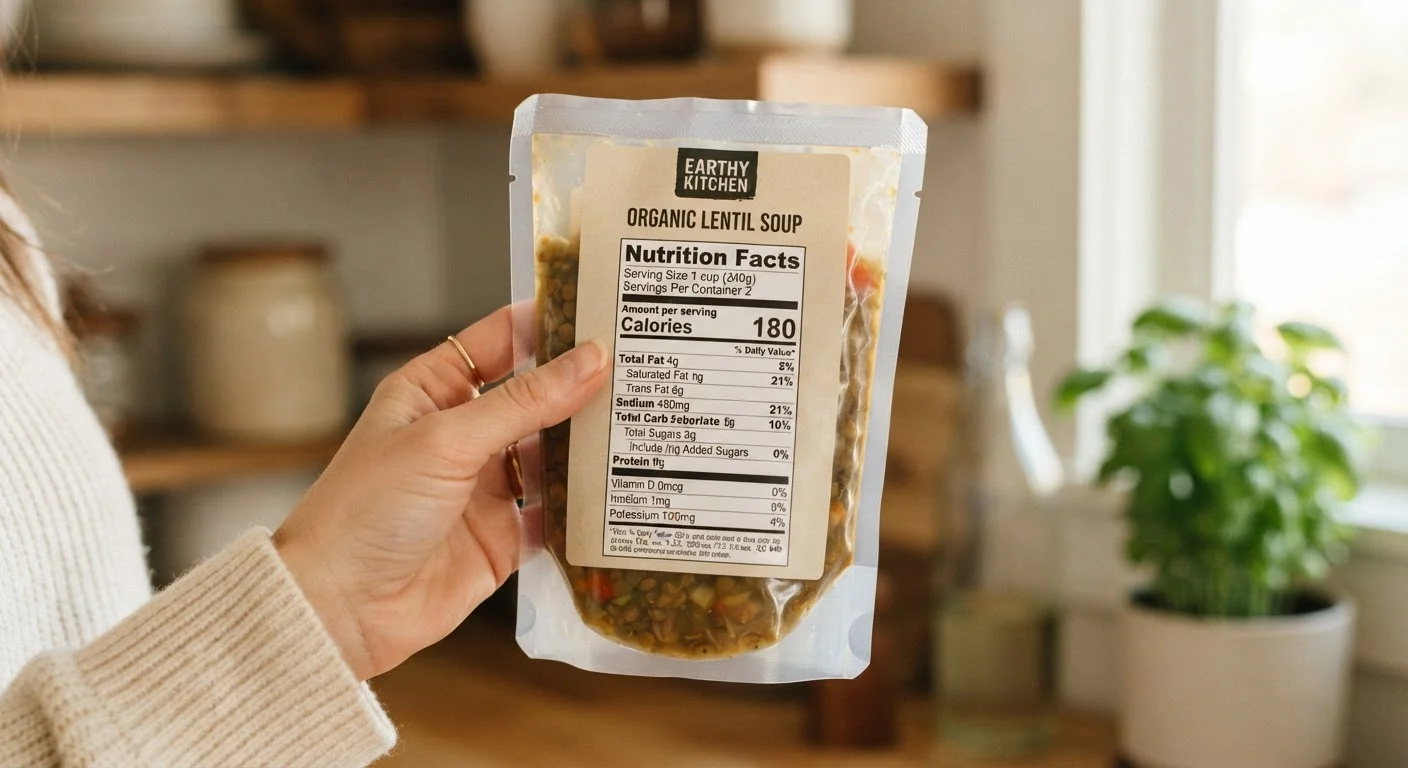
The panel is divided into clear sections: serving information at the top, calories prominently displayed, a breakdown of macro and micronutrients, and the % Daily Value column on the right. The ingredients list - a separate but equally important element - appears below or beside the panel. Together, they give you a reasonably complete picture of what you're eating.
What you will need
One honest caveat: labels describe what's in a food, not whether that food fits your individual health situation. They're a tool for informed choices, not a substitute for personalized guidance.
How to Work Through the Label Step by Step
Most people glance at calories and move on. But taking an extra 30 seconds to read the full label - in the right order - gives you far more useful information. Follow the steps below the next time you pick up a packaged item.
Find and read the serving size
Every number on the label - calories, fat, sodium, everything - is calculated for one serving, not necessarily the whole package. The serving size is listed at the very top of the panel in both a common household measure (e.g., "1 cup") and grams. Check the servings per container line directly below it. If a bag contains 3 servings and you eat the whole bag, you triple every number shown.
Note the calorie count in context
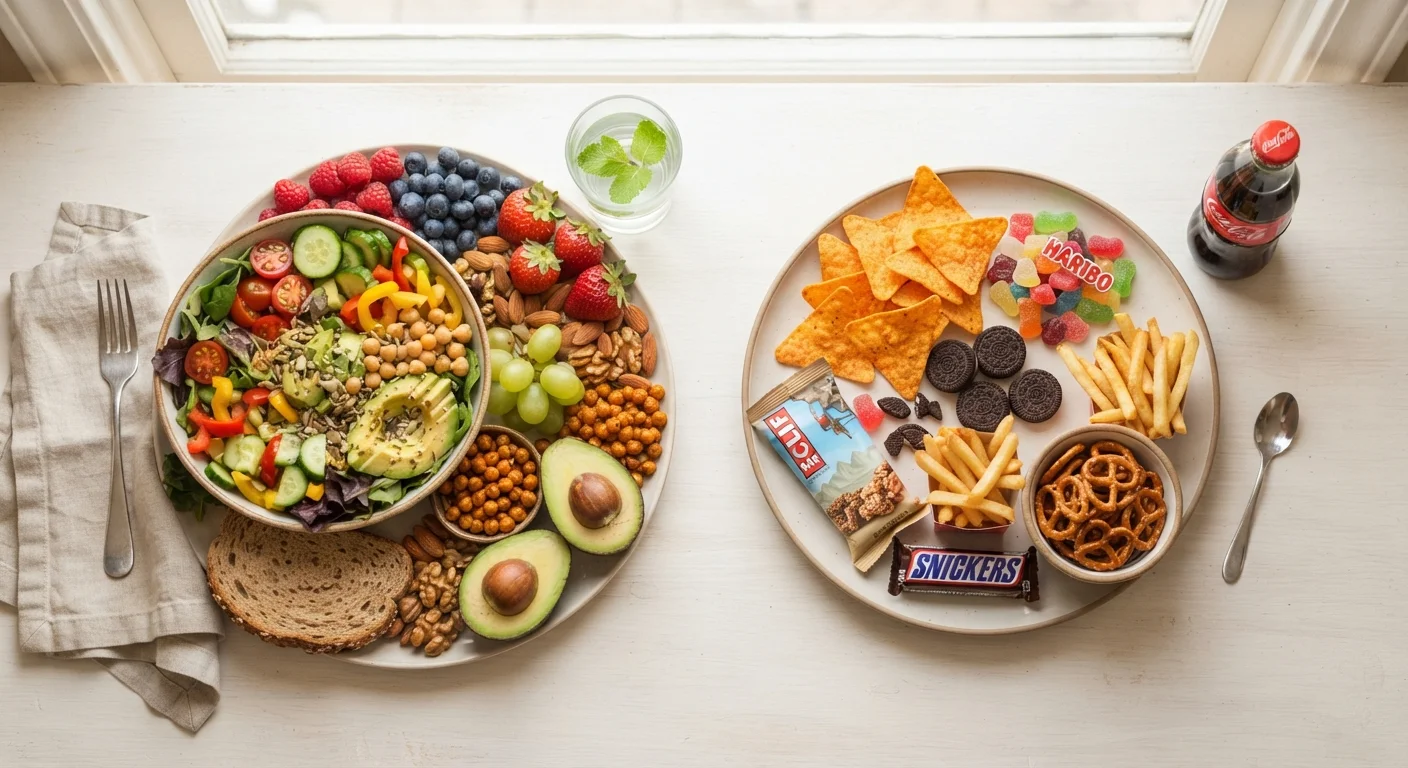
Calories measure how much energy one serving provides. While calorie totals are a starting point, they don't tell the full story about food quality. Two foods with the same calorie count can nourish your body very differently - see why food quality matters beyond calories for a deeper look. Use calories as one data point, not the final verdict.
Scan the nutrients to limit
The label groups certain nutrients together because most Americans consume too much of them. Focus on:
- Saturated fat - linked to cardiovascular health when consumed in excess
- Sodium - relevant for blood pressure and heart health
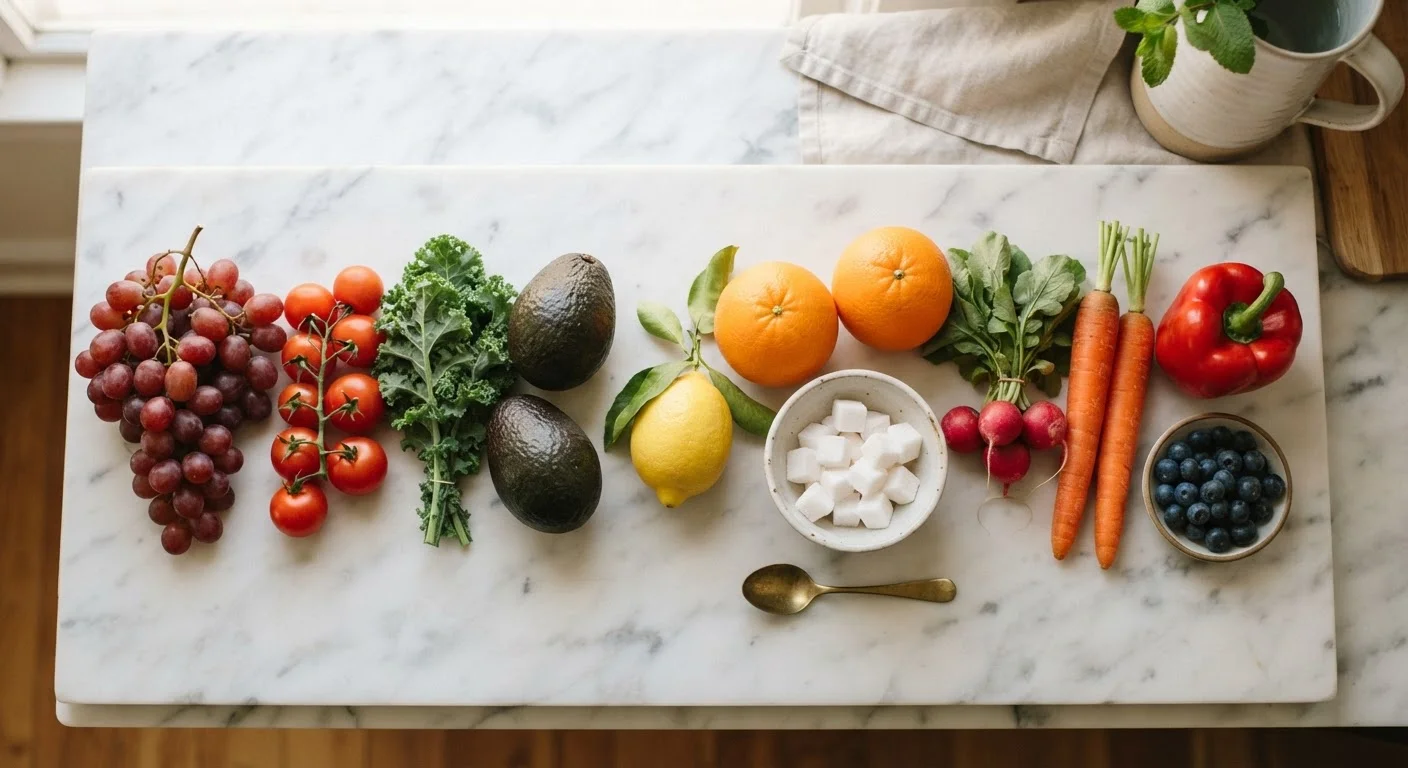
- Added sugars - distinct from naturally occurring sugars; shown separately since 2020 on updated labels
For these, a lower % Daily Value is generally favorable. Learn the difference between natural and added sugar to understand why the distinction on the label matters.
Identify the nutrients to get enough of
Below the dividing line you'll find nutrients many people under-consume: dietary fiber, vitamin D, calcium, iron, and potassium. For these, a higher % Daily Value is a positive sign. Fiber in particular supports digestive health and helps you feel satisfied after eating. Explore what each key micronutrient does if you want to go deeper on vitamins and minerals.
Apply the % Daily Value rule of thumb
The % Daily Value (% DV) column compares each nutrient to a standard daily reference amount - based on a 2,000-calorie diet for a general adult. It helps you quickly gauge whether a food is a meaningful source of something beneficial, or whether it's adding a lot of something you'd rather limit.
[tip_callout]Read the ingredients list
Ingredients are listed in descending order by weight - what appears first is present in the largest amount. A short ingredients list with recognizable items generally signals less processing. If sugar (under any of its many names: cane syrup, dextrose, maltose, fruit juice concentrate) appears in the first three ingredients of a product not expected to be sweet, that's worth noting. For a broader perspective on what processing actually means, see whole foods vs. processed foods explained.
Labels Are a Guide, Not Medical Advice
Nutrition information on packaging is based on general population reference values, not your individual health needs. If you have a specific condition - such as diabetes, kidney disease, or cardiovascular concerns - work with a registered dietitian or your healthcare provider to understand what the numbers mean for you personally.
Once you're comfortable reading individual labels, you can start using them to compare products side by side. Since serving sizes sometimes differ between similar products, always normalize to the same serving amount before comparing numbers. This is the same logic behind unit pricing at the shelf - a per-unit comparison cuts through packaging differences.
Putting Labels Into Everyday Practice
Reading a label fluently doesn't mean obsessing over every gram. The goal is awareness - knowing roughly what you're eating so you can make choices that fit your overall pattern. Speaking of patterns, well-studied eating patterns tend to emphasize whole foods where labels are less relevant altogether, but packaged foods are a reality for most households and knowing how to evaluate them is genuinely useful.
Front-of-Pack Claims Can Mislead
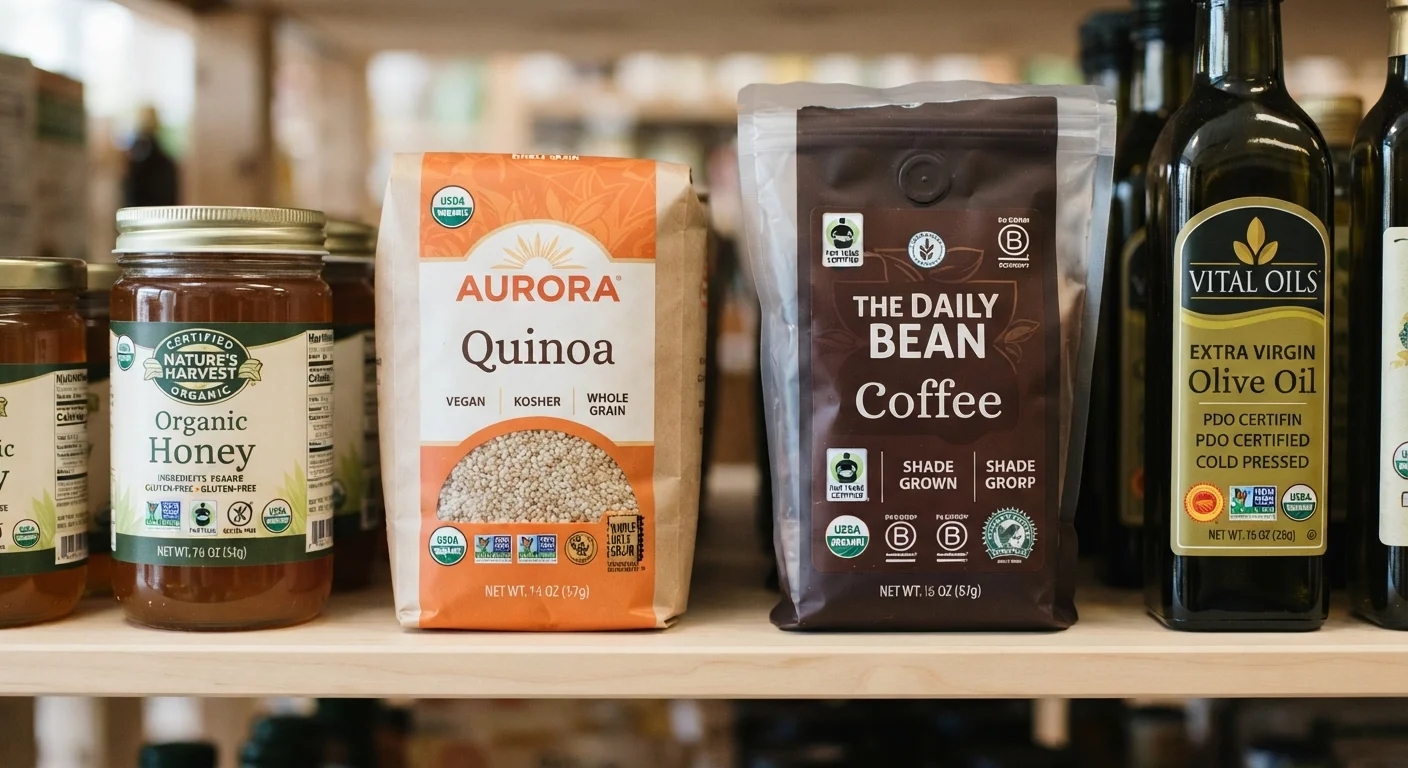
Words like "natural," "light," or "made with whole grains" on the front of a package are marketing language, not regulated nutrition standards. Always flip to the Nutrition Facts panel and the ingredients list for the real picture. Our guide on what certification labels actually mean explains which claims carry genuine weight.
If you find label-reading adds stress rather than clarity, step back. Tools like building a balanced plate without counting calories offer approaches that don't require scrutinizing numbers at every meal. Labels are one resource among many - use them when they help, and don't let them get in the way of simply enjoying food.
This article is for general informational and educational purposes only and is not a substitute for professional medical or dietary advice. If you have specific health concerns or dietary needs, please consult a qualified healthcare provider or registered dietitian.