Why Plants Are Better Off With Good Neighbors
Just like people, plants don't thrive in isolation. In nature, diverse plant communities form naturally - and gardeners have long observed that certain combinations produce stronger, healthier results than single-crop rows. Companion planting draws on this idea intentionally.
The benefits fall into a few clear categories:
- Pest management: Some plants release scents or compounds that confuse or repel insects that would otherwise damage a neighboring crop.
- Soil enrichment: Legumes like beans and peas absorb nitrogen from the air and deposit it in the soil through their roots, feeding nearby heavy-feeding plants like corn.
- Physical support and shading: Tall plants can shelter shorter, shade-tolerant plants from harsh afternoon sun. Ground-covering plants can suppress weeds around taller neighbors.
- Pollinator attraction: Flowering companions bring in bees and other pollinators, which benefits fruit-setting vegetables like tomatoes, squash, and cucumbers.
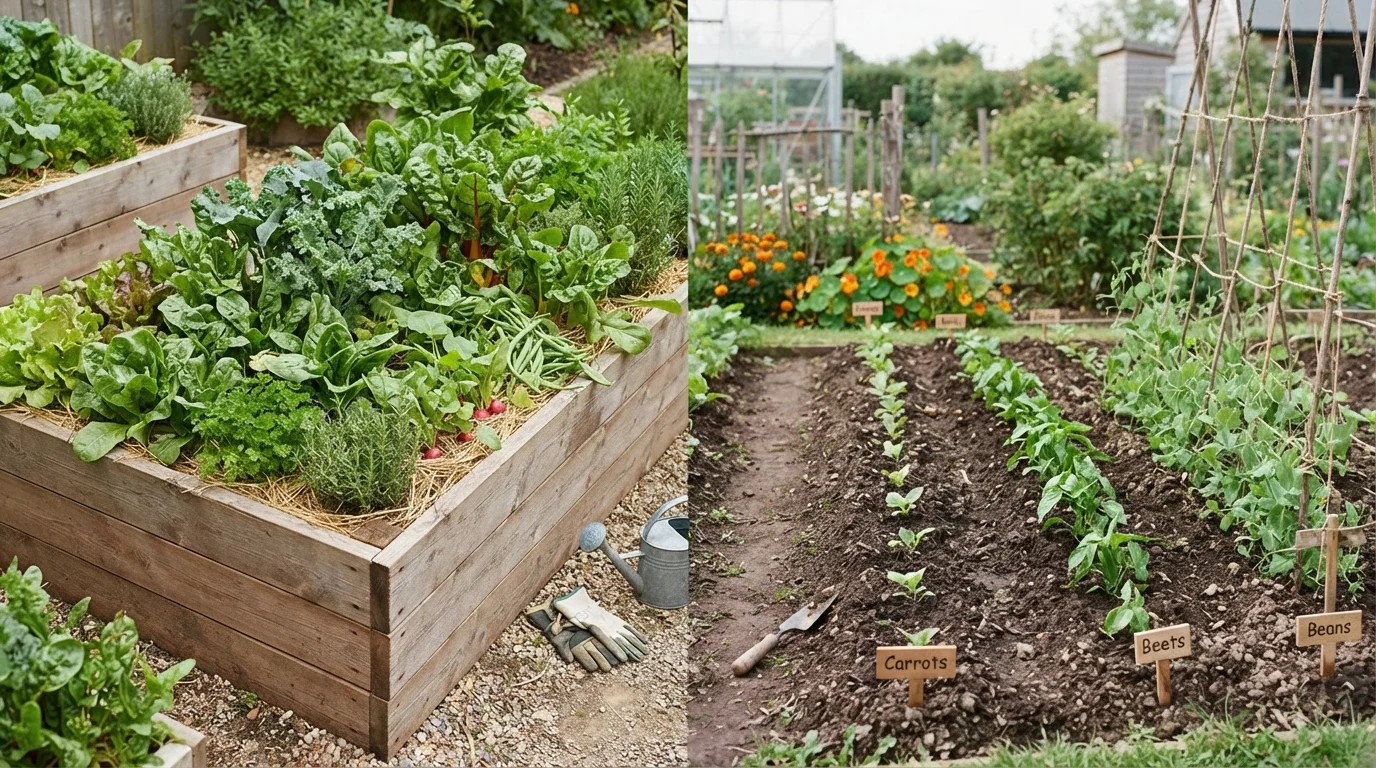
Before planting, it helps to think about your full setup. Whether you're using a raised bed or an in-ground plot affects how you space companions - see our guide to raised beds vs. in-ground planting to decide what works best for your space.
Start with one proven pairing
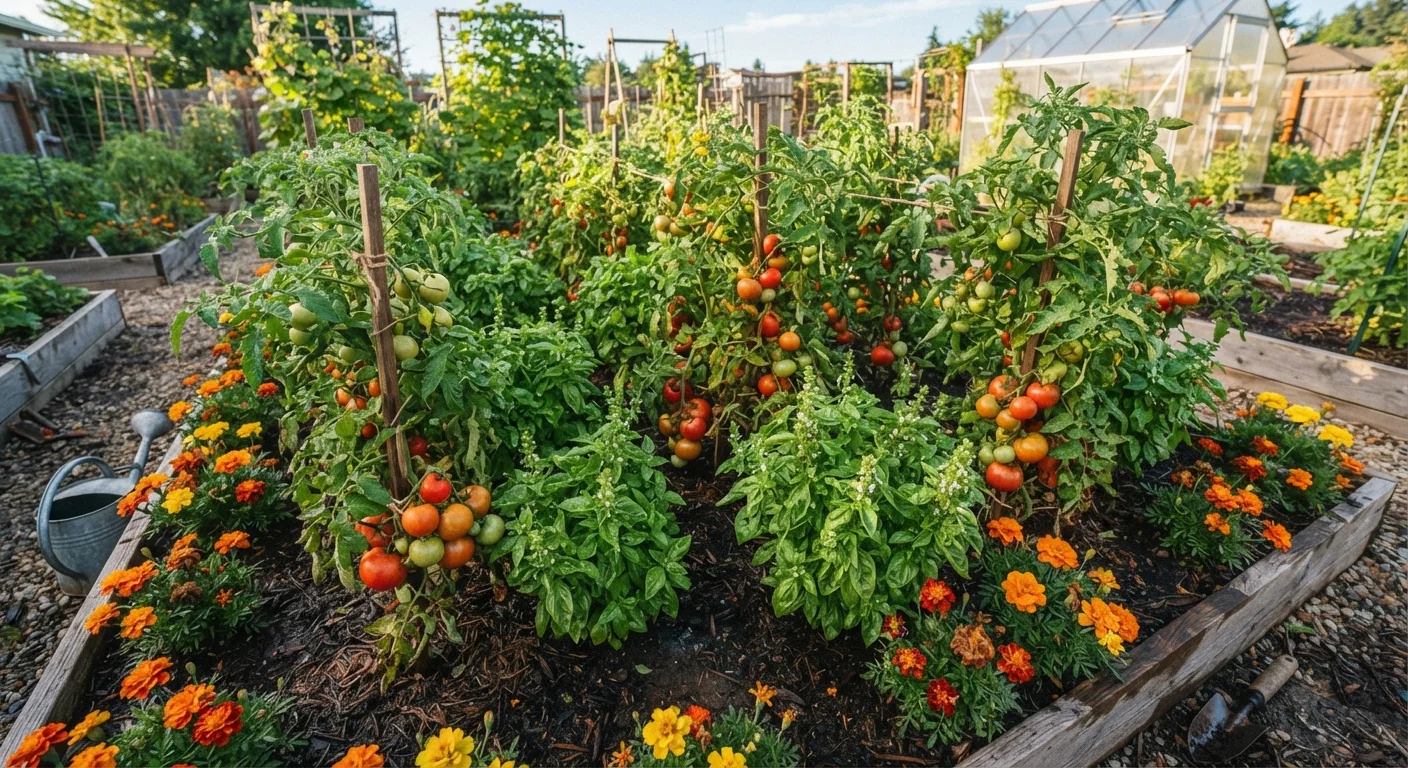
If companion planting feels overwhelming, pick a single combination - like tomatoes with basil - and test it this season. Observing one pairing closely teaches you far more than planting a complex mix you can't evaluate. Build from there each year as your confidence grows.
The Pairings That Consistently Work
While companion planting folklore includes dozens of combinations, a smaller number have strong observational and research support. Here are the most reliable pairings for beginner vegetable gardens:
The Three Sisters: Corn, Beans, and Squash
This is the most celebrated companion group in North American gardening, originating with Indigenous agricultural traditions. Corn grows tall, giving beans a structure to climb. Beans fix nitrogen in the soil, feeding the corn and squash. Squash spreads along the ground, shading out weeds and retaining soil moisture. Each plant supports the others in a distinct, practical way.
Tomatoes and Basil
This pairing is popular partly because the two end up on the same plate - but there's a functional case for it too. Basil is believed to repel aphids and certain moths, and many gardeners report healthier tomato plants when basil grows nearby. The evidence is largely observational, but it's a low-risk combination worth trying.
Carrots and Onions
Carrot flies and onion flies are both common pests, and each is reportedly deterred by the smell of the other crop. Planting them in alternating rows is a classic approach. Neither plant crowds the other since they grow at different soil depths.
Brassicas and Marigolds
Cabbage, kale, broccoli, and other brassicas are frequent targets for aphids and cabbage worms. French marigolds (Tagetes patula) are commonly planted nearby because they attract aphid predators and are thought to repel whiteflies. They're also easy to grow from seed or transplant.
20%+
Potential yield boost from intercropping
Research published in agricultural journals has found that well-chosen intercropping systems (growing two or more crops together) can increase total land productivity by more than 20% compared to single-crop growing.
~10,000 years
Estimated age of Three Sisters farming
The Three Sisters combination of corn, beans, and squash is believed to have been cultivated by Indigenous peoples of North America for thousands of years, representing one of the earliest documented companion planting systems.
3-4 ft
Typical companion planting proximity
Most companion planting guides recommend keeping beneficial plant pairs within 3 to 4 feet of each other to allow root interaction, shared pest deterrence, and pollinator overlap.
Combinations to Avoid
Poor neighbors can set your garden back just as much as good ones can move it forward. Knowing what not to plant together is just as valuable as knowing the winning pairs.
- Fennel near almost everything: Fennel releases compounds from its roots that inhibit the growth of most vegetable crops. It's best grown in its own separate container or section of the garden.
- Onions and garlic near beans and peas: Alliums (the onion family) are thought to stunt the growth of legumes. Keep them on opposite sides of your plot.
- Tomatoes and brassicas: These are both heavy feeders and tend to compete for the same nutrients. They're also affected by some of the same soil-borne diseases, so keeping distance between them reduces risk.
- Potatoes and squash: Both plants spread broadly and compete for space and nutrients. In a small garden, planting them together typically means one will crowd out the other.
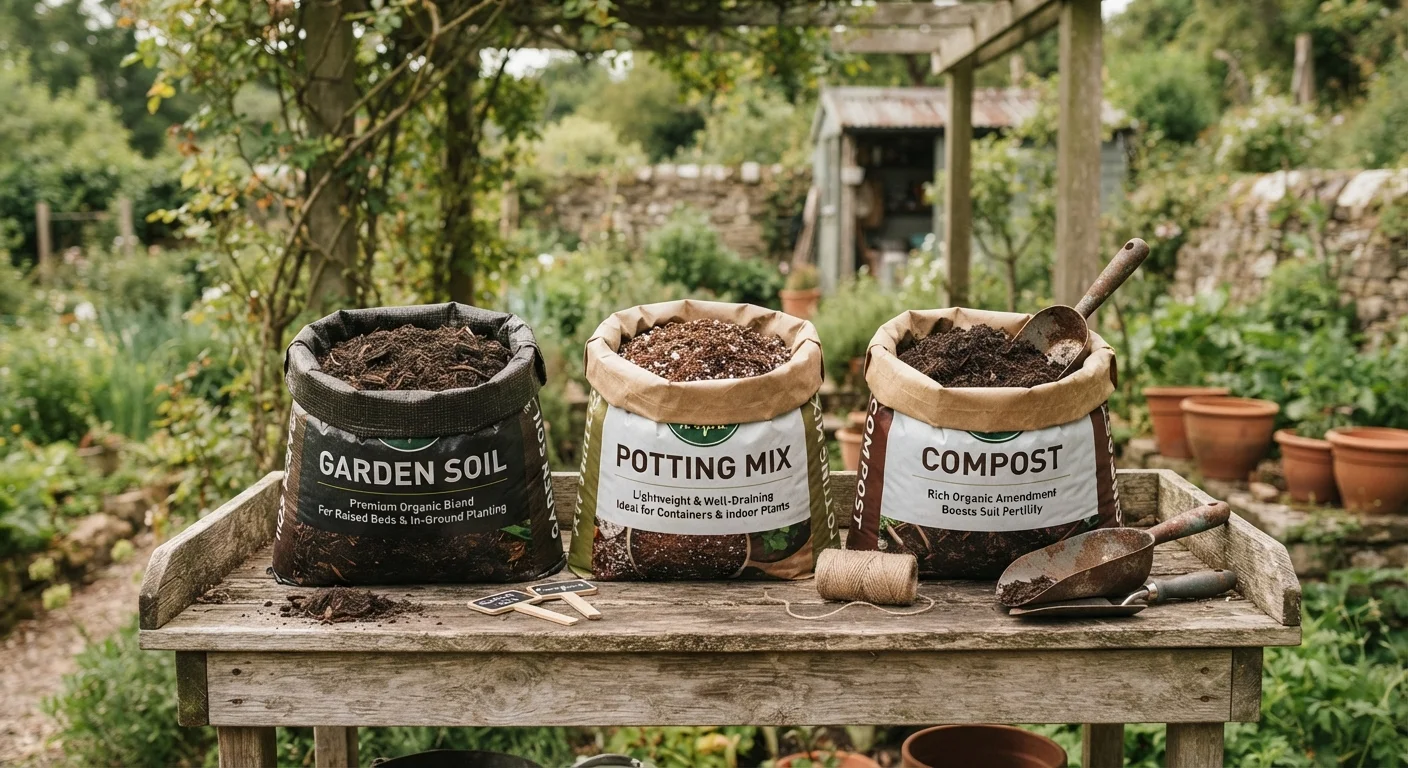
Good soil preparation helps any pairing get off to a strong start. Our guide to garden soil, potting mix, and compost explains how to set up a growing medium that supports your whole bed.
Putting Companion Planting Into Practice
You don't need to redesign your entire garden around companion planting. A few intentional choices go a long way, especially for beginners.
Start by picking one or two pairings relevant to what you're already planning to grow. If tomatoes are on your list, add basil in the same bed. If you're growing corn, try adding beans and squash alongside them. Small, testable experiments are more useful than an elaborate master plan.
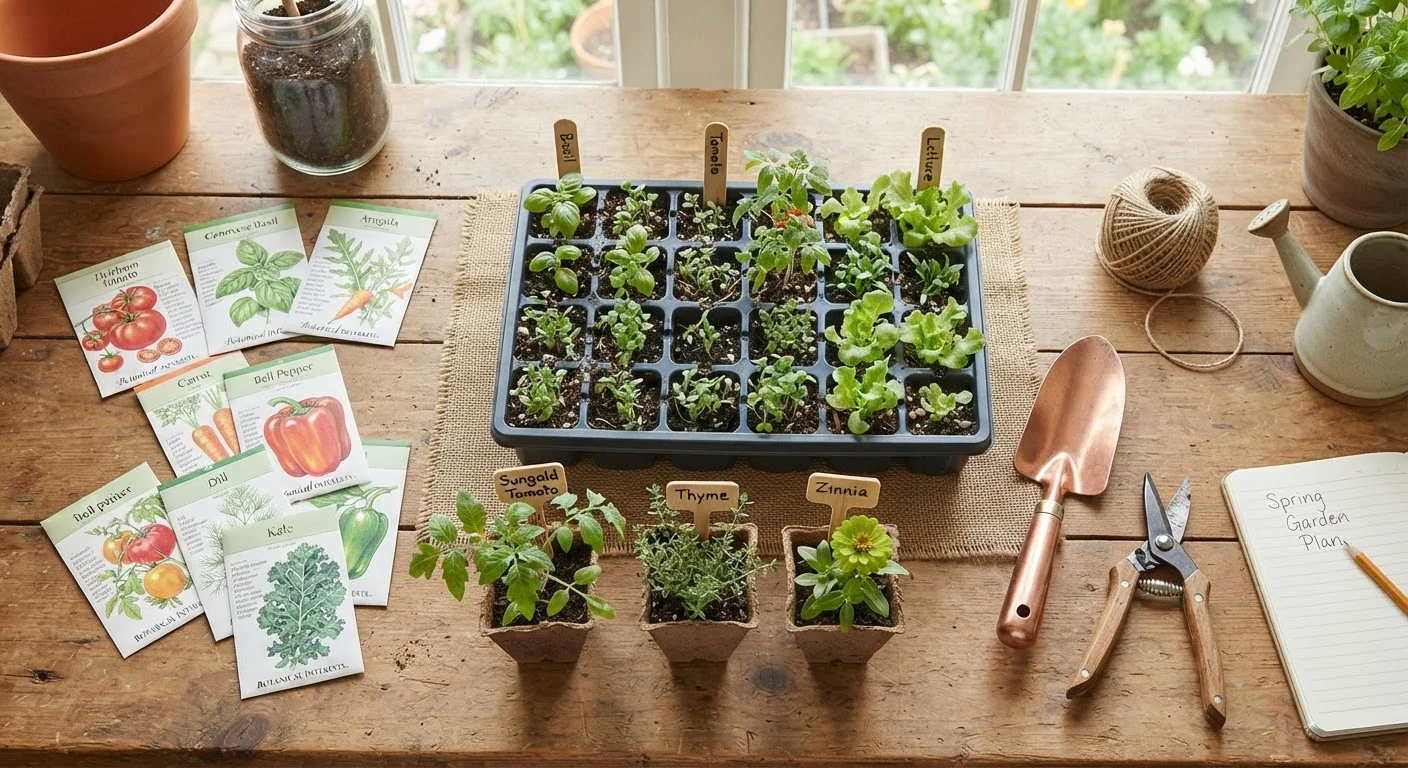
Timing matters too. Companion plants should ideally be planted at the same time or with enough lead time that they're both actively growing together during the period when the benefit matters most - usually during peak pest season or fruiting time. For help deciding whether to start from seed or buy transplants, see our comparison of seeds vs. transplants.
Companion planting also pairs naturally with other low-intervention pest strategies. If you're managing insects without chemicals, it's worth reading about natural pest control methods for the vegetable garden - many approaches work well together.
Finally, keep notes. What you observe in your garden over a season is more valuable than any generic guide. Note which pairings seemed to reduce pest pressure and which crops struggled side by side. That record becomes your most useful resource for planning next year's beds.