What Sets These Two Approaches Apart
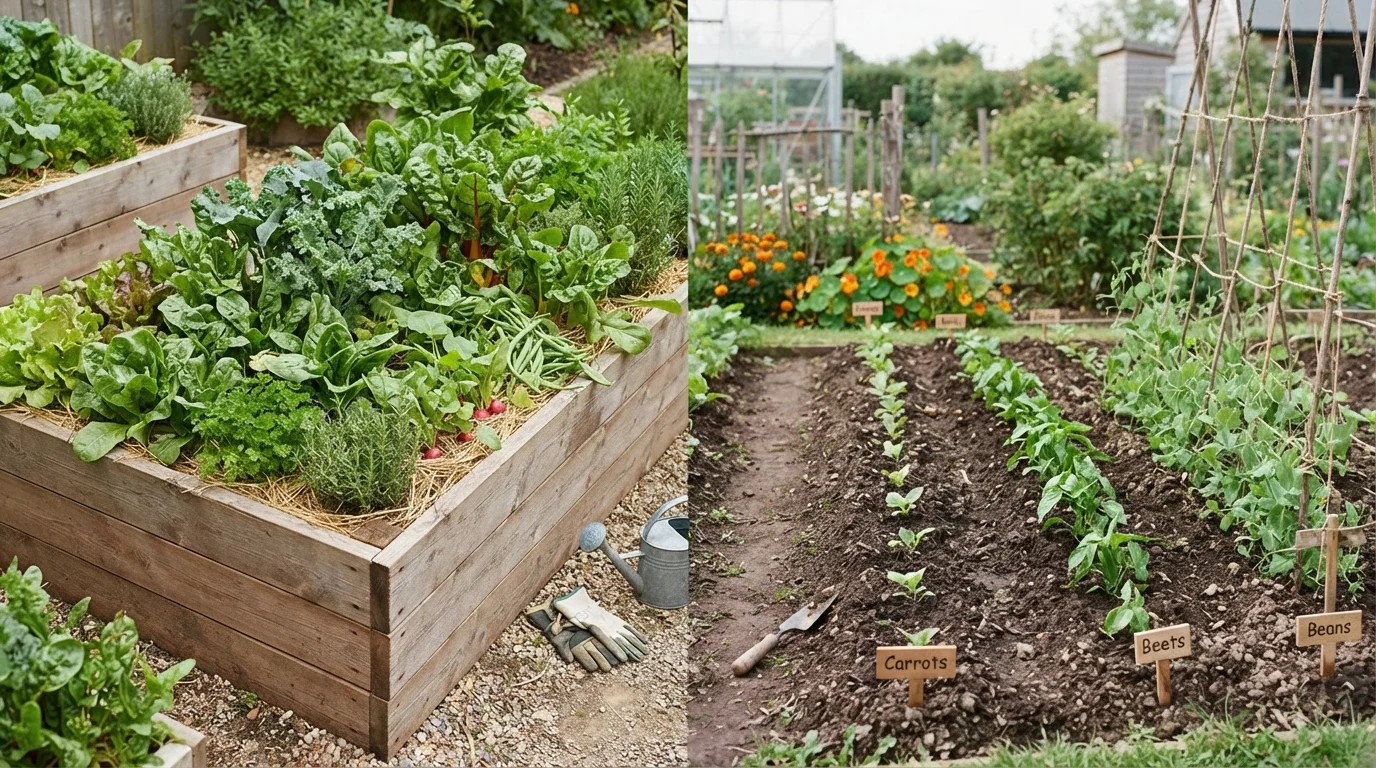
At their core, raised beds and in-ground planting differ in one fundamental way: where the growing medium comes from. A raised bed is a contained structure - typically wood, metal, or composite - filled with soil you bring in. In-ground planting works directly with the soil already present in your yard, amended as needed.
That difference ripples outward into cost, maintenance, drainage, and how much control you have over growing conditions. Before planting a single seed, it helps to understand those trade-offs. For a solid grounding in what all plants need regardless of setup, see our beginner's guide to soil, sun, and water.
| Criterion | Raised Beds | In-Ground Planting |
|---|---|---|
| Upfront cost | Higher (materials, soil) | Lower (amend existing soil) |
| Soil quality control | Full control - you fill it | Dependent on native soil |
| Drainage | Excellent by design | Varies with site and soil type |
| Spring soil warm-up | Faster - smaller soil volume | Slower - larger ground mass |
| Weed pressure | Generally lower | Generally higher |
| Scalability | Limited by bed size and cost | Easily expanded |
| Accessibility | High - adjustable height | Requires bending/kneeling |
| Best crop types | Compact veg, herbs, greens | Large, sprawling, or deep-rooted crops |
The Case for Raised Beds
Raised beds shine in situations where the native soil is working against you. Compacted urban soil, heavy clay, rocky ground, or soil with a history of contamination are all scenarios where building up rather than digging in makes practical sense. You fill the bed with a blend you choose - typically a mix of topsoil, compost, and an aerating material like aged wood chips - and start on solid footing.
There are other advantages worth noting. Raised beds drain more freely than flat ground, reducing the risk of waterlogged roots. They warm up faster in spring, which can extend the planting window by a week or two in cooler climates. Weeds are easier to manage because you are not disturbing a vast seedbank in the ground.
6-8 inches
Minimum raised bed depth for most vegetables
Most cooperative extension services recommend at least 6 inches of growing medium for shallow-rooted crops, and 12 inches or more for root vegetables.
4 feet
Ideal raised bed width for easy reach
A width of 4 feet allows most gardeners to reach the center from either side without stepping into the bed and compacting the soil.
The trade-off is upfront cost. Materials for a single 4×8 foot bed - lumber or metal panels, hardware, and enough quality soil to fill it - represent a real investment. That cost scales quickly if you want multiple beds. If budget is a consideration, our budgeting basics hub has practical strategies for planning garden spending alongside household finances.
The Case for In-Ground Planting
In-ground planting is the traditional method for good reason. When the existing soil is workable - or can be improved with compost and organic matter - it offers something raised beds cannot: essentially unlimited growing space at very low cost. There is no lumber to source, no bulk soil to haul, and no frame to maintain or replace over time.
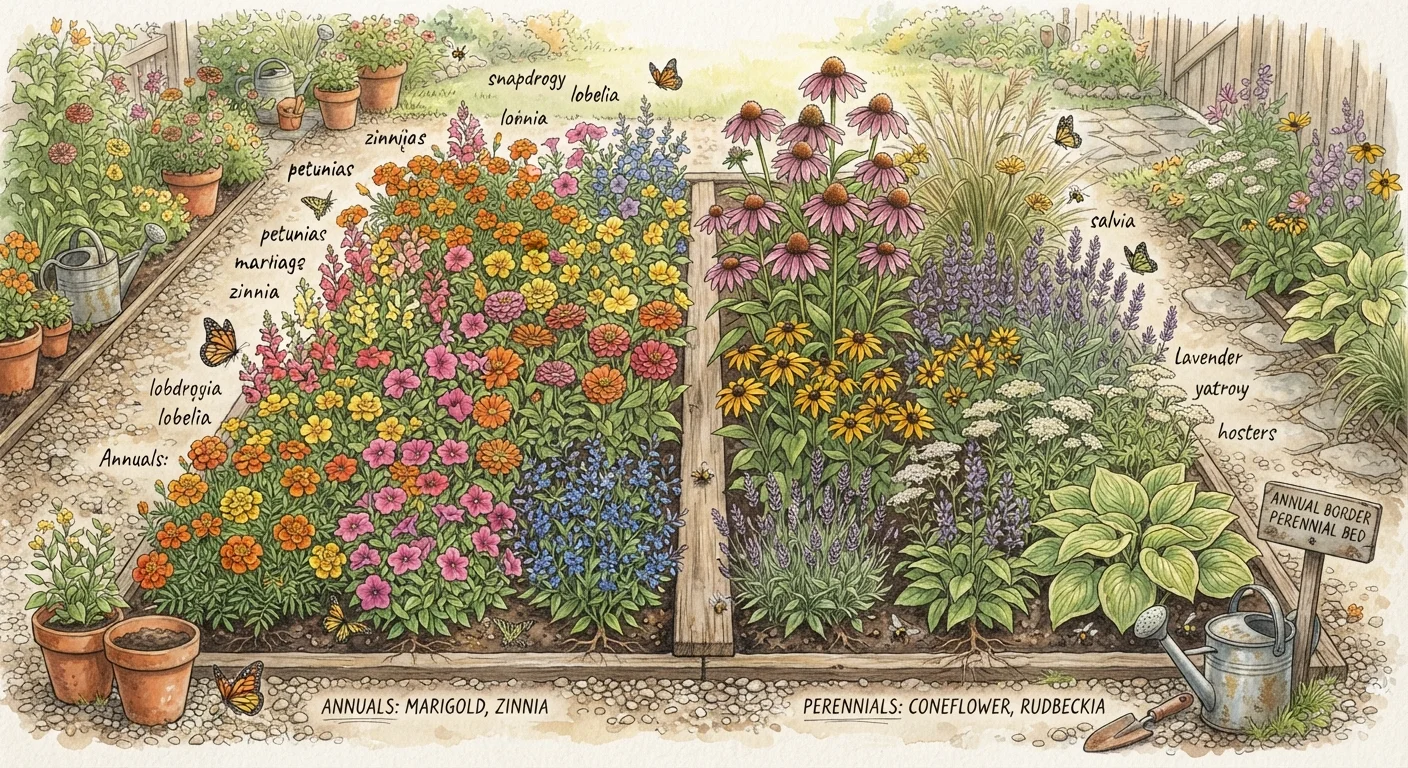
Large-scale crops, including corn, sprawling squash varieties, and long-row plantings of beans or potatoes, are far better suited to open ground. Root vegetables like carrots and parsnips can grow as deep as they need to without hitting a bed floor. Perennial plants - shrubs, fruit trees, asparagus crowns - are almost always planted in-ground because their root systems expand over years. Our article on annuals vs. perennials explains how that distinction shapes long-term garden planning.
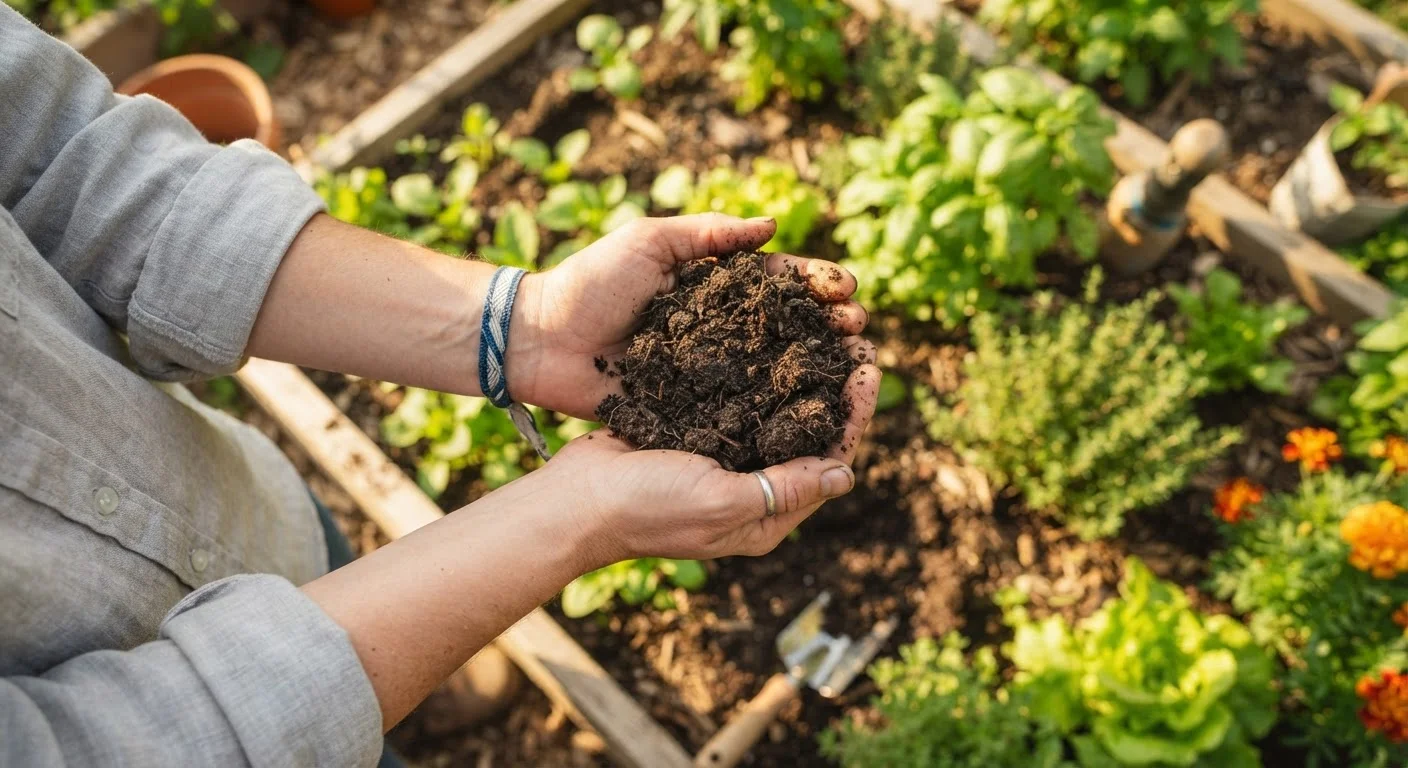
The requirement is investing time in soil preparation. Compacted or nutrient-poor ground needs amending before it grows much of anything well. A soil test from your local cooperative extension service is a worthwhile starting point - it tells you pH and nutrient levels so you can amend with purpose rather than guesswork.
Get a Soil Test Before You Dig
Many US counties offer low-cost or free soil testing through their local cooperative extension offices - a service of the land-grant university system. A test report tells you your soil's pH, organic matter content, and key nutrient levels. Amending soil based on actual test results is far more effective than adding products by guesswork and avoids over-application of inputs like lime or fertilizer.
Practical Factors That Should Drive Your Decision
Neither method is universally better. Your specific site conditions matter more than any general rule. Work through these four questions before committing:
- What does your native soil look like? If it is dense clay, sandy, or potentially contaminated, raised beds remove that obstacle immediately.
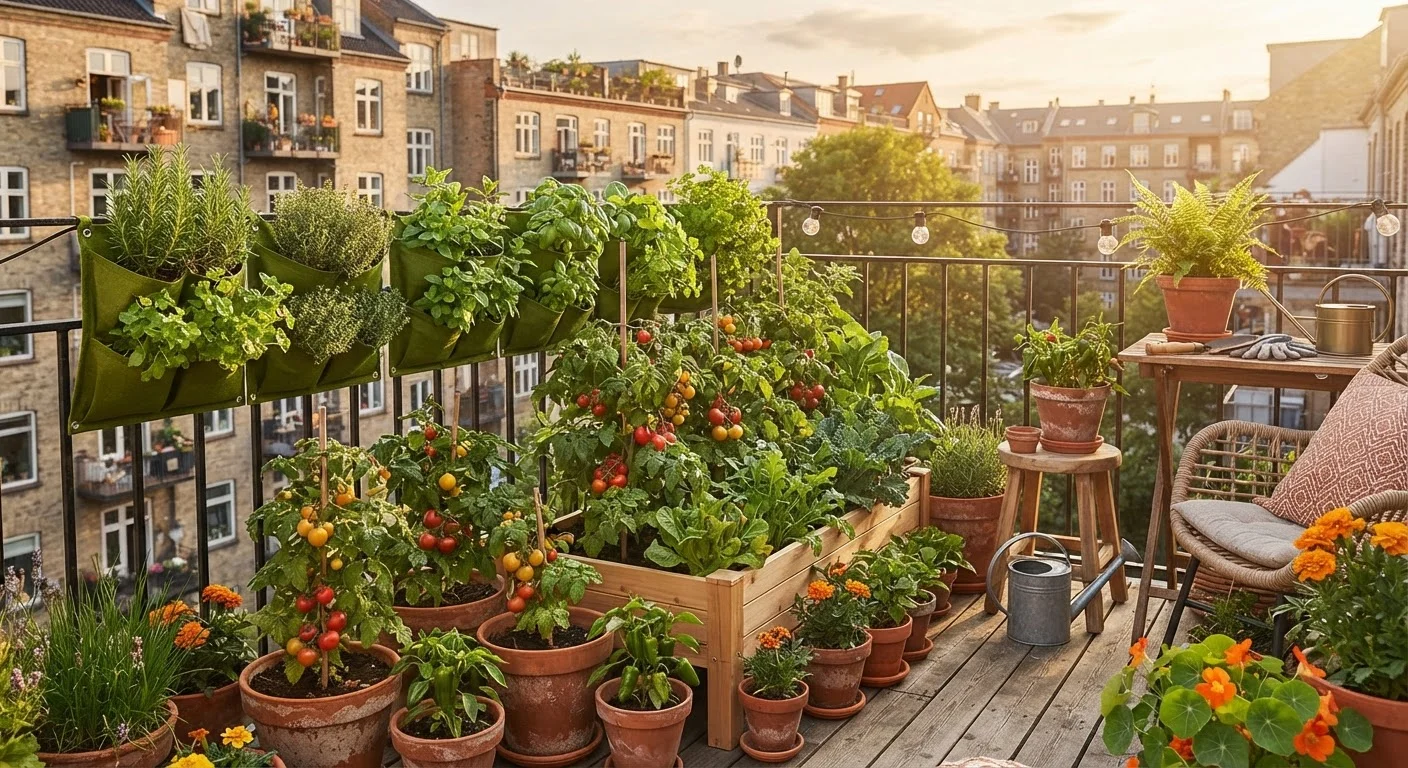
- How large is your growing space? Small yards and patios favor raised beds. A quarter-acre garden plot is more practical in-ground. If you are working with a balcony or very compact area, our guide to small-space vegetable gardening has targeted advice.
- What is your budget for setup? In-ground is lower cost to start. Raised beds cost more upfront but can reduce ongoing inputs like irrigation and weeding labor.
- What do you plan to grow? Compact vegetables like lettuce, herbs, and tomatoes thrive in raised beds. Large sprawling or deep-rooted crops tend to do better in-ground.
Once you have answered those questions, you will likely find one approach fits your situation clearly. Use our garden-ready checklist to confirm your space is fully prepared before the first seed goes in.