Why These Three Products Get Confused
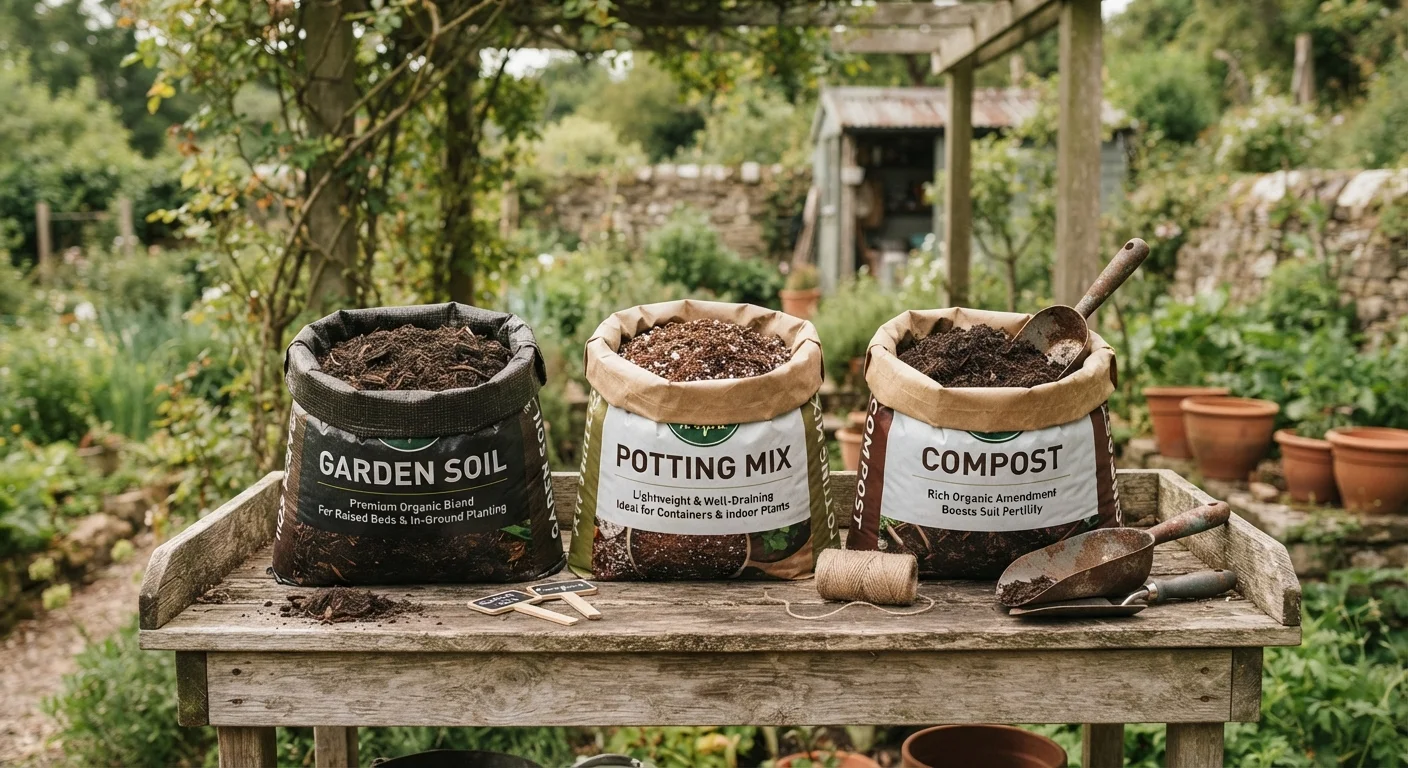
Walk into any garden center and you'll find bags of garden soil, potting mix, and compost stacked near each other, sometimes with very similar-looking packaging. It's easy to assume they're all basically the same thing - just dirt. They're not, and grabbing the wrong bag for your project is one of the most common beginner mistakes.
Each product has a distinct physical makeup, a distinct purpose, and some real limitations when used out of context. Before you learn what your plants need from the ground up, it helps to know exactly what you're working with. Here's what separates them.
Garden Soil: Built for the Ground
Garden soil is a blended mix designed to be used outdoors, directly in the earth. It's heavier and denser than the other two options because it's meant to integrate with your existing native soil - the stuff already in your yard. Manufacturers typically blend it with topsoil, organic matter, and sometimes bark or sand to improve drainage and texture.
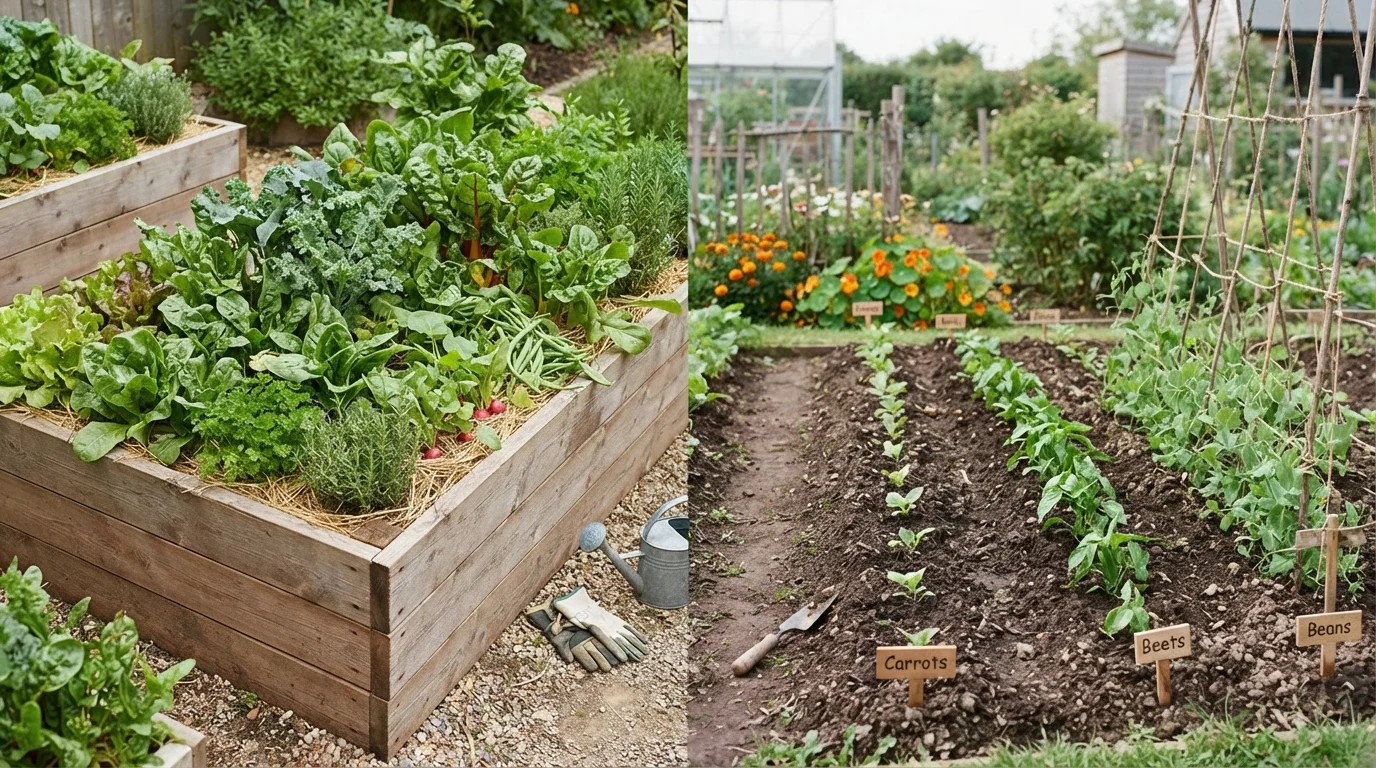
Where it works: In-ground garden beds, and often as a fill for raised beds versus in-ground planting. When mixed into your native soil, it improves structure without creating the drainage problems that come with using potting mix in the ground.
Where it fails: Do not use garden soil in containers or pots. Its density causes it to compact tightly in confined spaces, cutting off oxygen to roots and preventing water from draining properly. Plants in pots filled with garden soil frequently become waterlogged and suffocate.
| Garden Soil | Potting Mix | Compost | |
|---|---|---|---|
| Primary use | In-ground and raised beds | Containers and pots | Soil amendment |
| Weight/texture | Heavy and dense | Lightweight and airy | Crumbly and fine |
| Drainage | Moderate | Fast-draining | Variable by blend |
| Nutrient content | Low to moderate | Low (often amended) | High organic nutrients |
| Sterile (pathogen-free)? | Usually not | Yes, typically pasteurized | No |
| Use alone as growing medium? | Yes, outdoors | Yes, in containers | No - always blend |
Potting Mix: Engineered for Containers
Potting mix - sometimes called potting soil, though it contains little to no actual soil - is a lightweight, fast-draining blend typically made from peat moss or coco coir, perlite (small white volcanic particles that improve aeration), and sometimes bark or compost. It's also usually pasteurized, meaning it's been heat-treated to eliminate weed seeds and pathogens.
Where it works: Any container growing - pots, window boxes, raised planters, grow bags, or indoor plants. Its open, airy structure keeps roots from sitting in stagnant water and ensures they get the oxygen they need in a confined environment.
Where it fails: Potting mix used in the open ground dries out too quickly and lacks the mineral content that outdoor plants draw on from native soil. It also degrades fast when exposed to repeated rain and sun cycles.
Check the Bag Before You Buy
Labels can be misleading - some products are marketed as 'garden soil' but are actually compost blends, and vice versa. Flip the bag over and look at the ingredient list. If you see perlite and peat or coco coir listed prominently, it's a potting-style mix. If it lists bark, topsoil, or native mineral soil components, it's closer to a garden soil. When in doubt, ask a staff member at the garden center to confirm the product's intended use before purchasing.
Compost: An Amendment, Not a Growing Medium
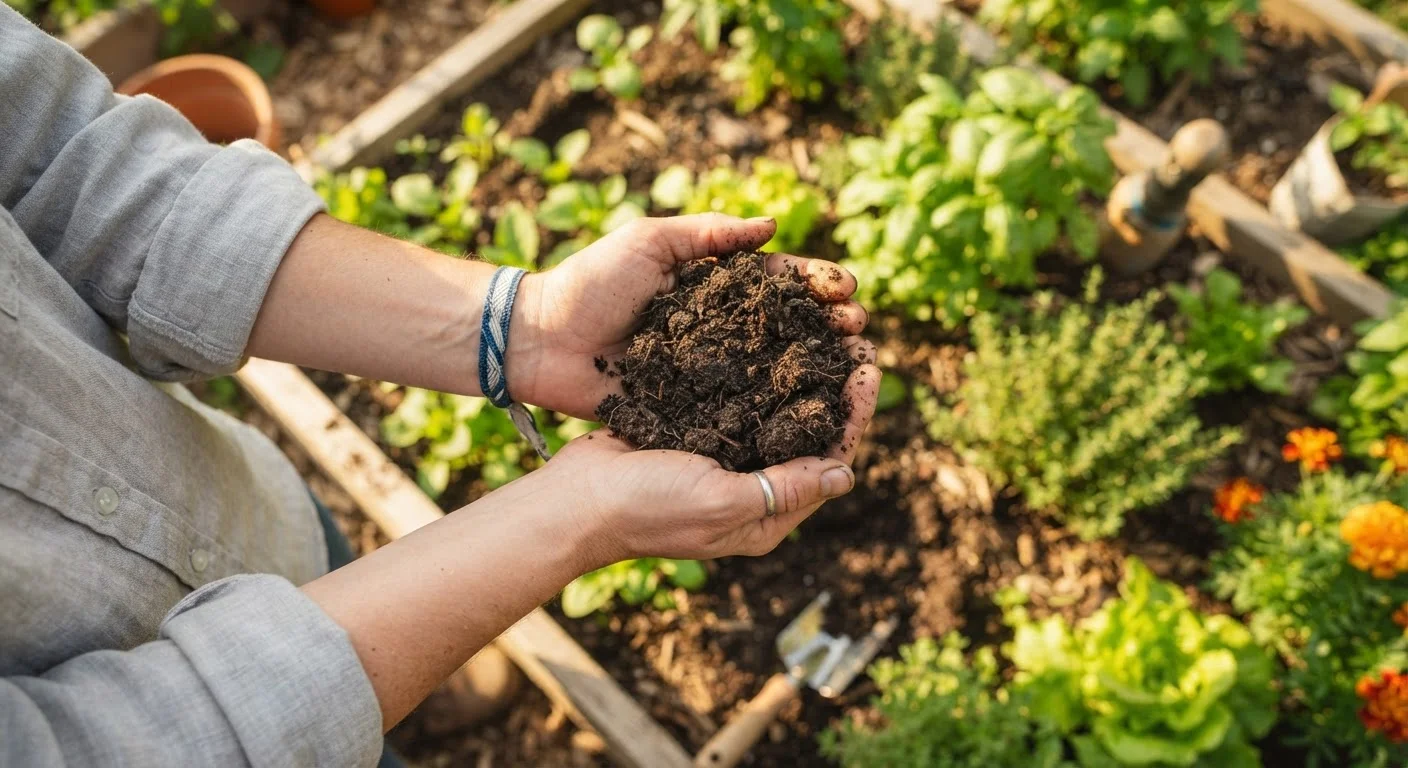
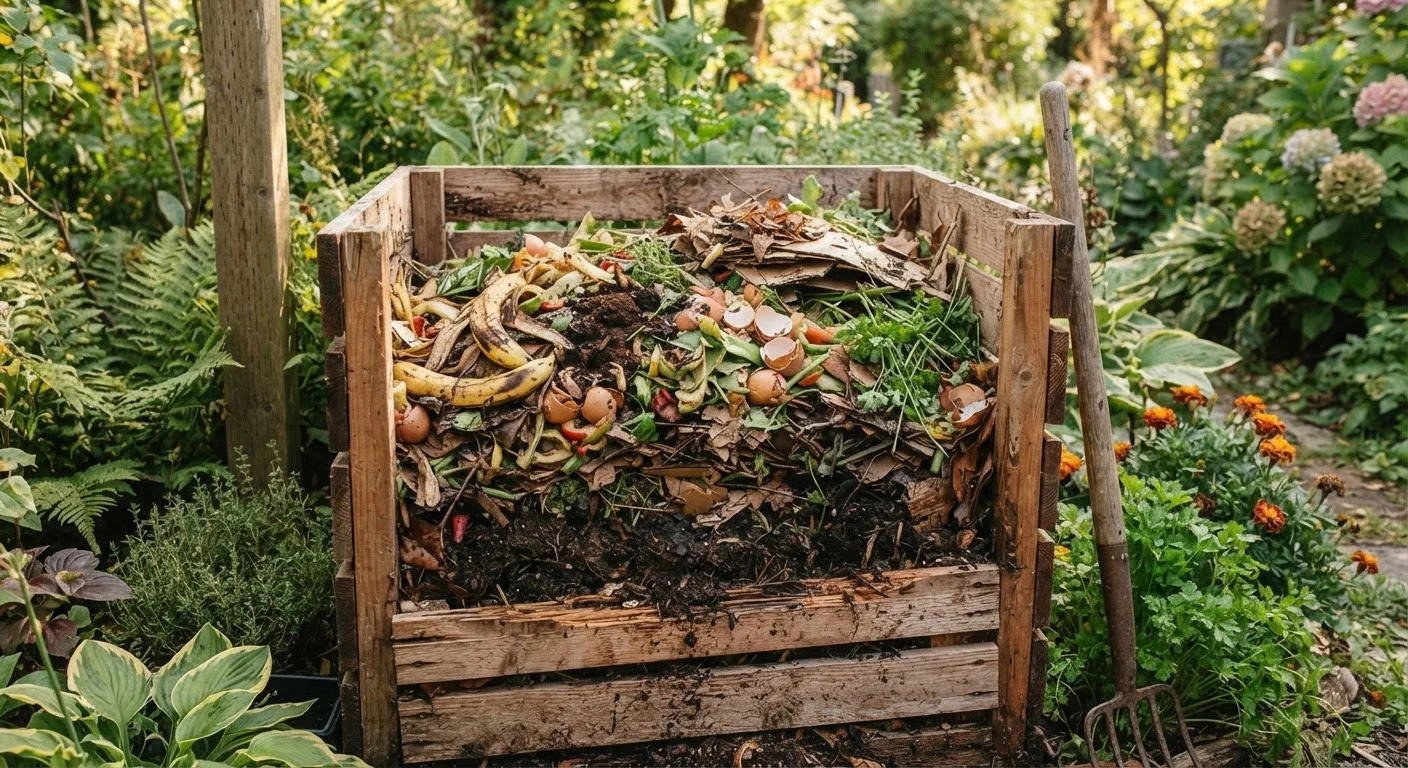
Compost is decomposed organic matter - kitchen scraps, yard waste, leaves - that has broken down into a dark, crumbly, nutrient-rich material. It's arguably the most misunderstood of the three because people often treat it as a replacement for soil when it's actually a supplement to soil.
Where it works: Mixed into garden soil before planting (typically 2-4 inches worked into the top layer), used as a mulch on top of beds, or blended into potting mix to extend its nutrients. Adding compost improves drainage in clay-heavy soil and helps sandy soil retain moisture - it makes almost any soil better. You can learn to make your own through composting at home with kitchen scraps.
Where it fails: Compost used on its own as a planting medium is too rich and lacks the structure plants need for root development. Seeds and seedlings in pure compost can burn from excess nitrogen and may struggle to anchor themselves.
~30%
Organic matter in healthy garden soil
Cooperative Extension programs generally recommend garden beds contain around 5-30% organic matter depending on plant type, with compost being a primary way to build that level over time.
2-4 inches
Recommended compost layer to work into beds
Most university extension gardening guides suggest incorporating 2 to 4 inches of compost into the top 6 to 8 inches of soil before planting each season.
How to Use All Three Together
The good news: these three products are designed to complement each other. A common and effective approach for filling a new raised bed is a blend of garden soil for bulk and structure, compost for fertility and moisture retention, and either more compost or a small portion of potting mix for lightness and drainage.
For established in-ground beds, top-dressing with compost each spring is one of the simplest things you can do to maintain soil health season after season. For containers, start with a quality potting mix and refresh it annually - compost can be blended in to extend nutrients.
Knowing your growing setup is the foundation of smart soil choices. Whether you're thinking about annual or perennial plants or planning your layout, matching the right medium to the right location removes a major variable from the equation - and gives your plants the best possible start.