Why Natural Pest Control Makes Sense for Vegetable Gardens
When you're growing food you plan to eat, what you put on your plants matters. Chemical pesticides can leave residues on vegetables, harm beneficial insects like bees, and disrupt the soil biology that keeps your garden productive. Natural pest control sidesteps these concerns by working with your garden's ecosystem rather than against it.
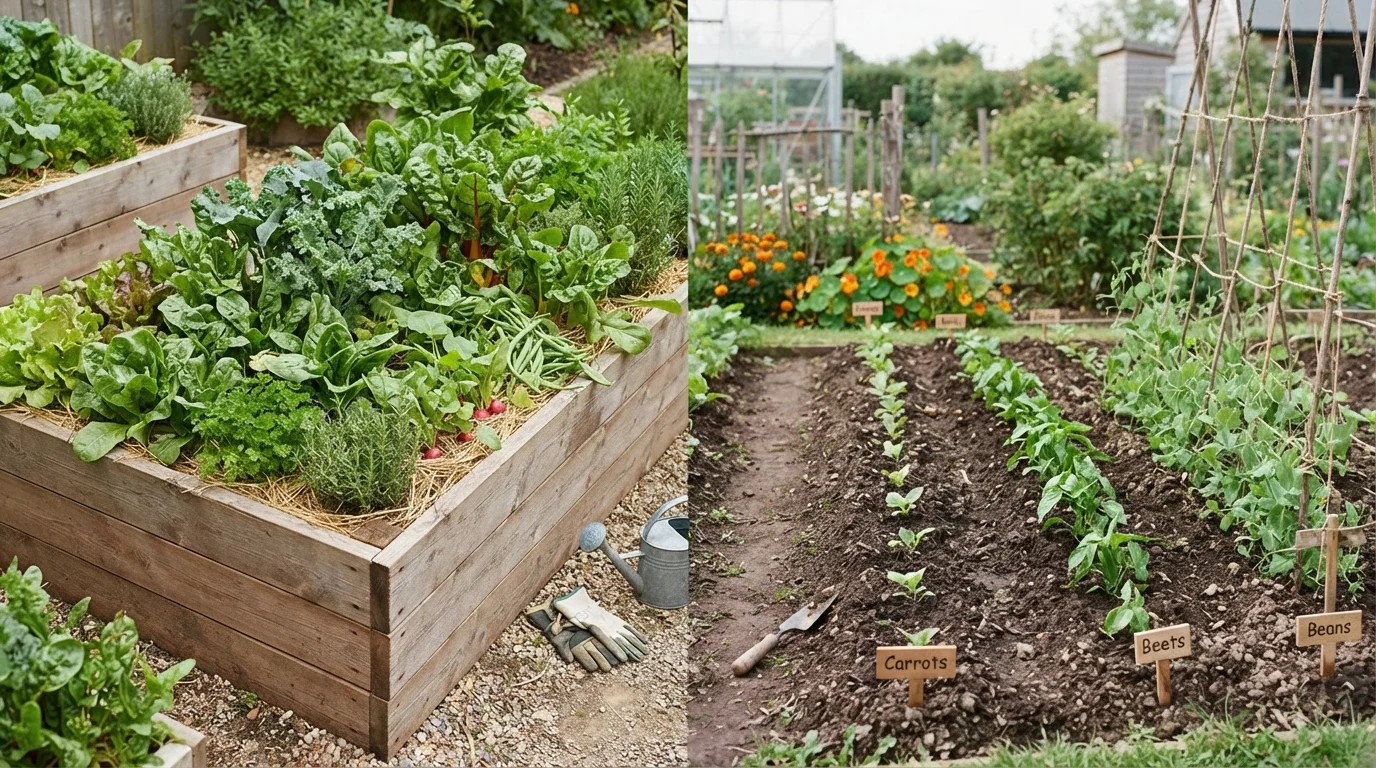
The good news: beginners don't need a chemistry degree or an arsenal of sprays. A combination of smart planting choices, physical barriers, and a little patience goes a long way. Whether you're gardening in raised beds or in-ground plots, these strategies apply equally well.
Natural Doesn't Always Mean Harmless
Some naturally derived substances - including neem oil and copper-based sprays - can still harm beneficial insects or accumulate in soil when overused. Always follow label directions even on natural products, and use them as a last resort rather than a first response. Targeted, minimal application is key.
Best Practices for Natural Pest Management
The practices below address the most common pest scenarios home vegetable gardeners face. Each one is approachable for beginners and can be layered together for stronger results.
Use physical barriers to block pests from reaching plants
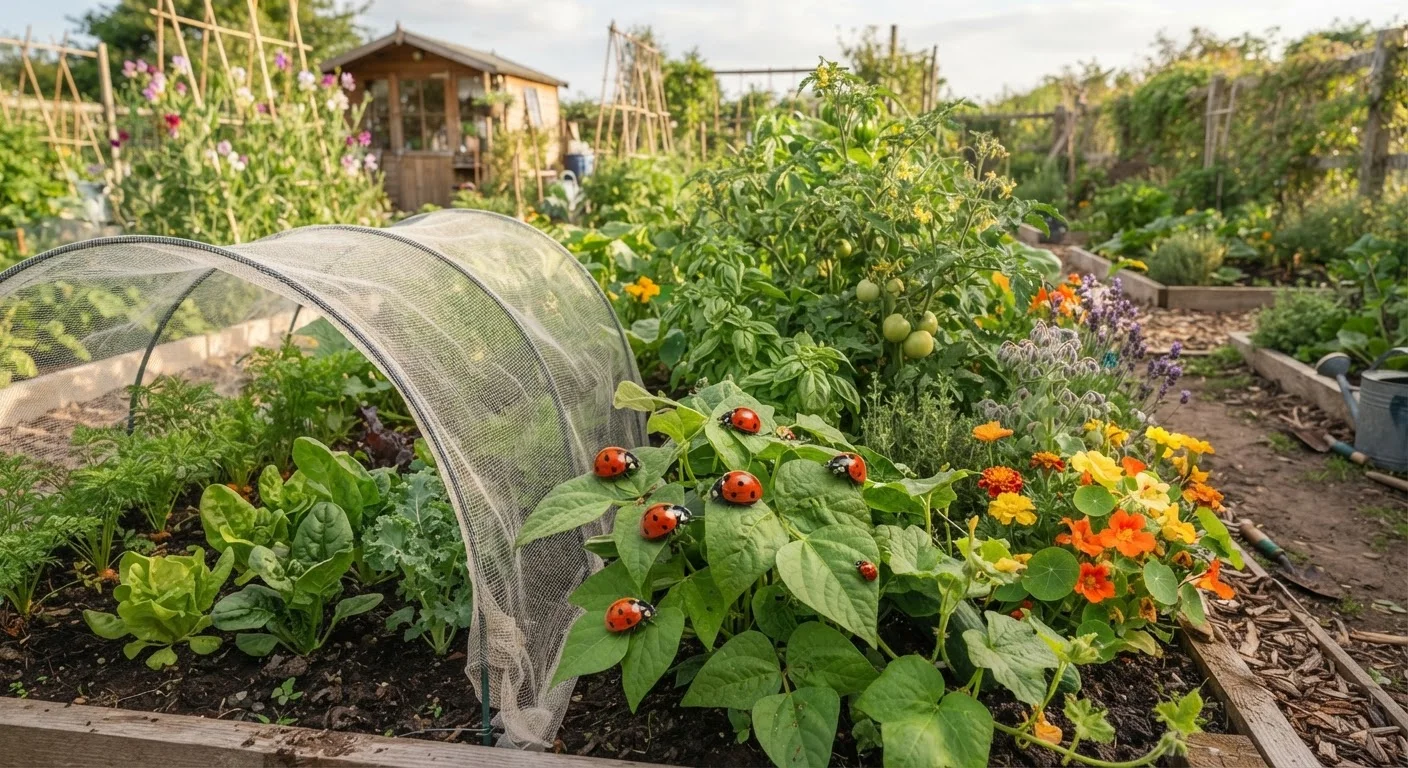
Barriers prevent access without any chemicals, stopping damage before it starts. Row covers, fine mesh netting, and copper tape address different pest types and require no repeated application. They're especially effective against flying insects, slugs, and caterpillars.
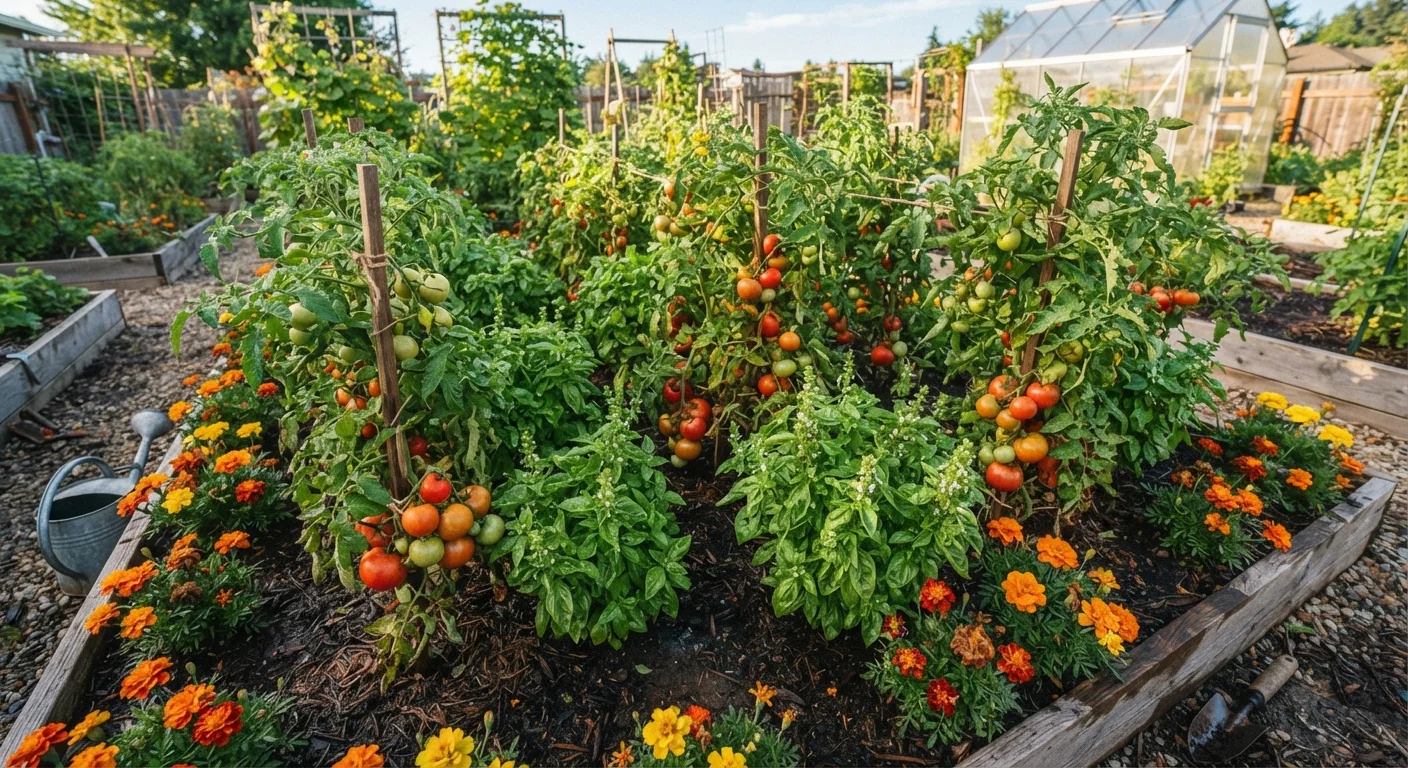
Encourage beneficial insects by planting nectar-rich flowers nearby
Ladybugs, lacewings, parasitic wasps, and hoverflies all prey on or parasitize common garden pests like aphids and whiteflies. Attracting these allies means your garden has natural predators on patrol year-round.
Inspect plants regularly and remove pests by hand
Early detection is the most underrated pest-control tool available. Catching a small aphid cluster or a few hornworm caterpillars before populations explode makes manual removal genuinely effective. Waiting until damage is widespread makes any approach harder.
Apply targeted, low-impact treatments only when necessary
Even natural treatments like insecticidal soap or neem oil can harm beneficial insects if overused or applied carelessly. Reserving them for confirmed infestations - and applying in the early morning or evening when pollinators are less active - minimizes unintended harm.
Practice crop rotation each growing season
Many soil-dwelling pests and diseases are host-specific - they thrive where the same plant family grows in the same spot year after year. Rotating crop families disrupts this cycle and reduces buildup in the soil.
Quick Wins You Can Try This Week
You don't have to overhaul your entire garden to see improvement. A few focused actions can make a meaningful difference almost immediately.
For longer-term gains, pairing these strategies with companion planting can create a self-reinforcing system where plants help protect each other naturally.
Building a Pest-Resilient Garden Over Time
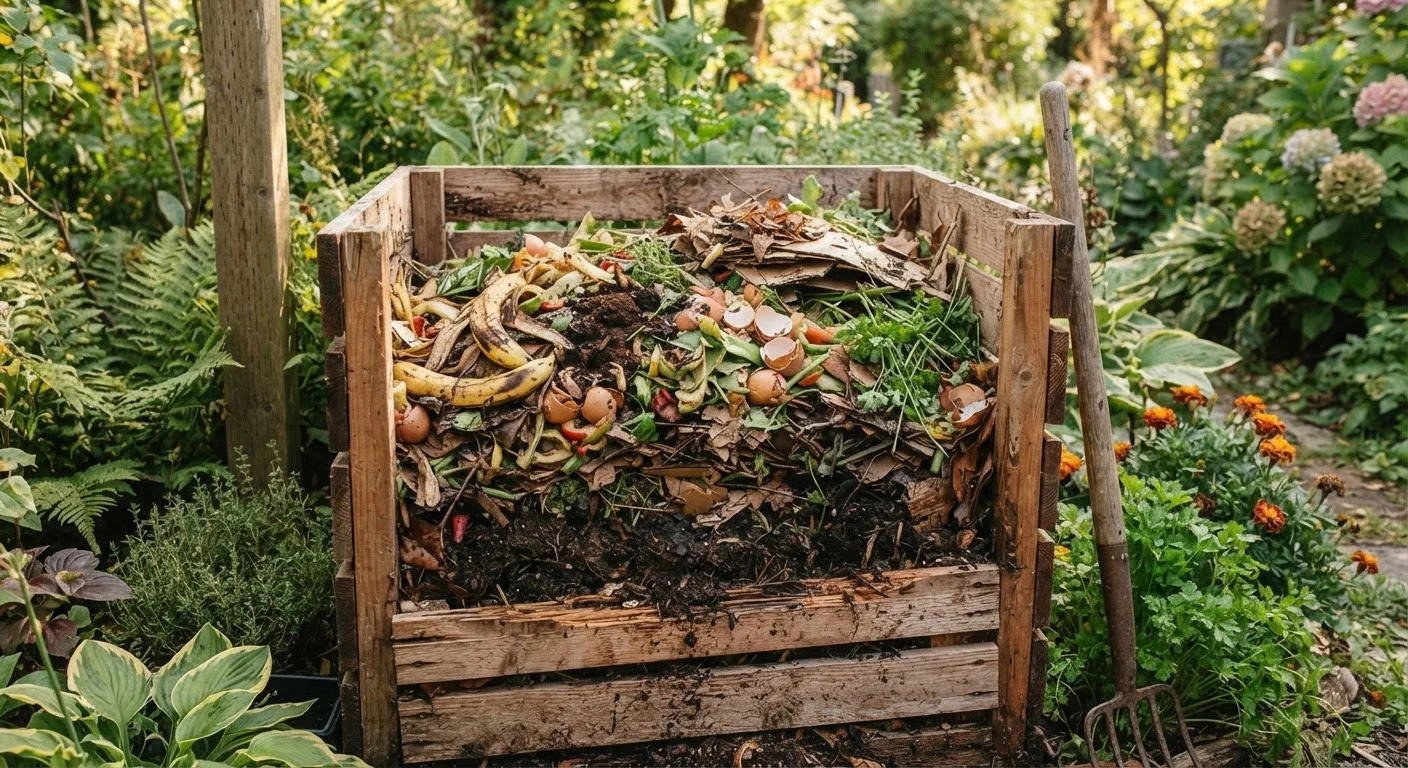
Sustainable pest control is less about reacting to problems and more about creating conditions where problems are less likely to arise. Healthy, nutrient-rich soil produces stronger plants that resist pest damage more effectively. Composting kitchen scraps is one of the most cost-effective ways to build that soil quality over time.
“The health of soil, plant, animal, and man is one and indivisible.”
— Lady Eve Balfour, Pioneer of the organic farming movement and co-founder of the Soil Association
Rotating your crops each season - moving tomatoes, squash, and brassicas to different spots - also breaks pest life cycles. Many insects overwinter in the soil near the plants they fed on, so moving their host plant disrupts their return the following spring.
Even in small-space gardens on balconies or patios, you can apply these principles using container rotation and strategic plant placement. Natural pest control isn't just for large plots - any food-growing space benefits from an ecosystem-first mindset.
~75%
Of flowering plants depend on insect pollination
According to the U.S. Department of Agriculture, roughly three-quarters of the world's flowering plants rely on pollinators - making pollinator-safe pest control a meaningful priority.
200+
Aphids consumed daily by a single ladybug
Entomological research commonly cites adult ladybugs consuming upward of 200 aphids per day, illustrating the pest-control value of supporting beneficial insect populations.