What Annuals and Perennials Actually Mean
When you walk into a garden center, plants are often labeled simply as 'annual' or 'perennial,' but the labels rarely come with an explanation. Understanding what they mean changes the way you shop, plan, and invest in your outdoor space.
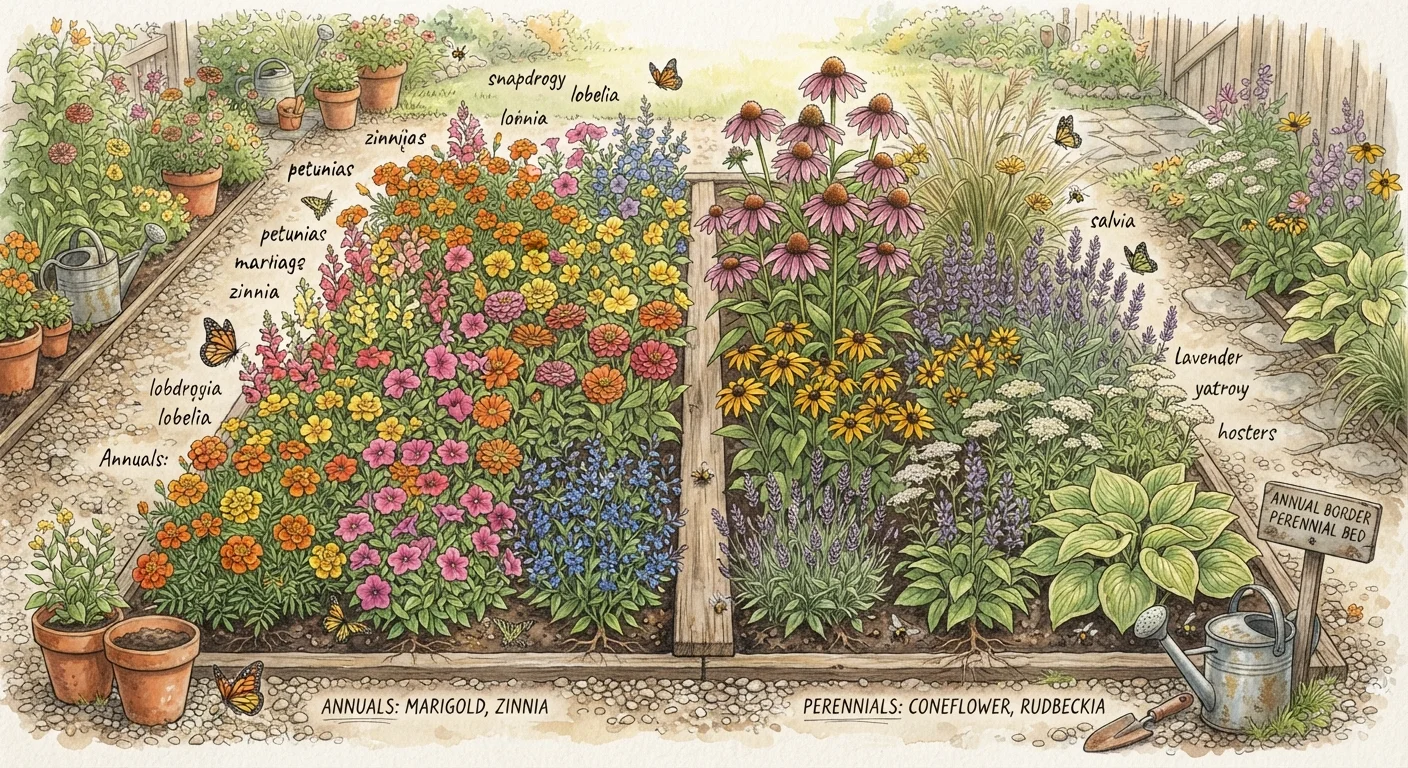
An annual lives fast and dies at the end of its growing season. It puts all of its energy into producing flowers and seeds, which is why annuals tend to bloom prolifically. Once frost arrives, the plant is finished. Common annuals include petunias, impatiens, marigolds, and zinnias.
A perennial plays a longer game. Above-ground foliage may die back in autumn, but the root system survives underground through winter and sends up new growth each spring. Common perennials include hostas, black-eyed Susans, daylilies, and coneflowers.
Before you plant anything, it helps to understand your soil and site conditions. Our guide on soil, sun, and water basics walks you through those foundations step by step.
2-3 years
Time for most perennials to fully establish
Most horticultural extension programs note that perennials reach their mature size and peak bloom in their second or third growing season.
13 zones
USDA Plant Hardiness Zone divisions across the US
The USDA Plant Hardiness Zone Map divides North America into zones based on average annual minimum winter temperatures, helping gardeners select appropriate perennials.
How Each Type Affects Your Garden Planning
The annual-perennial distinction is fundamentally a question of time. Annuals give you immediate, season-long impact - they bloom from planting until frost and fill containers or beds with color. But you are responsible for replanting them each year.
Perennials ask for more patience. Many take two to three seasons to fully establish and reach their mature size and blooming potential. The payoff is a plant that largely takes care of itself once rooted, spreading gradually and returning reliably.
From a planning standpoint, think of perennials as the structure of your garden - the reliable anchors that define the shape of a bed. Think of annuals as the seasonal decoration that fills in color, covers bare spots during early spring before perennials emerge, and lets you experiment with new varieties each year.
Start Small, Then Expand
If you are new to gardening, resist the urge to fill every inch of a bed in year one. Plant a few reliable perennials for structure and fill remaining space with a handful of annual varieties. This keeps the commitment manageable while you learn what thrives in your specific conditions.
For those also thinking through the cost side of garden planning, the relationship between upfront and ongoing expenses works a lot like fixed versus variable costs in a budget - perennials are the fixed investment, annuals the recurring variable spend.
Practical Considerations: Cost, Effort, and Hardiness
Most annuals are inexpensive per plant or packet and produce results quickly. That affordability is appealing, but the cost recurs every season. Perennials tend to cost more upfront, yet a single clump of daylilies can be divided every few years to multiply plants for free across your garden.
Effort also differs. Annuals need seasonal replanting, more frequent fertilizing to sustain heavy blooming, and cleanup at the end of the season. Perennials mainly need cutting back in fall or early spring, occasional dividing, and little else once established.
One important factor for perennials is cold hardiness. The USDA Plant Hardiness Zone Map rates plants by the coldest winter temperatures they can survive. A perennial rated for your zone or colder will return reliably; one rated for a warmer zone will die over winter and behave like an annual in your climate. Always check the zone rating on the tag before buying.
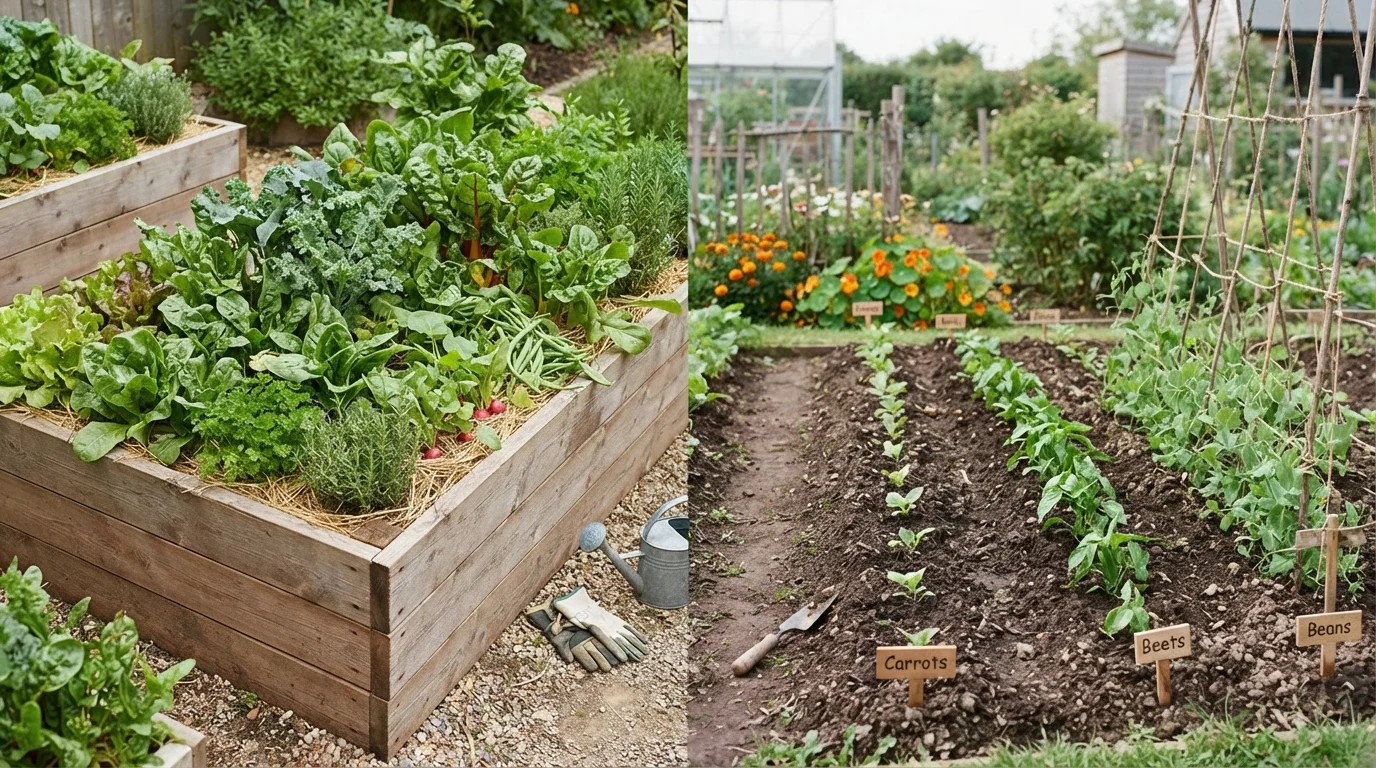
Your planting setup also matters. Whether you are growing in raised beds or directly in the ground can influence how perennials establish. See our raised beds vs. in-ground planting guide for a side-by-side comparison.
Building a Garden That Uses Both Wisely
Most thriving home gardens use annuals and perennials together. A practical approach for beginners: establish a foundation of three to five hardy perennials suited to your zone, then fill gaps with annuals during your first season while the perennials settle in.
As perennials grow and spread over subsequent years, you may find you need fewer annuals to fill space - and your garden starts to look more like a cohesive, self-sustaining system rather than a collection of plants.
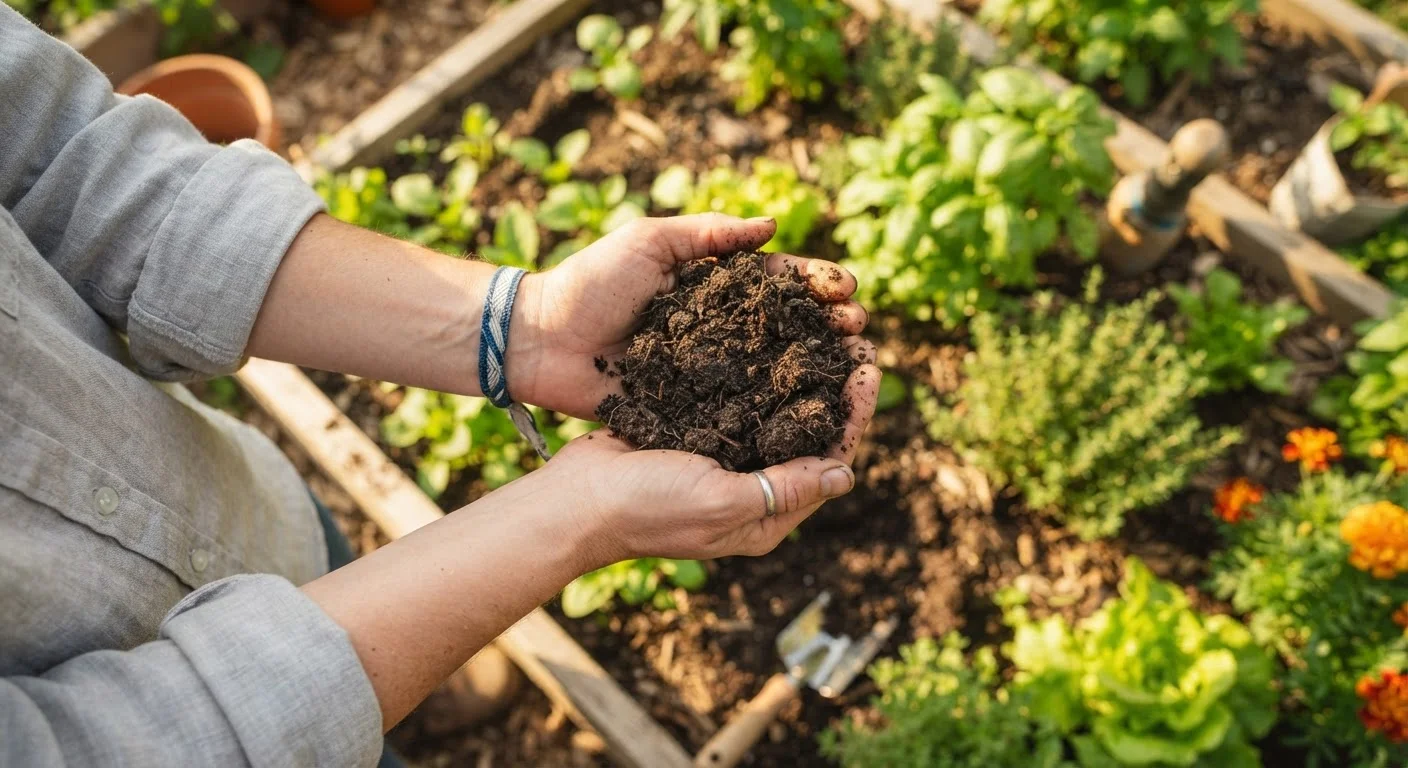
Timing matters too. To stay on track across seasons, our seasonal garden calendar for beginners shows you when to plant, prune, and prepare for each type. And when you're ready to think about growing medium, our guide to garden soil, potting mix, and compost explains what each one does and which suits annuals versus perennials.
Biennials: The Third Category Worth Knowing
Some plants fall between annuals and perennials - biennials complete their life cycle over two years, typically producing only foliage in year one and flowering in year two before dying. Foxglove and hollyhock are common examples. They are less common at garden centers but worth recognizing so their two-season behavior doesn't catch you off guard.