Why Small Spaces Are More Productive Than You Think
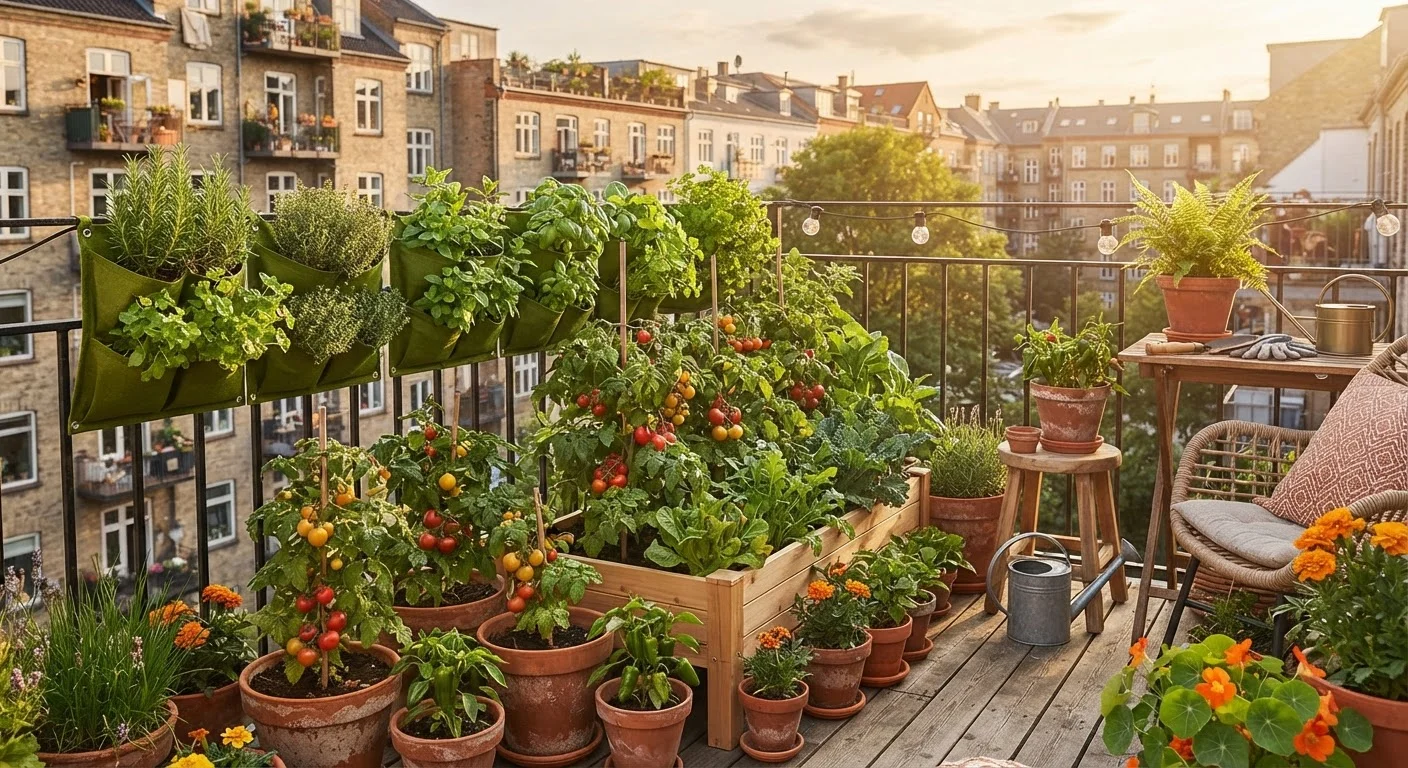
Many first-time gardeners assume that meaningful food production requires a large backyard plot. In practice, a well-managed 10-square-foot balcony can yield a steady supply of salad greens, herbs, peppers, and even cherry tomatoes throughout the growing season. The key difference is intensity: small-space gardening focuses every square inch on productive plants and removes wasted gaps.
Because you're working with a contained area, you can also monitor soil conditions, moisture, and pest pressure far more carefully than a sprawling garden allows. This attentiveness is actually an advantage for beginners - problems are easier to catch early when your entire garden fits within arm's reach.
18 sq ft
Minimum space needed for a productive balcony garden
Horticultural educators commonly cite 15-20 square feet as sufficient for a consistent supply of salad greens and herbs.
3x
Yield increase from vertical growing vs. flat containers
Extension gardening programs note that vertical systems can roughly triple the productive plant count in the same floor footprint.
2-3x
How much faster containers dry out vs. ground soil
Container experts consistently note that pots in full sun can require daily watering in summer, unlike in-ground beds.
If you're also thinking about how to apply space-efficient thinking to other areas of your home, the principles in small-space organization translate surprisingly well to the garden.
Choosing the Right Containers and Structures
Container choice is one of the most consequential decisions in a small-space garden. The two factors that matter most are depth and drainage.
- Shallow-rooted crops (lettuce, radishes, herbs): 6-8 inches deep
- Medium-rooted crops (bush beans, peppers, compact tomatoes): 10-12 inches deep
- Deep-rooted crops (carrots, full-size tomatoes, eggplant): 14-18 inches or more
Material matters too. Fabric grow bags offer excellent aeration and prevent root circling, which can stunt plant growth. Terra cotta is breathable but dries out quickly in summer heat. Plastic and resin retain moisture longer and are lighter - an important consideration on a balcony with weight limits.
Check Balcony Weight Limits Before You Plant
Before filling your balcony with large containers, verify the floor load capacity with your building management or a structural professional. Wet soil is significantly heavier than dry - a single 15-gallon planter filled with saturated potting mix can weigh 60 pounds or more. Lightweight alternatives like fabric grow bags and foam-based potting mixes help reduce total weight without sacrificing growing depth.
Always confirm your balcony's weight capacity before loading it with heavy pots and wet soil. A single large ceramic planter filled with saturated soil can weigh over 50 pounds. When in doubt, consult your building management or a structural engineer.
For comparing dedicated garden setups, see our guide on raised beds vs. in-ground planting.
The Best Vegetables for Tight Spaces
Not all vegetables are equally suited to container or small-space growing. Look for terms like dwarf, bush, compact, or patio on seed packets - these indicate varieties bred to produce well in limited room.
- Reliable small-space performers
- Lettuce and salad mix, spinach, kale, radishes, green onions, bush beans, compact peppers, cherry tomatoes, herbs (basil, parsley, chives, mint), and strawberries.
- Crops that need more room but can work in deep containers
- Cucumbers (with vertical support), zucchini (one plant per large container), and eggplant.
- Crops to skip in very tight spaces
- Corn, pumpkins, sprawling winter squash, and full-size indeterminate tomatoes without significant vertical support.
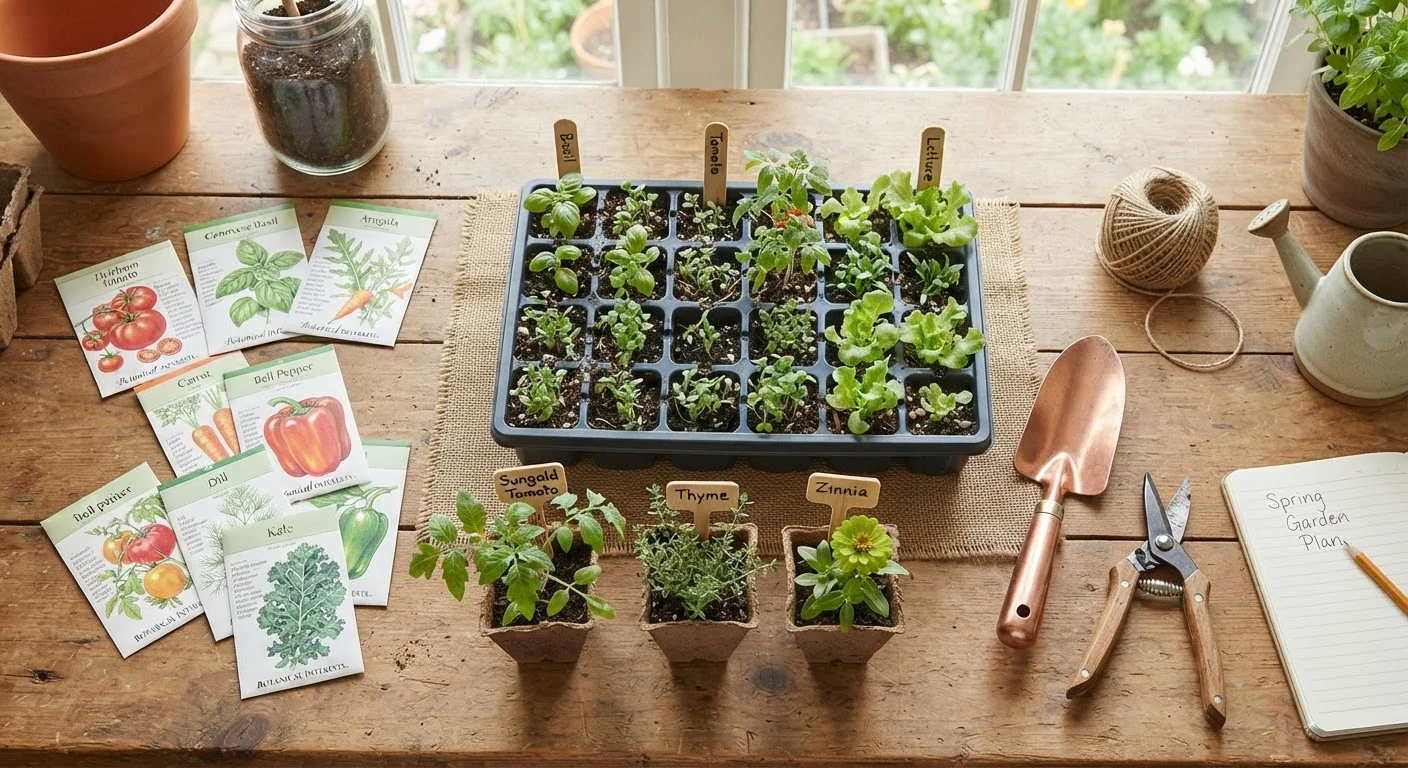
Choosing what to plant is also tied to whether you start from seed or buy seedlings. Our seed vs. transplant guide walks through both options so you can decide what fits your timeline.
Soil, Watering, and Feeding in Containers
Garden soil from the ground is too dense for containers - it compacts, drains poorly, and can introduce pests and diseases. Use a high-quality potting mix (sometimes labeled container mix) formulated to stay loose and drain well while still retaining adequate moisture.
Watering is where most container gardeners make mistakes. Containers dry out faster than in-ground beds, especially on a sun-exposed balcony on a hot day. A reliable approach: push your finger about an inch into the soil - if it feels dry at that depth, water thoroughly until it drains from the bottom holes. Shallow watering encourages shallow roots and stressed plants.
Add a thin layer of mulch or wood chips on top of your container soil to slow moisture evaporation - this one step can cut your watering frequency nearly in half during hot weather.
Exposed potting mix in direct sun loses moisture rapidly; even a half-inch of organic mulch creates a meaningful buffer and reduces plant stress.
Self-watering containers with a built-in reservoir are worth the extra investment for balcony tomatoes and peppers - they buffer against the inconsistent watering that causes blossom drop.
Inconsistent moisture is a leading cause of poor fruiting in container tomatoes and peppers; reservoir containers maintain a steadier root-zone moisture level.
Feeding matters because frequent watering flushes nutrients from the container over time. A balanced, slow-release granular fertilizer worked into the potting mix at planting covers the first several weeks; follow up with a liquid fertilizer every two to three weeks once plants are actively growing.
If you want to reduce your reliance on purchased fertilizers, consider making your own compost. Our composting at home guide explains a simple setup that works even in small spaces.
Going Vertical: Maximizing Upward Space
Vertical growing is the single most powerful tool available to small-space gardeners. Instead of spreading outward, you train plants or install structures that move production upward - turning a railing, fence, or wall into productive real estate.
- Trellises and cages: Essential for indeterminate tomatoes, cucumbers, and pole beans. A simple bamboo trellis or wire cage attached to a container keeps vines off the ground and improves air circulation.
- Railing planters: Planter boxes that hook over balcony railings grow herbs and trailing crops in otherwise unused space.
- Pocket planters: Fabric or felt pocket panels hung on a wall or fence can grow strawberries, herbs, and shallow-rooted greens.
- Stacked tiered planters: Tower-style planters grow multiple crops in the footprint of a single pot.
“The best vegetable garden is the one you can actually manage. Start small, build confidence, and expand only when your current space is thriving - not before.”
— Eliot Coleman, Author and market gardener specializing in small-scale vegetable production
When placing vertical structures, position taller plants on the north or west side of your arrangement so they don't shade shorter plants from the sun.
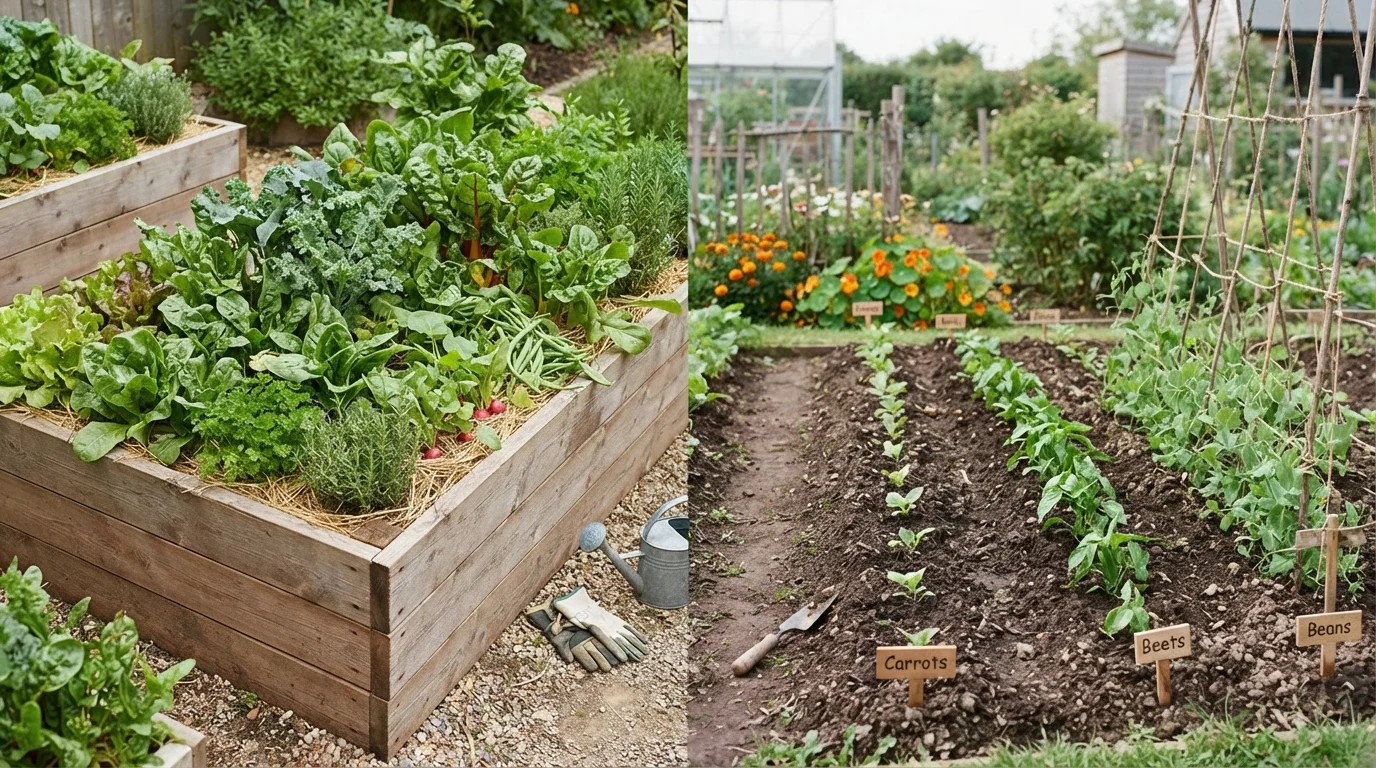
Narrow Beds and Patio Plots: Layouts That Work
If you have a narrow strip of ground along a fence, driveway edge, or patio border - even just 18 to 24 inches wide - you have enough room for a productive planting bed. Narrow beds are naturally easy to tend because you can reach the center from either side without stepping in and compacting the soil.
A useful planning approach is the square-foot gardening method: divide your bed into one-foot squares and assign each square a crop based on its spacing needs. One tomato plant per square, four lettuce plants per square, sixteen radishes per square - this structured approach eliminates guesswork and reduces crowding.
Companion planting also becomes especially useful in tight layouts. Pairing plants that support each other's growth means you're getting more from every inch. Our guide on companion planting covers the pairings that reliably work together.
Don't Ignore Plant Spacing in Small Beds
It's tempting to squeeze extra plants into a narrow bed, but overcrowding is one of the most common causes of poor harvests in small gardens. Plants compete for nutrients, light, and airflow - and dense plantings create humid microclimates that invite fungal disease. Follow seed packet spacing guidelines as a minimum, and thin seedlings decisively rather than letting them struggle.
Keeping Your Small Garden Healthy
A compact garden is easier to monitor, which gives you a real advantage in catching pest and disease problems early. Make it a habit to inspect plants two to three times per week - check the undersides of leaves, look for discoloration, and notice any wilting that isn't explained by dry soil.
Good air circulation is essential in dense plantings. Avoid overcrowding by respecting spacing guidelines; plants grown too close together are more vulnerable to fungal diseases like powdery mildew. When in doubt, thin seedlings rather than letting them compete.
For managing any pest problems that do arise, explore natural pest control approaches that avoid harsh chemicals - especially important when your garden is on a balcony or patio near living areas.
A small-space garden rewards consistent attention over dramatic interventions. Ten minutes of observation and basic care every few days will do more for your harvest than any single product or technique.
This article provides general gardening guidance for educational purposes. Results will vary based on climate, local conditions, and individual plant care. Always verify structural weight limits with a qualified professional before placing heavy containers on elevated surfaces.