Why Labels Fail (And What to Do Differently)
Most households have tried labelling at some point - and many have quietly abandoned it. Bins get relabelled in marker, jars lose their stickers, and the system quietly collapses. The problem usually isn't effort; it's that the system was designed for appearance rather than everyday behavior.
A label that only the person who made it understands, or one that requires a step nobody actually takes (removing a lid to check the inside), will fail in daily use. Before choosing any labelling method, it helps to ask: Who needs to read this label, and when? A household with young children needs different cues than a single adult. A busy pantry needs faster visual recognition than a deep-storage closet.
If you're just beginning to get your home organized, start with the foundations first - labelling works best once you've sorted what's worth keeping.
Labelling Is a Maintenance Tool, Not a One-Time Fix
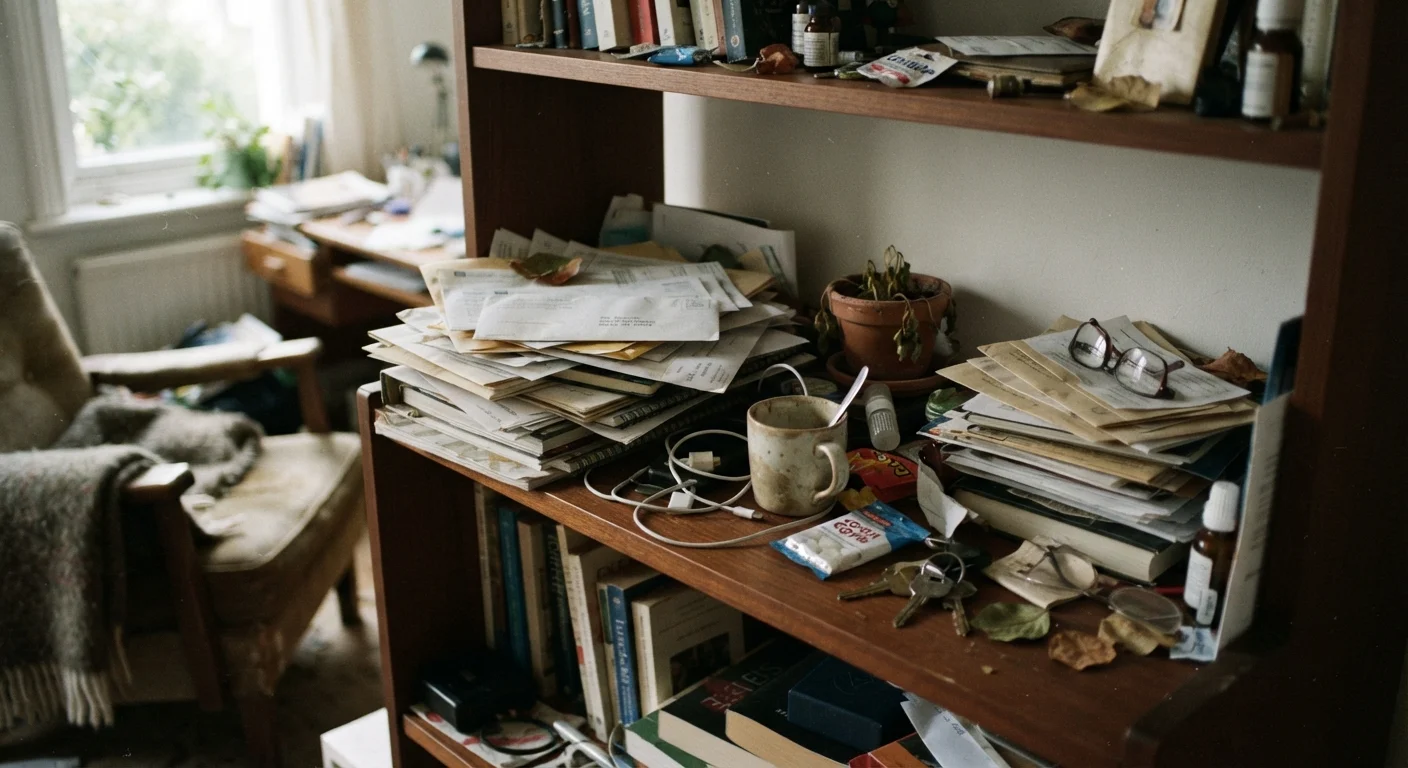
Labels mark where things go - but they only work if the underlying sorting system is sound. If a space hasn't been organized first, labels can create a false sense of order while clutter continues to build. Think of labelling as the final step in the organizing process, not the starting point.
Best Practices for Building a Labelling System
The practices below apply across room types and household sizes. Adapt them to fit your space, but resist skipping steps - each one solves a real, recurring problem.
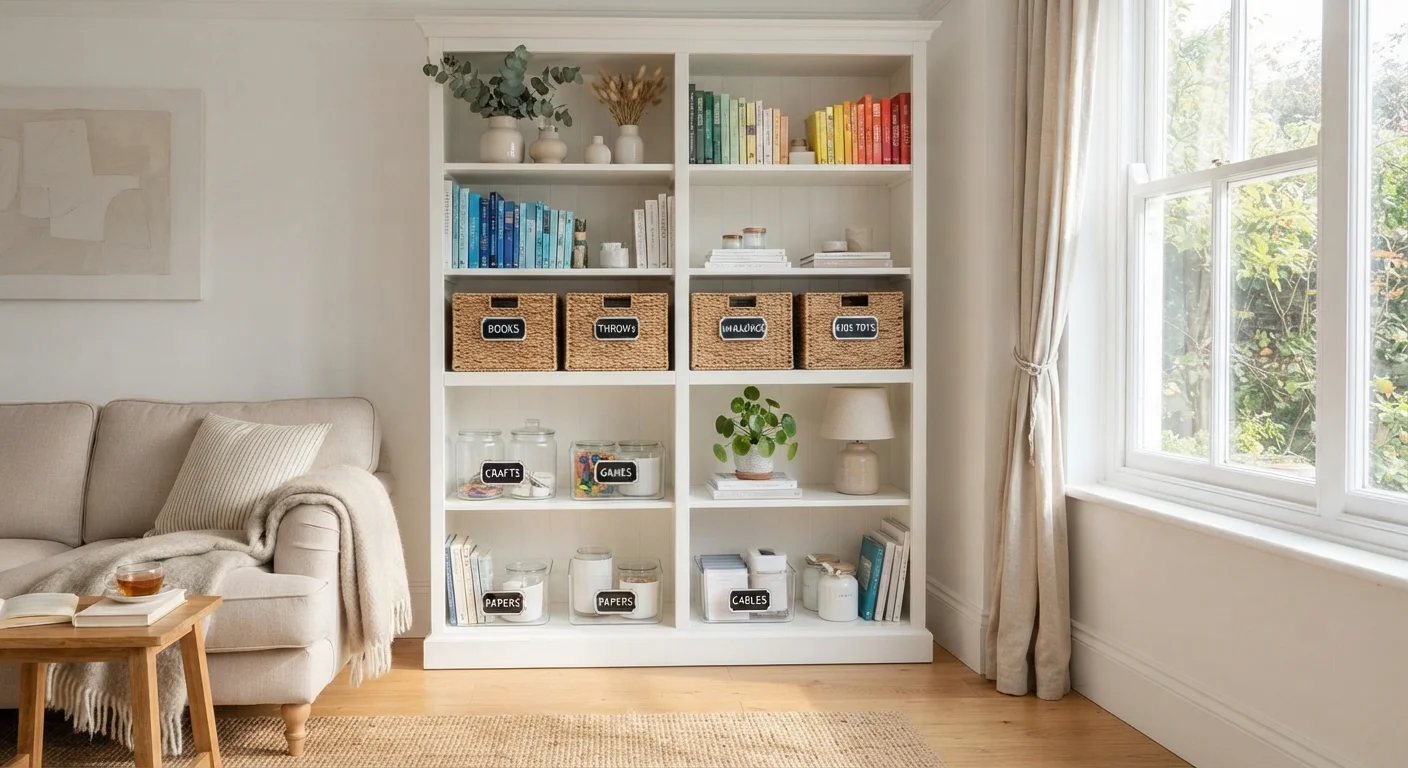
Label categories, not just individual items
When you label a bin "Batteries" instead of listing every battery type inside, the label stays accurate even as contents change. Category labels reduce the need to re-label constantly and teach household members a logic they can apply independently.
Declutter before you label anything
Labelling a space full of items you don't intend to keep locks in clutter rather than reducing it. Sorting first - even briefly - means your labels reflect how you actually use your home. Comparing decluttering methods can help you pick the right approach before labelling begins.
Place labels where eyes naturally land during use
A label on the front face of a bin at eye level gets read. One on the lid of a container that's stacked under three others does not. Label placement should match how and where items are accessed in real life, not just how they look in a photo.
Use a consistent visual format across your home
When labels share the same font size, colour scheme, or style across rooms, the household brain learns to recognise "label" as a visual category. Inconsistency creates visual noise and slows down the quick-scan that makes organized spaces feel effortless.
Schedule a brief label audit every few months
Life changes - items move, habits shift, people grow. Labels that no longer reflect reality become background noise and get ignored. A short 15-minute check twice a year keeps the system accurate and prevents the slow drift back to disorganization.
Quick Wins You Can Implement Today
You don't need to label your entire home in one weekend. Starting small builds the habit and lets you test what works before committing to a full system. These actions take less than an hour and deliver immediate clarity.
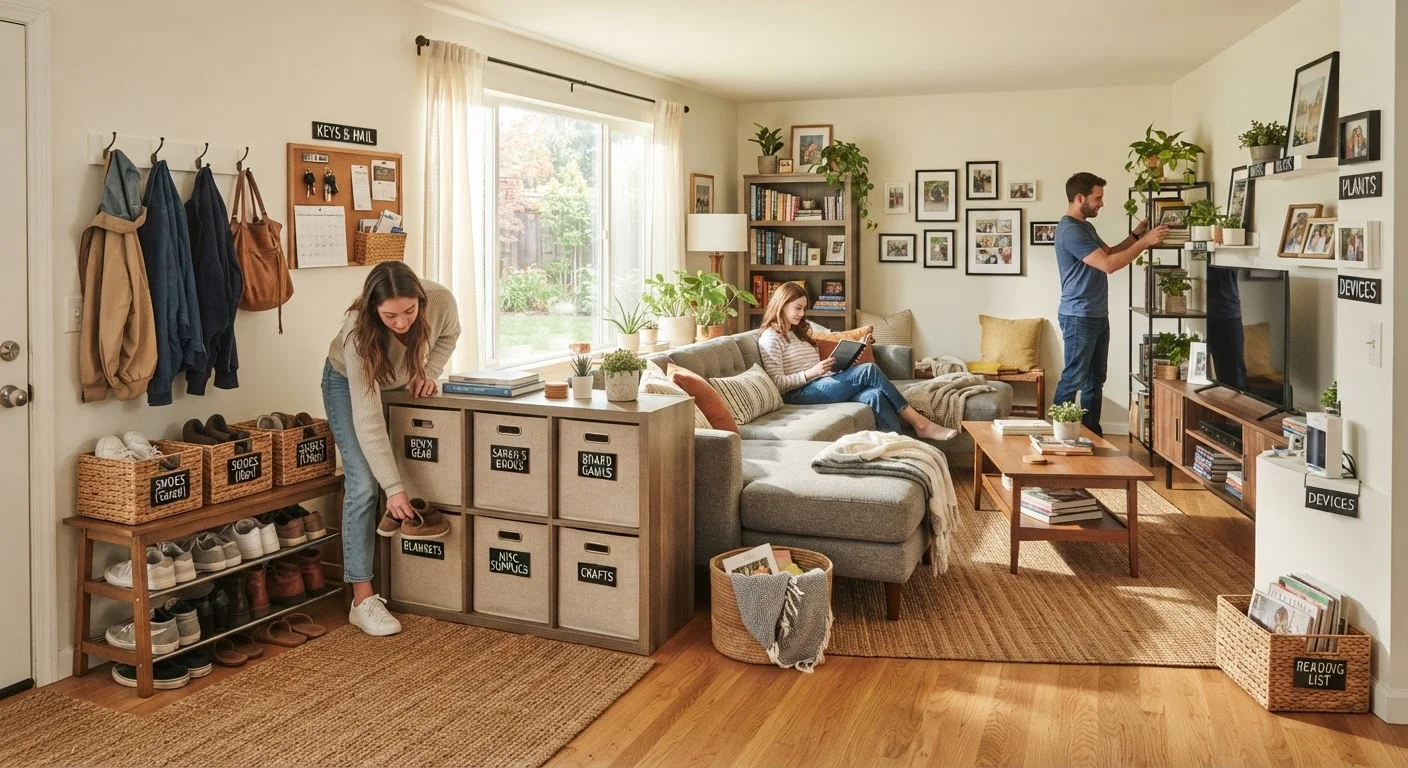
For homes with multiple people under one roof, building a system everyone agrees on is the real challenge - and one worth solving early.
Tailoring Labels to Different Household Contexts
No single label style suits every space. Consider these common contexts:
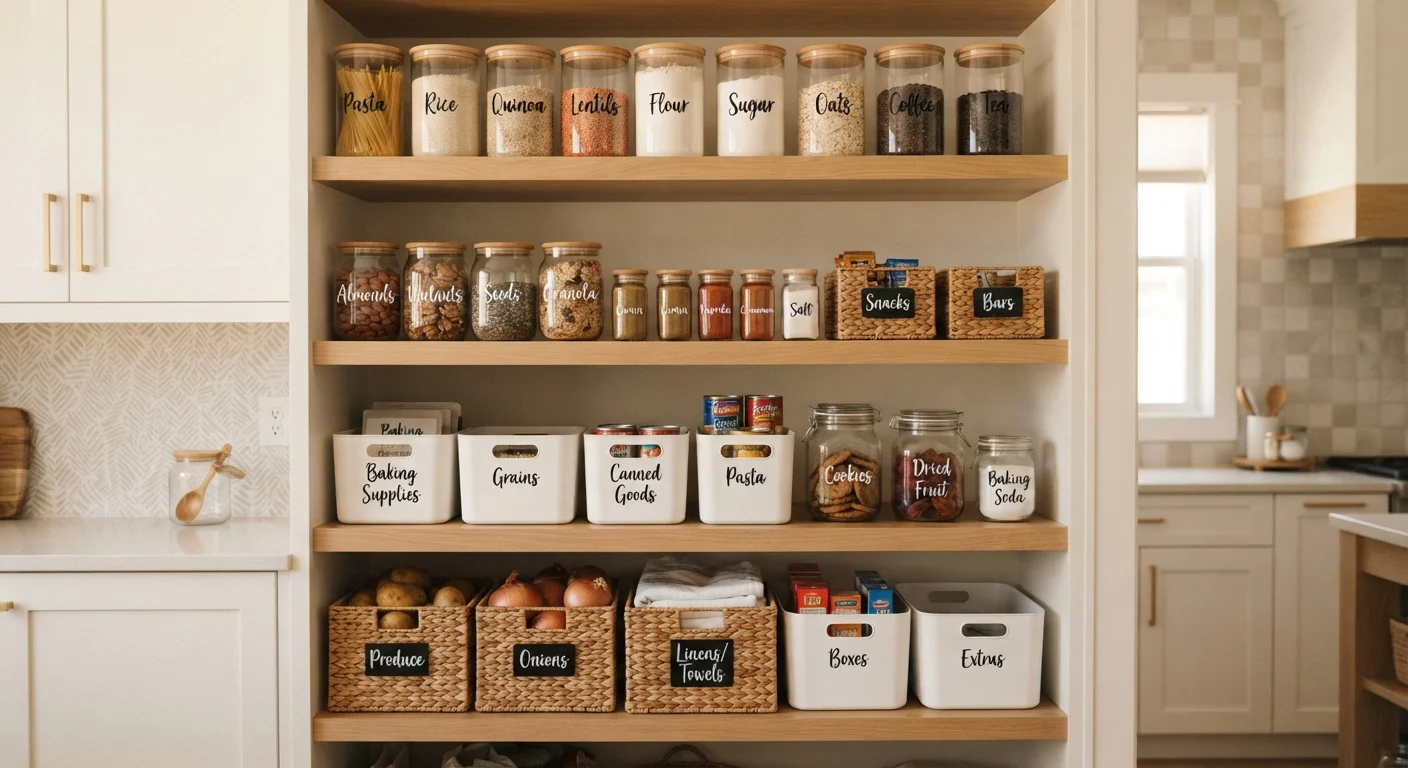
- Pantry and kitchen: Use large, easy-to-read text on containers at eye level. Categories ("Snacks," "Baking," "Grains") reduce the search time more than exhaustive item names do.
- Kids' rooms and playrooms: Combine simple words with small picture icons. Children who can't yet read respond to visual cues, and this also helps adults return items quickly.
- Garages and utility areas: Heavy-duty labels that withstand temperature swings and moisture matter here. Clear, broad categories like "Seasonal Tools" or "Car Supplies" are more durable than over-specific labels.
- Shared linen or bathroom closets: Per-person sections labelled with names prevent the "whose is this?" friction that quietly grows in shared households.
Well-organized spaces can still unravel over time - understanding why systems decay helps you build in the small habits that prevent it.
Test Before You Commit
Before printing or buying custom labels, write your category names on masking tape and live with them for one to two weeks. This low-stakes trial reveals which categories get used, which need renaming, and which spaces don't actually need a label at all. It saves time, money, and the frustration of peeling off labels that no longer make sense.
One common myth is that a beautiful, matching label set is what makes organization stick. In practice, consistency in placement and category logic matters far more than aesthetics. Separating organizing fact from fiction can save you significant time and money.