
Why Bad Purchases Happen to Smart People
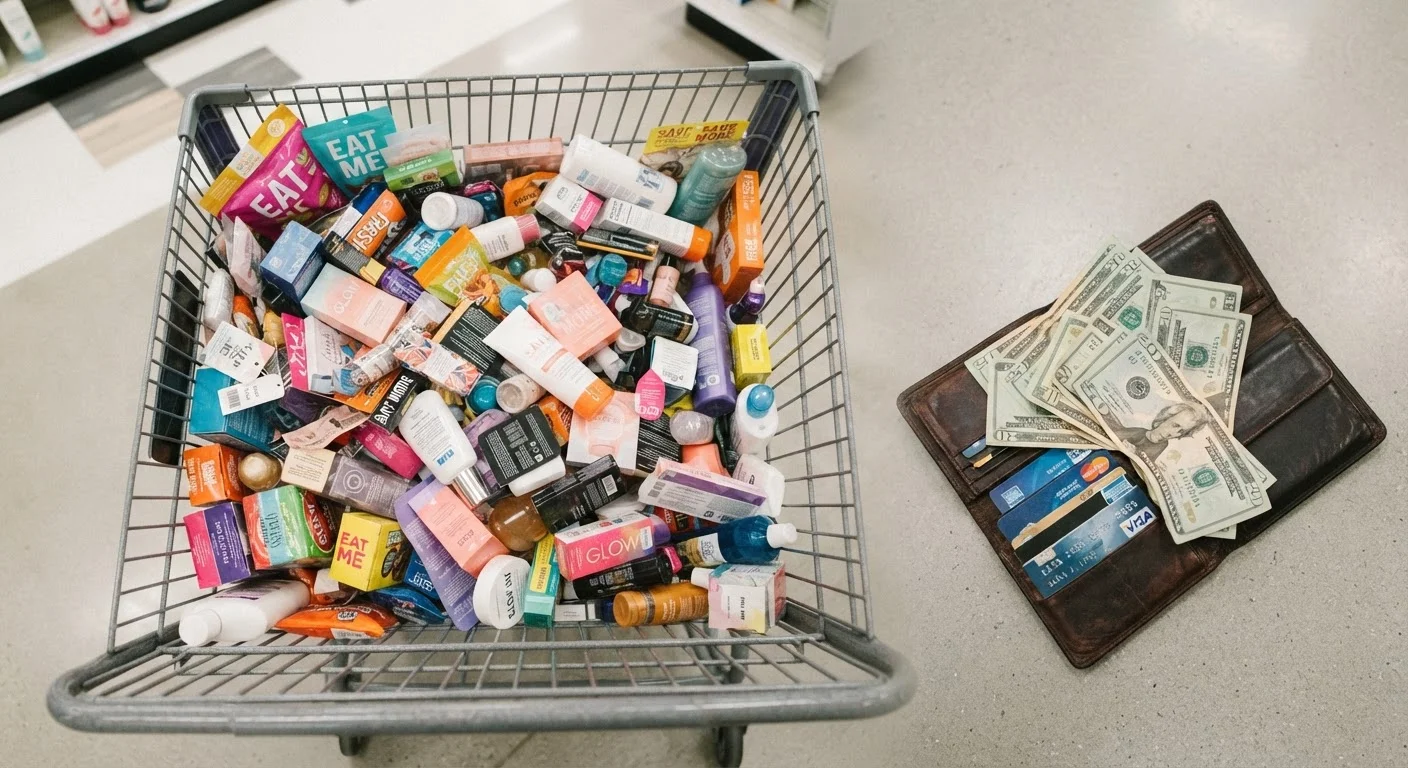
A bad purchase rarely happens because someone is careless. More often, it's the result of incomplete information, time pressure, or a momentary emotional override of better judgment. Understanding why it happens is the first step toward stopping it.
Retailers - physical and digital - are designed to move products quickly. Countdown timers, scarcity language, and prominent price comparisons are all engineered to compress your decision window. The result is that even experienced shoppers can end up with something that doesn't fit, doesn't work, or simply wasn't worth the money.
Understanding the cognitive biases behind overspending is genuinely useful here - recognizing that you're being nudged allows you to pause and recalibrate before committing.
Urgency Language Is a Design Choice, Not a Fact
Phrases like 'Only 2 left' or 'Sale ends tonight' are frequently generated dynamically and may not reflect real inventory or deadline constraints. Treat them as prompts to slow down, not speed up. If the deal genuinely expires, it usually returns - and if it doesn't, a comparable option almost always exists.
Pre-Purchase Research: What Actually Matters
Not all research is equal. Spending an hour on a manufacturer's website tells you what the seller wants you to know. Effective research goes further.
- Independent reviews: Look for structured reviews from sources with editorial independence. Pay attention to reviews that mention long-term use - a product's flaws often surface after the first month.
- Return and complaint patterns: Consumer complaint databases (such as those maintained by the Better Business Bureau or the Consumer Financial Protection Bureau for financial products) can reveal systemic issues no marketing copy will mention.
- Specification matching: List exactly what you need the product to do before you search. Then verify each requirement against the actual spec sheet - not just the headline features.
- Price context: A low price isn't automatically a good deal. Check whether the price reflects a stripped-down version, discontinued stock, or a model being replaced.
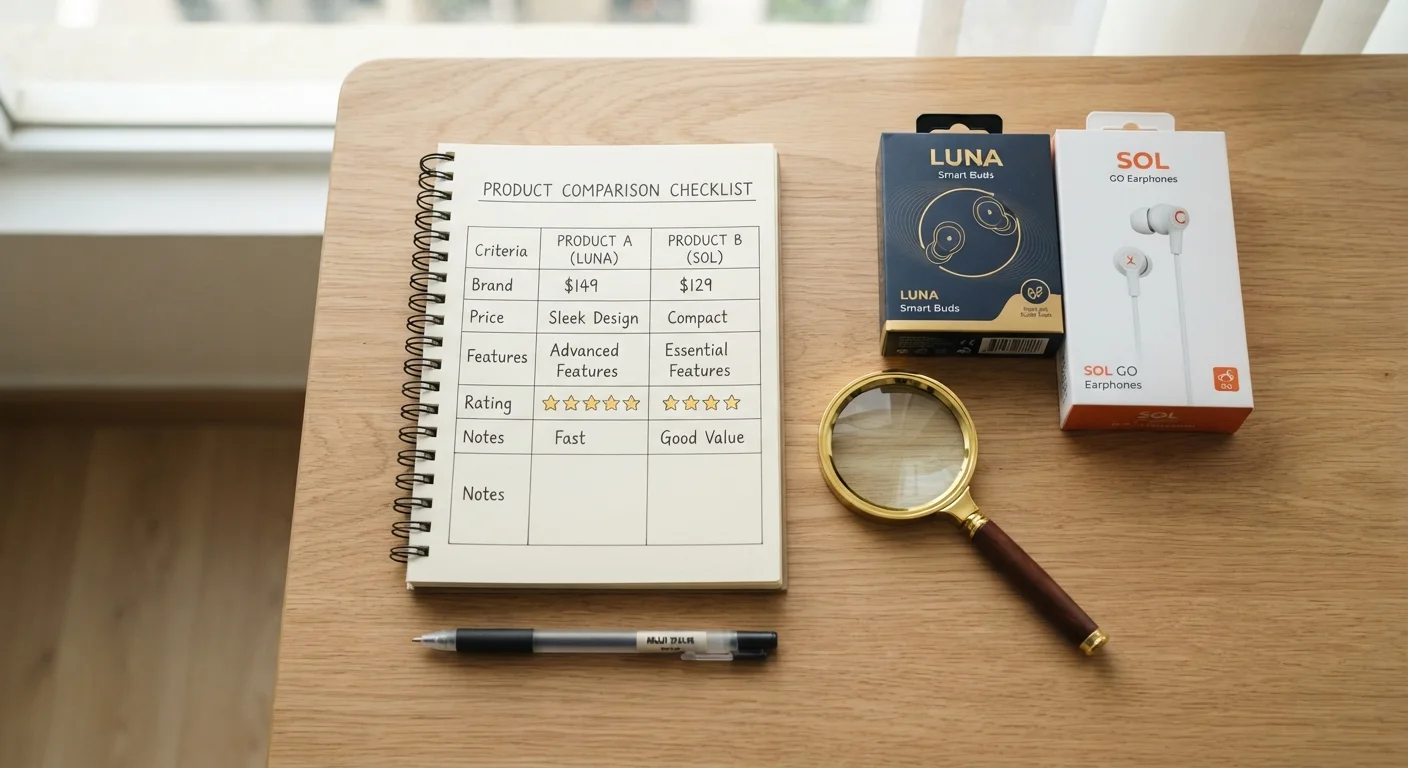
Use a structured comparison process before committing to anything significant. Our decision-ready checklist for comparing options covers cost, quality, support, and fit in a format you can work through quickly.
~33%
Consumers who regret a recent purchase
Consumer surveys consistently find roughly one in three shoppers reports buyer's remorse on at least one purchase within the past year.
60 days
Credit card chargeback filing window (typical)
The Fair Credit Billing Act generally gives consumers 60 days from the statement date to dispute a charge with their credit card issuer.
Reading Sellers and Listings Critically
The product and the seller are two separate risk factors. You can find a legitimate product sold through an unreliable channel - and the experience will still go badly.
Key seller signals worth evaluating:
- Contact transparency: Reputable sellers make it easy to reach them before and after a sale. Missing phone numbers, no physical address, and generic contact forms are all flags.
- Policy clarity: Return, refund, and warranty policies should be written in plain language and easy to locate - not buried in a PDF linked from a footer.
- Marketplace vs. direct: On large marketplaces, the same product listing may be fulfilled by multiple third-party sellers with different service standards. Check who is actually shipping and standing behind the order.
- Review authenticity: A cluster of five-star reviews posted within a short window, all using similar phrasing, is a known pattern of review manipulation.
For a deeper framework on assessing seller trustworthiness, see our guide on signals that separate reliable retailers from risky ones.
Search the product model number alongside the word 'problems' or 'issues' rather than just reading standard reviews. This surfaces complaints that aggregate star ratings tend to obscure.
Star ratings weight volume of reviews, not severity. Targeted searches for known defects give a more accurate picture of real-world failure points.
Before buying from an unfamiliar online seller, test their customer service responsiveness by sending a pre-sale question. A slow or evasive reply before the sale predicts worse service after it.
Sellers who are attentive and clear before a sale have a commercial incentive to be; those who aren't tend to be worse once they have your money.
At the Point of Purchase: Final Checks
The moment before you enter payment details is your last practical opportunity to catch problems. A quick checklist at this stage takes under two minutes and can save significant hassle.
- Confirm the return window - and whether it requires original packaging, a receipt, or a restocking fee.
- Verify the total - including shipping, taxes, and any subscription or recurring charges you may be agreeing to.
- Use a credit card where possible - in the US, credit card purchases offer chargeback rights under the Fair Credit Billing Act that debit cards and wire transfers do not.
- Screenshot the order confirmation page - before navigating away, capture your order number, listed price, and estimated delivery details.
- Read the warranty scope - manufacturer warranties often exclude wear and tear, accidental damage, and third-party repairs. Know what's actually covered.
Screenshot Before You Navigate Away
Order confirmation pages sometimes display details - including price and delivery estimates - that differ from what arrives in the confirmation email. A screenshot of the page itself is a useful backup if a dispute arises. Store it alongside your confirmation email in a dedicated folder.
After the Sale: Protecting Yourself If Things Go Wrong
Even careful shoppers occasionally end up with a product that fails to deliver. How quickly and cleanly you can resolve that situation depends largely on how well you documented the purchase.
Keep records: Save your order confirmation email, any written communications with the seller, and photos of the product as received - especially if it arrives damaged or appears different from the listing.
Act within policy windows: Return deadlines are strict. If you're uncertain about a purchase, inspect it and test it promptly rather than leaving it in the box for two weeks.
Escalate systematically: Start with the seller's customer service. If unresolved, escalate to the marketplace (if applicable), then to your credit card issuer's dispute process. For significant amounts or deceptive practices, the Federal Trade Commission (FTC) and your state attorney general's consumer protection office accept complaints.
Know your state protections: Consumer protection laws vary by state and can provide remedies beyond a seller's stated policy. Some states offer additional protections for implied warranties on goods sold to consumers.
Thoughtful shopping at every stage - from the first search to the final receipt - is the most reliable form of consumer protection available. For further grounding in spending habits and savings, explore practical money-saving strategies that complement careful buying decisions.
Chargebacks Are a Last Resort, Not a First Step
Filing a chargeback with your credit card issuer without first attempting to resolve the issue with the seller can complicate the process and may violate card network rules. Always document your attempt to contact the seller and allow reasonable time for a response before escalating to a dispute. Keep all written communication as evidence.