
Why Vetting a Seller Is Worth Your Time
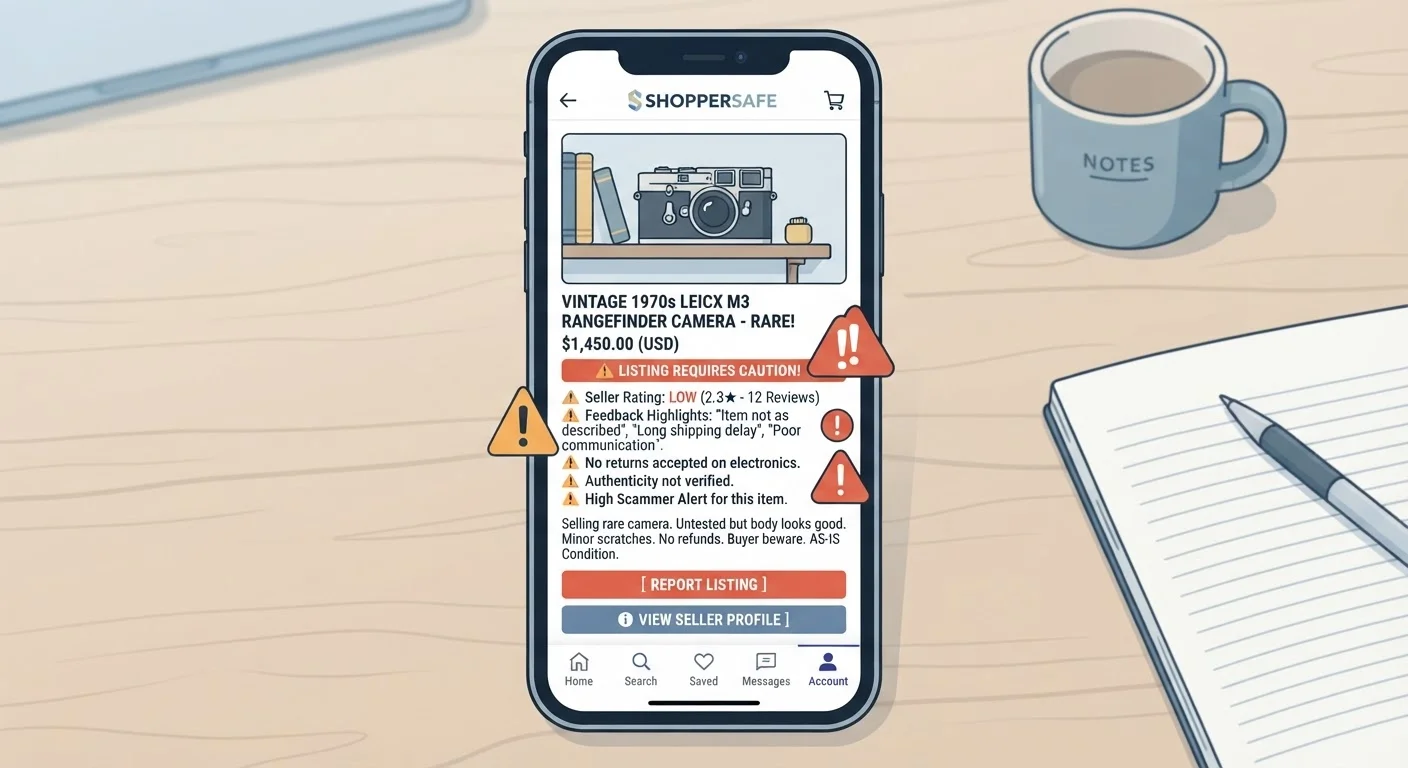
Most bad purchases aren't about the product - they're about the seller. A legitimate item sold by a questionable retailer can still leave you stuck: no recourse if it arrives damaged, no one to contact if it never shows up, or a return policy that exists in name only.
Reading a seller's trustworthiness before you commit takes under five minutes once you know what to look for. This guide covers the practical signals - online and offline - that distinguish reliable retailers from ones that should make you pause. For a broader pre-purchase routine, see our pre-purchase sanity check.
Signals That Reveal a Seller's Reliability
Once you know where to look, these markers appear quickly. Use them as a fast mental checklist before handing over payment.
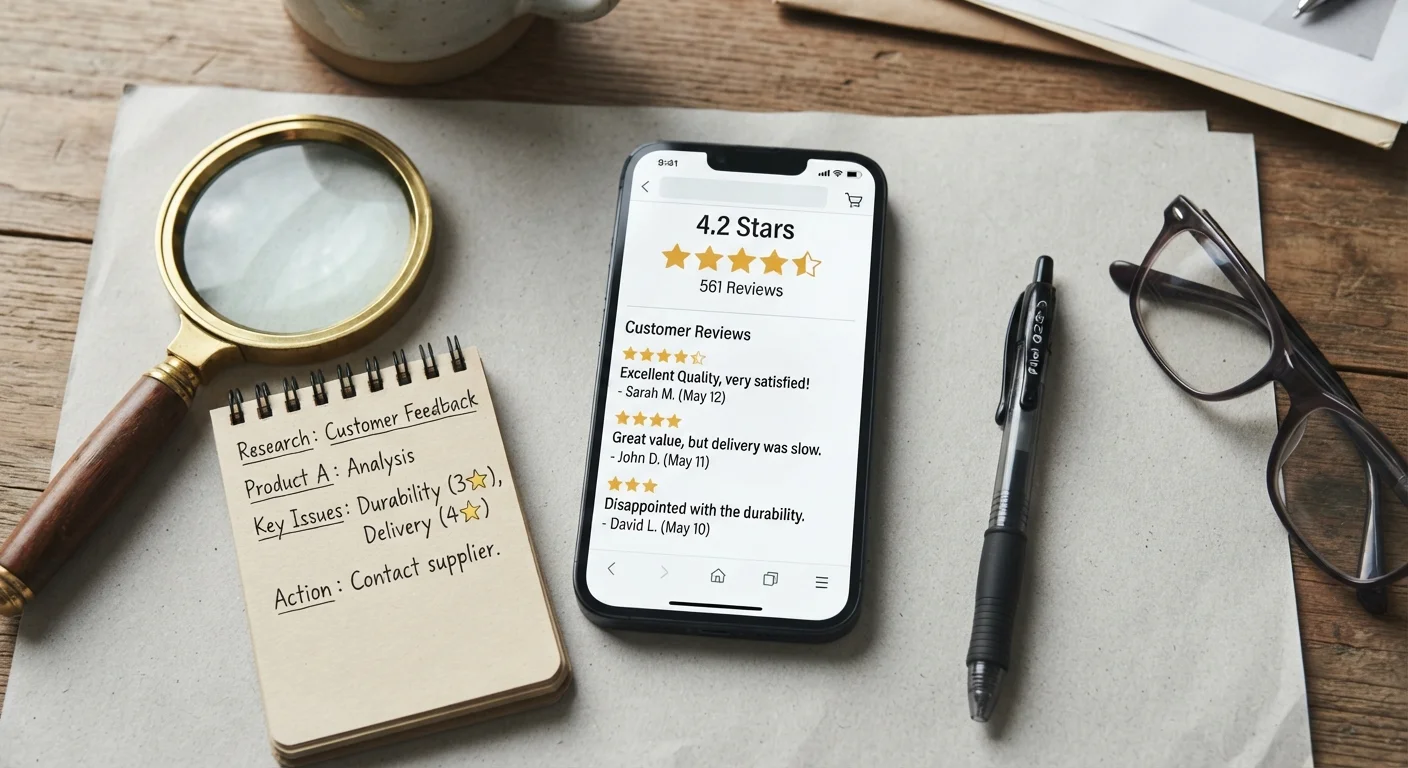
Reviews deserve particular scrutiny. A high average star rating with suspiciously uniform, vague praise is a weaker signal than a mix of ratings with detailed, specific feedback. Spotting fake reviews is a skill worth developing alongside seller vetting.
For marketplace-specific concerns - new accounts, stock-photo-only listings, missing contact details - our companion article on online marketplace red flags goes deeper on those patterns.
Quick Actions You Can Take Right Now
You don't need to overhaul your shopping habits to start vetting sellers better. A handful of quick checks done consistently will catch the most common problems.
Once you've assessed the seller, it's worth turning your eye to the product itself. Our guide on spotting shoddy build quality covers product-level red flags that complement seller vetting.
What to Do When Something Still Goes Wrong
Even careful shoppers end up with a problem purchase occasionally. How a seller handles it matters - and you can often predict their behavior before buying.
Before finalizing any purchase, review the return policy carefully. Narrow windows, restocking fees, and store-credit-only clauses are all worth understanding upfront. Our return policy decoder explains what those clauses actually mean for you.
If you're buying used or refurbished goods, seller reliability becomes even more critical since standard consumer protections may not apply in the same way. See our guide to second-hand buying safely for that scenario. And for a comprehensive look at every stage of the shopping journey, the full picture on avoiding bad purchases ties everything together.