How Each Reward Structure Actually Works
Before choosing between loyalty points and cashback, it helps to understand what each actually delivers - and how the mechanics differ.
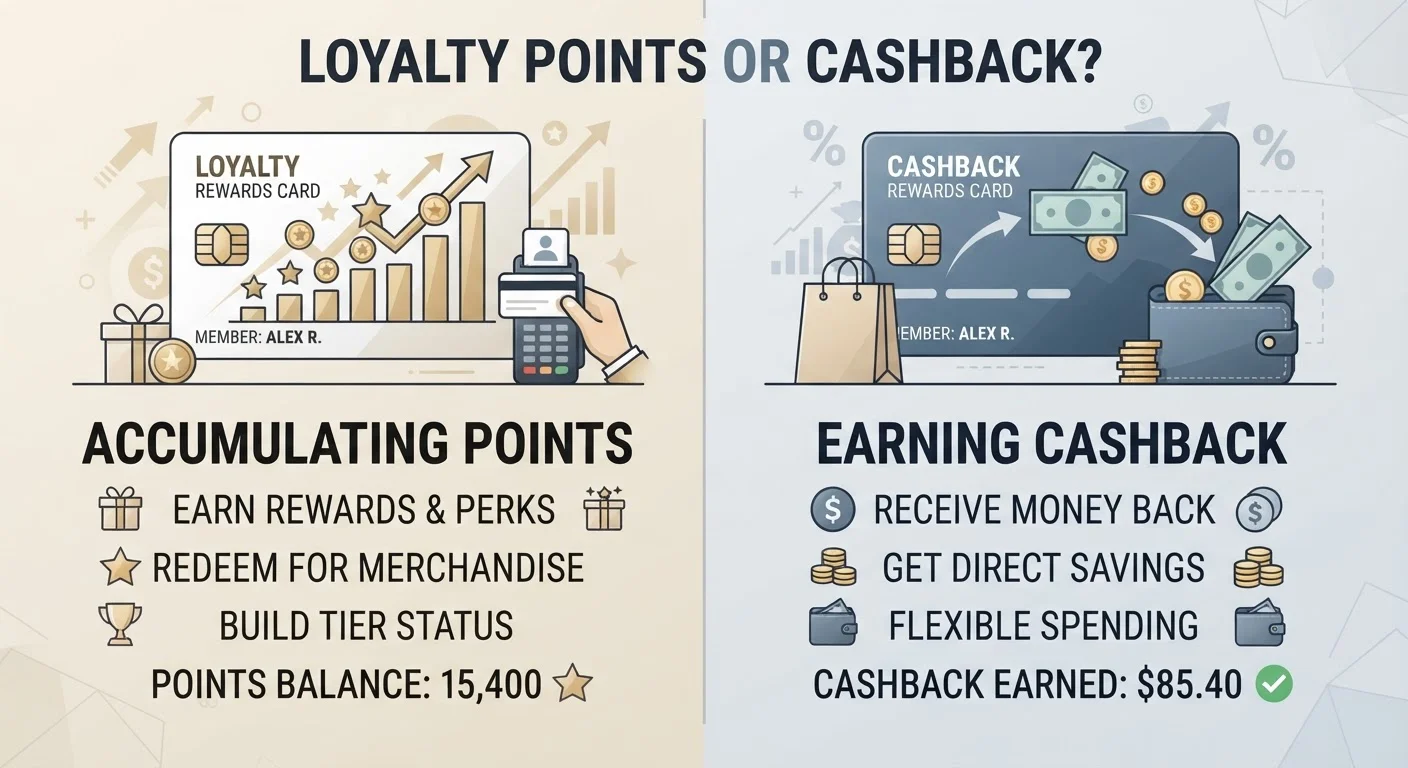
Loyalty programmes award points or miles for qualifying purchases. Those points are then redeemed for specific rewards: flights, hotel stays, merchandise, or gift cards. The critical detail is that points have no fixed dollar value. A point might be worth one cent in one redemption category and half a cent in another. Airline miles redeemed for business-class seats can sometimes deliver three to five cents per point - but only if you know how to navigate the programme's award chart.
Cashback cards operate differently. A fixed percentage of your spending - often between one and two percent on everyday purchases, sometimes higher in specific categories - is returned to you as a statement credit, deposit, or cheque. There is no conversion rate to calculate. One dollar in cashback equals one dollar.
This distinction matters more than it might seem. Points systems reward strategy and brand loyalty. Cashback rewards consistent, unremarkable spending. If you enjoy optimising, points programmes can theoretically outperform. If you prefer certainty, cashback rarely disappoints.
Points Value Is Not Fixed by Law
Unlike cashback, loyalty points have no regulated minimum value. Programmes can - and regularly do - change the number of points required for a given reward. A points balance worth $500 in redemptions today may not hold the same value in two years. This is a meaningful risk that cashback products do not carry in the same way.
Where Points Shine - and Where They Fall Short
Loyalty programmes have genuine strengths, particularly for travellers. Redeeming points for premium cabin flights - which you would never purchase at full price - can unlock value far beyond the equivalent cashback. If a business-class seat costs $3,000 and you can secure it for 60,000 points accumulated from everyday spending, you may come out ahead of a two-percent cashback card.
However, several factors can silently erode that value:
- Expiry rules: Many programmes cancel points after 12-24 months of inactivity. Life gets busy, and points earned years ago can quietly disappear.
- Programme devaluations: Airlines and retailers periodically increase the number of points required for redemptions, reducing the value of points you've already earned - with little notice.
- Redemption complexity: Getting the most from points requires research, flexibility, and sometimes booking well in advance. Not everyone has the time or inclination for that.
- Category restrictions: Some earned points can only be redeemed with partner brands, limiting your flexibility.
For consumers whose spending is spread across groceries, utilities, and general retail rather than concentrated in one brand, the payoff from loyalty programmes often underdelivers against expectations. See our guide to considered purchasing for more on matching financial decisions to your actual habits rather than aspirational ones.
| Criterion | Loyalty Programmes | Cashback Cards |
|---|---|---|
| Reward currency | Points or miles | Dollars (fixed percentage) |
| Value clarity | Variable - depends on redemption | Transparent and fixed |
| Best-case value | High (premium travel redemptions) | Consistent (1-2%+ on spending) |
| Flexibility | Restricted to programme partners | Usable anywhere |
| Expiry risk | Points can expire with inactivity | Cashback typically doesn't expire |
| Programme change risk | High - devaluations possible | Low - rate is disclosed upfront |
| Effort to maximise | High - requires strategy and planning | Low - automatic and passive |
| Annual fee likelihood | Often higher fees | Often lower or no fee |
The Hidden Costs That Can Wipe Out Either Reward
Whatever structure you choose, two factors can eliminate your rewards entirely: annual fees and carrying a balance.
Many premium loyalty cards charge annual fees of $95 to $550 or more. If you're not redeeming enough value to exceed that fee, the card costs you money regardless of points earned. Cashback cards tend to have lower - or no - annual fees, making the break-even calculation simpler.
Interest charges are the bigger threat. Credit card interest rates in the US commonly range between 20-29% APR. If you carry a balance month to month, the interest accrued will far exceed any reward you earn. A two-percent cashback rate cannot offset a 24% annual interest charge. This applies equally to loyalty and cashback cards - rewards are only genuinely valuable when the full balance is paid monthly.
If managing existing debt is part of your financial picture, understanding how credit cards compare to personal loans for debt repayment may be a useful step before adding a rewards card to the mix.
~$360
Average unused loyalty reward value per US household
Research from multiple consumer loyalty studies suggests US households collectively leave hundreds of dollars in unredeemed points unused each year.
1-5¢
Range in value per airline mile depending on redemption type
Consumer finance analysts note that airline mile valuations vary widely - from under a cent for merchandise to several cents for premium cabin award seats.
~29%
Average US credit card APR (as of recent Federal Reserve data)
Federal Reserve data indicates average credit card interest rates have risen significantly in recent years, underscoring the risk of carrying a balance on any rewards card.
Making the Right Call for Your Spending Habits
There is no universally superior option. The right structure depends on your spending patterns, your discipline with balances, and how much time you're willing to invest in optimisation.
A straightforward decision framework: if most of your monthly spending flows through one or two brands - an airline, a hotel chain, or a large retailer - and you pay your balance in full every month, a loyalty programme aligned to those brands may deliver meaningful value. If your spending is diffuse, or if simplicity matters more than maximisation, cashback is likely to serve you better over time.
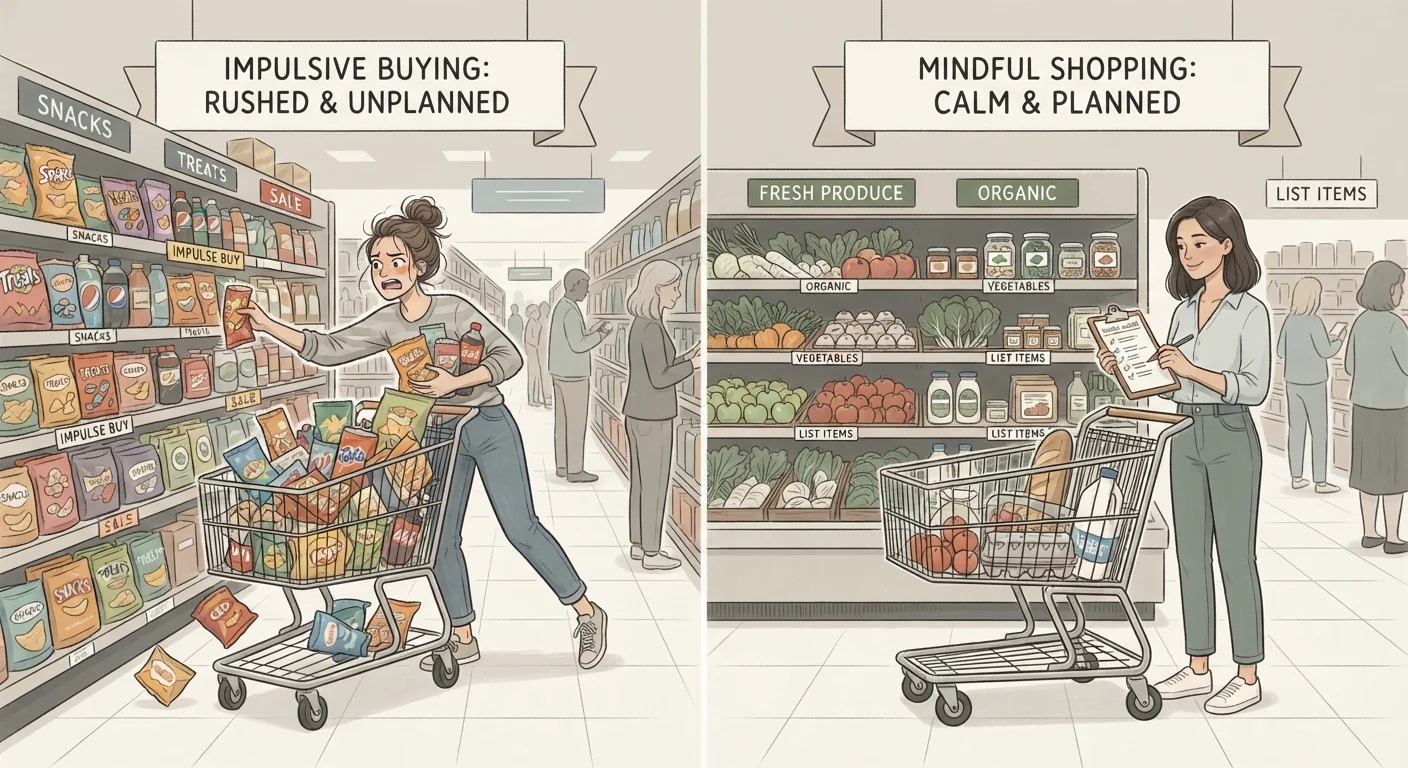
For those building broader financial habits, it's worth remembering that rewards are a benefit, not a strategy. Spending more to earn more rewards is a common trap - points and cashback should be a byproduct of spending you were already going to do, not an incentive to spend beyond your means. The Saving Money hub covers foundational approaches that keep rewards cards in their proper place: a small bonus, not a financial plan.
Finally, if you want a structured way to evaluate which card actually suits your life, consider building a personal comparison scorecard before committing to any card.
This article is for general informational purposes only and does not constitute personalised financial advice. For guidance specific to your circumstances, consult a qualified financial professional.