When a Deal Isn't Really a Deal
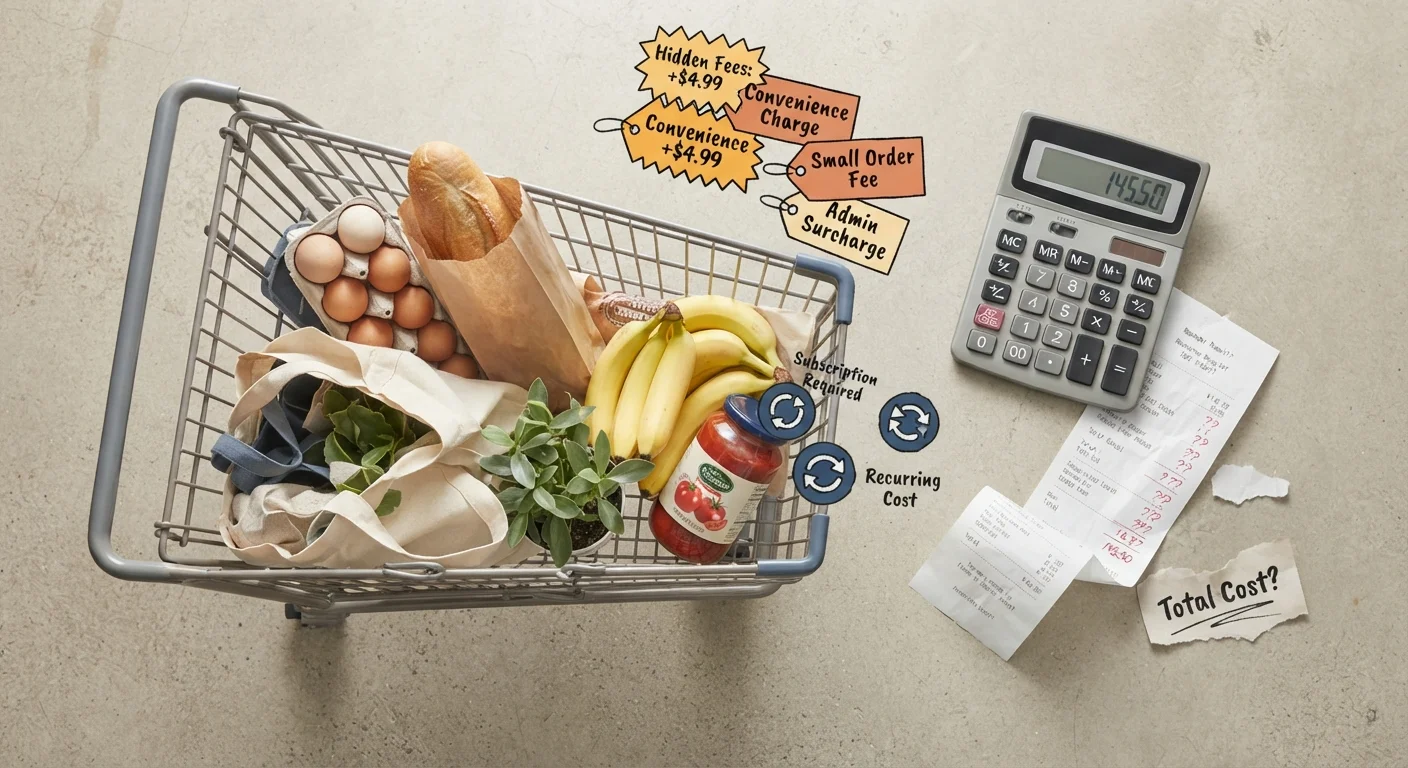
A low sticker price is designed to get your attention. What often follows - in the fine print, during checkout, or after delivery - is a string of additional charges that quietly close the gap between that eye-catching price and what you actually end up paying. For budget-conscious shoppers, these extras are more than an annoyance: they can turn an apparent bargain into one of your more expensive purchases of the year.
This pattern shows up across nearly every category of consumer spending, from online electronics to furniture to software. The good news is that most hidden costs are predictable once you know where to look. The list below covers the most common culprits - with practical guidance on spotting them before you commit.
For a broader look at how sticker prices can mislead, see our guide to costs that don't appear in the sticker price.
Shipping and handling fees
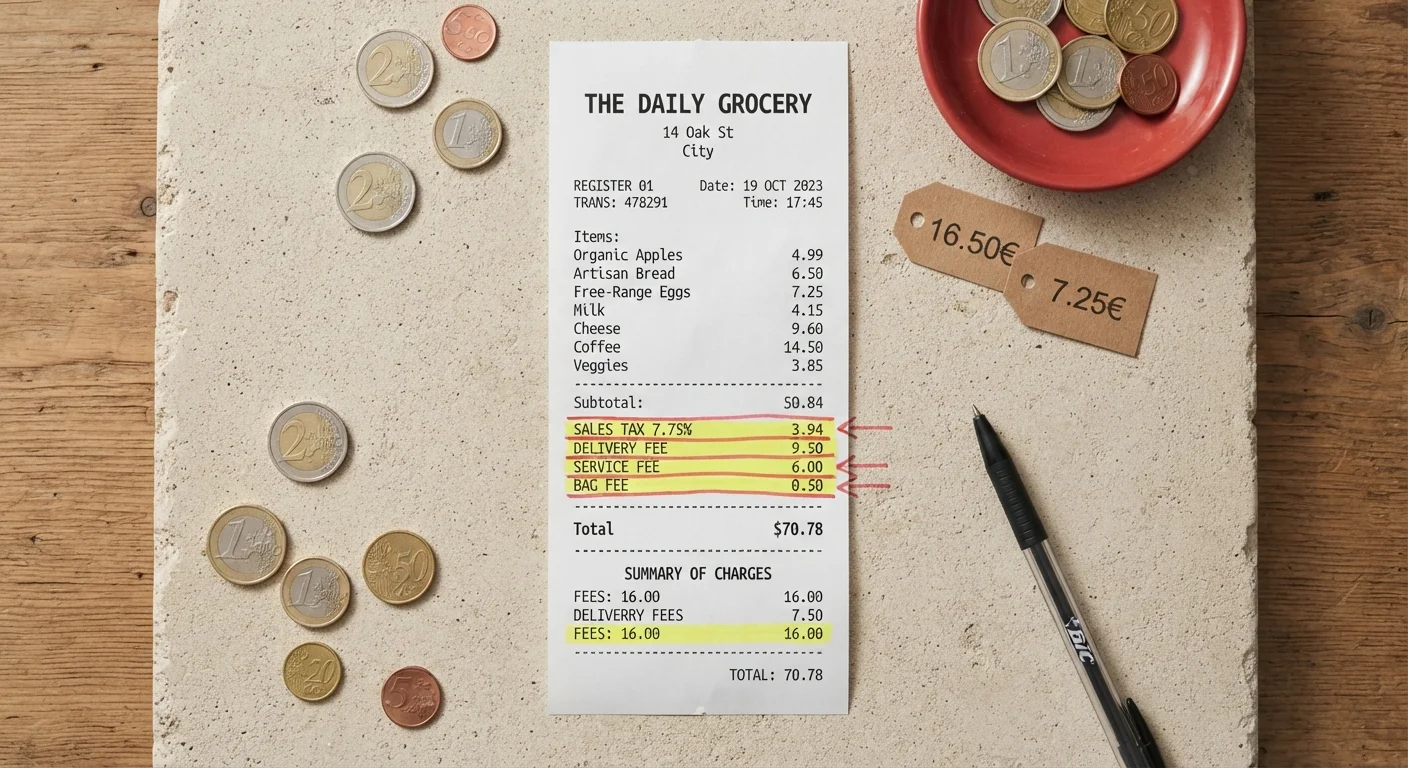
Online retailers often advertise prices that exclude delivery costs. Shipping fees can range from a few dollars to more than $50 for heavy or oversized items - and "handling" charges are sometimes added on top as a separate line item. Free shipping thresholds can also push shoppers to add items to their cart they didn't need, spending more to save on delivery.
Before comparing prices across retailers, check the shipping cost for your specific address and order size. A slightly higher listed price at one store may still be cheaper all-in than a lower price with steep delivery fees at another.
A lower listed price with high shipping can cost more than a pricier item with free delivery.
Mandatory accessories and proprietary consumables
Some products are priced attractively because the manufacturer recovers margin on the consumables or accessories required to use them. Printers and ink cartridges are a well-known example, but the same pattern appears in coffee machines requiring specific pods, power tools needing proprietary batteries, and home appliances that only accept brand-specific filters.
Before buying, research whether the product requires ongoing purchases of brand-specific components and what those cost annually. That figure, added to the purchase price, gives you a much more honest comparison point. Our guide to bulk buying covers a related concept: how per-unit costs over time can flip which option is actually cheaper.
The real cost of a product often lives in what you must keep buying to use it.
Subscription and auto-renewal traps
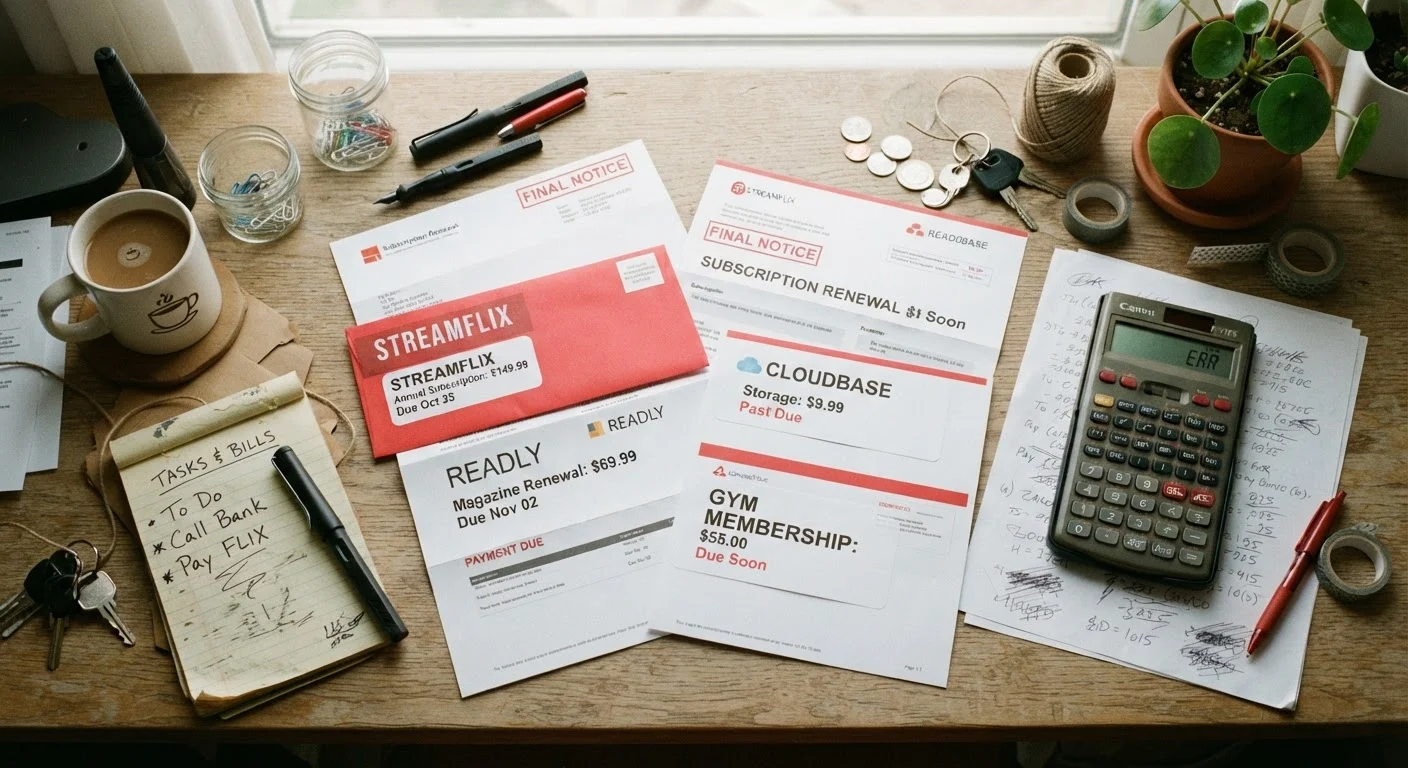
A growing number of products - software, apps, smart devices, streaming services - are sold at a low upfront price that unlocks only basic functionality. Full features require a paid subscription, often billed monthly or annually. Worse, free trials commonly require a credit card and convert to paid plans automatically if not cancelled in time.
Always read the terms before entering payment details for a trial. Note the cancellation deadline in your calendar immediately. For a full audit strategy on recurring charges you may have already accumulated, see our article on subscriptions and the slow drain on your bank account.
Free trials that require a credit card are designed to convert to paid plans automatically.
Installation, assembly, and setup fees
Large appliances, furniture, and smart-home devices are frequently sold without installation included. Retailers often offer installation as a paid add-on at checkout - but if you miss it there, arranging it afterward may cost more. In some cases, manufacturers require professional installation to maintain a warranty, making the fee effectively mandatory.
Disposal fees for old appliances are another charge many shoppers don't anticipate. Hauling away an old washer, refrigerator, or mattress can add $25-$75 or more depending on the retailer and location. Confirm what's included before purchase, not after delivery.
Some warranties are void without professional installation - making that fee non-optional.
Return shipping and restocking fees
A product that doesn't work out isn't a neutral transaction. Many retailers charge return shipping costs that fall on the buyer, and some add restocking fees of 10-25% of the purchase price for opened items. On a discounted product, these charges can wipe out every dollar saved - or result in a net loss compared to buying elsewhere at full price.
Before buying, check the return policy carefully. Our return policies decoded article explains what common policy clauses actually mean in practice, including restocking fees and store-credit-only restrictions.
A 20% restocking fee on a discounted item can erase the entire saving in a single return.
Financing and deferred-interest charges
"Zero percent interest" financing offers can be a genuine benefit - or a significant cost trap, depending on the fine print. Many deferred-interest promotions retroactively apply all accrued interest to your balance if the full amount isn't paid off before the promotional period ends. Miss the deadline by a single payment and you could owe interest on the original purchase price, not just the remaining balance.
This pattern is especially common with furniture, electronics, and medical or dental financing. If you're considering any form of financing, read the terms carefully and consider whether a straightforward payment method removes the risk entirely. For vehicle financing specifically, our article on auto loan pitfalls covers related traps in detail.
Deferred-interest plans can charge you interest on the full original price if you miss the payoff deadline.
Warranty upsells and coverage gaps
Extended warranties and protection plans are a significant revenue source for retailers - which tells you something about how often they pay out relative to their cost. That doesn't mean they're never worth considering, but the value calculation depends on the product type, the manufacturer's included warranty, and what the extended plan actually covers versus excludes.
Read the terms of any extended warranty before agreeing to it at the register, where the pressure to decide is highest. Pay particular attention to what's excluded. Our piece on warranty claims outlines the common exclusions and process hurdles shoppers often discover only after a problem arises.
Extended warranties are most valuable when you've read the exclusions before buying, not after.
Build the Habit of Calculating Total Cost
None of these costs are impossible to anticipate - they simply require a few extra minutes before you finalize any purchase. A useful habit: before clicking buy or handing over a card, ask yourself what this item will cost to own, not just to acquire. Factor in delivery, setup, required add-ons, ongoing fees, and what happens if you need to return it.
Create a 'True Cost' Checklist
Before finalizing any purchase over $50, run through a quick mental checklist: delivery fees, required accessories, subscription costs, installation, return policy, and financing terms. Writing these down - even briefly - makes it much easier to compare two options on equal footing rather than reacting to the headline price alone.
This mindset also applies to larger financial decisions. If you're working on a broader spending plan, the Budgeting Basics hub offers straightforward frameworks for tracking where your money actually goes. And for recurring charges specifically, our piece on subscription creep and how to audit it walks through a step-by-step review process.
A low price is a starting point for comparison, not a conclusion. Shoppers who treat it as the latter are the ones who most often feel misled - not because they were careless, but because the full picture requires a little digging that most listings don't make easy.
This article is for general informational purposes only and does not constitute financial or purchasing advice. Individual costs and terms vary by retailer and product - always verify specifics with the seller before purchasing.