Why a Garden Calendar Helps Beginners Succeed
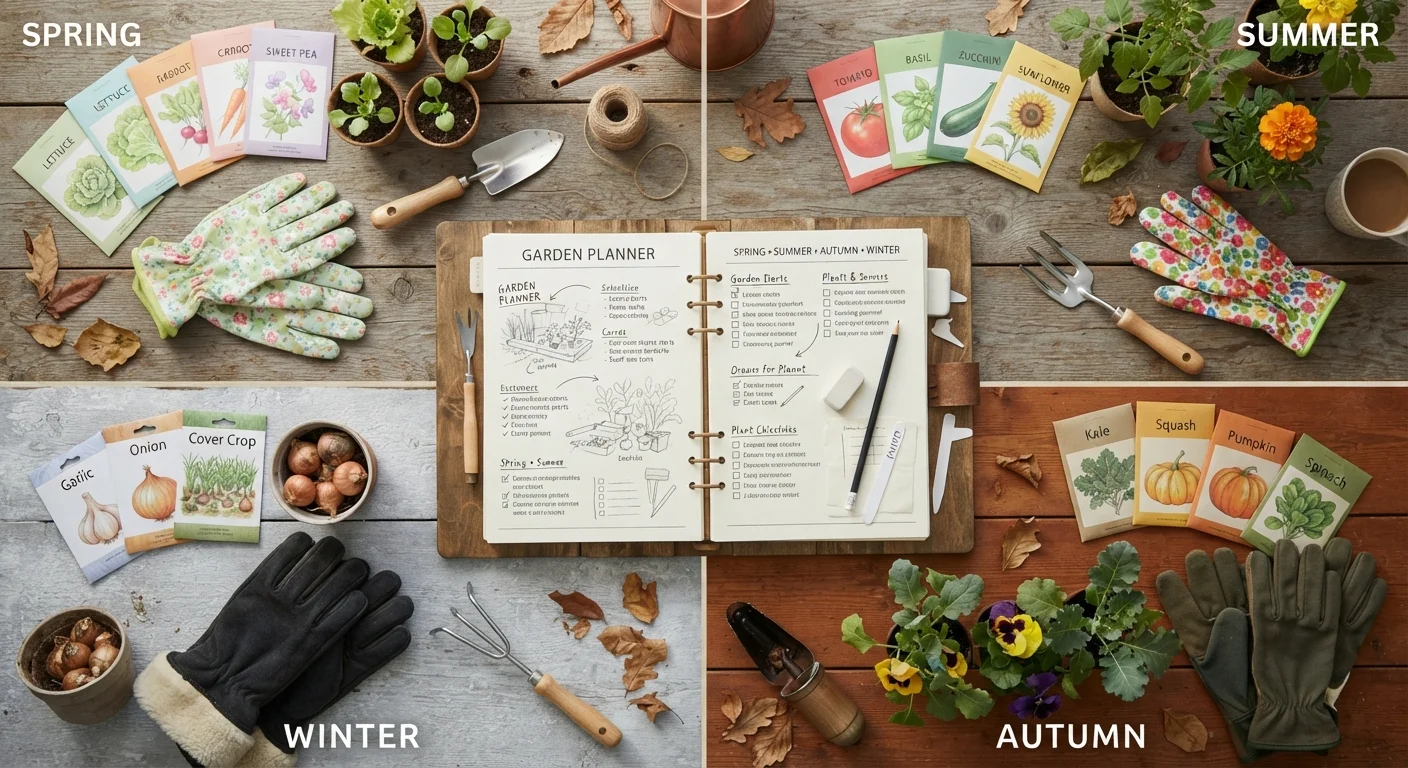
One of the most common beginner mistakes is planting at the wrong time - either rushing seeds into cold soil or missing the window entirely. A seasonal garden calendar solves that problem by giving you a clear, repeating framework for the whole year.
Before diving in, note that timing varies by region. A gardener in Minnesota faces frosts well into May, while one in Georgia may be harvesting lettuce in February. The calendar below uses general U.S. temperate-zone patterns as a baseline. Always cross-reference with your local USDA hardiness zone and your county's cooperative extension office for precise dates. See our foundational guide to soil, sun, and water to understand the basics before you start sowing.
| Cool-season crop sowing temp | 45-65°F soil temperature (General horticultural guideline) |
| Warm-season crop sowing temp | 60-85°F soil temperature (General horticultural guideline) |
| Indoor seed-starting lead time | 6-8 weeks before last frost (Standard extension service recommendation) |
| Typical weekly water need (vegetables) | ~1 inch per week (USDA general guidance) |
| Spring bulb planting window | September-November (Applies to most U.S. temperate zones) |
| Key planning resource | Local USDA hardiness zone map (planthardiness.ars.usda.gov) |
Season-by-Season Garden Guide
Spring (March-May)
Spring is your most active season. As soil temperatures rise above 50°F, life returns to the garden.
- Sow indoors: Tomatoes, peppers, and eggplant need 6-8 weeks indoors before your last frost date.
- Direct sow outdoors: Once nights stay above freezing, plant peas, lettuce, spinach, and radishes directly in the ground - these cool-season crops thrive in mild temperatures.
- Prune: Cut back dead stems from last year's perennials, and prune roses once forsythia blooms (a reliable natural timing signal).
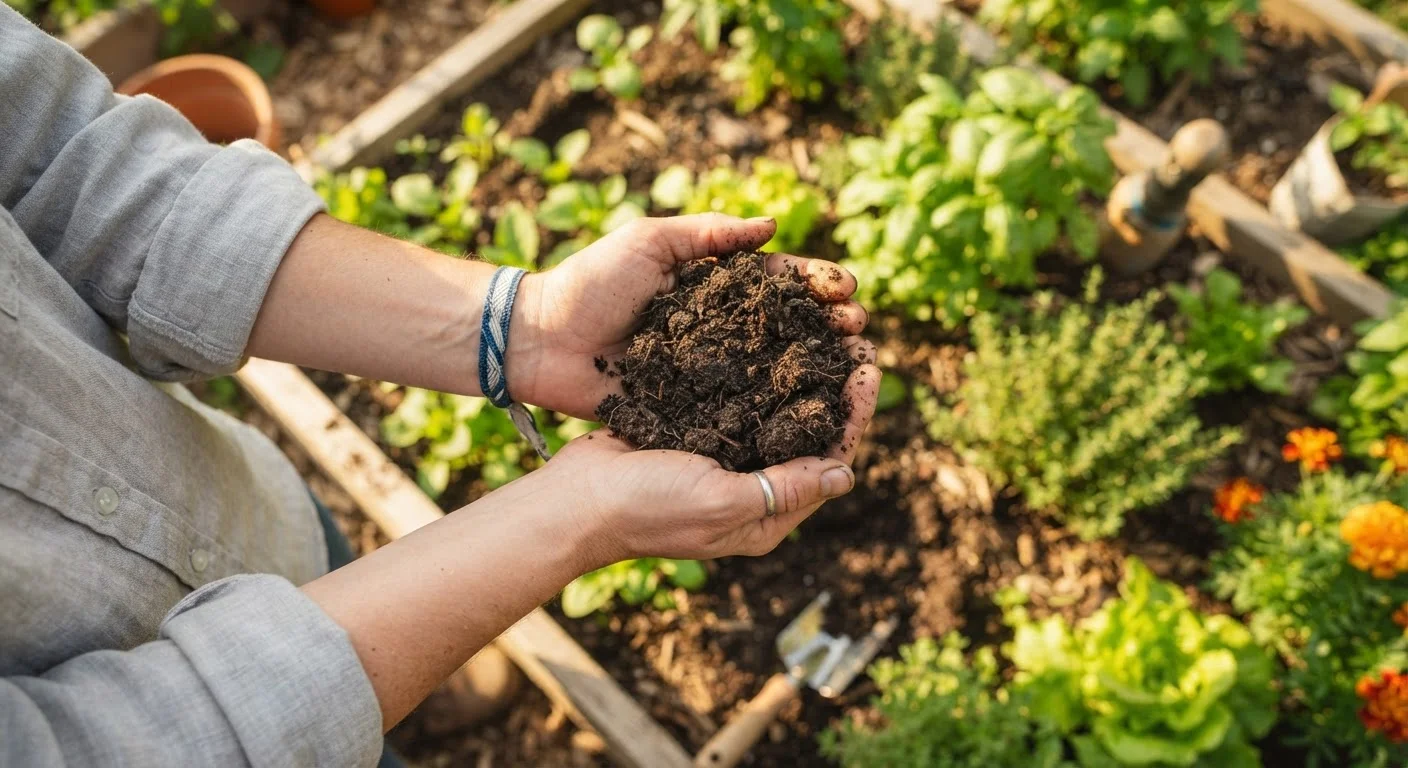
- Amend soil: Work compost into beds before planting. Our home composting guide explains how to make your own.
Summer (June-August)
Summer shifts focus from planting to tending and harvesting.
- Transplant outdoors: After your last frost date, move tomatoes, peppers, squash, and basil outside.
- Harvest frequently: Picking beans, zucchini, and cucumbers regularly encourages the plant to keep producing.
- Water deeply: Most vegetables need about 1 inch of water per week. Water at the base of plants in the morning to reduce disease risk.
- Succession sow: Every 2-3 weeks, sow a small batch of fast-growing crops like lettuce and radishes to extend your harvest window.
Last frost date
The average calendar date after which freezing temperatures are unlikely in your area. Warm-season crops should not go outside before this date. Find yours through your local cooperative extension service.
Direct sow
Planting seeds directly into outdoor soil rather than starting them indoors first. Works well for crops that don't transplant easily, like carrots and peas.
Succession sowing
Planting small batches of the same crop every few weeks rather than all at once. This staggers the harvest so you aren't overwhelmed with produce at one time.
Hardiness zone
A geographic classification system developed by the USDA that divides the U.S. into zones based on average annual minimum winter temperatures. It helps gardeners choose plants suited to their climate.
Crop rotation
Moving plant families to different bed locations each year to prevent the buildup of soil-borne diseases and to avoid depleting the same nutrients repeatedly.
Fall (September-November)
Fall is an underrated growing season and the ideal time to prepare for next year.
- Plant cool-season crops again: Kale, broccoli, and carrots can go in 6-8 weeks before your first fall frost.
- Plant spring bulbs: Tulips, daffodils, and crocuses are planted in fall for spring color.
- Collect seeds: Allow some flowers and vegetables to go to seed; dry and store them for next year.
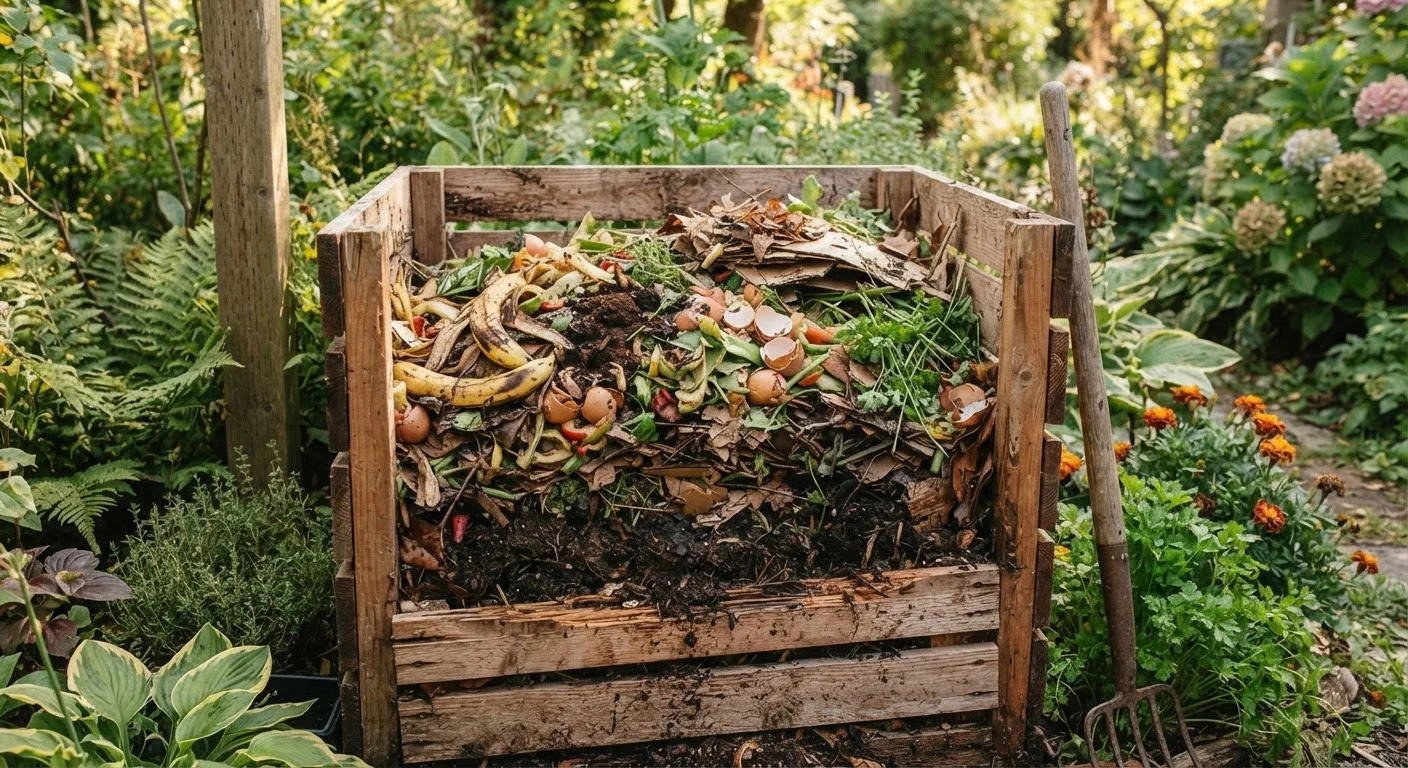
- Compost spent plants: Clear out disease-free plant material and add it to your compost pile.
Winter (December-February)
Winter is for planning, not planting - in most U.S. climates.
- Review and plan: Sketch next year's layout, noting what worked and what didn't. Rotating crops prevents soil depletion and disease buildup.
- Order seeds: Seed catalogs and online suppliers often sell out of popular varieties early, so ordering in January or February is smart.
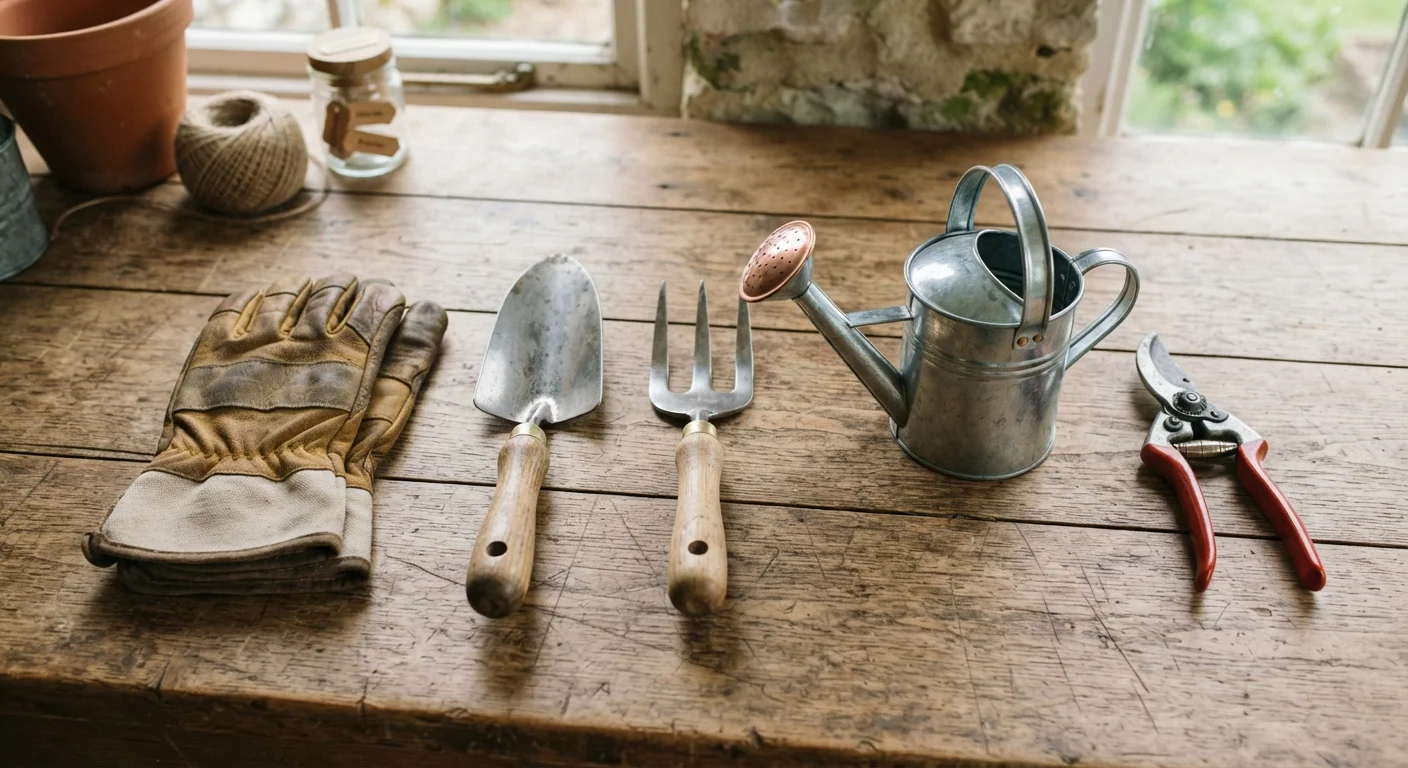
- Maintain tools: Clean, sharpen, and oil your tools so they're ready in spring. See our guide to essential garden tools for a beginner toolkit.
- In mild climates: Gardeners in Zones 9-11 can continue growing cool-season vegetables and herbs through winter.
Putting Your Calendar Into Practice
The biggest barrier for beginners isn't knowledge - it's starting. Use this calendar as a loose reference, not a rigid rulebook. Weather varies, life gets busy, and gardens are forgiving. A seed sown a week late will usually still grow.
If you're working with a small outdoor space, the principles are the same - just scaled down. Our small-space vegetable garden guide shows how to apply seasonal timing in containers and compact beds. And when you're ready to get your space properly set up, work through our garden-ready checklist before your first seed goes in.
Understanding whether your plants are annuals or perennials also shapes how you use this calendar - perennials come back on their own, while annuals need replanting each year.
Regional Timing Always Comes First
This calendar reflects general U.S. temperate-zone patterns. Your actual planting dates depend on your USDA hardiness zone and local frost dates. Visit your state's cooperative extension service website - most publish free, zone-specific planting calendars tailored to your region. When in doubt, local guidance overrides any general advice.