
Why a Pre-Purchase Checklist Is Worth the Pause
The moment before you finalize a purchase is one of the highest-leverage points in your financial life - and one of the most rushed. Retailers, algorithms, and limited-stock warnings are all designed to compress your decision-making window. A short, structured checklist pushes back against that pressure.
This guide applies to any significant purchase: electronics, appliances, furniture, clothing, or services. It works online and in-store. For a broader look at the entire shopping journey, see The Full Picture on Avoiding Bad Purchases.
Below, you'll find the tools you'll want handy, then the checklist itself - organized by the order in which most shoppers naturally move through a decision.
Web browser (incognito/private mode)
Search for seller reputation and product reviews without personalised results skewing what you see.
Credit card with purchase protection
Provides chargeback rights and built-in dispute recourse that most debit cards and payment apps do not offer.
Spreadsheet or notes app
Track total landed cost calculations (price + tax + shipping + accessories) to avoid surprise at checkout.
Consumer review aggregator
Cross-reference product reviews across multiple sources to catch patterns that a single retailer's review section may suppress.
The Pre-Purchase Checklist
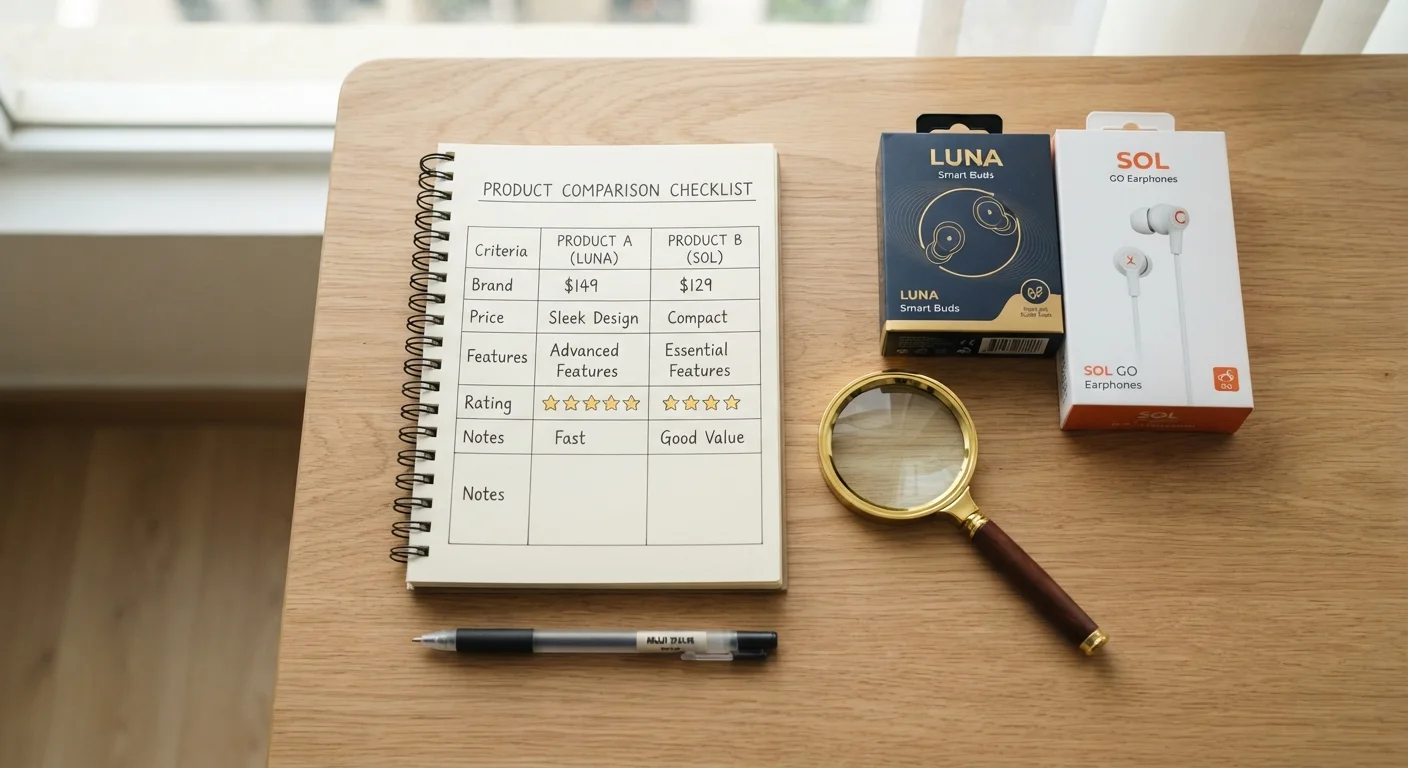
Work through these groups in sequence. If any "must" item raises a concern you can't resolve, treat that as a reason to pause - not to rationalize. For guidance on comparing this item against alternatives first, see our comparing-options checklist.
Need & Budget
Seller & Listing Credibility
Product Fit & Quality
Returns, Warranties & Recourse
Final Sanity Check
Payment Method Matters More Than Most Shoppers Realize
If a seller turns out to be fraudulent or the item never arrives, your ability to recover money depends heavily on how you paid. Credit cards generally offer stronger dispute and chargeback rights under federal law than debit cards, bank transfers, gift cards, or peer-to-peer payment apps. Avoid paying with methods that offer little or no recourse, particularly with sellers you cannot independently verify. This is general information - review the specific terms of your own accounts for details.
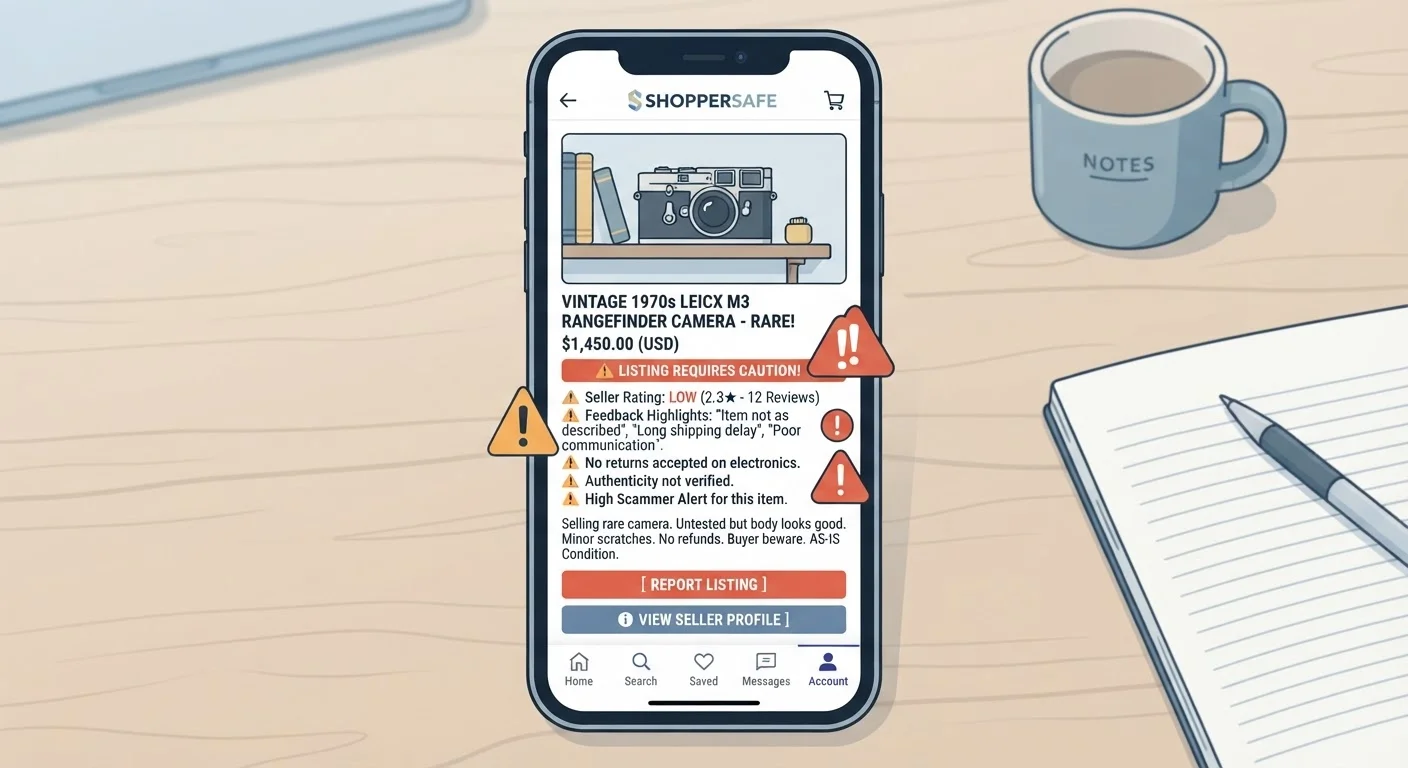
If you're buying from an online marketplace, pay close attention to the seller section above. New accounts, stock-photo-only listings, and missing contact details are among the most reliable warning signs - explored in depth in Online Marketplace Red Flags Every Shopper Should Recognise.
Buying second-hand? The stakes are higher. Our guide on buying second-hand safely covers what to inspect and when to walk away.
Urgency Tactics Are Designed to Skip This Checklist
Flash sales, "limited stock" banners, and expiring coupons are marketing mechanisms intended to compress your thinking time. Many countdown timers reset when you refresh the page. Feeling rushed is itself a signal to slow down, not speed up. A purchase that's right for you today will still be right tomorrow.
If this purchase would involve financing or credit, pause entirely and review your readiness using the pre-borrowing checklist before proceeding.