What Bulk Buying Actually Means
Bulk buying - purchasing larger quantities of a product at once - is one of the most commonly cited money-saving strategies. The core logic is simple: retailers often charge less per unit when you buy more, and passing on some of that margin is how they attract volume shoppers.
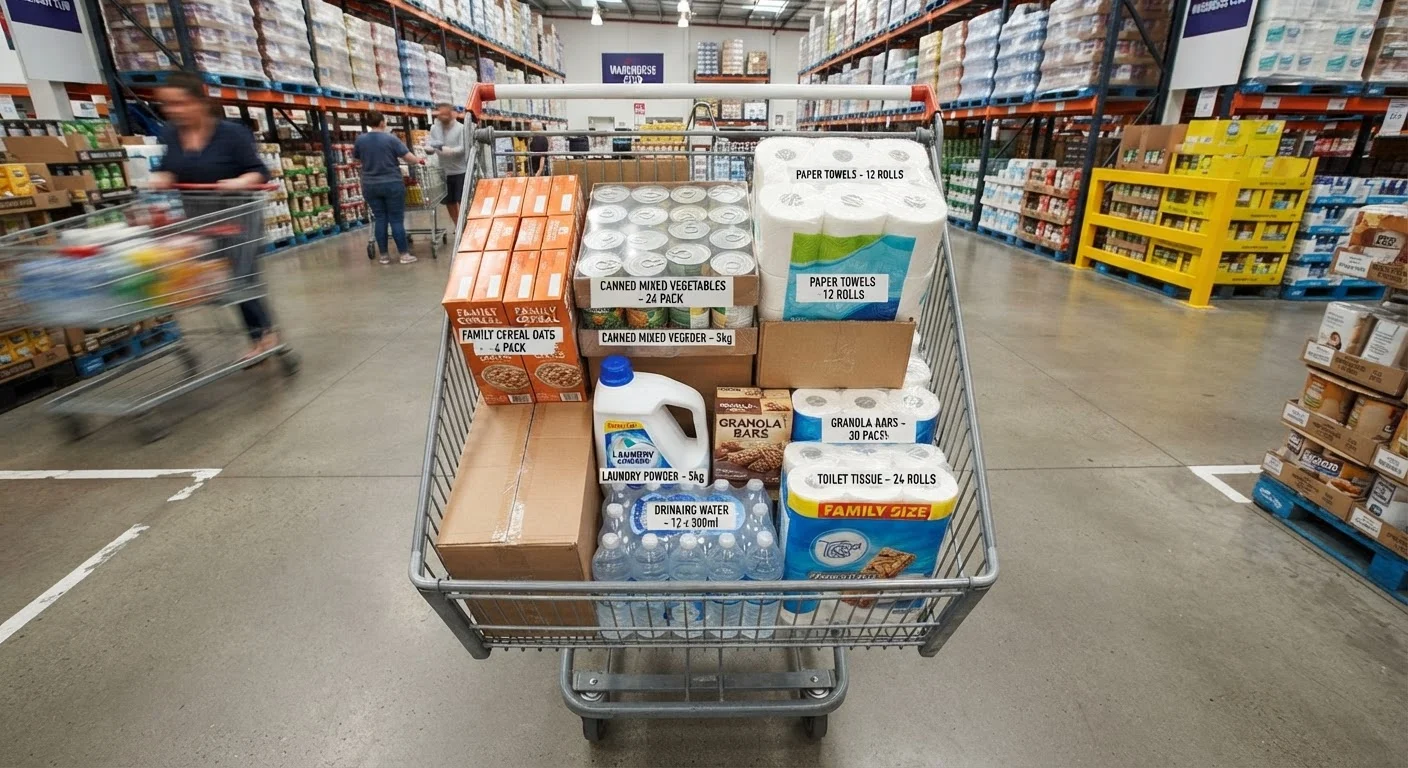
But "bulk" covers a range of situations. It might mean a 48-roll pack of toilet paper versus a 12-roll pack, a 5-pound bag of oats versus a 1-pound canister, or a case of canned tomatoes versus a single tin. The savings calculation looks different in each case, and the right move depends on your specific household - not a universal rule.
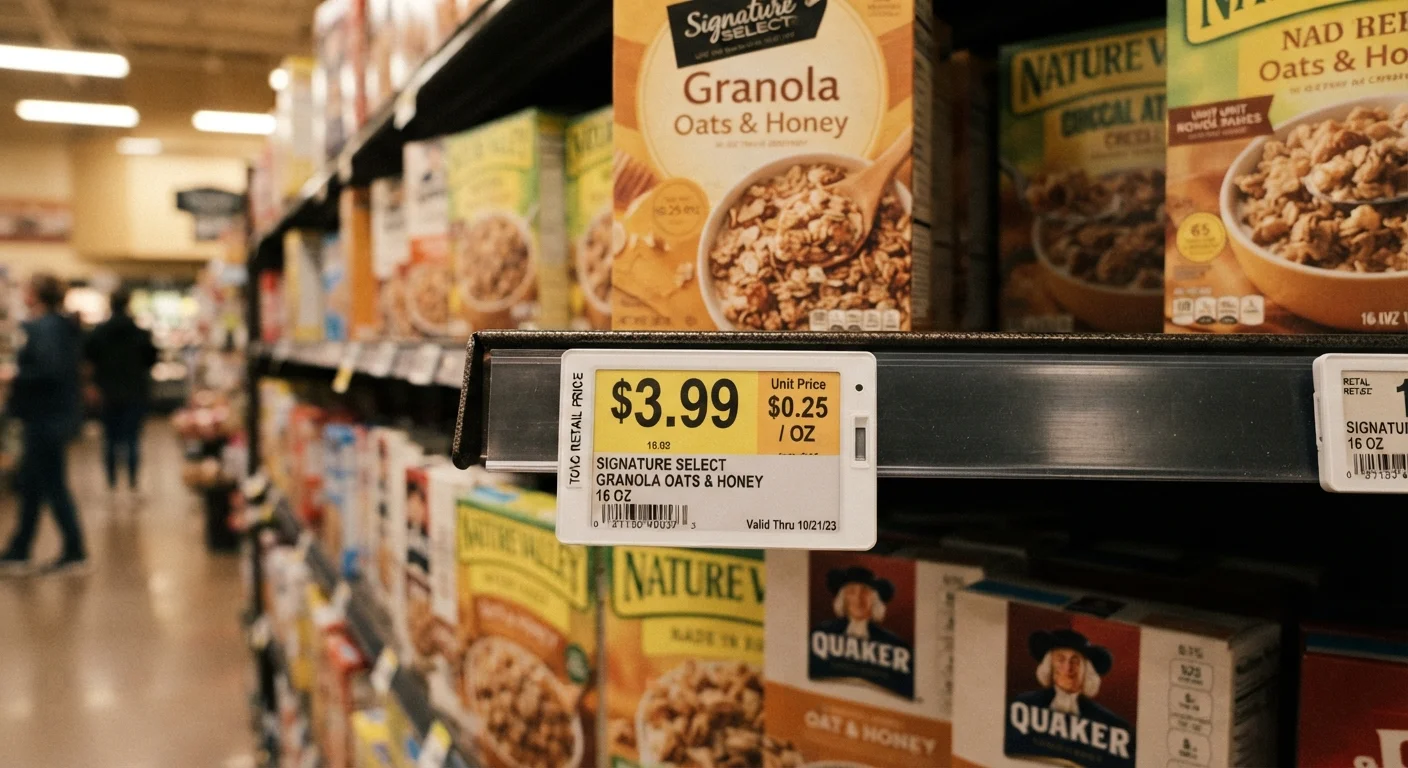
The starting point for any honest bulk-buy evaluation is the unit price: the cost per ounce, per sheet, per count, or per litre. Unit pricing strips away the packaging noise and lets you compare apples to apples. Without it, a large pack that costs more in total can feel like a bargain when it isn't.
When Buying in Bulk Genuinely Saves Money
Bulk buying delivers real savings under a specific set of conditions - and understanding them helps you shop intentionally rather than reactively.
Lower cost per unit on comparable products
Retailers typically reduce the per-unit price on larger packs to incentivize volume purchases, and the savings can be meaningful on frequently used staples.
Fewer shopping trips for household staples
Stocking up on non-perishables reduces how often you need to restock, which saves time and can reduce incidental spending during smaller top-up trips.
Buffer against price fluctuations
Buying ahead when prices are favorable gives you some insulation if prices rise later, particularly for goods like canned food, paper products, or cleaning supplies.
Reduced packaging per unit of product
Larger packs generally use less packaging material relative to the amount of product inside, which can reduce household recycling volume over time.
The strongest candidates for bulk buying share a few traits: they don't expire quickly, you use them at a predictable rate, and the unit-price difference is meaningful enough to justify the upfront spend. Toilet paper, laundry detergent, canned goods, dried pasta, and freezer-friendly proteins are common examples cited by consumer research.
Households with more members generally get more value from bulk buying simply because consumption is faster, reducing the risk that products sit unused long enough to deteriorate.
When Bulk Buying Costs You More Than It Saves
The math that makes bulk buying attractive can flip quickly under the wrong conditions. Understanding the failure modes is just as important as knowing the benefits.
Spoilage wipes out savings on perishables
Any food or product that expires before use represents a direct loss - the unit price saving becomes irrelevant once you've thrown money in the trash.
Large upfront spend strains tight budgets
Bulk purchases require paying more cash at once, which can create short-term financial pressure even if the long-run math works in your favor.
Storage space is a real, finite resource
Oversized packs need somewhere to live. Without adequate storage, bulk items create clutter, get forgotten, or end up damaged before use.
Bulk deals aren't always cheaper per unit
Retailers don't universally discount larger packs, and promotional pricing on regular-sized products can sometimes make them cheaper per unit than the bulk alternative.
Product waste risk from changing preferences
Buying 60 servings of a new food product before you know if your household enjoys it locks in a loss if tastes change - or if the formula or quality is disappointing.
Perishables - fresh produce, dairy, bakery items - are the most obvious mismatch. Even with a strong unit price, food that goes to waste produces a real dollar loss. The same logic extends to products with expiration dates you might not notice, like sunscreen, medications, or certain cleaning products.
It's also worth recognising that a large upfront spend is only a saving if your cash flow genuinely supports it. Pulling $80 from a tight budget for a warehouse club run - even for items you'll eventually use - can create short-term financial pressure that outweighs the long-run unit-price benefit. See how to weigh upfront cost against long-term value for a broader framework on this kind of trade-off.
Hidden Costs Worth Checking Before You Commit
Bulk Doesn't Always Mean Warehouse Club
Many grocery stores sell multipack or larger-format versions of common items without requiring a membership. Buying a twin-pack at a regular supermarket or choosing the larger size of a product you trust can capture some of the unit-price benefit without an annual fee or minimum spend. Always compare the unit price label across pack sizes in the same store before assuming the biggest option wins.
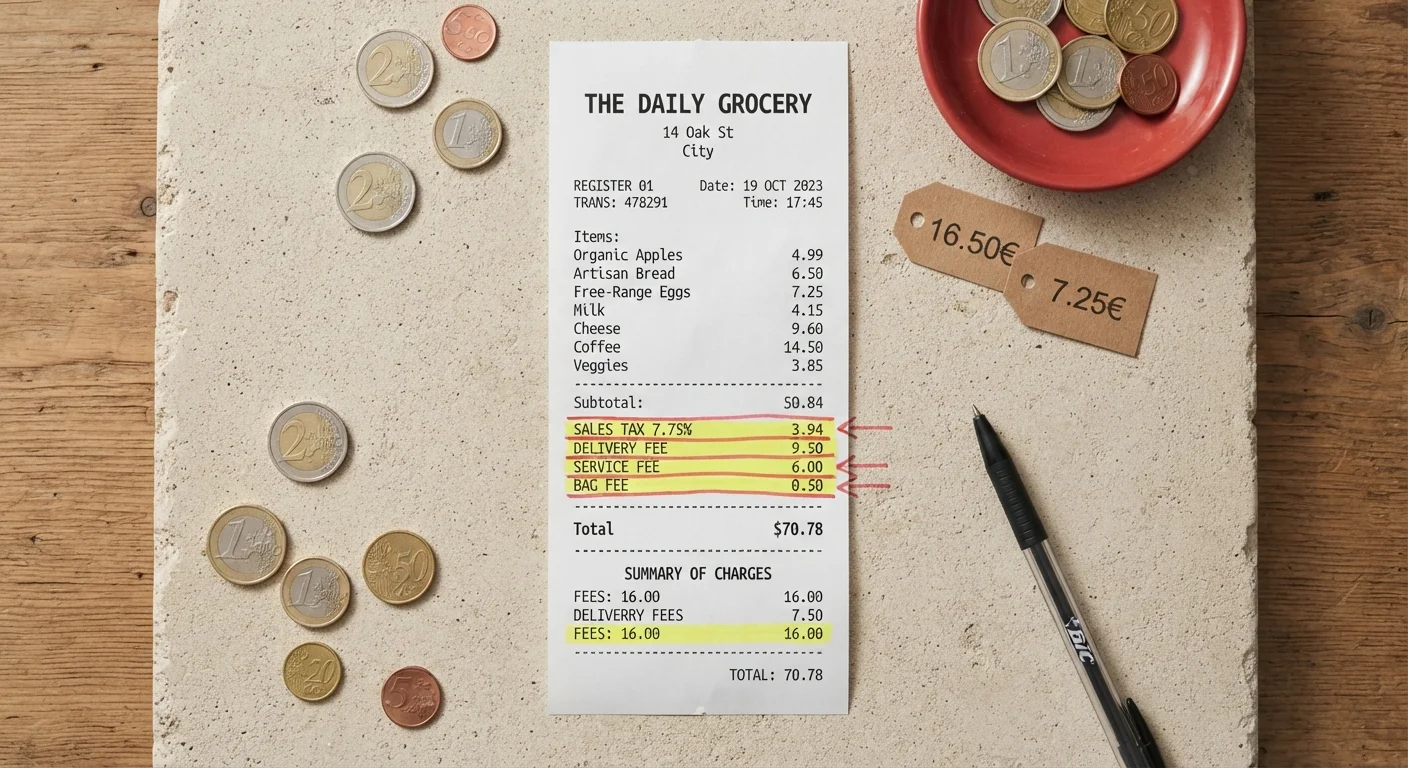
Beyond spoilage and storage, a few other factors can quietly erode bulk savings:
- Membership fees: Warehouse clubs typically charge annual fees. If you shop there infrequently, the fee may offset what you save on unit prices.
- Product turnover: Bulk sizes sometimes carry older stock or are reformulated. Check lot dates when relevant.
- Opportunity cost: Money spent in advance on bulk goods is money that isn't available for other needs. This matters more in tighter budget months.
- Overuse: Research on consumer behavior suggests that having more of a product on hand can lead to using it faster - sometimes faster than genuinely needed. Bigger bottles of shampoo, for instance, may prompt larger amounts per use.
These aren't reasons to avoid bulk buying - they're reasons to evaluate it honestly rather than assume a bigger pack always wins. For a detailed look at how extra charges undermine apparent deals, see the hidden costs that turn a bargain into a bad deal.
A Simple Framework for Deciding
Before adding a bulk item to your cart, run through three quick questions:
- Will we actually use all of it before it degrades? If the answer is uncertain, the risk likely isn't worth it.
- Is the unit price genuinely lower? Not every large-pack deal represents real savings - verify the math on the shelf label rather than trusting the packaging.
- Do we have space and budget for this right now? Storage clutter and cash flow strain are real costs that don't show up in the unit price.
Bulk buying works best as a deliberate habit applied to a specific, curated list of household staples - not as a general default for every shopping trip. Applied selectively, it's one of the more reliable ways to reduce routine spending without changing what you actually consume.