Why Label Language Matters
Walk down any store aisle and you'll spot dozens of badges, seals, and checkmarks claiming a product is "certified," "approved," or "endorsed." These words feel authoritative - but their actual meaning ranges from rigorous independent verification to a claim a company invented for its own marketing.
Understanding the difference protects your wallet and, in some categories, your health. The language of product comparisons is often designed to imply credibility, whether or not that credibility was earned. This article breaks down what each term typically signals - and when to dig deeper before trusting it.
Myth
If a product says 'certified,' it has been tested and approved by an independent organization.
Fact
The word 'certified' has no single legal definition. A company can self-certify a product against criteria it wrote itself and still legally use the term on packaging.
Certification spans a wide spectrum. At one end are programs run by accredited third-party bodies - organizations that operate independently of the manufacturer, conduct physical testing or audits, and publish their standards publicly. At the other end are self-certification programs where the manufacturer defines the criteria, performs (or commissions) the testing, and awards its own seal.
Because the Federal Trade Commission (FTC) broadly requires that advertising claims be truthful and substantiated, outright false certifications can be challenged - but the FTC does not regulate the word "certified" itself. Always look for the name of the certifying body, not just the label.
Myth
'Approved by doctors' or 'clinician-approved' means a medical board reviewed and sanctioned the product.
Fact
These phrases typically reflect a paid partnership with one or more individual practitioners, not a formal review by any medical authority.
There is no regulatory body that issues a "doctor-approved" designation for consumer products. When a product uses this language, it generally means the brand paid or partnered with individual healthcare professionals to review or endorse it - which is a commercial relationship, not a clinical evaluation.
This is distinct from, say, the American Dental Association (ADA) Seal of Acceptance, which requires documented clinical studies submitted to the ADA's review process. That kind of seal names the organization and links to published acceptance criteria. Vague endorsement language does neither.
Myth
Government agency logos or official-looking seals on packaging mean the product has been federally approved.
Fact
Most consumer product categories are not subject to pre-market federal approval. Brands sometimes display seals that look official but are not government-issued.
In the United States, drugs and medical devices require FDA approval or clearance before sale. However, the vast majority of consumer goods - supplements, cosmetics, cleaning products, most electronics, apparel - are not pre-approved by any federal agency. The FDA regulates supplements, for example, but does not approve them before they reach shelves.
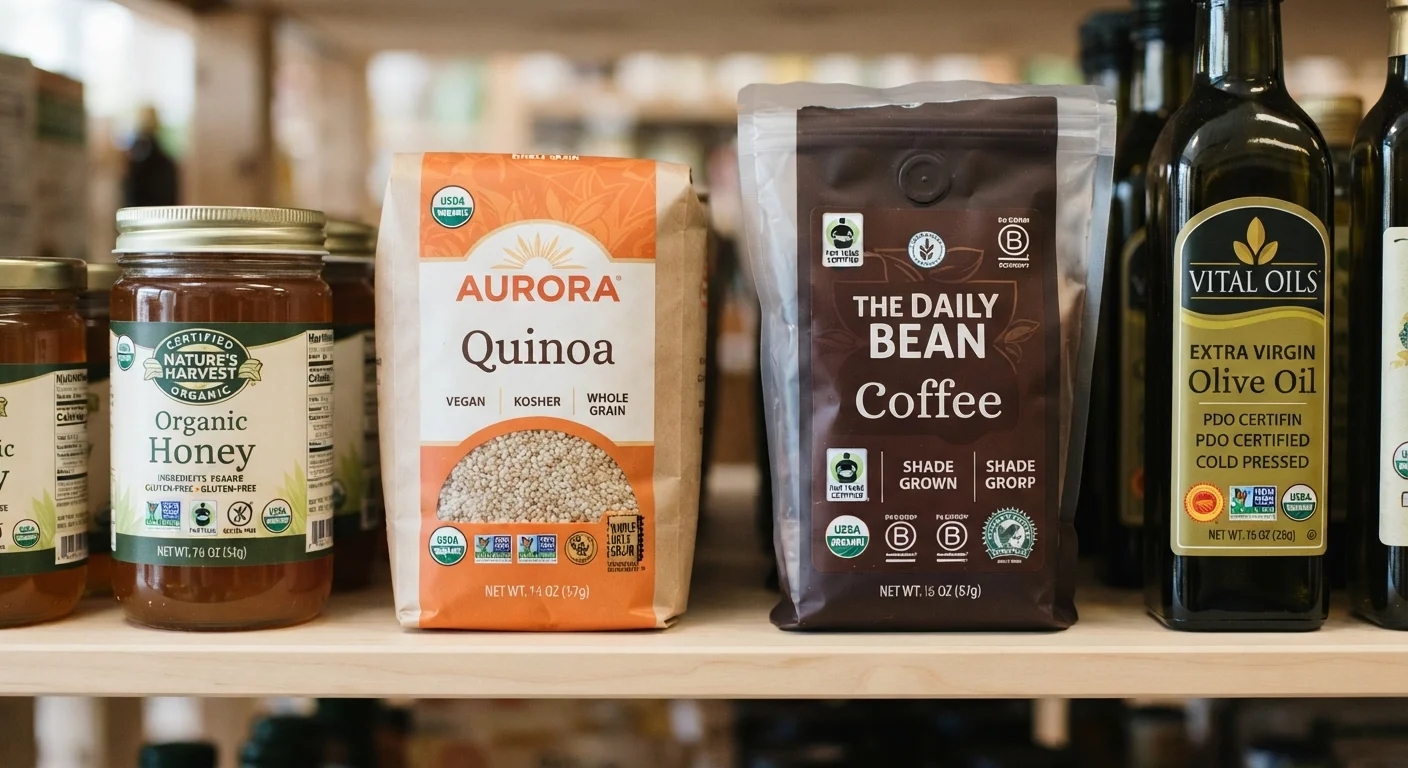
Some legitimate government-backed marks do exist: the USDA Organic seal, the Energy Star label (backed by the EPA and DOE), and the FCC mark on wireless devices are examples of genuine regulatory designations. A useful test: can you find the specific mark described on a .gov website?
Myth
An 'endorsed by' claim from a named organization means that organization independently evaluated the product.
Fact
Endorsements are frequently paid commercial arrangements. The endorsing organization may have conducted no independent testing whatsoever.
Industry associations and advocacy groups sometimes offer endorsement programs funded by member dues or licensing fees from brands. This creates a financial incentive that may not align with objective evaluation. The endorsing body might review label claims or conduct a limited desk review - or it might simply charge a fee and grant use of its logo.
Scrutinize the endorsing organization itself: Is it a recognized, independent nonprofit with publicly available standards? Or does it appear to exist primarily to issue endorsements? A quick search for the organization's name, its funding sources, and its acceptance criteria usually reveals the answer. For context on how label claims interact with food ingredients, see our piece on whole foods vs. processed foods.
Myth
Premium or name-brand products are more likely to carry legitimate certifications than generic ones.
Fact
Certification status depends on whether a manufacturer pursued a specific program - it is unrelated to price tier or brand recognition.
Some smaller or store-brand manufacturers pursue rigorous third-party certifications precisely to compete on credibility. Conversely, well-known brands sometimes rely on their name recognition rather than third-party verification. Price and brand size are not reliable proxies for certification legitimacy.
The generic vs. named brands guide explores this dynamic across product categories - certification is one more data point to add to that comparison, not a shortcut around it.
How to Verify Whether a Seal Is Legitimate
Genuine certifying bodies - organizations like NSF International, UL (Underwriters Laboratories), or the USDA National Organic Program - maintain publicly searchable databases of certified products. If a product claims certification, you should be able to find it on that organization's official website within a few minutes.
Self-declared marks, by contrast, typically link back only to the brand's own site or lack any reference at all. Watch for vague language: "tested to our standards" or "meets or exceeds industry guidelines" usually means the company set and verified the standard itself.
Watch for Look-Alike Seals
Some brands design proprietary certification badges to visually mimic the style of well-known third-party marks - using similar colors, shield shapes, or checkmark motifs. If you don't recognize the name on a seal, treat it as unverified until you can confirm the issuing organization independently. A convincing graphic design is not evidence of external oversight.
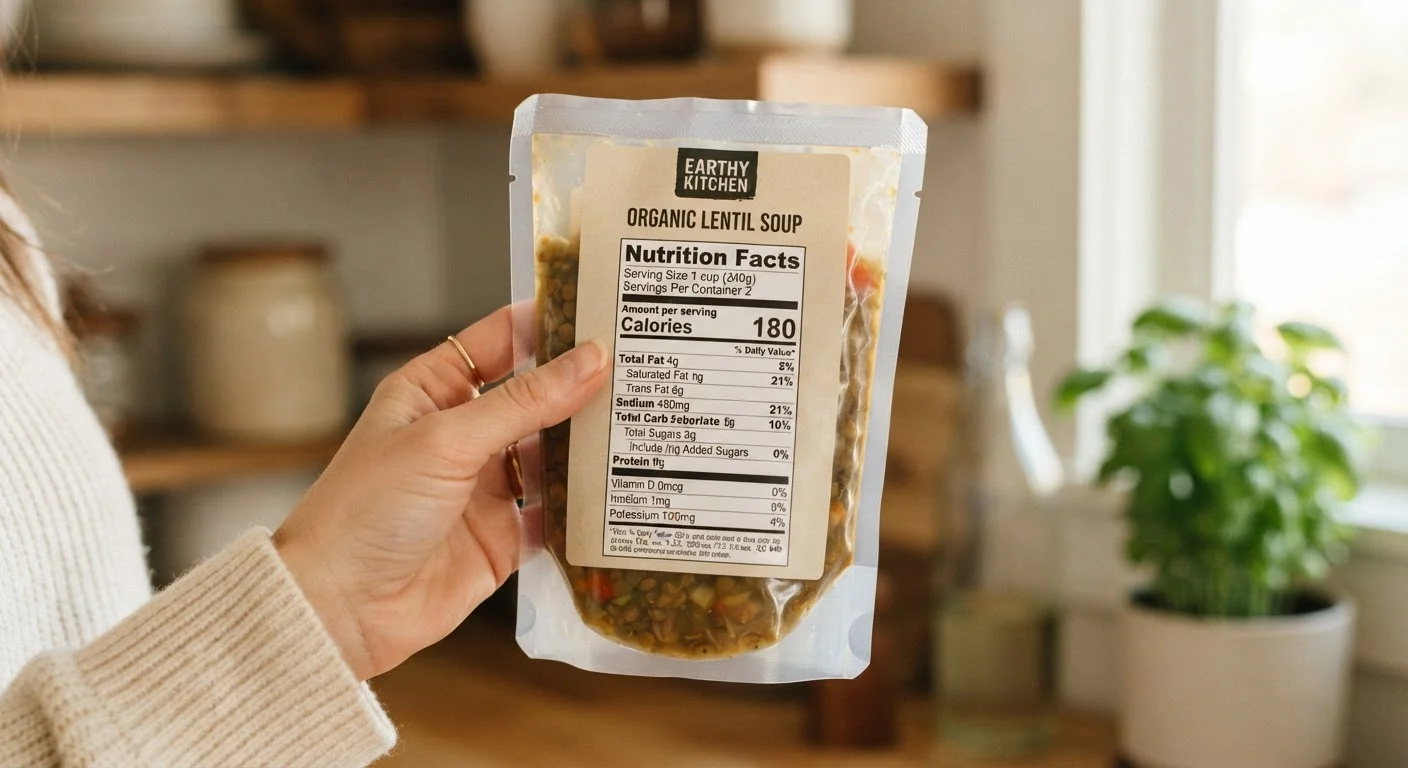
For food packaging, a related skill is reading the ingredient and nutritional information accurately. Our guide on reading a nutrition label without getting lost covers how to interpret the numbers and percentages that accompany those seals.
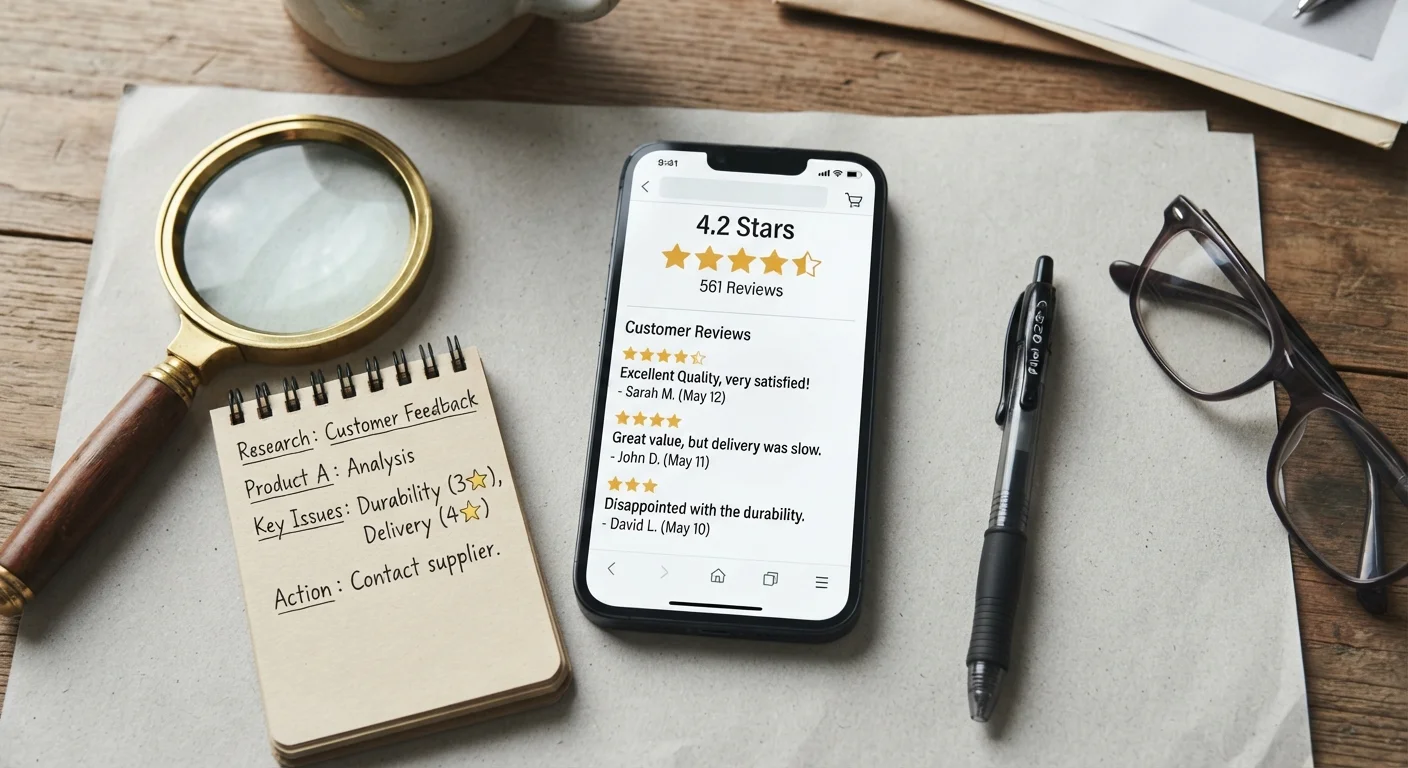
Similarly, certification claims are susceptible to the same credibility erosion as fake reviews - they can look convincing at a glance while being entirely manufactured. Applying the same skepticism you'd use for product reviews is a reasonable starting point.
~70%
Consumers who trust certification seals on packaging
Research from the Label Insight / Syndigo consumer study has found that a majority of shoppers report trusting label claims, including certification marks, without verifying their source.
1,000+
Distinct eco-label schemes worldwide
The Ecolabel Index, an independent tracking resource, has catalogued over a thousand environmental and sustainability label programs globally, with widely varying rigor and independence.