
Price Is Easy to Measure - That's Exactly the Problem
When you're comparing two options, price does one thing well: it gives you a number. Numbers are quick to read, easy to rank, and satisfying to act on. That clarity is genuinely useful - but it can also short-circuit the rest of your thinking before it even gets started.
Price tells you what something costs at the moment of purchase. It says almost nothing about what it costs to own, use, maintain, or eventually replace. Two items with identical sticker prices can have wildly different total costs over a year of use. And two items where one costs noticeably more upfront may land you in very different places twelve months later.
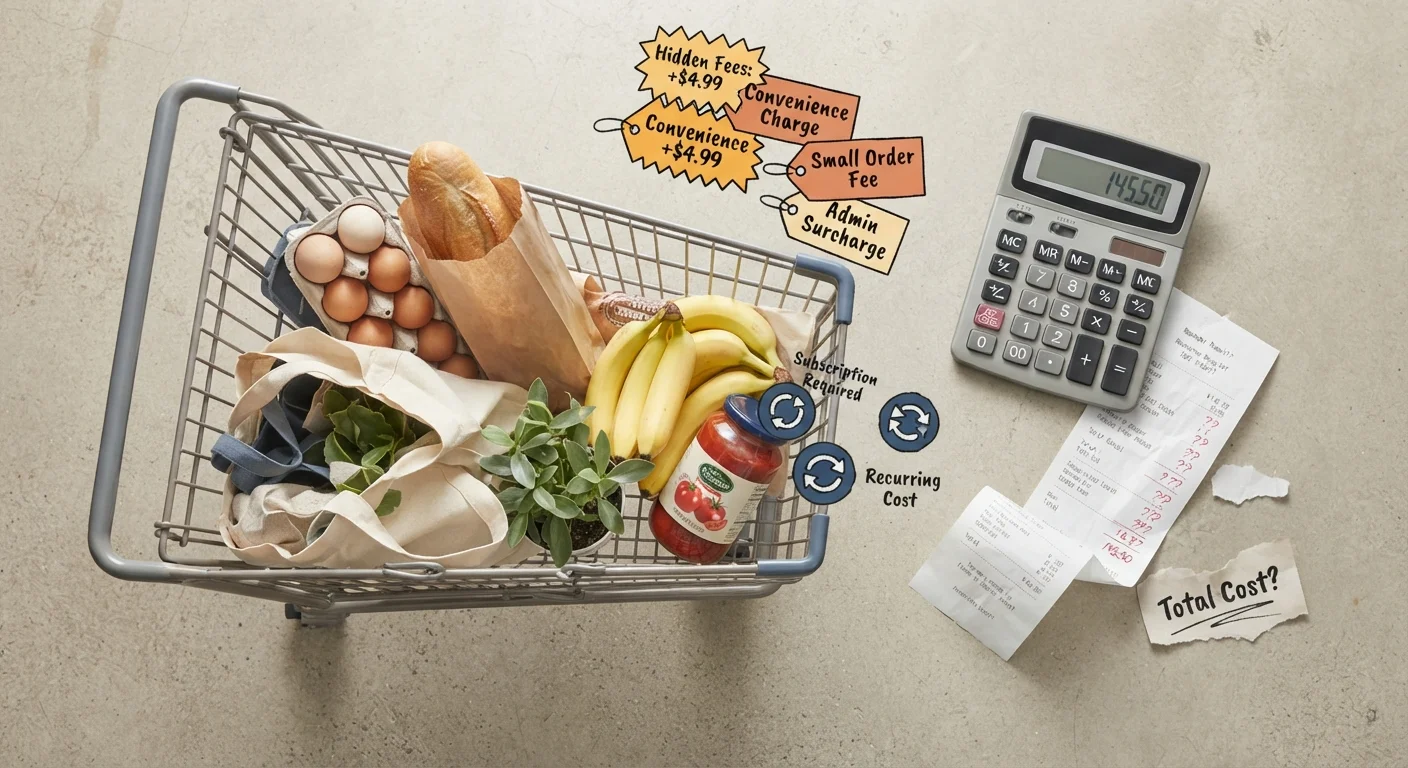
This isn't a niche problem. Hidden costs that don't appear in the sticker price - installation fees, consumables, subscriptions, and maintenance - routinely flip which option is actually cheaper. Being aware of this tendency is the first step toward making comparisons that hold up over time.
Myth
The lowest price always represents the best deal.
Fact
The lowest upfront price frequently results in the highest total cost once ownership expenses are factored in.
A price tag only captures one moment in a purchase's financial life. Repairs, replacements, accessories, ongoing fees, and the cost of a product that doesn't quite do the job all accumulate after you've handed over payment. Consumer research consistently finds that buyers who focus exclusively on purchase price report higher rates of regret than those who consider broader value - not because they were careless, but because price visibility makes other costs easy to overlook.
Myth
If two things cost the same, they're equally good value.
Fact
Identical prices can mask major differences in quality, lifespan, features, and after-sale support.
Price is set by markets and margins, not by an objective quality meter. Two items at the same price point may have entirely different materials, manufacturing standards, warranty terms, and expected lifespans. Comparing what each option actually delivers - not just what it costs - is what turns a price check into a genuine value assessment. The relationship between brand, price, and quality varies considerably by product category.
Myth
A higher price means better quality.
Fact
Price and quality have a loose, inconsistent relationship - premium pricing often reflects branding and positioning more than performance.
While there is often some correlation between price and quality at the extreme ends of a range, the middle of most product categories is murkier. Marketing investment, retailer margin, and brand equity all push prices up without necessarily improving the underlying product. Independently verified performance data - rather than price as a proxy - is a more reliable guide. This is particularly relevant when comparing store-brand and named-brand options in everyday categories.
Myth
Suspiciously low prices are just smart deals worth grabbing quickly.
Fact
Prices significantly below market norms often signal lower quality, missing components, or unreliable sellers.
Pricing well below comparable options usually reflects a trade-off: reduced materials, stripped features, absent warranty coverage, or a seller with limited accountability. Understanding what suspiciously low pricing typically signals helps you distinguish a genuine value find from a purchase that will disappoint. Urgency framing - 'limited time', 'today only' - is often used alongside unusually low prices precisely to prevent you from pausing to ask why the price is that low.
What Price-Only Comparisons Tend to Miss
Beyond hidden costs, pure price comparisons leave out several factors that directly affect whether a purchase delivers what you actually need.
- Fit for purpose: A cheaper option that doesn't fully meet your requirements isn't a saving - it's a partial solution you may need to supplement or replace. Before comparing prices, it's worth separating essential features from marketing extras so you know what minimum bar each option must clear.
- Durability and lifespan: A lower upfront price spread over two years of use can cost more per month than a pricier option that lasts five. Thinking beyond the first year reframes upfront price as just one part of total cost.
- After-sale support: Warranties, return policies, and service availability all affect the real value of a purchase. Warranty and support terms can be the deciding factor when two options otherwise look equal.
- Performance in real use: Specification numbers and lab ratings don't always translate to everyday experience. Spec sheet figures and real-world performance often tell different stories.
~33%
Consumers reporting post-purchase regret
A recurring finding across consumer satisfaction surveys is that roughly one in three buyers reports dissatisfaction linked to factors they didn't evaluate before purchasing - most commonly durability and hidden costs.
2-3x
Typical lifespan difference within a single category
Product testing organizations regularly document lifespan variation of two to three times between lower- and higher-durability options at similar price points, particularly in appliances and tools.
None of this means price doesn't matter - it clearly does. The goal is to give it appropriate weight, not the only weight.
Building a More Complete Comparison
Shifting away from price-only thinking doesn't require a complicated process. It requires deciding in advance what else matters to you, then checking each option against that list.
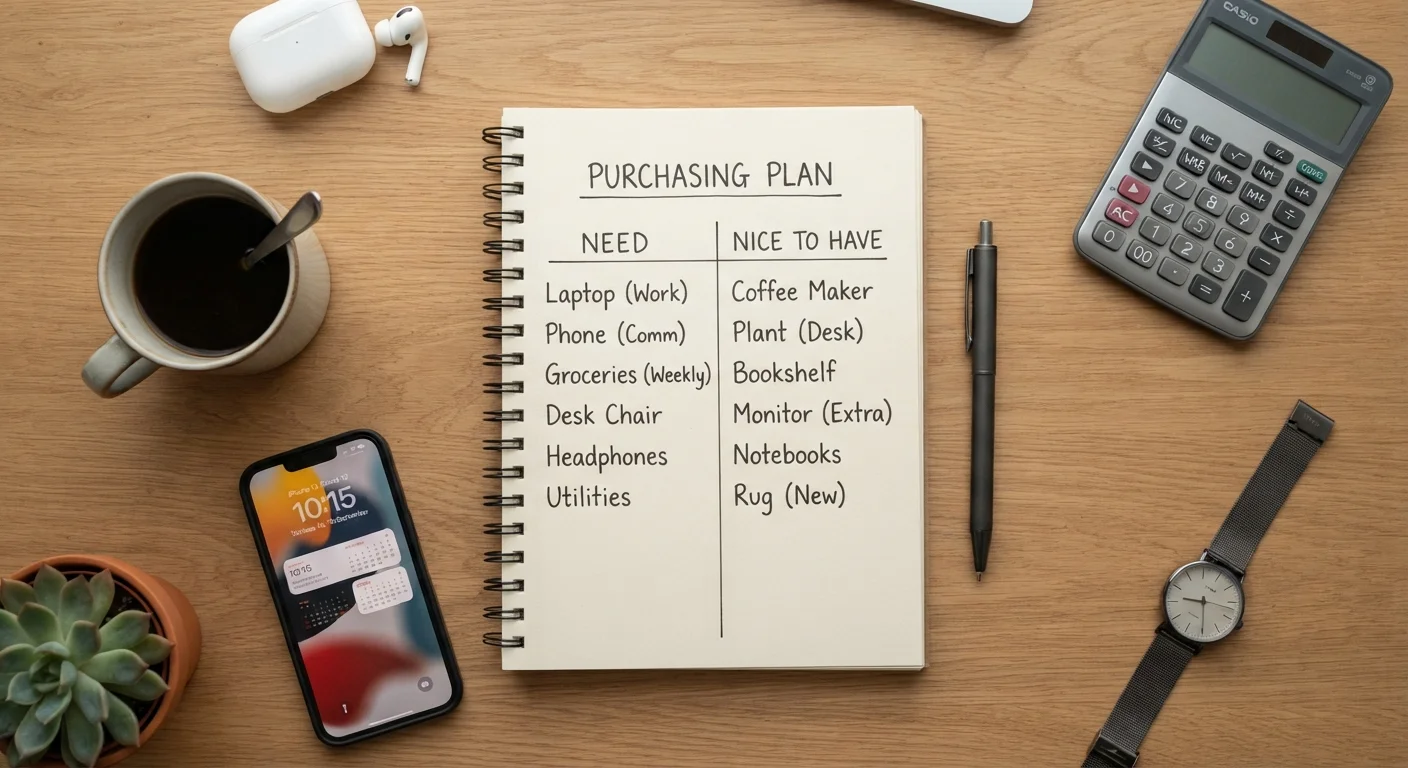
A practical starting point: write down the two or three outcomes the purchase needs to deliver. Then ask whether each option achieves those outcomes, what it costs over your expected period of use, and what happens if it fails or underperforms. That structure alone catches most of the gaps that pure price comparison misses.
For anyone who wants a more formal approach, building a personal comparison scorecard lets you weight the factors that matter most to your situation rather than relying on someone else's ranking. And if you're newer to this kind of structured thinking, a beginner's framework for comparing anything walks through a repeatable process that works across almost any purchase.
Price Anchoring Can Distort Your Judgment
If the first price you see is unusually high or low, it sets a mental reference point that affects how you evaluate everything else in the comparison - even when that anchor is arbitrary. Try to research typical market price ranges before comparing specific options, so no single number disproportionately shapes your assessment.
It's also worth noting that our own mental shortcuts can undermine even well-intentioned comparisons. Cognitive biases like anchoring and the decoy effect can make a higher-priced option feel like a bargain simply because of how it's positioned next to alternatives. Awareness of these patterns helps you evaluate more clearly.