Why Most Shoppers Skip the Small Print
Walk down any grocery aisle and you'll see shelf labels dense with numbers. Most shoppers lock onto the large figure - the total price - and move on. That instinct is understandable, but it frequently leads to paying more than necessary without ever realizing it.
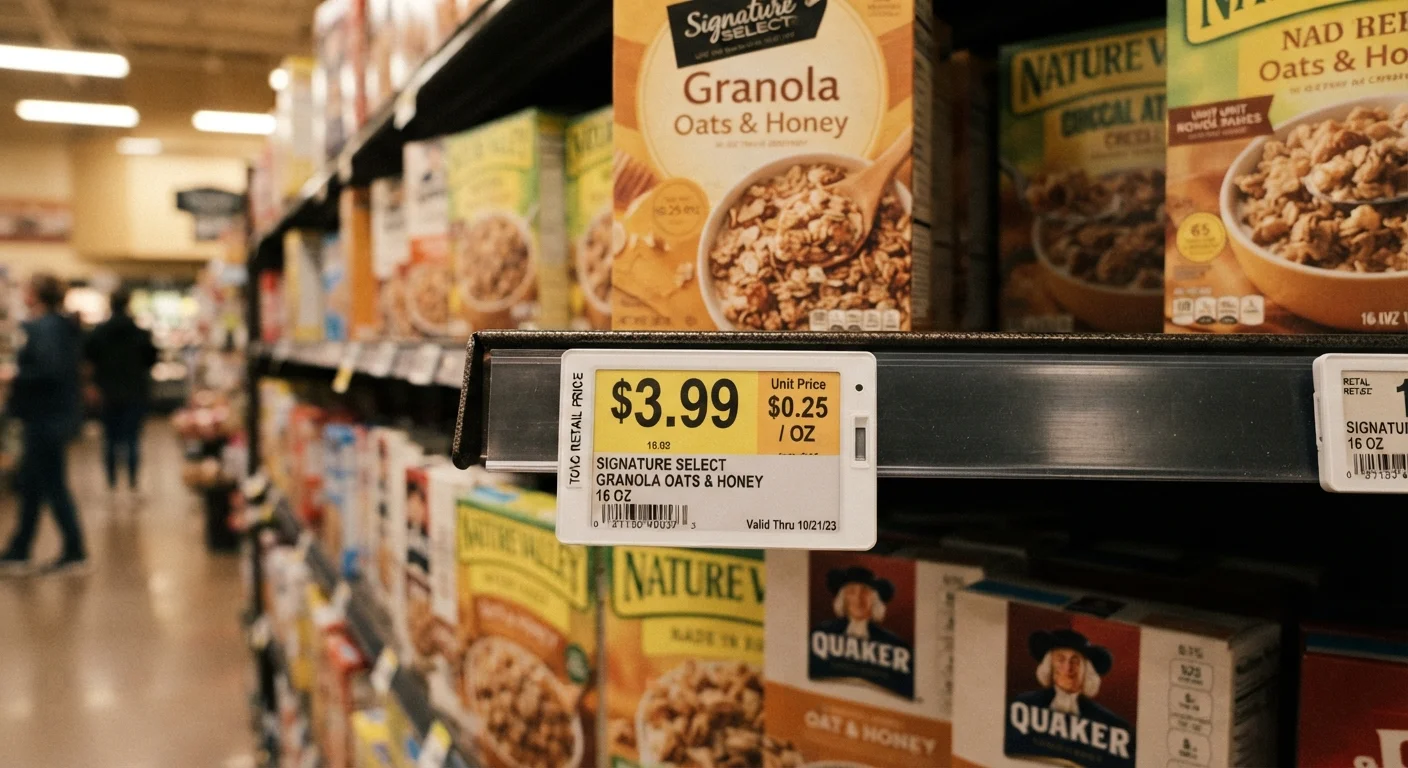
The smaller figure on the same label is the unit price: the cost per ounce, per 100 grams, per liter, or per count. It's often tucked into a corner in a smaller font, easy to overlook. But it's the figure that actually lets you compare products fairly - because it removes the distorting effect of different package sizes.
A 32-oz bottle at $3.99 and a 20-oz bottle at $2.69 are hard to compare by total price alone. Unit pricing does the math for you: roughly 12 cents per ounce versus 13.5 cents per ounce. Suddenly the decision is obvious. Without that figure, many shoppers would guess wrong or simply grab whatever feels like a deal.
Unit Pricing Requirements Vary by State
The US has no single federal law requiring unit pricing on all grocery items. Several states - including Massachusetts, Connecticut, and California - have their own rules, but coverage, exemptions, and enforcement differ. Smaller stores and certain product categories are often exempt. Don't assume every shelf in every store will carry a unit price.
How to Read a Unit Price Label
Shelf labels typically display unit pricing in one of two ways: cost per weight ("per oz", "per 100g", "per lb") or cost per volume ("per fl oz", "per liter"). For multi-packs, you may also see cost per item or per count.
The key rule: compare only within the same unit. If one label shows price per ounce and another shows price per pound, convert before comparing (there are 16 ounces in a pound). Most stores standardize units within the same product category, but it's worth checking.
If a unit price is missing - which can happen with specialty items, deli counters, or stores that aren't required to display it - calculate it yourself: divide the total price by the number of units (weight, volume, or count on the package). A simple phone calculator handles this in seconds.
Quick Calculation When Labels Are Missing
If a shelf tag doesn't show a unit price, pull out your phone's calculator and divide the total price by the package quantity. For a 15-oz can at $1.89, that's $1.89 ÷ 15 = 12.6 cents per ounce. It takes under 10 seconds and is often the fastest way to settle a close comparison.
Common Situations Where Unit Pricing Matters Most
Unit pricing is most valuable in a few predictable scenarios:
- Size variations of the same product: Multiple sizes of the same item often sit side by side. The mid-size isn't always cheaper per unit than the large, and the large isn't always better than buying two mediums on sale.
- Sale items: A product marked down 20% in a promotional display may still carry a higher unit cost than a nearby non-sale competitor. The sale price is relative to its own original price, not to anything else on the shelf.
- Store-brand vs. name-brand: Unit pricing is the cleanest way to measure the actual price gap between a generic and a branded product, stripped of packaging appeal.
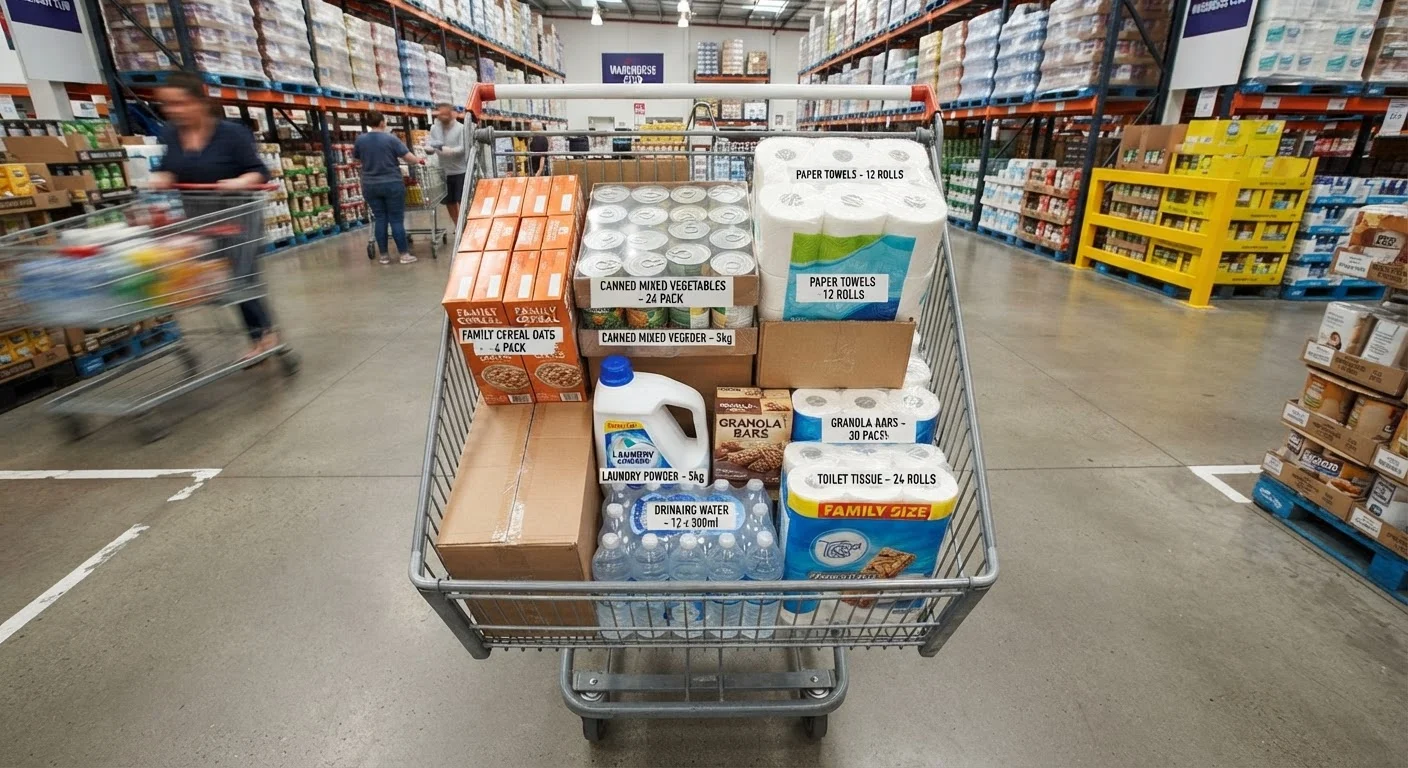
- Bulk or club-size items: Large-format stores often - but not always - offer lower unit prices. Verifying this before committing to a large quantity is especially important because waste can quickly erase savings. See our guide to buying in bulk for a fuller breakdown of when bulk sizing genuinely pays off.
~40%
Shoppers who regularly check unit pricing
Research from consumer behaviour studies consistently finds that fewer than half of grocery shoppers actively use unit price information when making purchase decisions, despite its wide availability.
Up to 30%
Potential savings identified through unit price comparison
Consumer advocacy analyses have found that systematic use of unit pricing can surface cost differences of this magnitude between competing products in the same category.
Unit Pricing in the Broader Picture of Smart Shopping
Unit pricing solves one specific problem: comparing cost per quantity across different package sizes. It doesn't account for quality differences, product freshness, ingredient composition, or how much of a product you'll actually use before it expires. A lower unit price on something you'll throw away half of isn't a saving.
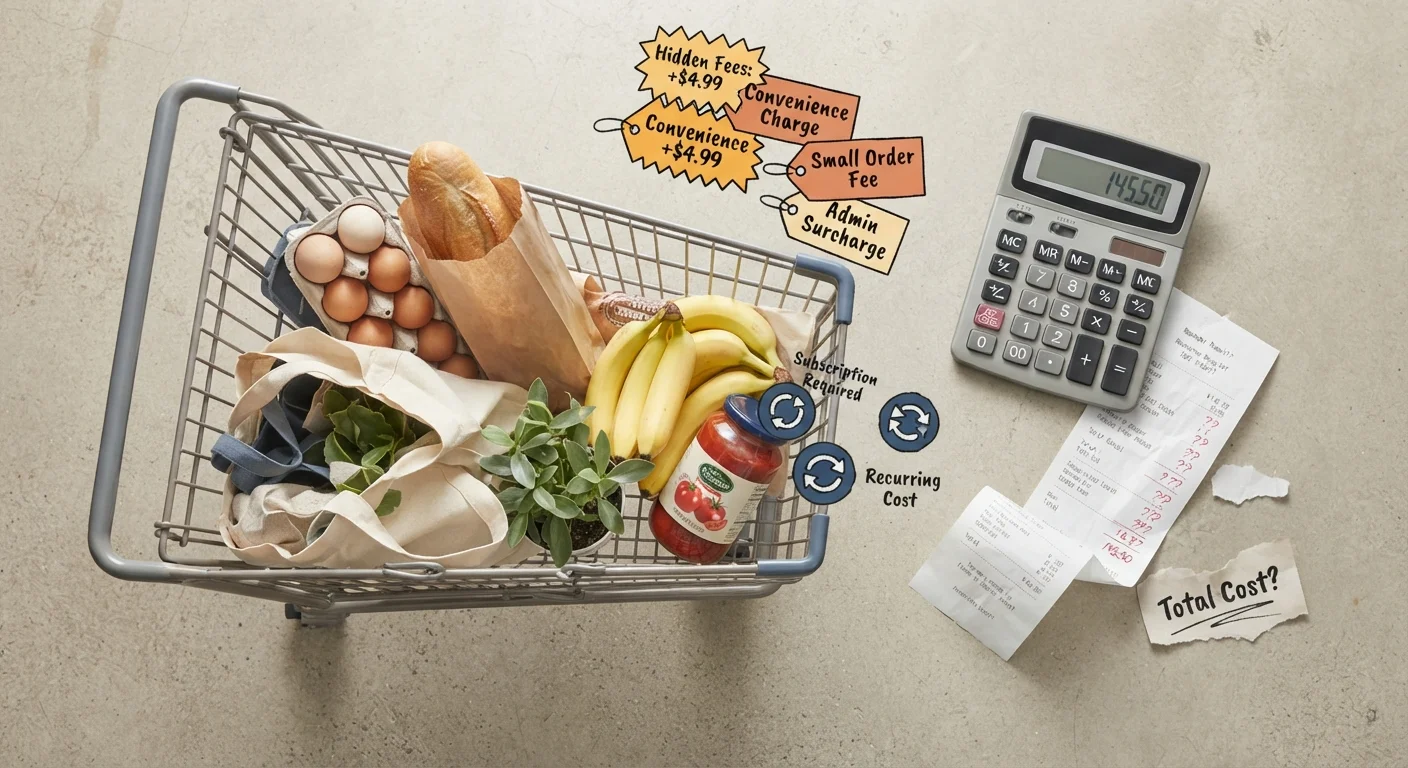
It also doesn't reveal costs that live outside the shelf label - things like delivery fees, membership requirements, or subscription commitments. Our article on hidden costs that don't show up in the sticker price covers that ground.
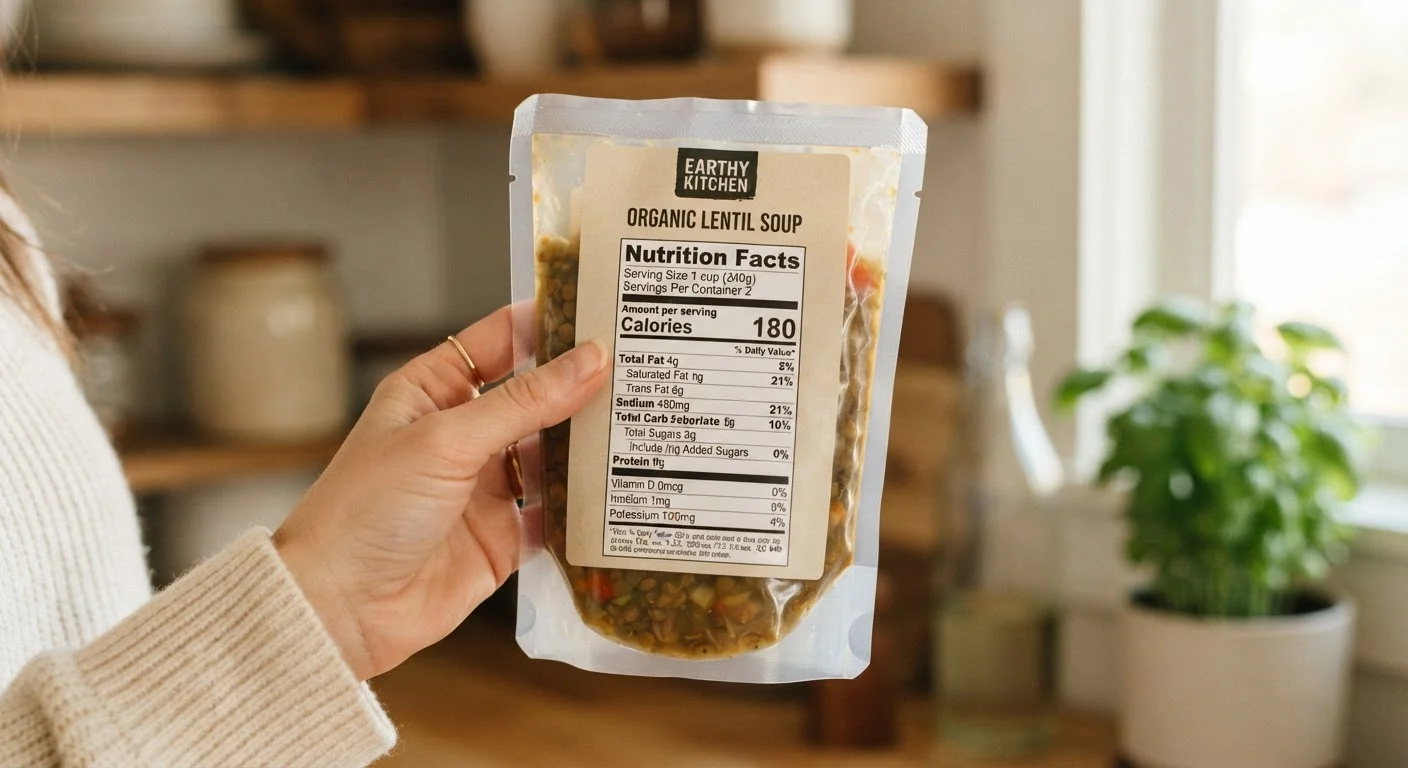
And if you're reading food labels while you're at it, unit pricing pairs well with understanding what's actually in the package - our guide to reading nutrition labels walks through the numbers that matter for what you eat.
Used in combination with these habits, unit pricing is one of the fastest, lowest-effort skills you can develop at the shelf. It requires no apps, no loyalty cards, and no planning ahead - just a quick glance at the right number before you reach for the shelf.